Maremma Food & Wine: Morellino, Wild Boar & Pecorino
Maremma’s cuisine centres on wild boar, Maremmana beef and pecorino cheese, paired with Morellino di Scansano and other Sangiovese-based reds from the region’s DOCG and DOC estates. Food markets in Grosseto and smaller hill towns sell local cheese, salumi and olive oil, while autumn brings white truffles, chestnuts and the olive harvest. Seafood from the Tyrrhenian coast rounds out a cuisine built on grazing land, forest and sea rather than postcard prettiness.
Come to Maremma in late October and you will understand why nobody here rushes a meal. The grape harvest is winding down, the first pressed olive oil is the colour of a traffic cone and faintly peppery enough to make you cough, and somewhere in the chestnut woods of Monte Amiata a man with a dog is looking for white truffles with the quiet seriousness of a bomb disposal expert. This is not a place that performs its food for visitors. It simply gets on with it, has done for a few thousand years, and happens to do it rather well.
Maremma Cuisine: Beef, Boar and the Bread Soup That Built a Region
Maremma’s food comes from three landscapes squeezed together: open grazing plains, dense maquis forest and a long stretch of coast. That is why its cooking reads, at first glance, like three different cuisines. There is the cattle country, home of the pale, long-horned Maremmana breed that grazes semi-wild and ends up, eventually and respectfully, as a serious bistecca. There is the forest, which supplies cinghiale (wild boar), still hunted locally and turned into everything from ragù to salami. And there is the sea, contributing simpler, saltier dishes to the coastal towns.
The dish that ties it all together is acquacotta, literally “cooked water” – a peasant soup of stale bread, onions, tomatoes and whatever vegetables were to hand, often finished with a poached egg on top. It sounds austere. It tastes like something your grandmother would have made if your grandmother happened to be a genius working with almost nothing. Maremma was, for centuries, a poor region of malaria-plagued marshland before land reclamation in the twentieth century changed its fortunes, and the food still carries that frugal, resourceful memory even as the wine list has become considerably grander.
Signature Dishes to Try in Maremma
Beyond acquacotta, look out for pappardelle al cinghiale, wide ribbons of pasta under a slow-cooked wild boar ragù that has usually been simmering since before you woke up. Tagliata di manzo Maremmana – sliced, seared beef from the local cattle, usually served rare with rocket and shavings of pecorino – turns up on menus with the regularity of good weather. Scottiglia, a mixed-meat stew using whatever the hunt produced that week (rabbit, boar, sometimes chicken), is proper rustic cooking, best eaten with bread to mop the plate, a habit nobody here will judge you for.
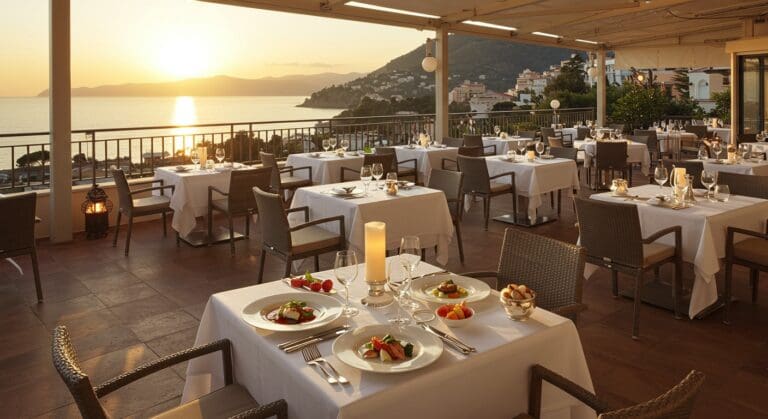
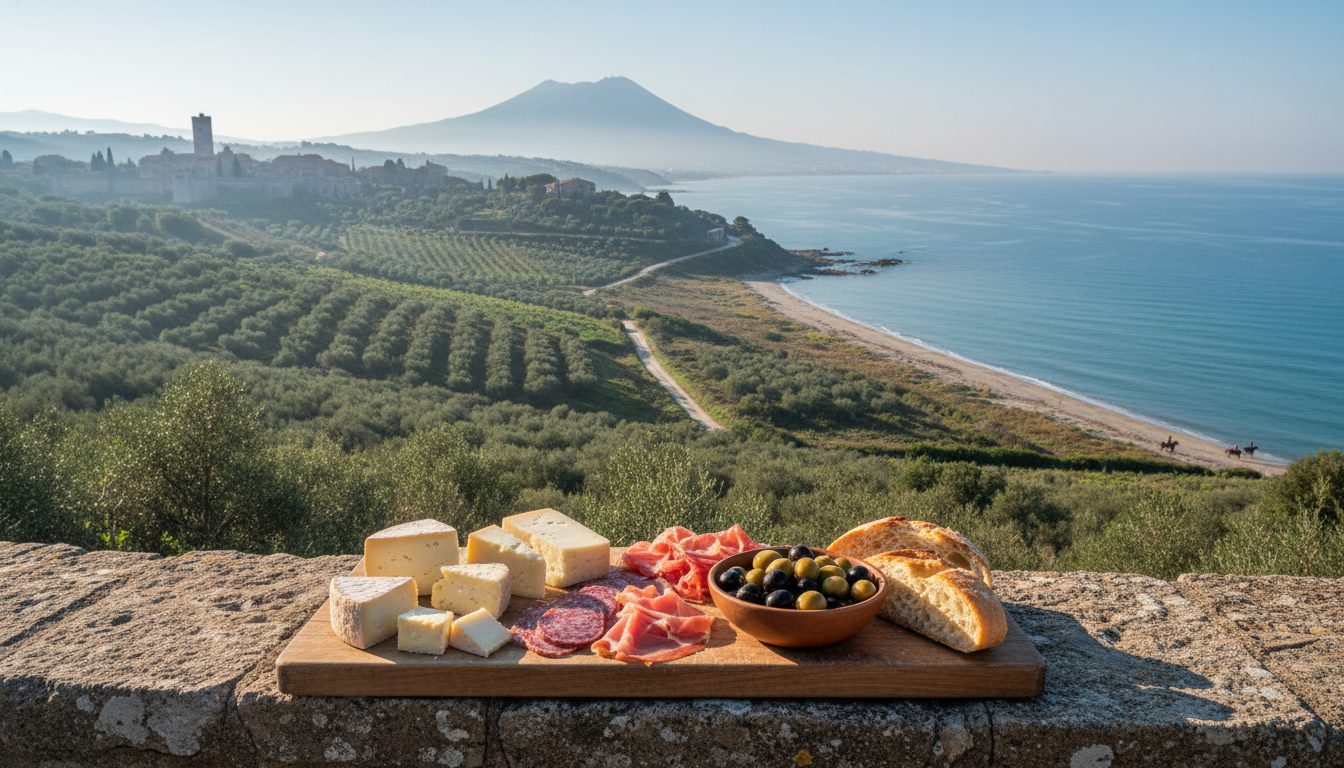
Along the coast, towns such as Castiglione della Pescaia, Porto Ercole and Talamone shift the register entirely, serving grilled fish, seafood risottos and fish soups that borrow techniques from Livorno’s cacciucco tradition without ever quite admitting it. Cheese lovers should seek out pecorino toscano and the firmer, more peppery pecorino from the Pitigliano area, often served simply with local honey or a spoon of fig jam – a pairing that sounds twee until you try it and go quiet.
Maremma Wine: Morellino, Bolgheri and the Reds That Outgrew Their Reputation
Maremma’s signature wine is Morellino di Scansano, a Sangiovese-based DOCG red from the hills around Scansano that manages to be both approachable and properly structured – the kind of wine that goes equally well with a plate of pasta or a serious cut of beef. It has none of the self-regard of some of Tuscany’s more famous names, which suits the region’s generally unpretentious character.
Further north, Bolgheri belongs to Maremma too, and here the story changes completely. This is the stretch of coast where, in the 1970s, a handful of estates began planting Cabernet Sauvignon and Merlot alongside Sangiovese and produced the so-called “Super Tuscans,” wines that quietly rewrote expectations of what Italian reds could be – Sassicaia among them, now one of the most sought-after names in Italian wine. Other appellations worth knowing include Bianco di Pitigliano, a crisp white for the region’s seafood, Ansonica Costa dell’Argentario, and the reds and whites of Montecucco DOC around Monte Amiata, which deserve far more attention than they currently get.
Wine Estates to Visit in Maremma
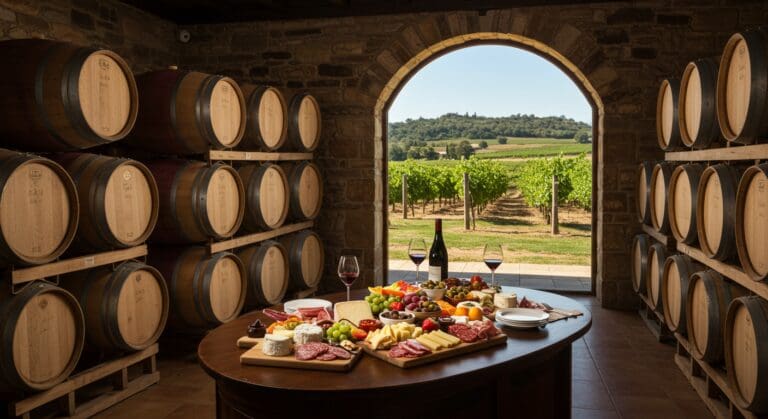
Most Morellino producers around Scansano welcome visitors for tastings, usually by appointment rather than walk-in, and a morning spent moving between cellars in this part of Maremma is as good an introduction to the wine as any book. Bolgheri’s more famous estates tend to be busier and sometimes require booking well in advance, particularly in high season, but the area rewards a slow drive along its cypress-lined approach roads almost as much as the wine itself does.
Smaller family estates around Pitigliano and Sovana, in Maremma’s tufa-stone country, are often easier to visit on a whim and frequently cheaper, with the added bonus of tasting rooms that look out over some genuinely remarkable landscapes – all sunken lanes and Etruscan tombs cut into volcanic rock. Book ahead where you can; turning up unannounced at harvest time, when everyone is elbow-deep in grapes, is one of the few genuine faux pas in an otherwise forgiving region.
Maremma Food Markets
Grosseto’s weekly market is the largest in the province, a sprawling affair of produce stalls, cheese vans and the kind of good-natured shouting that passes for salesmanship in rural Italy. Smaller towns such as Manciano, Orbetello and Pitigliano run their own weekly markets, generally smaller and more locally focused, selling pecorino, salumi, olive oil, seasonal vegetables and, in autumn, truffles sold from unmarked crates by men who clearly know exactly what they have. These markets are not curated for visitors (there is no artisanal branding, no chalkboard English translations) which is precisely their appeal. Go early, bring cash, and expect to leave with more cheese than you planned on.
Cooking Classes in Maremma
Several agriturismi and small culinary schools across the region offer hands-on cooking classes, usually built around pasta-making, pecorino production or the preparation of regional classics like acquacotta and pappardelle al cinghiale. Many are run from working farms, so a class often begins with a walk through the vegetable garden or a look at the cheese dairy before anyone picks up a rolling pin. These sessions tend to run for half a day, include a shared lunch of whatever has just been cooked, and are a genuinely good way to understand why Maremma’s food tastes the way it does – because the ingredients rarely travel further than the farm gate.
Seasonal Specialities in Maremma: Truffles, Olive Oil and Seafood
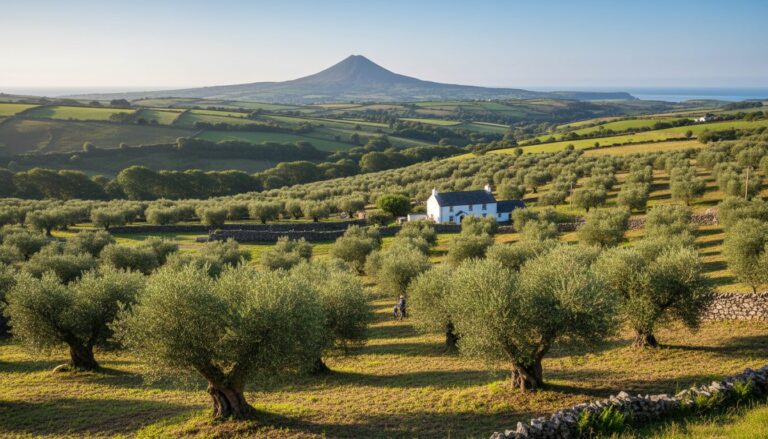
Maremma’s calendar is as much agricultural as touristic. White truffles, found mainly in the wooded areas around Manciano and the Monte Amiata foothills, are at their best from October into early December, and local restaurants shave them generously over tagliatelle and eggs during this window. Black truffles appear at other points in the year, in smaller, more affordable quantities. November is also olive harvest month, and olio nuovo – the first unfiltered oil of the season, green, cloudy and sharp – is worth seeking out at farms and markets alike; it rarely survives long enough to be bottled commercially.
Chestnuts come down from Monte Amiata in autumn, turning up in flour, soups and sweet treats across the hill towns. Seafood, unsurprisingly, is best from late spring through summer, when the coastal towns’ catch is at its freshest and the outdoor tables along the harbourfronts fill with people in no particular hurry to be anywhere else.
Best Food Experiences in Maremma
If you only do a handful of food-related things in Maremma, make them these: a Morellino tasting in the hills around Scansano, a slow coastal lunch of grilled fish in one of the harbour towns, a wander through a weekly market with no shopping list and an open mind, and – if your visit falls in autumn – a truffle hunt or a truffle-laden dinner before the season ends. None of it requires much planning. Most of it requires only an appetite and a willingness to let lunch run considerably longer than intended, which, around here, is simply how the afternoon is meant to go.
For more on exploring the wider region beyond the table, see the full Maremma Travel Guide.
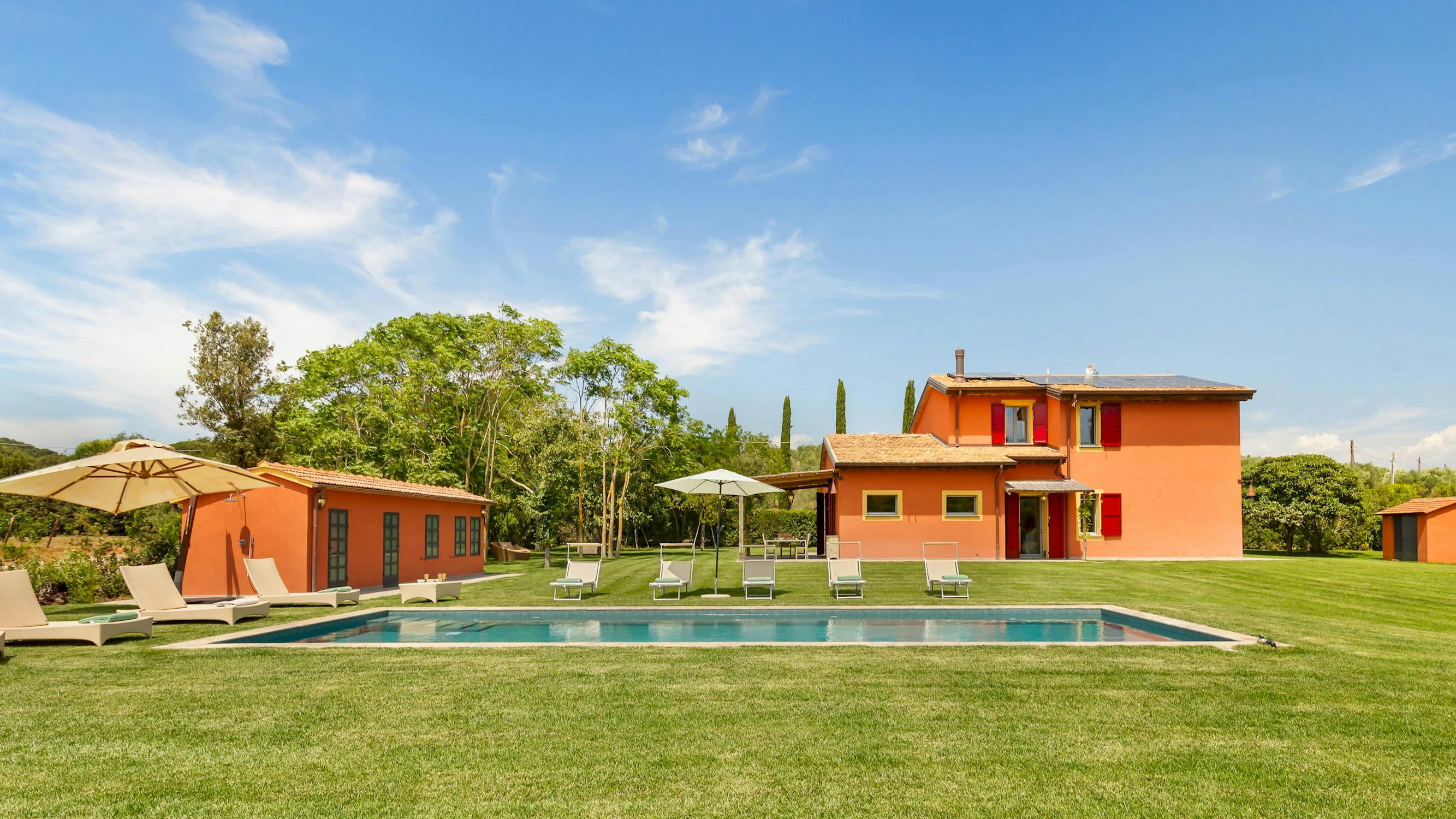
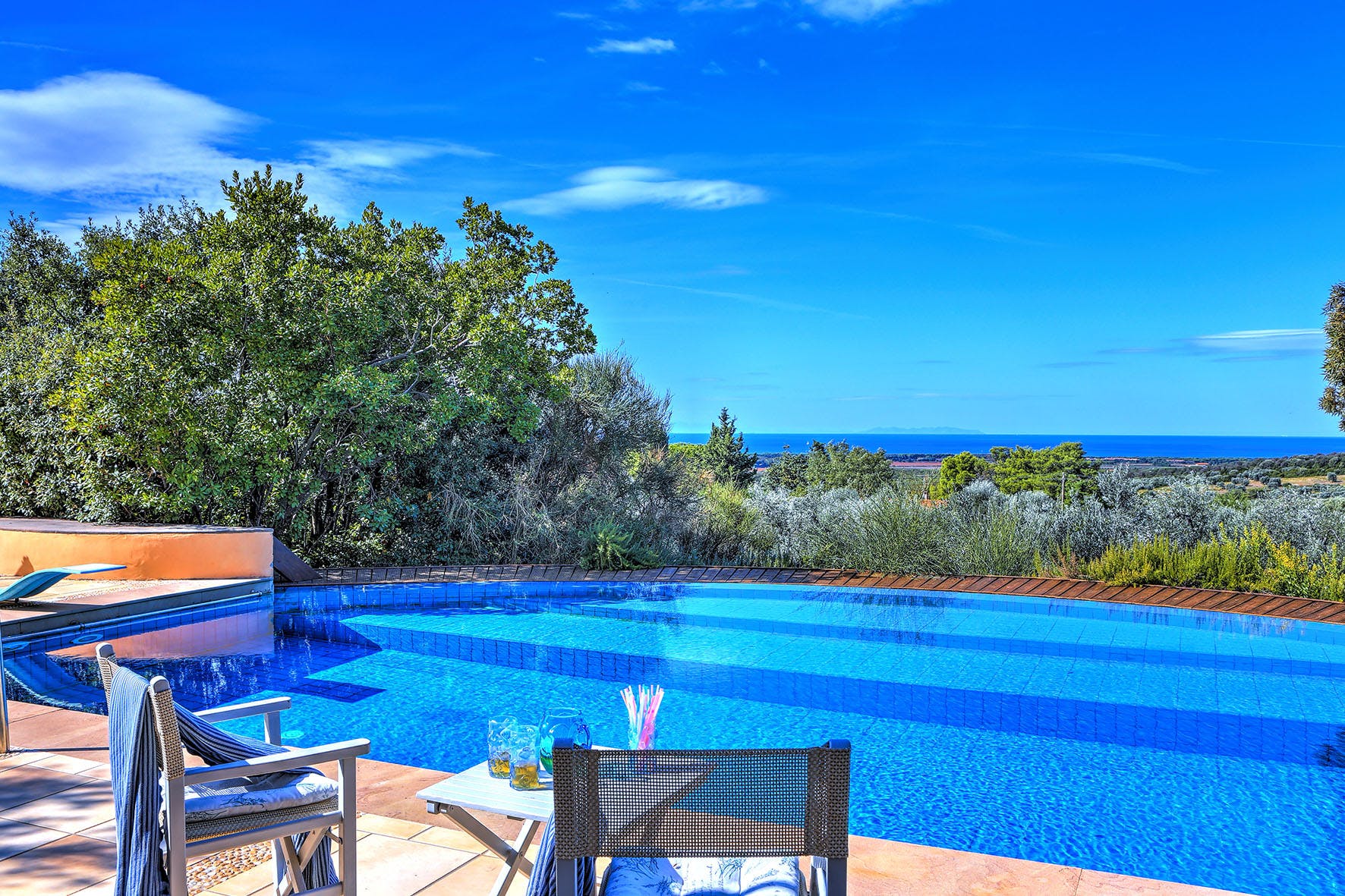
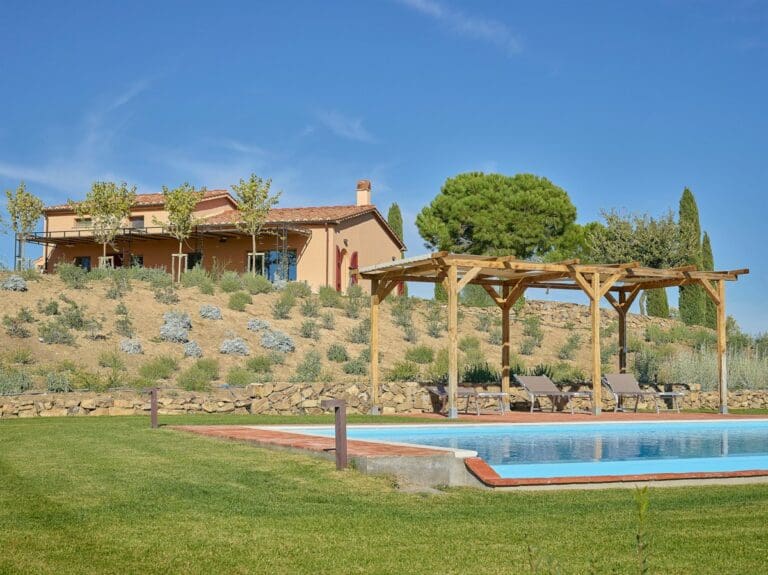
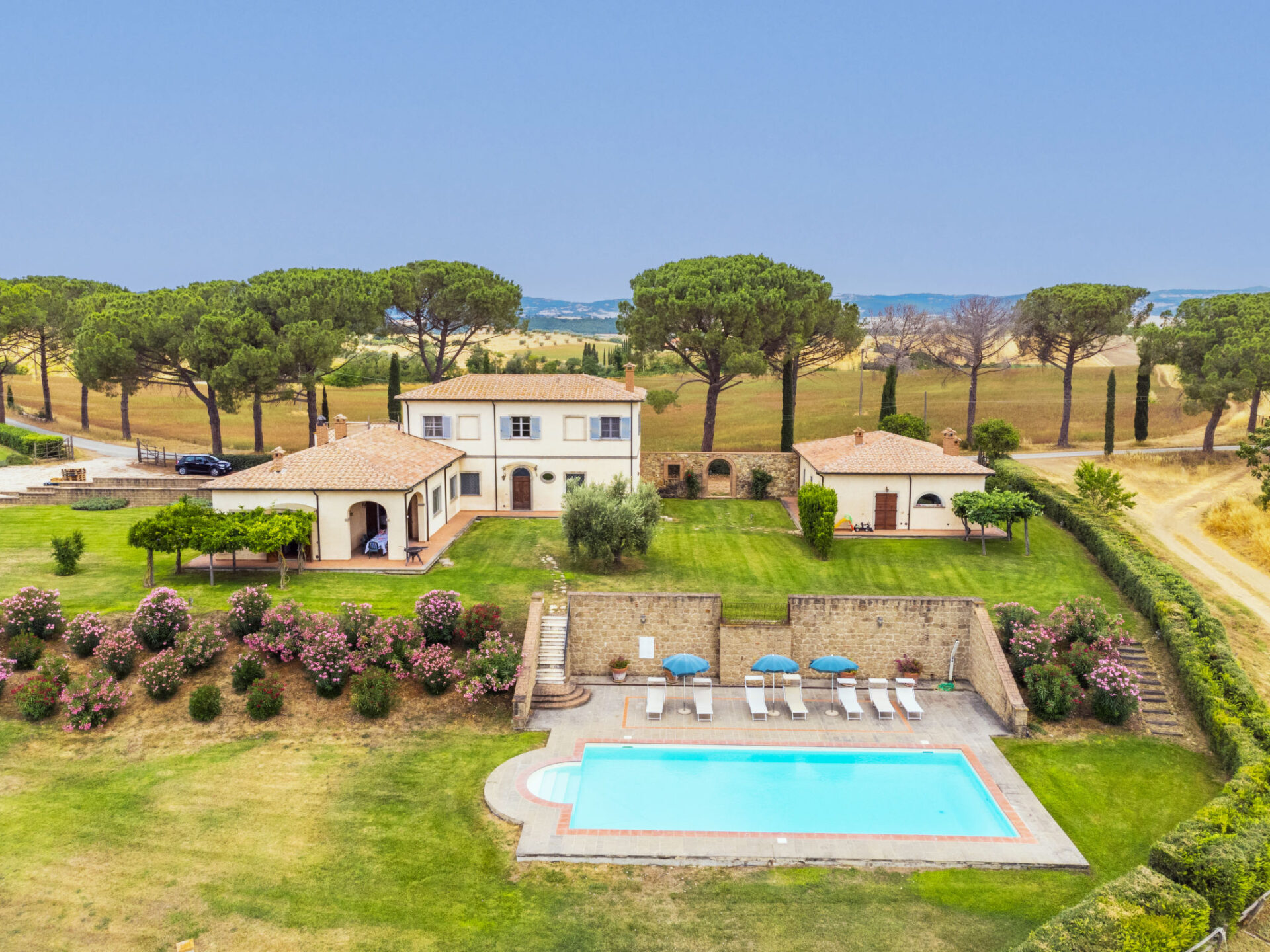
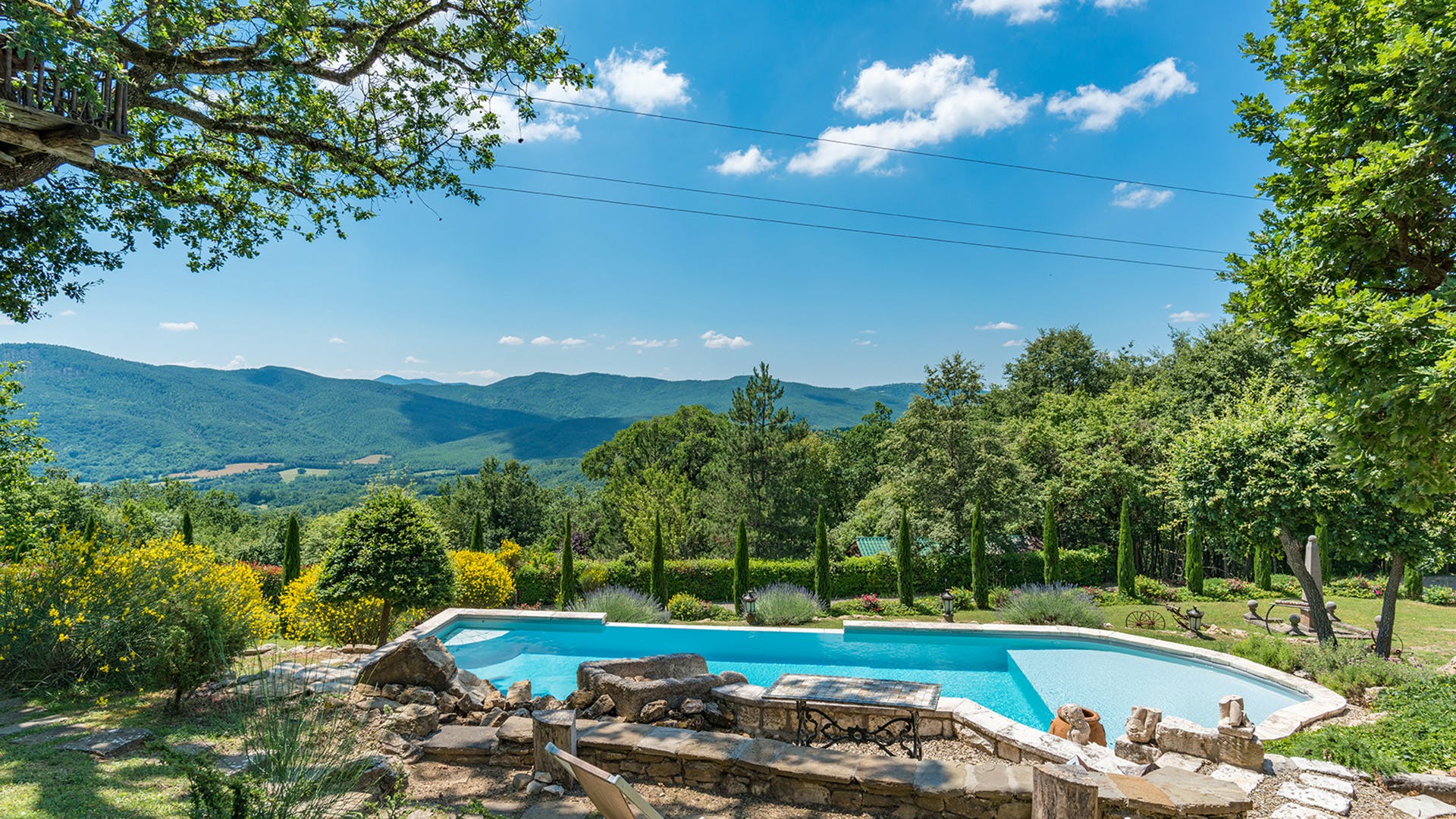
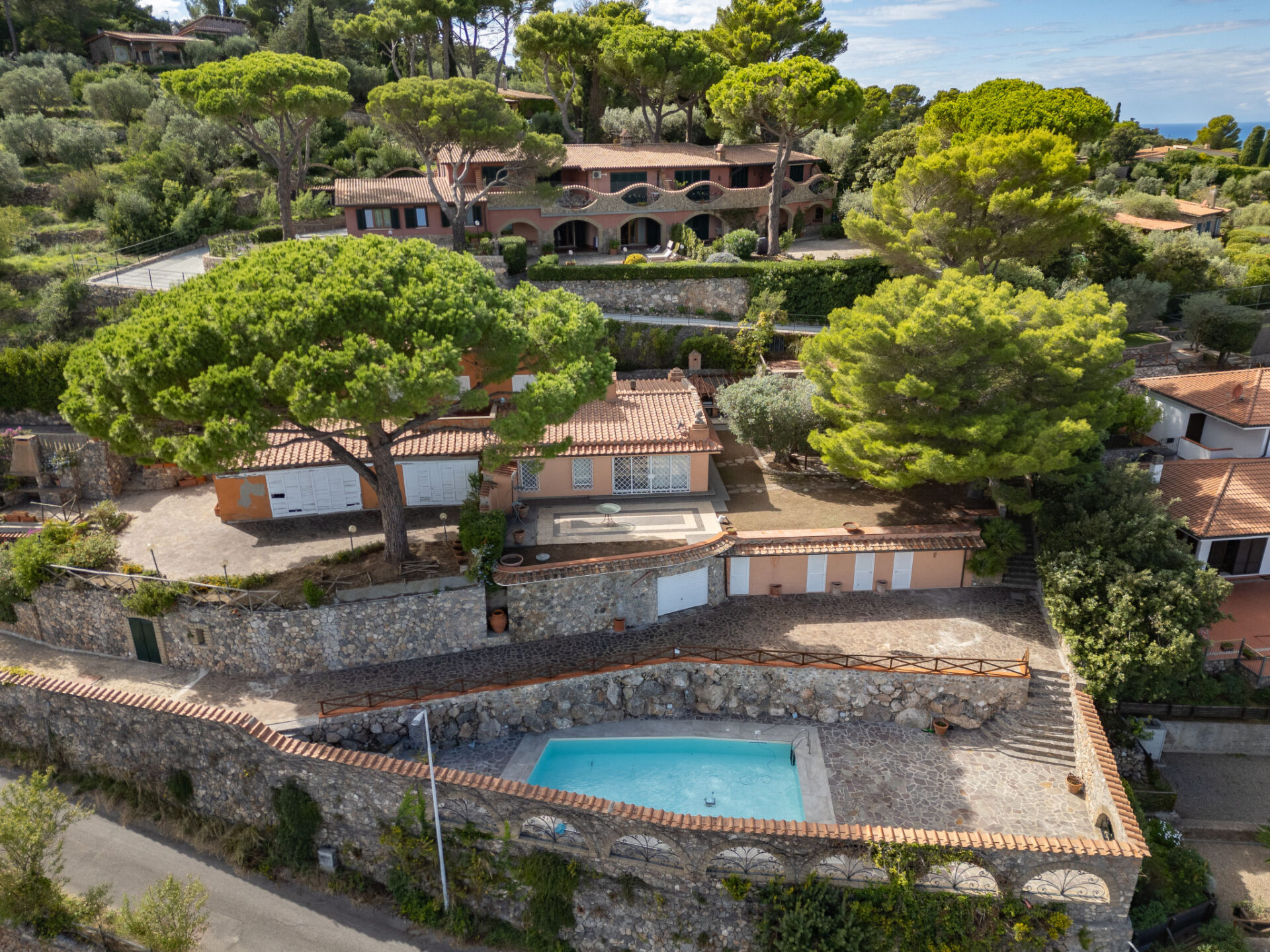
For those planning where to base themselves for all this eating and drinking, there are villas in Maremma worth considering.
Maremma Food and Wine FAQs
What is the best time of year for Maremma food and wine?
Autumn, roughly late September through November, is the richest time, coinciding with the grape harvest, olive pressing, chestnut season and white truffle hunting. Spring and early summer suit coastal seafood and lighter outdoor dining, while high summer is busier but still rewarding for wine tastings in the early morning or evening.
Is Maremma good for wine tourism compared to Chianti?
Maremma offers a less crowded, more varied alternative to Chianti, ranging from the approachable Morellino di Scansano reds to the internationally renowned estates of Bolgheri. Visiting generally requires more advance planning for appointments, since tasting rooms here are smaller and less set up for drop-in tourism than in some better-known Tuscan wine areas.
What local dishes should I try first in Maremma?
Start with acquacotta, the region’s signature bread-and-vegetable soup, followed by pappardelle al cinghiale and a Maremmana beef tagliata. Along the coast, prioritise simply grilled fish or a seafood soup, and finish any meal with local pecorino and honey rather than a dessert menu.
Where to stay
Villas in Maremma
A selection from our 104 luxury villas in Maremma.