
Best Restaurants in Ortaca: Fine Dining, Local Gems & Where to Eat
Around eight in the evening, something shifts in Ortaca. The heat of the day lifts just enough to make outdoor dining feel like a reward rather than an endurance sport, and the smell of wood smoke and grilled lamb begins to drift through the streets – mingling with jasmine and the faint brackish note carried inland from the delta. Locals appear from nowhere, as locals always do, pulling chairs out at tables that weren’t there an hour ago. The tea glasses arrive before you’ve even sat down. This is the rhythm of eating in Ortaca, and once you’ve understood it, you’ll stop looking at your watch entirely.
Ortaca doesn’t make the cover of food magazines. It doesn’t have a restaurant with a waiting list six months long, or a chef who has been photographed with a mandoline. What it has is something increasingly rare and correspondingly valuable: an eating culture that is entirely its own. Wedged between the Dalyan delta and the Köyceğiz lake plain, surrounded by cotton fields and citrus groves, this is a town that feeds itself well and has never particularly needed your approval to do so. The best restaurants in Ortaca – the ones worth adjusting your afternoon plans for – tend to be small, unhurried, and almost defiantly local. Here’s where to find them.
The Fine Dining Scene in Ortaca
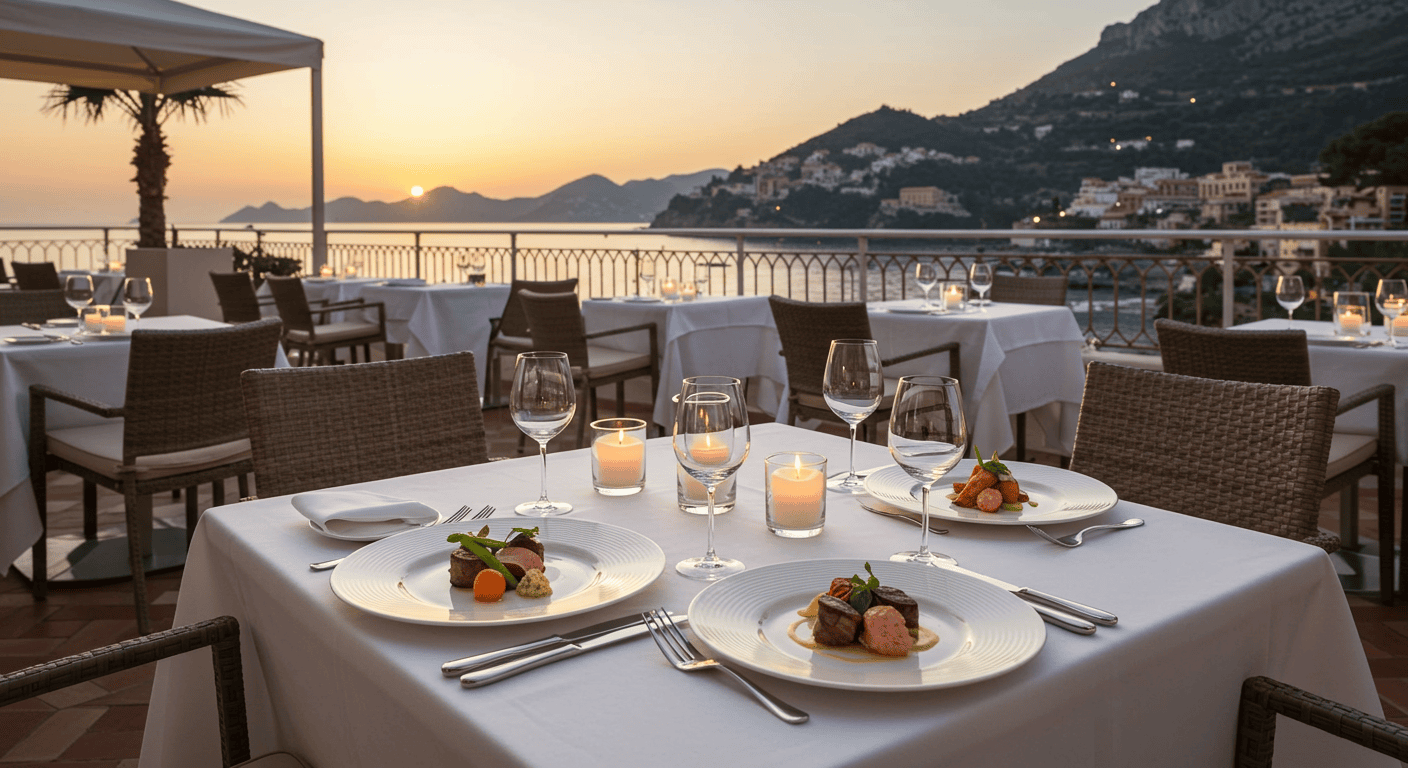
Let’s be honest about what Ortaca is and isn’t. It is not Istanbul. It doesn’t have a Michelin star, and it isn’t trying to get one. What it does have – particularly at the better hotels, private clubs, and increasingly at a handful of more ambitious independent restaurants – is cooking that takes quality seriously, even if it doesn’t announce itself with a tasting menu and a sommelier who wants to tell you about volcanic soil.
The elevated dining experiences in and around Ortaca tend to lean into the region’s extraordinary larder rather than reimagining it beyond recognition. Expect dishes that begin with impeccably fresh seafood from the Aegean coast – sea bass, sea bream, octopus, and red mullet that genuinely earned the word fresh. Mezze here are not an afterthought; they are frequently the finest part of the meal. Smoked aubergine purée that has had actual attention paid to it. Stuffed vine leaves made by someone’s grandmother (or someone who learned from someone’s grandmother, which is almost as good). Herb-heavy salads from local producers who appear to operate on the basis that flavour matters more than uniformity.
The finer restaurants in the region often sit within boutique hotels or are attached to olive estate properties nearby. If you’re staying in a private villa, it’s worth asking your concierge about any pop-up dinners or chef’s table experiences that occasionally appear during the summer season – these represent some of the most memorable meals the area offers, and they’re rarely advertised loudly.
Local Tavernas and Family Restaurants Worth Seeking Out
The backbone of eating well in Ortaca is the family-run lokanta – the Turkish version of a neighbourhood restaurant that exists primarily to feed people properly rather than to be reviewed. These are the places with plastic-covered menus and fluorescent lighting and food that will, without ceremony or self-congratulation, make you feel extremely glad to be alive.
In the town centre itself, you’ll find a cluster of restaurants along and around the main market street area, ranging from no-frills pide houses to more considered establishments where the grilled meats arrive with the confidence of people who have been doing this for a long time. Pide – the Turkish flatbread baked in a wood-fired oven and topped with everything from minced lamb to cheese and egg – is the thing to order at lunch. Kuzu tandır, slow-cooked lamb that has spent several hours becoming something transcendent, is the thing to order when you have more time and absolutely no plans for the afternoon.
Kebabs in this region differ in interesting ways from what you might expect if your only frame of reference is a high street back home. Köfte – spiced lamb meatballs grilled over charcoal – are particularly good here. Ask for them with shepherd’s salad and flatbread and eat outside. This is, quietly, one of the better meals available in the region.
The local people eat late by northern European standards, and the restaurants accommodate this. Don’t be alarmed if a restaurant that appears half-empty at seven is completely full by nine. Join the rhythm rather than fighting it – the food will be better for it.
Dalyan and the Waterside Dining Experience
Ortaca sits close enough to Dalyan that the two are essentially part of the same culinary conversation, and the waterside restaurants lining the Dalyan river are worth the short journey. The setting – reeds, wooden boats, the occasional caretta caretta loggerhead turtle surfacing with magnificent indifference to your dinner – is unlike anywhere else in Turkey, and the fish restaurants here have had decades to understand what visitors want.
River-caught crayfish is the local speciality that tends to surprise people – not because it’s unexpected in principle, but because it’s genuinely excellent in practice. The freshwater crayfish from the Dalyan delta have a clean, sweet flavour that pairs well with cold Efes or a glass of Turkish white wine, which we’ll come to shortly. Most of the waterfront restaurants in Dalyan operate a simple model: choose your fish from the display, agree a price by weight, and let the kitchen do the rest. It is not complicated. Complications, in this context, would be unwelcome.
The boat restaurants – where you eat aboard a traditional wooden vessel while it idles gently through the delta – are genuinely charming and not nearly as gimmicky as they sound. For a special evening, it’s hard to improve on grilled sea bream eaten on the water at dusk with the reed beds turning gold around you.
Beach Clubs and Casual Dining
İztuzu Beach – the protected loggerhead nesting beach that stretches for several kilometres at the mouth of the Dalyan river – doesn’t permit the kind of sprawling beach club development you’ll find at Bodrum or Çeşme, which is, depending on your perspective, either a loss or an act of mercy. What it does have are simple snack bars and cafés where the gözleme (stuffed flatbreads cooked fresh on a griddle) are excellent and the fresh orange juice is cold and immediate.
For more structured beach club dining during the summer season, the coastal areas around Sarıgerme and towards Marmaris offer a more polished product – sun loungers, proper kitchens, cocktails that arrive in a glass rather than a plastic cup. These establishments shift between casual and genuinely sophisticated depending on the time of day, with most offering a lunch menu focused on mezze and grilled fish that is several cuts above beach food as most people have experienced it.
The sensible approach is to use the beach for what beaches are for and return to town or your villa for serious eating in the evening. Your digestion will thank you, and so will your appreciation of the sunset.
Hidden Gems and Where the Locals Actually Eat
The best restaurant tip anyone in Ortaca will ever give you is this: follow the pickup trucks. The small, undecorated restaurants that fill with agricultural workers, market traders, and families at lunchtime are reliably serving the most honest food at the most honest prices. The menu is often verbal. The bread arrives immediately and uninvited. These are not hidden in any pretentious sense – they’re just not optimised for discovery.
Look for places that display their produce at the front – a glass case of the day’s fish, a tray of prepared vegetables ready to go into the pot, a stack of round pide breads cooling by the oven. These visual cues tell you more than any review can. A kitchen confident enough to show you what it’s working with is generally a kitchen worth trusting.
The covered market area in the town centre rewards an exploratory wander, particularly in the mornings. Small tea houses adjacent to the market serve simit (sesame bread rings) and börek (flaky pastry stuffed with cheese or potato) at breakfast hours that will reset your expectations about what the first meal of the day can be.
The Ortaca Food Market: Where It All Starts
Ortaca’s weekly market is one of the most genuinely useful and enjoyable things about staying in the area, especially if you have access to a villa kitchen or simply want to understand what the region actually grows. The market draws producers from the surrounding cotton and citrus country, and the seasonal variety on display shifts meaningfully across the summer and into autumn.
In high summer, look for the tomatoes – the Aegean has a reasonable claim to producing some of the best tomatoes in the world, and the ones here are the colour of a good sunset and taste like they mean it. Pomegranates, figs, peaches, and local honey also appear in abundance. The spice stalls are worth navigating slowly: Turkish red pepper flakes (pul biber), dried wild thyme, and sumac are all excellent souvenirs that will make your kitchen smell considerably better for months afterward.
Olives from the surrounding groves are sold both fresh and cured, and the local olive oil – particularly from smaller producers – is the kind that makes you wonder what you’ve been using at home.
What to Order: The Dishes Not to Miss
If you eat in Ortaca without trying the following, you have essentially been somewhere else. Meze first: begin with sigara böreği (cigar-shaped pastry with white cheese), cacık (yoghurt, cucumber, and mint – nothing like the Greek tzatziki it inspired), and whatever the kitchen is most enthusiastic about that day. Then fish: sea bass baked in salt if you’re feeling patient, grilled red mullet if you want something quicker and arguably better. Octopus, beaten and grilled, arrives charred at the edges and tender throughout in a way that suggests considerable experience.
Inland, the meat dishes take precedence. The slow-cooked lamb dishes of this region – whether tandır, güveç (casserole), or simply the grilled skewered version – are worth planning meals around. Vegetable dishes are taken seriously here: the stuffed peppers and courgettes (dolma) often eclipse the protein courses without making any fuss about it.
For dessert: künefe, a syrup-soaked pastry with molten cheese at its centre, is the local answer to the question of what to do after a large meal when the sensible answer would be nothing at all. Order it anyway.
Wine, Rakı, and What to Drink
Turkey’s wine industry has had what you might politely call a complicated relationship with its own potential, but the situation has been improving steadily for two decades and the better restaurants in the Ortaca region will carry a decent selection. Look for bottles from Thrace and the Aegean coast – Boğazkere and Öküzgözü for reds, Narince and Emir for whites. The indigenous grape varieties offer flavours you won’t find anywhere else, which is either adventurous or unsettling depending on your disposition.
Rakı is, of course, the national spirit and the appropriate companion to fish and meze. It arrives with water and ice on the side, turns white when diluted (earning its nickname, aslan sütü – lion’s milk), and is consumed slowly over the course of an entire meal rather than as a precursor to poor decisions. Understanding this distinction is important. Turkish tea – çay, served in tulip-shaped glasses with two sugar cubes and no milk, ever – bookends every meal and most conversations. It is offered constantly and should be accepted often.
Ayran, a cold salted yoghurt drink, sounds like a punishment but is, in the heat of a Turkish afternoon, one of the most refreshing things available. Don’t be proud about this.
Reservation Tips and Practical Advice
In the local lokantas and family restaurants, reservations are generally neither expected nor required – you arrive, you are accommodated, you eat. For the more popular waterside restaurants in Dalyan, particularly during July and August, calling ahead even on the day of your visit is sensible. The boat dinner experiences require advance booking and are worth organising through your villa team or a local travel contact who can navigate the specifics.
Dress codes in this part of Turkey are relaxed – smart casual is more than adequate everywhere except the most formal hotel restaurants, and even there, “formal” is interpreted generously. The key rule is shoes, which is less about elegance and more about hot pavements.
Tipping is customary and appreciated: ten percent is standard in restaurants, rounding up generously for exceptional service. Cash remains useful in smaller establishments, though card payment is increasingly accepted in the town centre and tourist-facing venues. Eating times skew later than northern European habits – lunch from one to three, dinner from eight onward – and adapting to this schedule rather than fighting it will improve every meal you eat here. The food is better when everyone else in the restaurant is also eating, which is its own form of logic.
For the full context on planning your time in the area – including transport, beaches, and what to do between meals – see our Ortaca Travel Guide, which covers the destination in the detail it deserves.
Finally, if you want to take the eating seriously without leaving your terrace, the luxury villas in Ortaca available through Excellence Luxury Villas include properties with private chef options – meaning the best of the local market, prepared in a private kitchen, served at a table overlooking the delta or the hills, with no need to flag down a waiter or navigate a car park. It is, by any reasonable measure, the finest way to eat in the region. The view is its own seasoning.


