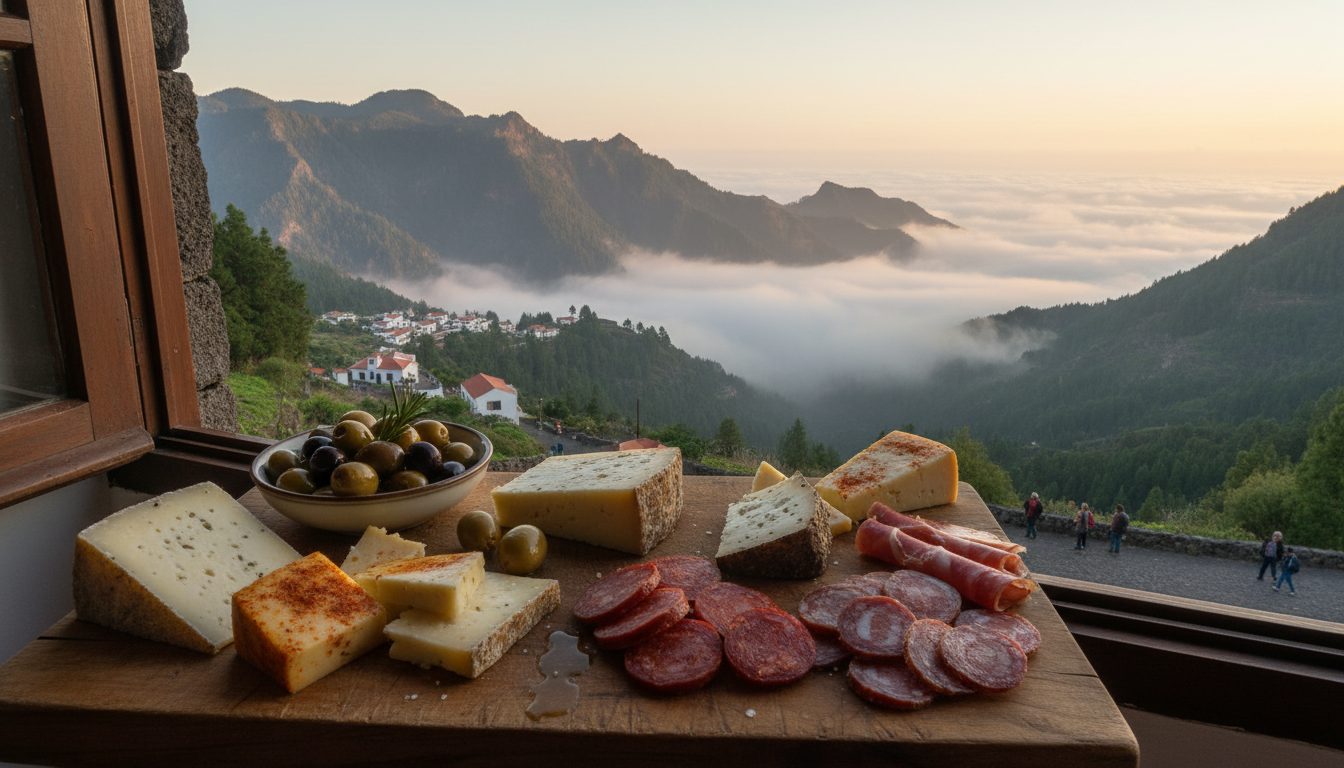
Santa Cruz Food & Wine: Mojo, Volcanic Wines & Gofio
Santa Cruz de Tenerife’s cuisine is Canarian rather than mainland Spanish, built around wrinkled salted potatoes with mojo sauce, gofio toasted grain meal, and fresh Atlantic seafood. The surrounding volcanic hillsides, particularly the Tacoronte-Acentejo wine region, produce distinctive Listán and Malvasía wines rarely seen outside the islands. Markets in the city sell local cheeses, tropical fruit and mojo verde made fresh daily.
First-time visitors to Santa Cruz invariably arrive expecting jamón ibérico, paella and a wine list dominated by Rioja. They find, instead, a cuisine that owes as much to Latin America and North Africa as it does to the Spanish mainland – and a wine region so geologically peculiar that European vine blight never managed to reach it. This is not a failing of the place. It is, rather, the entire point of it, and the sooner the croquetas-seekers recalibrate, the better their trip will go.
Santa Cruz Food and Wine at a Glance
- Signature dish: papas arrugadas with mojo rojo and mojo verde
- Local staple: gofio, a toasted grain meal used in everything from soups to desserts
- Main wine region: Tacoronte-Acentejo DO, in the hills above the city
- Grape varieties: Listán Negro, Listán Blanco, Negramoll, Malvasía
- Best season for seafood: year-round, with peak quality in spring and autumn
- Signature coffee: barraquito, a layered espresso with condensed milk and liqueur
The Cuisine of Santa Cruz: Gofio, Mojo and the Volcanic Larder
Canarian cooking developed in relative isolation, a few hundred kilometres off the coast of Africa and a very long way from the nearest paella pan. The result is a cuisine built on what the islands actually produce: hardy potatoes grown in black volcanic soil, goats that graze on scrubland rather than pasture, and gofio, a toasted meal (traditionally maize or wheat, though barley versions exist) stirred into stews, soups and even ice cream. It is humble food, dressed up by two sauces that locals treat with the seriousness mainland Spaniards reserve for olive oil: mojo rojo, a smoky paprika and garlic sauce, and mojo verde, bright with coriander and green pepper. Nearly every table in Santa Cruz carries both, and ordering only one marks you out immediately as a tourist.
The city itself sits at sea level with a working port, so seafood arrives genuinely fresh rather than flown in for effect. Inland, the volcanic terrain that makes farming look implausible on paper produces some remarkably good vegetables, which is one of those contradictions the Canary Islands seem to specialise in.
Signature Dishes in Santa Cruz
Papas arrugadas – small potatoes boiled in heavily salted water until a white crust forms, then served with mojo – is the dish every visitor is handed within hours of arrival, usually with a slightly proud flourish, as though the host invented it personally. It did not originate as a tourist novelty; it is simply how potatoes are eaten here, and the salt crust is functional rather than decorative, sealing in moisture in a climate that does the vegetable no favours otherwise.
Beyond potatoes, look for rancho canario, a thick stew of chickpeas, pasta and meat that behaves more like a meal than a starter, and puchero canario, a slow-cooked pot of vegetables and meats similar in spirit to a French pot-au-feu, if a French pot-au-feu had ever been introduced to gofio. Fish features heavily – vieja (parrotfish) and cherne (wreckfish) are both local favourites, usually grilled simply and served with mojo rather than drowned in sauce. For dessert, bienmesabe, a ground almond and honey sweet whose name translates roughly as “tastes good to me,” undersells itself rather badly.
Santa Cruz Wine: Volcanic Soils and the Tacoronte-Acentejo DO
Tenerife’s vineyards occupy an odd niche in European winemaking. Because the phylloxera louse that devastated mainland vineyards in the nineteenth century never reached the islands, many vines here grow on their own original rootstock, ungrafted – a genuine rarity in European viticulture. The Tacoronte-Acentejo DO, in the hills north of Santa Cruz, was the first Canarian wine region to receive official designation, and it remains the most accessible from the city for a day trip.
The wines themselves reflect the terrain: volcanic, mineral, occasionally saline, and built around grape varieties that barely exist outside the archipelago. Listán Negro produces light, food-friendly reds with a savoury edge; Listán Blanco and Malvasía give crisp, aromatic whites; Negramoll adds softness to blends. None of these wines behave like their mainland Spanish counterparts, and comparing them to Rioja or Ribera del Duero does them a disservice – they are their own thing entirely, shaped by altitude, ash and salt air rather than oak barrels.
Wine Estates Near Santa Cruz
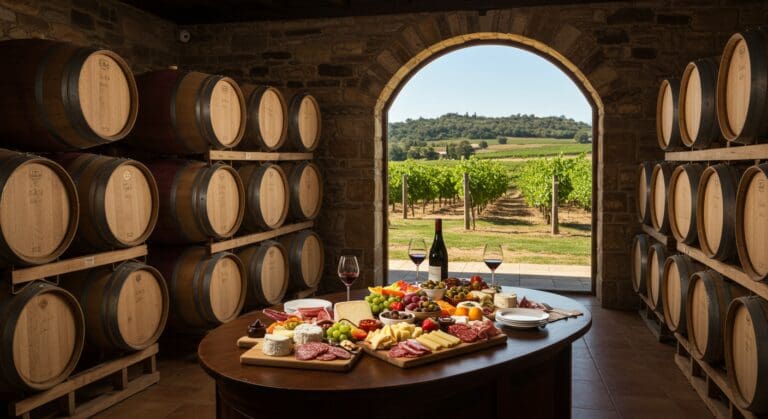
The terraced vineyards climbing the slopes above Santa Cruz are worth the drive even for visitors with only a passing interest in what is in the glass. Many smaller producers in the region welcome visitors for tastings by arrangement, pouring wines grown on vines that in some cases predate the twentieth century. Expect steep terraces rather than the flat rows familiar from mainland wine country, hand-harvesting where machinery simply cannot cope with the gradient, and views back down to the Atlantic that make the tasting feel slightly incidental.
Food Markets in Santa Cruz
The covered central market in the old town remains the best single introduction to Canarian produce, its stalls arranged under a handsome iron and glass roof that has survived rather better than some of the city’s other nineteenth-century ambitions. Here you will find mojo sauces sold by the jar, wheels of local goat cheese, gofio in several grinds, and fruit that genuinely grows on the island rather than arriving by container ship – papayas, custard apples and bananas smaller and sweeter than the imported kind most visitors know.
Smaller neighbourhood markets and weekend farmers’ stalls supplement the main market, particularly useful for anyone self-catering or simply wanting to assemble a picnic rather than commit to a formal lunch. Prices are honest and sellers are generally happy to explain what something is and how to cook it, assuming your Spanish extends beyond “hola” – and if it doesn’t, pointing works perfectly well too.
Cooking Classes in Santa Cruz
Hands-on cooking classes in and around the city typically focus on the fundamentals: making mojo from scratch (harder than it looks, mostly due to achieving the right consistency), preparing papas arrugadas properly, and working with gofio in both savoury and sweet applications. Classes often include a market visit beforehand, which is useful – it is one thing to be handed a recipe card, quite another to understand why the potatoes you are cooking taste different from the ones at home, and the answer usually comes down to volcanic soil and genuinely fresh harvest rather than any particular culinary wizardry.
For visitors keen to understand the wider food culture of the island rather than just the city, pairing a cooking session with the broader Santa Cruz Travel Guide itinerary makes sense, since several classes are based a short drive outside the centre, closer to the agricultural land that actually produces what ends up on the plate.
Seasonal Specialities in Santa Cruz: Seafood, Cheese and Harvest
Seafood in Santa Cruz does not really follow a strict season in the way, say, truffles or asparagus do elsewhere – the Atlantic keeps producing year-round – but spring and autumn tend to bring the best quality and variety, as water temperatures sit in a sweet spot for local species. Goat cheese production, meanwhile, peaks in late spring when herds are grazing on fresh growth after the winter rains, giving the cheese a grassier, more complex flavour than the drier summer batches.
Grape harvest in the Tacoronte-Acentejo region generally runs from August into September, and while formal harvest festivals are modest affairs compared to mainland Spain’s wine country, smaller producers are often more relaxed about visitors wandering through at this time, provided you do not get in the way of the actual picking.
Best Food Experiences in Santa Cruz
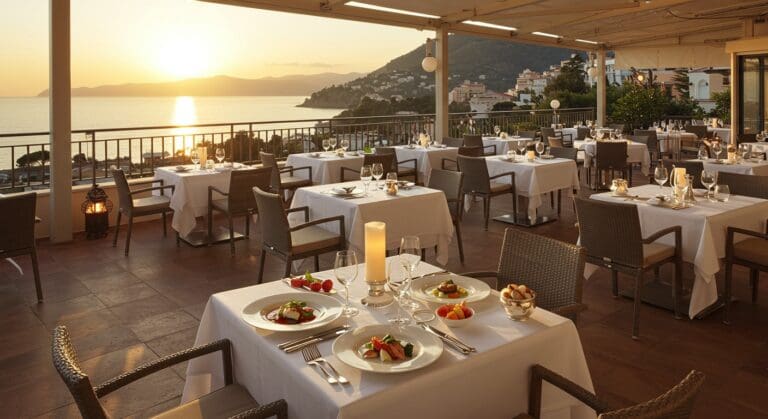
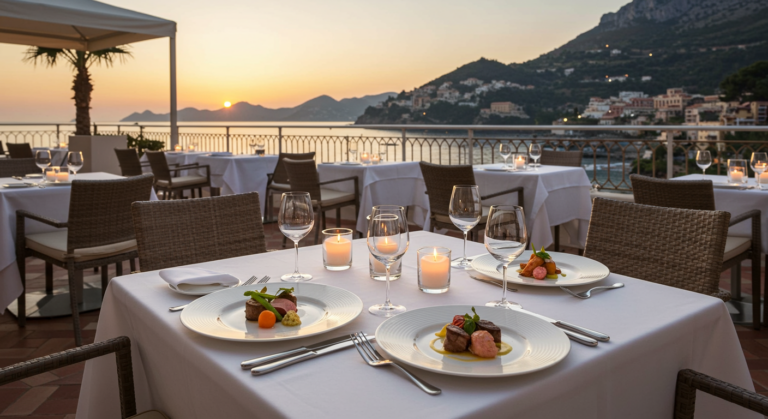
If there is one food experience worth prioritising above all others, it is simply eating slowly and locally rather than chasing the dishes you already know. Start the day with a barraquito – a layered coffee of espresso, condensed milk, regular milk and a splash of liqueur, served in a small glass and genuinely strong enough to reorganise your schedule. Follow it with a market wander, a long seafood lunch somewhere with a sea view rather than a menu in four languages, and an afternoon drive into the hills for a wine tasting that will almost certainly run longer than planned.
None of this requires booking months ahead or chasing reservations. Santa Cruz’s food culture rewards curiosity and a reasonable appetite far more than it rewards planning, which is, if you think about it, rather the point.
For travellers arranging where to stay while exploring the city’s food and wine, there are villas in Santa Cruz.
Santa Cruz Food and Wine FAQs
What is the local sauce served with most dishes in Santa Cruz?
Mojo is the defining condiment of Canarian cooking, with two main versions typically offered together: mojo rojo, a smoky red sauce based on paprika and garlic, and mojo verde, a herbaceous green sauce made with coriander or parsley. Both are served with potatoes, meat and fish rather than reserved for one specific dish.
Are the wines from around Santa Cruz available outside the Canary Islands?
Production from the Tacoronte-Acentejo DO and other Canarian wine regions is relatively small, so distribution beyond Spain is limited, and even within mainland Spain these wines can be hard to find. Tasting locally, at or near the producing estates, remains the most reliable way to try them.
Is Santa Cruz food expensive compared to mainland Spain?
Everyday Canarian food, particularly market produce and simple seafood dishes, is generally reasonably priced, though imported goods and specialist dining can carry a premium due to the islands’ distance from mainland supply chains. Local, seasonal dishes tend to offer the best value.
Where to stay
Villas in Santa Cruz
A selection from our 28 luxury villas in Santa Cruz.