Best Time to Visit Scottish Highlands: Midges, Munros & Red Deer
The best time to visit the Scottish Highlands is late April to June or September to mid-October, when daylight is long, rainfall is comparatively lower and the infamous midge season has either not begun or has already packed up for the year. July and August bring the warmest, driest-on-paper weather but also the thickest crowds, highest prices and peak midge activity. Winter (December to February) offers snow on the high tops, skiing at Cairngorm and a genuine, if unreliable, chance of the Northern Lights, balanced against short days and roads that occasionally close without consultation.
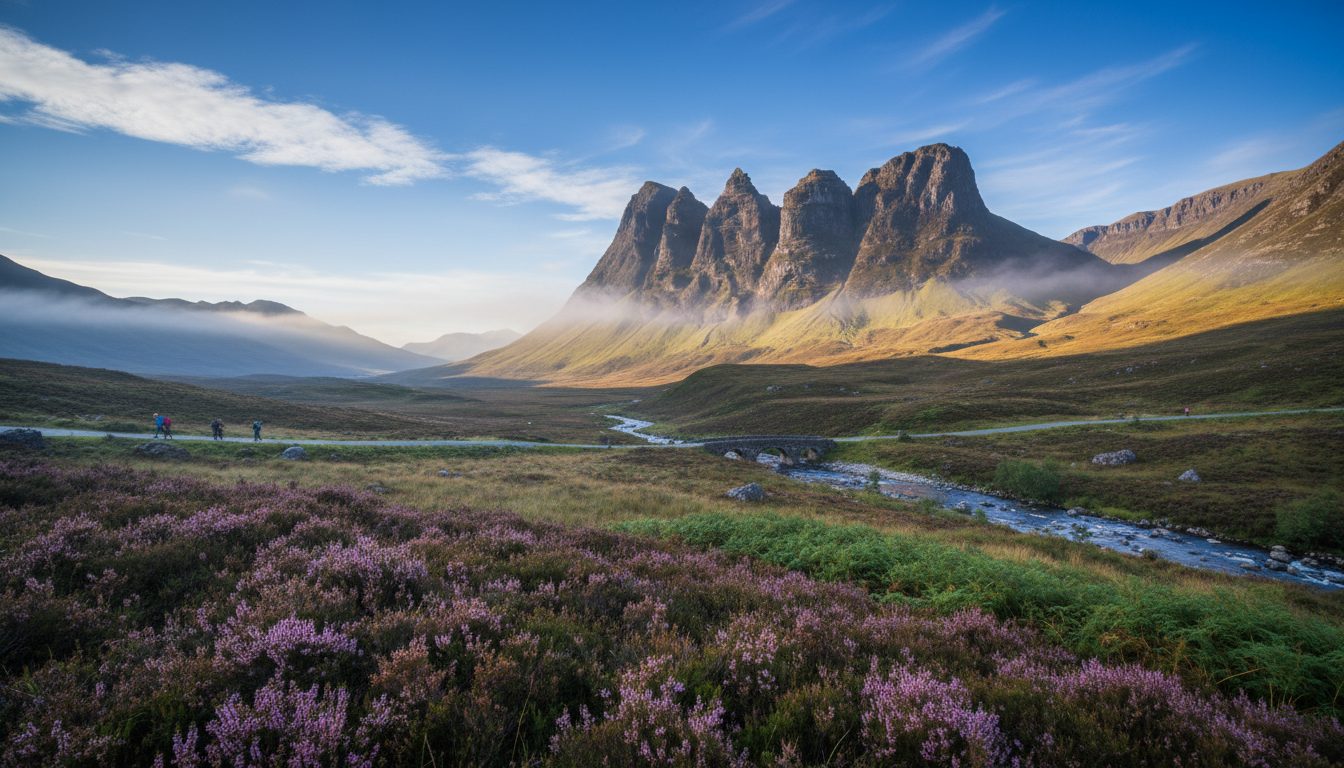
There’s a particular hour on a clear evening in late May – somewhere around nine, when the light has gone gold but refuses to actually leave – when the Highlands stop being merely dramatic and become something closer to theatrical. The lochs turn to hammered pewter, the hills go purple-grey, and a red deer stag will, with impeccable comic timing, wander into view precisely when your camera battery dies. This is a place that does weather the way opera singers do emotion: fully, and without much warning. Which is really the point of this guide. The Highlands don’t really have a bad time to visit – they have different kinds of unpredictable, and knowing which kind you’re signing up for makes all the difference.
Best Time to Visit Scottish Highlands: At a Glance
- Spring (March-May): 5-12°C (41-54°F), lengthening days, lambing season, fewer crowds, before the midges wake up
- Summer (June-August): 13-19°C (55-66°F), nearly 18 hours of daylight in June, peak crowds, peak midges, peak prices
- Autumn (September-November): 7-14°C (45-57°F), red deer rut, heather and turning birches, quieter roads
- Winter (December-February): 0-7°C (32-45°F), snow on the peaks, skiing conditions permitting, short days, Northern Lights possible
Visiting Scottish Highlands in Spring: March to May
Spring arrives in the Highlands with the confidence of someone who isn’t entirely sure they’re invited. March can still feel like winter’s overhang, with snow lingering on the higher Munros and temperatures hovering around 5-9°C (41-48°F). By May, though, things have properly turned: daffodils along the glens, lambs in the fields, daylight stretching toward sixteen hours, and temperatures climbing to a respectable 10-13°C (50-55°F) on a good day.
This is arguably the sweet spot of the Highland calendar. The midges – more on them shortly – are still dormant, the summer coach parties haven’t arrived, and accommodation prices sit well below their August peak. The Spirit of Speyside Whisky Festival takes place in early May, drawing serious enthusiasts to the distilleries around the Spey valley, and it’s a good excuse to time a trip around. Many rural cafes and smaller attractions that shut for winter reopen around Easter, though some hill paths remain boggy or snow-patched into April. Spring suits travellers who want the scenery without the queues, and who don’t mind packing for four seasons in one afternoon – because you will experience all four, often before lunch.
Visiting Scottish Highlands in Summer: June to August
Summer is when the Highlands become genuinely busy, and genuinely bright – June’s long northern daylight, known locally as the “simmer dim,” means it barely gets properly dark at all. Temperatures peak around 15-19°C (59-66°F), occasionally nudging into the low 20s during a heatwave, which the locals treat with the mild suspicion of a stranger who’s turned up uninvited.
This is also midge season, and no honest guide can skip past it: from roughly mid-June through August, these tiny biting insects emerge in their millions, particularly near water and at dawn and dusk on still, damp days. Pack repellent. Pack a head net if you’re serious about it. The payoff is worth the irritation – long walking days, Highland Games taking place in villages throughout August, music festivals along the way, and roads like the North Coast 500 at their most sociable, which is also their most congested. Accommodation books out well in advance and prices climb accordingly. Summer suits families working around school holidays, hikers chasing maximum daylight, and anyone who doesn’t mind sharing a view with a few dozen other people holding the same camera angle.
Visiting Scottish Highlands in Autumn: September to November
If pressed to pick a favourite, many who know the Highlands well would quietly say autumn. September brings warm days, cooling nights, and the tail end of the midge season finally winding down – the first proper frost is a mercy in more ways than one. Heather still clings to purple through early September before fading, birches turn gold through October, and temperatures settle around 7-14°C (45-57°F).
The red deer rut runs roughly late September into October, when stags roar across the glens to assert dominance over harems they’ll likely lose interest in defending by November – nature’s own soap opera, played out across open hillside at dawn and dusk. Crowds thin noticeably after September, prices drop from summer highs, and the famous single-track roads become passable again without a convoy of camper vans. By November, daylight shortens fast and some seasonal attractions begin closing for winter, but the landscape takes on a moody, cinematic quality that suits photographers and those who prefer their scenery without an audience.
Visiting Scottish Highlands in Winter: December to February
Winter divides opinion sharply, which is probably fair given how much it divides the daylight – December offers barely seven hours of it, with sunset sometimes before 4pm. Temperatures sit between 0-7°C (32-45°F) at lower levels, colder and snowier in the mountains, where skiing becomes possible at Cairngorm Mountain when conditions allow (they don’t always; Scottish snow is a notoriously unreliable business partner).
This is the Highlands at their most elemental: frozen lochs, snow-capped peaks, log fires in village pubs, and on a clear, dark night away from towns, a genuine chance of seeing the Northern Lights dance overhead. Hogmanay brings a flicker of celebration to Highland towns, though nothing on the scale of Edinburgh’s. Many rural attractions, smaller museums and seasonal cafes reduce hours or close entirely between November and March, and mountain passes like the A9 and routes through the Cairngorms occasionally close after heavy snow, so flexibility matters more than usual. Winter suits travellers chasing drama over comfort, photographers after dramatic light, and anyone who finds the idea of having an entire glen to themselves more appealing than having wifi.
Scottish Highlands Shoulder Season: Why It’s Worth Considering
Late April to early June, and again September into early October, represent the Highlands’ shoulder seasons – and they do a lot of quiet work. Prices for accommodation and car hire sit noticeably below summer rates, popular sites like Glen Coe or the Isle of Skye’s coastal viewpoints are navigable without the summer scrum, and the weather, while never guaranteed (nowhere in Scotland offers guarantees), tends to bring clearer, more settled stretches than people expect. Midges are either not yet active or have largely retreated, which alone makes a strong case for travelling in these windows. For anyone planning a trip around the main Scottish Highlands Travel Guide, the shoulder months offer the best ratio of good conditions to manageable crowds – the Highlands showing off without quite realising anyone’s watching.
Scottish Highlands Off-Season: The Case for Winter Travel
There’s a reasonable argument that winter is when the Highlands feel most like themselves – less performed for visitors, more simply existing. Roads are quiet, lochside villages return to their working rhythm, and the lower light angles cast long shadows across hills that look almost sculpted. It isn’t comfortable in the conventional sense: days are short, weather turns quickly, and some facilities close their doors until spring. But for travellers willing to pack properly and plan flexibly, winter offers something the busier months can’t – genuine solitude, snow on real mountains rather than postcard ones, and skies dark enough, on the right night, to catch the aurora without a crowd forming around you to watch it too.
For those weighing up when to go and where to base themselves, villas in Scottish Highlands are worth considering whatever season you choose.
Scottish Highlands Weather and Seasons FAQs
When do midges stop being a problem in the Scottish Highlands?
Midges are generally active from mid-May through to mid-September, with the worst activity in July and August. The first proper autumn frost usually ends the season, which is one reason September and October are popular with visitors who want the scenery without the insects.
Is it possible to see the Northern Lights in the Scottish Highlands?
Yes, though it’s never guaranteed. The best chances fall between September and March on clear, dark nights away from town lighting, particularly in the far north and northwest. Checking aurora forecasts and finding a spot with an unobstructed northern horizon improves the odds considerably.
Do mountain roads in the Scottish Highlands close in winter?
Some higher routes, including sections of the A9 and roads through the Cairngorms, can close temporarily after heavy snowfall. Closures are usually short-lived but worth checking before setting out between November and March, and winter tyres or chains are sensible precautions in the hills.
Keep reading
More on Scottish Highlands
- Travel guideScottish Highlands Travel Guide
- RestaurantsBest Restaurants in Scottish Highlands
- Food & wineScottish Highlands Food & Wine
- FamiliesScottish Highlands with Kids
Guides nearby in Scotland
Where to stay
Villas in Scottish Highlands
A selection from our 87 luxury villas in Scottish Highlands.
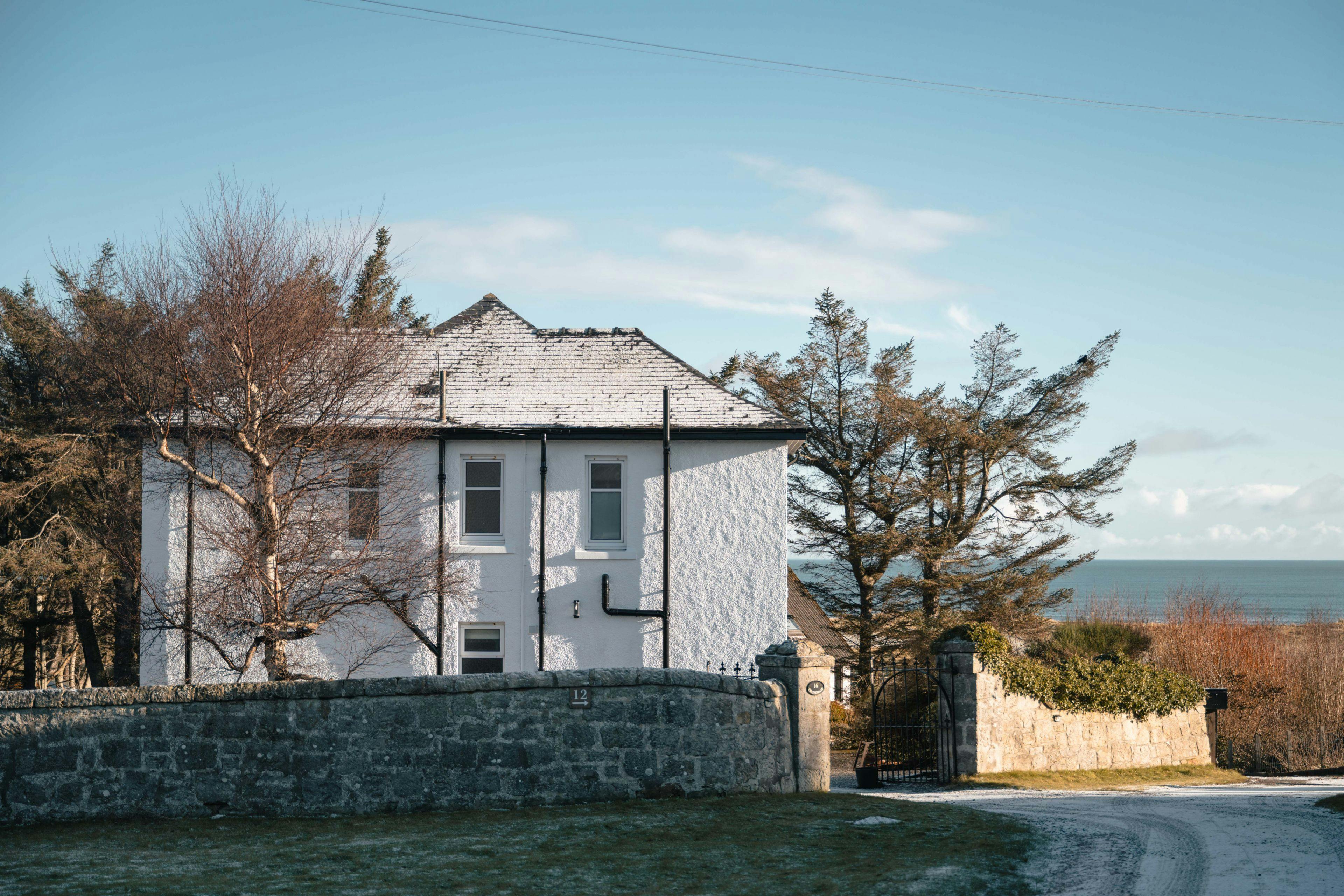 House Helm Caithness Highland
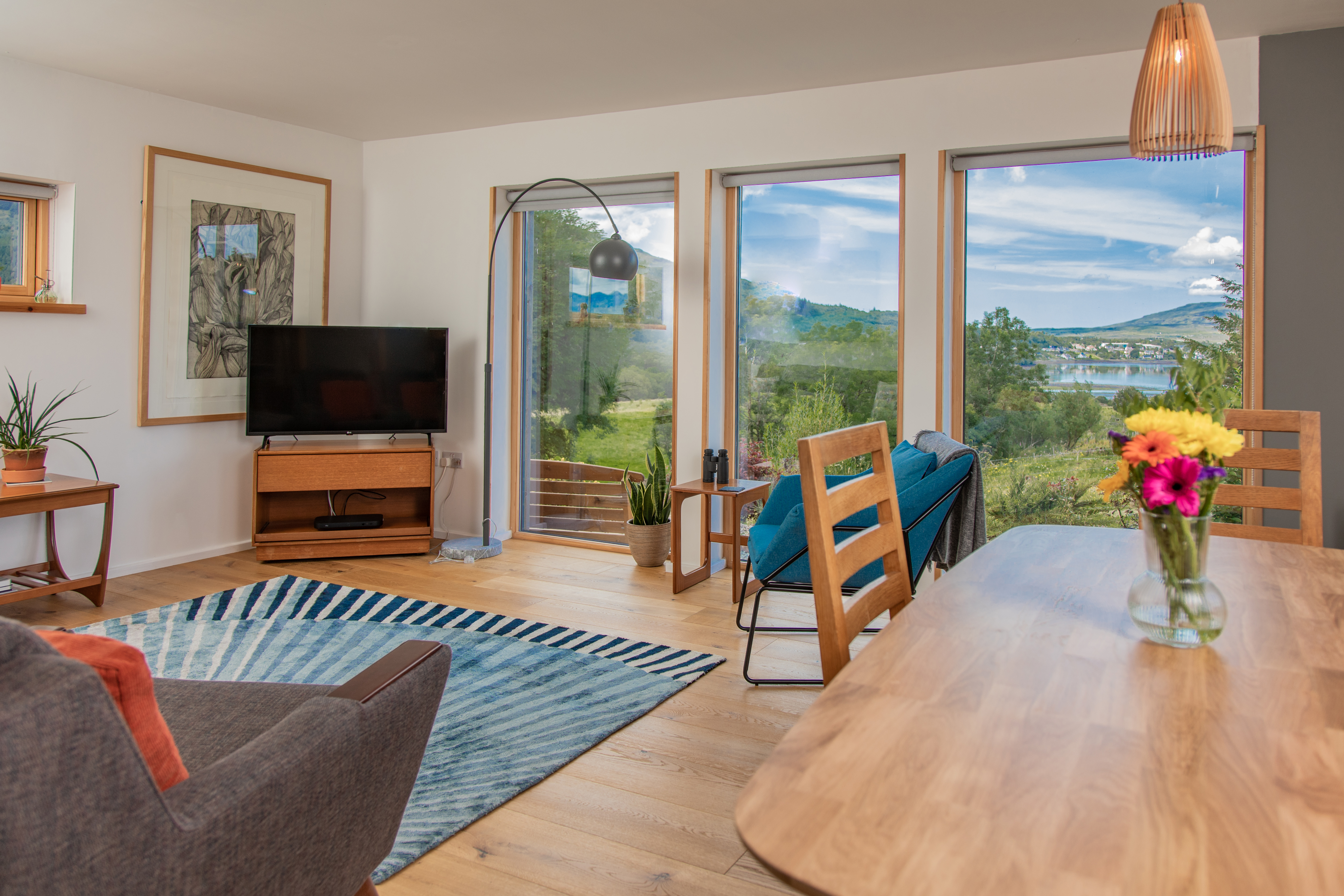 House Cuillin Highland
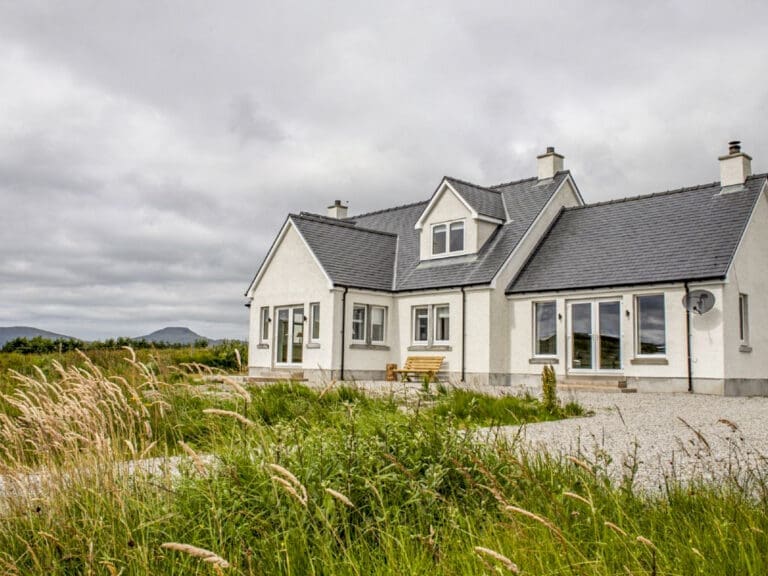 Balmeanach Hideaway United Kingdom
 Durness Lodge United Kingdom
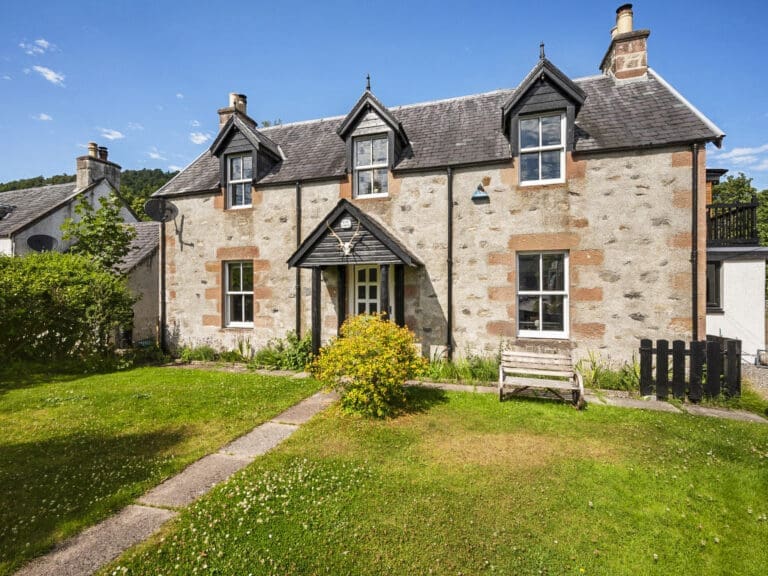 Enrick House United Kingdom
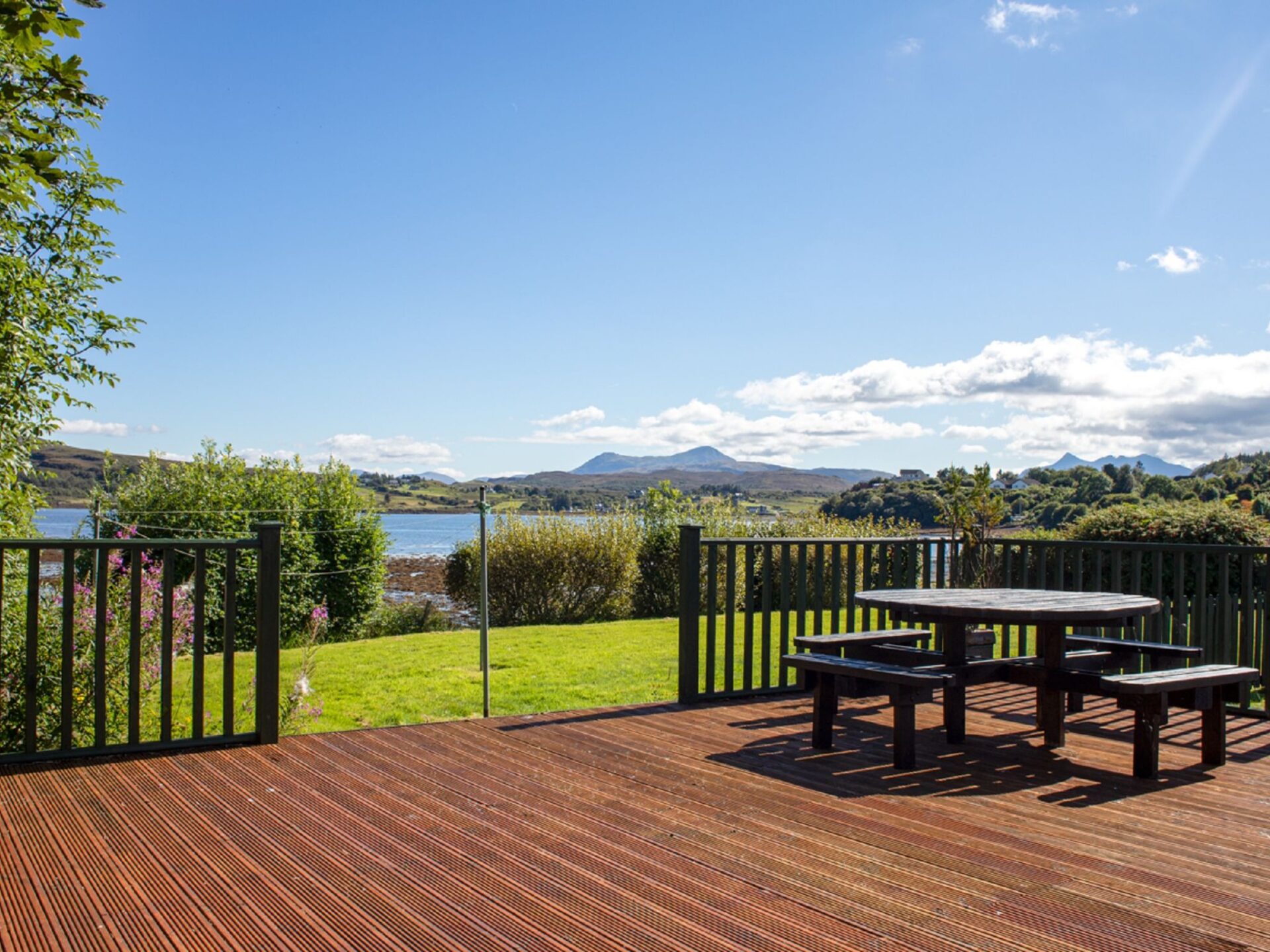 House Cuillin Skye
See all 87 villas in Scottish HighlandsVillas across Scotland