Sesimbra Food & Wine: Swordfish, Moscatel & the Arrábida Harvest
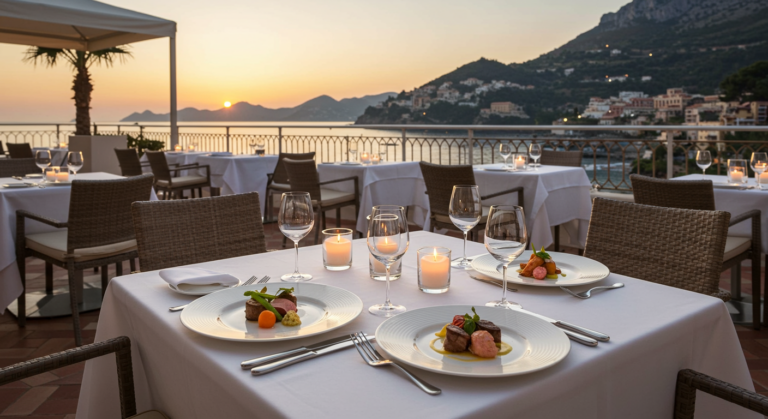
Sesimbra’s food culture centres on freshly landed seafood, particularly swordfish and barnacles, served simply in harbourside restaurants. The surrounding Setúbal Peninsula produces Moscatel de Setúbal and Palmela wines, plus Azeitão cheese and Arrábida olive oil, all of which appear regularly on local menus.
What does a fishing town do with a fish it didn’t invent a name for until the Portuguese needed one? In Sesimbra’s case, it grills it, salts it, stews it, and occasionally argues with the neighbouring town about who cooks it best. The question worth asking before you book a table here isn’t whether the food is good – it plainly is – but what, exactly, you should be ordering, and why half of it seems to come from a town twenty minutes inland that nobody mentions in the brochures. This guide answers both.
Sesimbra Food and Wine at a Glance
- Signature dish: peixe-espada (swordfish), grilled or in stews
- Prized local catch: percebes (goose barnacles), harvested from the rocky coastline
- Regional wine: Moscatel de Setúbal and Palmela reds, from the wider Setúbal Peninsula
- Notable cheese: Queijo de Azeitão, a soft sheep’s milk cheese from the nearby hills
- Best season for seafood: year-round, though barnacle season runs through the colder months
- Best season for wine visits: September harvest, though cellars are open year-round
Sesimbra Cuisine: A Fishing Town That Never Pretended Otherwise
Sesimbra’s kitchens take their cue from the harbour, not from any passing culinary trend, and the menus have barely needed revising in decades. This is a place where the daily catch dictates the day’s specials rather than the other way round, and where a restaurant’s reputation rests on how quickly the fish went from boat to grill rather than on plating. The cooking style is unfussy: good olive oil, sea salt, lemon, and heat. Garlic and coriander turn up often, as they do across much of coastal Portugal, but the Arrábida hills behind the town also lend a slightly different character to the food here – a touch more game, more cheese, more orchard fruit than you’d find in purely maritime towns further south. It is, in short, a cuisine shaped by two landscapes rather than one, and that duality is worth noticing as you eat your way through it.
Signature Dishes in Sesimbra
The dish most associated with Sesimbra is peixe-espada, black scabbardfish, usually grilled whole or filleted and pan-fried with a simple squeeze of lemon. Don’t confuse it with the version served in Madeira, which is a different fish entirely and a different argument you don’t need to have at the table. Caldeirada, a mixed fish and shellfish stew built on tomato, onion and potato, is the other constant, and a good version will arrive looking slightly chaotic and taste considerably better than it looks.
Arroz de marisco, a loose, saucy seafood rice, is another local staple, best eaten slowly and without too much concern for your shirt. Away from the water, expect pork dishes influenced by the Alentejo just to the south, and cheese boards built around the soft, slightly tangy Queijo de Azeitão, which is produced using thistle rather than animal rennet – a detail that occasionally surprises vegetarians who assumed all cheese was off-limits.
Sesimbra Seafood: Swordfish, Barnacles and the Daily Catch
The working harbour at Sesimbra still lands a genuine daily catch, and the town’s relationship with the sea is less a marketing line than an economic fact. Alongside swordfish, look out for percebes – goose barnacles pried from the wave-battered rocks along this stretch of coast, a job dangerous enough that the people who do it are paid properly for the privilege, and a delicacy expensive enough that you’ll understand why once you taste them. They’re served simply, steamed, and eaten by hand; etiquette is minimal, mess is expected.
Octopus, cuttlefish and sardines round out the seafood roster, with sardines at their best – and cheapest – during the summer grilling season, when the smell of charcoal drifts along the waterfront most evenings. If you only eat one seafood meal in Sesimbra, make it something grilled whole and unadorned; the quality of the fish does the talking, and any chef worth their salt here knows better than to interrupt it.
Sesimbra Wine: Moscatel, Palmela and the Arrábida Vineyards
Sesimbra itself isn’t a wine-producing town, but it sits within easy reach of one of Portugal’s more quietly distinguished wine regions, the Setúbal Peninsula. The signature product here is Moscatel de Setúbal, a fortified dessert wine made predominantly from the Moscatel grape and aged for years in wood – rich, raisined, and far more complex than its sweetness might suggest. It’s traditionally served at the end of a meal, though plenty of locals will happily argue for drinking it alongside a strong cheese instead.
Red wines from Palmela, built on the Castelão grape, offer something firmer and more savoury, well suited to the region’s grilled meats and stews. The Arrábida hills also produce increasingly well-regarded whites, grown on limestone slopes that catch the Atlantic breeze – cooler, crisper wines than the peninsula’s reputation for heavy dessert wine might lead you to expect.
Wine Estates Near Sesimbra
The vineyards and historic wine houses of this region cluster mainly around the Azeitão area, a short drive inland from Sesimbra and well worth the detour. Several of these estates have been producing Moscatel and Palmela wines for generations, with cellars that double as small museums of the region’s winemaking history – vast old wooden vats, cool stone corridors, and the particular smell of fortified wine ageing slowly in the dark. Most offer tastings and cellar tours, generally by appointment, and pairing sessions with local cheese and charcuterie are common. It’s a pleasant half-day trip from Sesimbra, and one that rounds out a seafood-heavy few days with something altogether more terrestrial. For the full context on getting around the wider area, the Sesimbra Travel Guide covers transport options between the coast and the inland villages.
Sesimbra Food Markets
The daily fish market near Sesimbra’s harbour is the town’s beating culinary heart, and arriving early is non-negotiable if you want to see it at its best – boats in, crates unloaded, auctioneers calling out prices at a speed that sounds more like weather forecasting than commerce. Even if you’ve no kitchen to cook in, it’s worth wandering through for the spectacle alone: gleaming swordfish laid out in rows, barnacles still wet from the rocks, and vendors who have clearly heard every tourist joke about the fish’s teeth and are no longer amused by any of them.
Weekly produce markets elsewhere in the municipality supplement the fish stalls with fruit, cheese and olive oil from the surrounding hills, and are a far better gauge of what’s actually in season than any menu will tell you.
Cooking Classes in Sesimbra
Hands-on cooking experiences in and around Sesimbra tend to focus, unsurprisingly, on seafood – grilling technique, stew-building, and the particular patience required to clean a cuttlefish without losing the will to live. Classes are typically small, informal affairs run from private kitchens or small culinary schools in the area, often starting with a market visit so you can select your own fish before cooking it. For those venturing into Azeitão, some wine estates pair cellar visits with cooking or cheese-making demonstrations, which makes for a satisfying full-day combination of hands-on learning and, frankly, lunch.
Seasonal Food in Sesimbra: Barnacles, Olive Oil and the Autumn Harvest
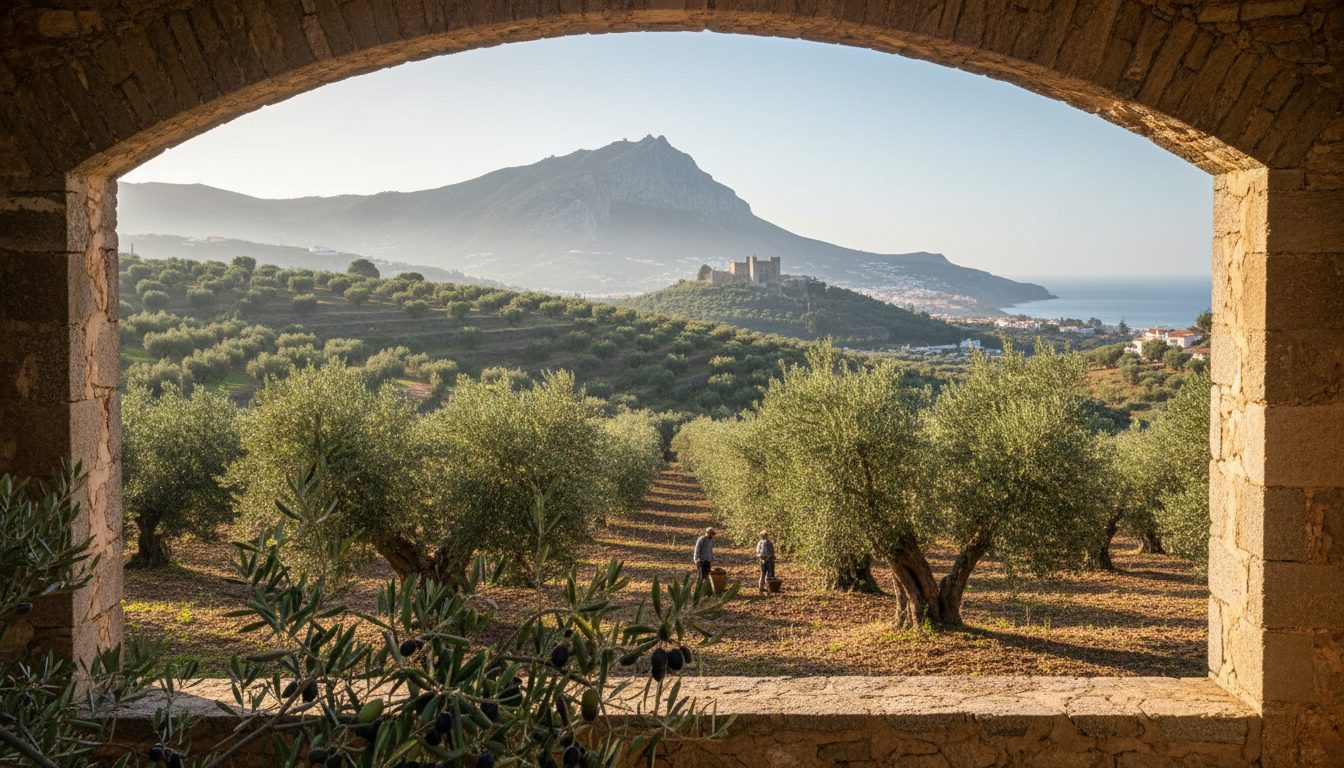
Seafood here runs year-round, but percebes season peaks through the colder, rougher months, when the Atlantic swell that makes harvesting them dangerous also makes them taste better – nobody can quite explain why, but the locals insist it’s true. Summer brings sardines and long evenings of grilled fish. Olive oil production in the Arrábida hills follows the usual Mediterranean calendar, with harvest and pressing through late autumn producing the peppery, green-tasting new oil that restaurants are quick to boast about once it’s ready. Truffles are not a genuine Sesimbra speciality and you shouldn’t expect to find them on local menus with any regularity – if a restaurant is making a great deal of noise about truffle dishes, it’s worth asking where the truffle actually came from.
Best Food Experiences in Sesimbra
If time is short, prioritise three things: a grilled fish lunch eaten within sight of the harbour, a visit to the fish market before the morning crowds arrive, and an afternoon spent in Azeitão tasting Moscatel in a cool stone cellar. Add a barnacle-eating session if you’re willing to get your hands sticky and your confidence briefly tested, and finish, as the locals do, with a glass of fortified wine and a wedge of Azeitão cheese. None of it requires much planning. Most of it requires only an appetite and a willingness to eat things that still look faintly like the animal they came from.
Anyone planning where to base themselves for all this eating and drinking can find villas in Sesimbra.
Sesimbra Food and Wine FAQs
What is the most famous dish in Sesimbra?
Peixe-espada, grilled black scabbardfish, is the dish most closely associated with Sesimbra, alongside caldeirada, a mixed seafood stew served widely along the town’s harbour front.
Is Sesimbra good for seafood lovers?
Yes. Sesimbra has a working fishing harbour with a daily catch, and restaurants along the waterfront serve freshly landed fish, barnacles and shellfish with little fuss beyond olive oil, salt and lemon.
Where can I taste local wine near Sesimbra?
The nearby Azeitão area, part of the Setúbal Peninsula wine region, is home to historic cellars producing Moscatel de Setúbal and Palmela wines, most offering tastings and tours a short drive from Sesimbra.
Keep reading
More on Sesimbra
Guides to places in Sesimbra
Where to stay
Villas in Sesimbra
A selection from our 48 luxury villas in Sesimbra.