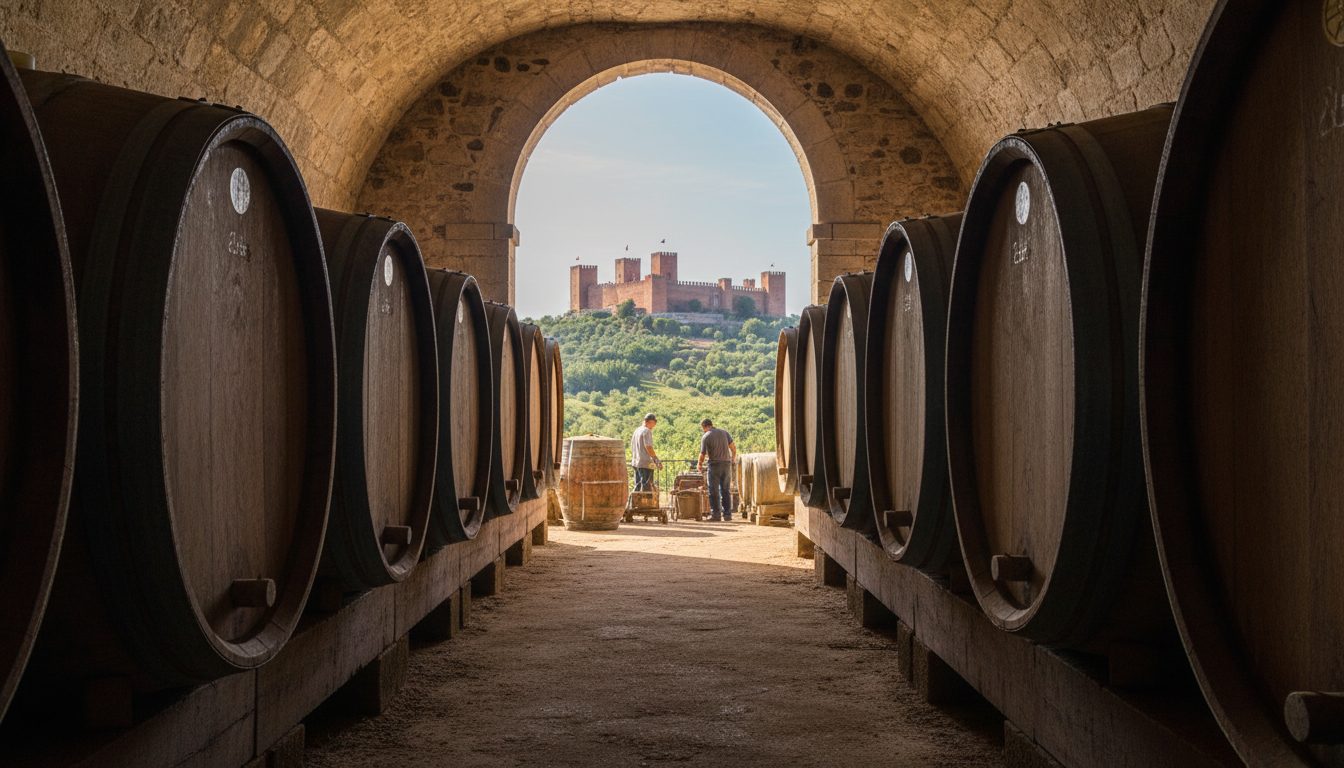
Silves Food & Wine: Oranges, Cataplana & Hillside Wine Estates
Silves pairs Moorish-influenced Algarve cooking – cataplana seafood stew, piri-piri chicken and almond sweets – with wines from the Lagoa sub-region of the Algarve DOC, grown on the sandstone slopes around the old Moorish capital. The weekly municipal market and several family-run wine estates on the edge of town offer tastings, and the citrus groves nearby supply the oranges the region has shipped out since the 19th century. A morning at the market followed by an afternoon tasting covers most of what matters here.
Come to Silves in February and the whole valley smells faintly of orange blossom, a sweetness that drifts up from the groves along the Arade river and settles over the old town for a few short weeks before the heat arrives and knocks it back. It’s a good time to eat, frankly, because everyone else is still thinking about where to find a beach, and the market stalls are stacked with the first of the season’s oranges, the last of the winter greens, and whatever the fishermen hauled in from Portimão that morning. Silves has never been a culinary destination in the self-conscious sense – there’s no tasting menu with foam, no sommelier reciting tannin structures at you – but it has something better: food that still has a direct line back to the land and water it came from.
Silves Cuisine: Moorish Roots and Algarve Flavours
Silves was Xelb under the Moors, a walled capital of some consequence, and the kitchen here still carries that inheritance more plainly than most of Portugal. Almonds, figs, citrus and a generous hand with spice all arrived or expanded under Moorish rule, and they never really left. What sets Algarve cooking apart from the rest of the country is partly this – and partly fresh coriander, used with a liberality that would raise eyebrows in Lisbon or Porto, where the herb barely gets a look-in. Garlic, olive oil and good bread do the rest of the heavy lifting.
The region sits at the junction of two larders: the Atlantic on one side, supplying clams, cuttlefish and sardines, and the inland hills on the other, producing almonds, carob, figs and the wild herbs that flavour a good bean stew. Silves itself, a little inland from the coast resorts, leans slightly more toward the second – you’ll find it easier to get a proper bean or pork dish here than in the beach towns, where the menus tend to assume everyone just wants grilled fish and chips. Nothing wrong with grilled fish, but there’s more going on if you look.
Signature Dishes in Silves: Cataplana, Piri-Piri and River Fish
Cataplana is the dish most visitors leave talking about – clams, prawns, chouriço and white fish steamed together in a hinged copper pan shaped like a clamshell, the lid sealing in everything that matters. It’s theatre as much as food: the pan arrives at the table still closed, and someone opens it with a flourish that never quite loses its appeal, however many times you’ve seen it. Variations run from the straightforwardly seafood-led to versions with pork and clams, a combination that sounds odd on paper and works rather better than it should.
Piri-piri chicken, grilled over coals and basted in the region’s fiery, garlicky marinade, is an Algarve institution rather than strictly a Silves one, but you’ll eat it here regardless, and it’s worth doing properly at a roadside grill rather than a resort restaurant that’s toned it down for sensitive palates. Freshwater and estuary produce from the Arade – clams, oysters, eels in season – turn up on menus closer to the river, alongside the usual Algarve seafood rice, arroz de marisco, which is essentially a looser, soupier cousin of cataplana and just as good for mopping with bread. For pudding, the Moorish-era almond sweets – marzipan shaped into fruit, the custard-and-almond confection known as Dom Rodrigo – are sweeter than most modern palates expect, and all the better for it.
Silves Wine: Local Producers and What’s in the Glass
Silves falls within the Lagoa sub-region of the DOC Algarve, one of four such zones along the coast, and the area has quietly been rewriting its own reputation. For decades Algarve wine was treated as a holiday afterthought – something cold and forgettable to go with the fish – and plenty of bulk production still fits that description. But a newer generation of growers has been planting international varieties such as Syrah and Touriga Nacional alongside the traditional Negra Mole grape, a thin-skinned red that produces light, fruity wines with barely more backbone than a rosé, and all the more drinkable for a hot evening because of it.
The sandy, iron-rich soils around Silves and the long, dry growing season push sugar levels up fast, which historically made for alcoholic, flat wines; modern winemaking has learned to manage that heat rather than surrender to it, and the better whites and rosés produced locally now have genuine freshness. If you want something stronger, look for medronho, the fiery clear spirit distilled from arbutus berries in the Monchique hills just north of Silves – traditionally made in illegal backyard stills, now increasingly legal, still capable of putting hair on your chest.
Wine Estates Near Silves: Where to Taste
A handful of family-run estates on the hillsides around Silves open their doors for tastings, usually by appointment rather than casual walk-in, and the better ones combine a short vineyard walk with a seated tasting overlooking the vines – a pleasant way to spend an afternoon that doesn’t involve a beach towel. Expect small-scale, personal operations rather than grand chateaux: a winemaker who knows every row by name, a tasting room that might double as the family kitchen, and wines you genuinely can’t buy at home. Some estates pair tastings with a light lunch of local cheese, bread and olives, which is really the only sensible way to drink mid-afternoon wine without regretting it by evening.
Booking ahead is strongly recommended, partly because many estates are small enough that an unannounced coachload would overwhelm them, and partly because the best tastings tend to come with a proper conversation rather than a tick-box pour. If you’re planning a full day of this, it’s worth checking which estates offer transport or a driver, since Algarve wine has more punch than its reputation suggests.
Silves Food Markets: Oranges, Olives and Early Mornings
The municipal market in Silves is the place to understand what the region actually eats, as opposed to what gets served up for tourists. Mornings are best – stallholders set out boxes of oranges still damp from the grove, olives cured a dozen different ways, cheeses from inland sheep and goat herds, honey, dried figs, and whatever fish came in overnight. It’s unhurried in a way that larger Algarve markets aren’t, and you’ll do better haggling-wise if you’re buying a kilo of oranges rather than a single souvenir magnet shaped like a sardine.
Beyond the main market, smaller weekly stalls and farm-gate sales pop up around the municipality, particularly during citrus season, when roadside stands selling bags of oranges for next to nothing appear along the lanes outside town. These are worth stopping for even if you have nowhere to put a ten-kilo bag of oranges – the fruit tends to be better than anything shipped abroad, since it’s picked properly ripe rather than for the rigours of transport.
Cooking Classes in Silves
Several small operators around Silves run half-day cooking classes, usually built around a market visit followed by hands-on preparation of a cataplana or seafood rice, often finishing with lunch and a glass of local wine as reward for your labour. These are a good option if you want to understand the food rather than simply eat it – watching someone layer clams, chouriço and peppers into a cataplana pan tells you more about Algarve cooking than any menu description ever will.
Classes tend to run in small groups, in a farmhouse kitchen or courtyard rather than a sterile demonstration room, and most are happy to adapt for dietary requirements if you ask in advance. It’s worth booking a few days ahead in high season, since the better teachers keep numbers deliberately small – which rather defeats the point if you turn up expecting a crowd.
Seasonal Specialities in Silves: Oranges, Almonds and Seafood
Orange blossom scents the air from late January into March, with the harvest itself running into April – Silves has been known for citrus since at least the 19th century, when its oranges were shipped out through the port at Portimão. Almond blossom arrives earlier still, usually January, turning the inland hills white for a fortnight before the trees quietly get on with the business of producing the nuts that end up in local sweets come late summer. Figs follow in August, carob a little later.
On the coast and along the Arade estuary, sardine season runs through the summer months, when grilled sardine festivals are a fixture of Algarve social life – smoky, simple, and best eaten with your fingers and a lot of bread. Clams and oysters from the estuary are good year-round but at their best in the cooler months, which is also, not coincidentally, when the wine estates have more time to sit down and talk you through a tasting.
Best Food Experiences in Silves
If you only manage one food-focused day in Silves, make it this: a slow morning at the market with coffee and a custard tart, a drive out to a hillside wine estate for a tasting and light lunch, and dinner back in town over a cataplana shared properly between at least two people, because eating one alone feels faintly tragic. Add an orange blossom walk if you’re here in late winter, and a cooking class if you have an extra afternoon to spare. For more on the town itself, its castle and its history, the Silves Travel Guide covers the wider picture.
None of this requires much planning or expense – that’s rather the point. Silves food and wine rewards unhurried curiosity more than careful research, and the best meals here tend to be the ones you weren’t specifically looking for.
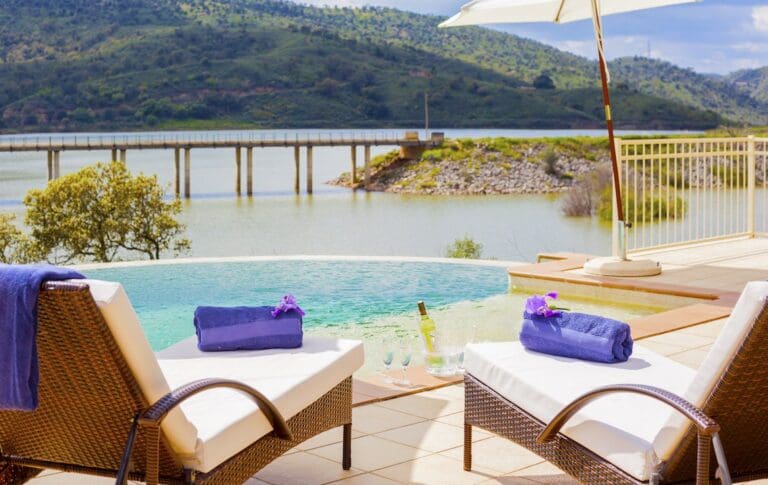
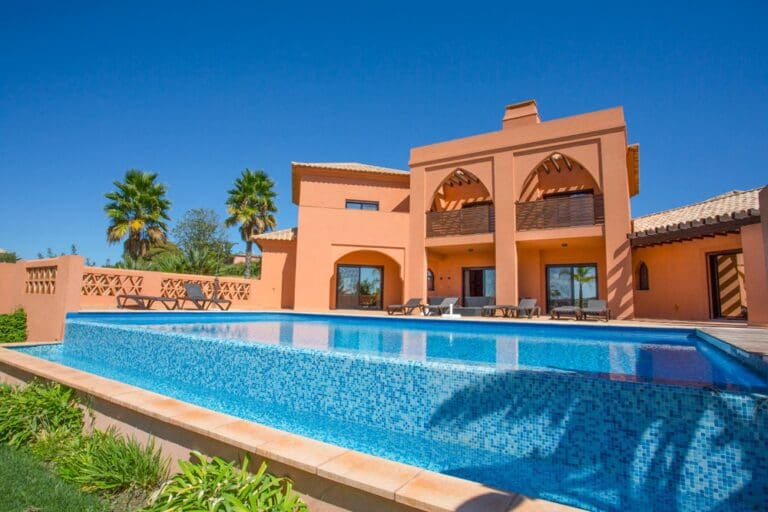
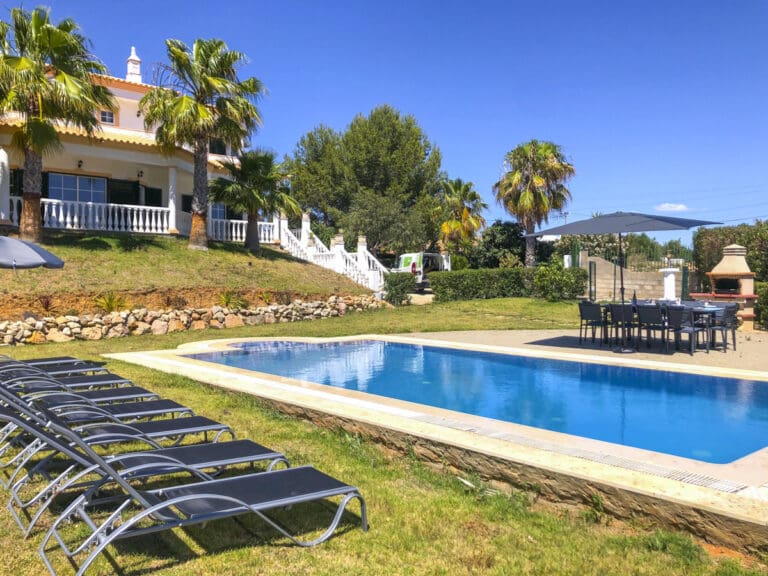
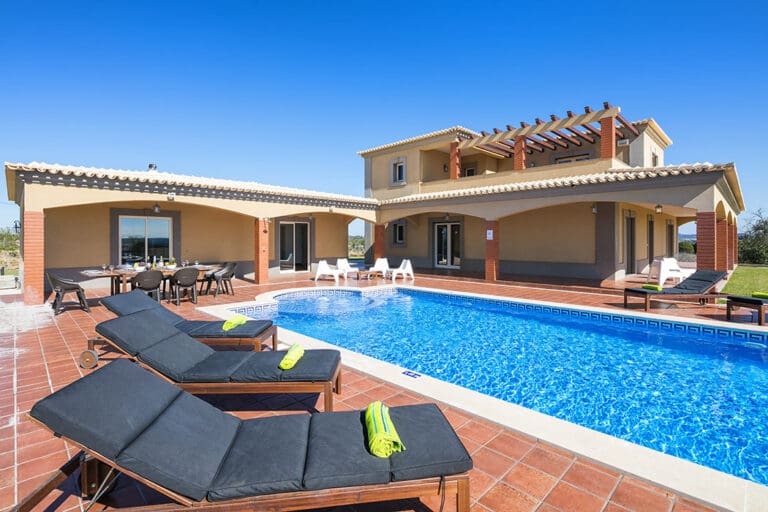
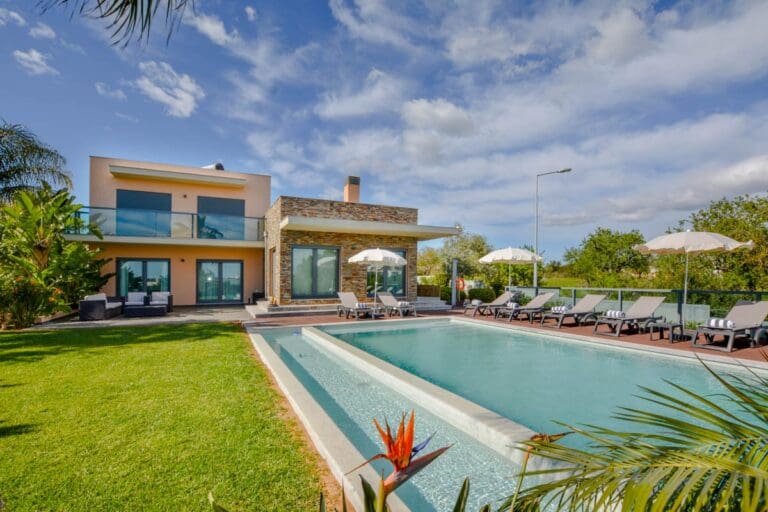
If you’re planning where to base yourself for all this, there are villas in Silves within easy reach of the market, the river and the surrounding wine estates.
Silves Food and Wine FAQs
What is the signature dish of Silves and the Algarve?
Cataplana – a mix of clams, prawns, chouriço and white fish steamed in a sealed copper pan – is the dish most associated with the region, alongside piri-piri grilled chicken and Algarve-style seafood rice.
What wine region does Silves belong to?
Silves sits within the Lagoa sub-region of the DOC Algarve, one of four designated wine zones along Portugal’s southern coast, producing reds, whites and rosés from both traditional and international grape varieties.
When is orange season in Silves?
Orange blossom typically appears from late January to March, with the fruit harvest running through into April, making late winter and early spring the best time to see and taste the region’s citrus.
Keep reading
More on Silves
Guides to places in Silves
Where to stay
Villas in Silves
A selection from our 46 luxury villas in Silves.