Best Time to Visit Snowmass: Powder, Rodeo Nights & Summer Hikes
The best time to visit Snowmass depends on what you want from the mountain: January through March offers the most reliable snow for skiing, while June through September brings warm days, wildflower meadows and far smaller crowds. Christmas week and Presidents’ Day week in February are the busiest and most expensive periods, while January (outside the holidays) and April offer good value with fewer queues.
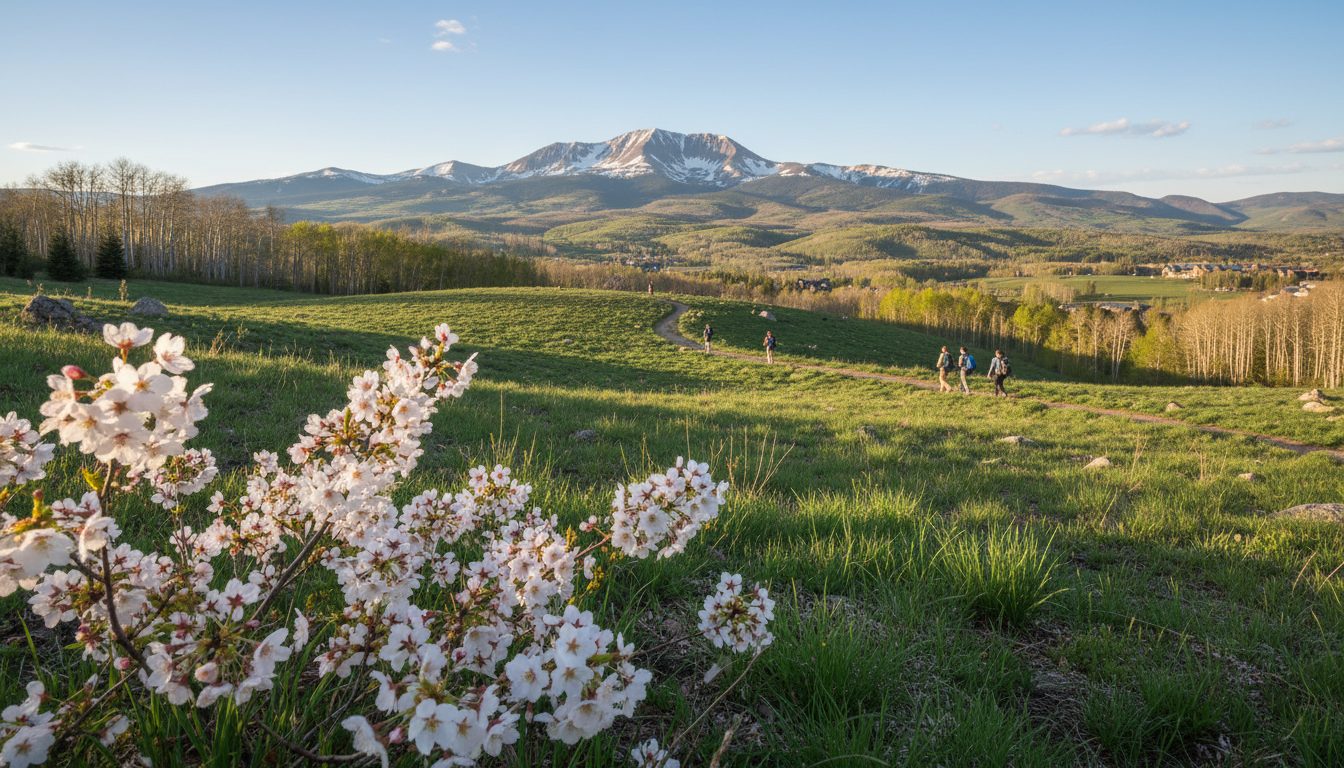
Here is a confession: I went to Snowmass expecting a ski town and left thinking of it, oddly, as a hiking town that happens to have snow for four months of the year. This is not a popular opinion among the people queuing for the gondola at 8.45am in January, admittedly, but spend a July afternoon on the Rim Trail with nobody but a marmot for company and you will understand the contradiction. Snowmass does two very different jobs extremely well, and when you visit decides which version of the place you get.
This guide breaks the year down season by season – snow conditions, temperatures, prices, the works – so you can work out which Snowmass suits you. For the bigger picture on the village itself, the Snowmass Travel Guide covers the basics of getting there and getting around.
Best Time to Visit Snowmass at a Glance
- Best for reliable powder: January and February
- Best value ski weeks: early January (post-New Year) and March, outside spring break
- Busiest and most expensive: Christmas to New Year, Presidents’ Day week (mid-February)
- Best for spring skiing: late March into early April – warmer, sunnier, cheaper
- Best for hiking and biking: late June through September
- Quietest of all: mid-April to late May, and October (both “mud season” – much is closed)
Snowmass Weather by Month: Winter
Snowmass sits at around 2,473 metres (8,117 feet) at the base, climbing to over 3,800 metres (12,500 feet) at the top of Elk Camp and Hanging Valley, which means it holds snow properly rather than the half-hearted dusting some lower resorts make do with. The ski season generally runs from late November to mid-April, though exact dates shift with conditions each year.
December in Snowmass
Early December can be patchy – the lifts are turning but not every run is open, and savvy skiers wait a week or two before committing. By Christmas, the Big Burn and most of the mountain’s 94 named trails are typically open, and snowfall is reliable. Daytime temperatures hover around -4°C to 2°C (25°F to 35°F), dropping sharply after dark. Christmas week through New Year is, without exaggeration, the busiest and priciest fortnight of the year – book lift tickets and dinner reservations well ahead, or simply accept you’ll be queuing with everyone else’s extended family.
January in Snowmass
This is peak powder month: cold, consistent, and usually the snowiest stretch of the season. Highs sit around -2°C (28°F), lows can fall to -15°C (5°F) or lower on clear nights. The first two weeks of January, once the holiday crowds have gone home, are quietly the best value of the whole season – good snow, short lift lines, and hotel rates that have come down from their festive peak.
February in Snowmass
February brings the second big surge: Presidents’ Day week (mid-month) packs the mountain with American families on school holidays, and British visitors timing their trip to UK half-term add to the squeeze. Snow quality is usually excellent, temperatures similar to January, and the days are noticeably longer. Avoid the Presidents’ Day fortnight itself if crowds bother you; the weeks either side are nearly as snowy and considerably calmer.
March in Snowmass
March is the locals’ secret, not that it stays secret for long. Snowfall remains strong, daytime temperatures climb to a more comfortable 2°C to 7°C (35°F to 45°F), and there’s enough daylight for long afternoons on the hill in just a shell jacket. US spring break (varies by school, roughly mid-March) brings a bump in families, but outside that window it’s one of the better-value weeks of the season.
April in Snowmass: Spring Skiing
The resort typically closes mid-April, and the final weeks are a particular pleasure if you don’t mind softer, slushier snow by afternoon – bright skies, warm sun, and a noticeably festive, end-of-term atmosphere on the mountain. Prices drop, crowds thin, and this is arguably the smartest time for keen skiers who prioritise value over bragging rights about powder days. Once the lifts stop, Snowmass enters its first “mud season” – many restaurants and some lodging close for a few weeks while the town catches its breath before summer.
Best Time to Visit Snowmass in Summer
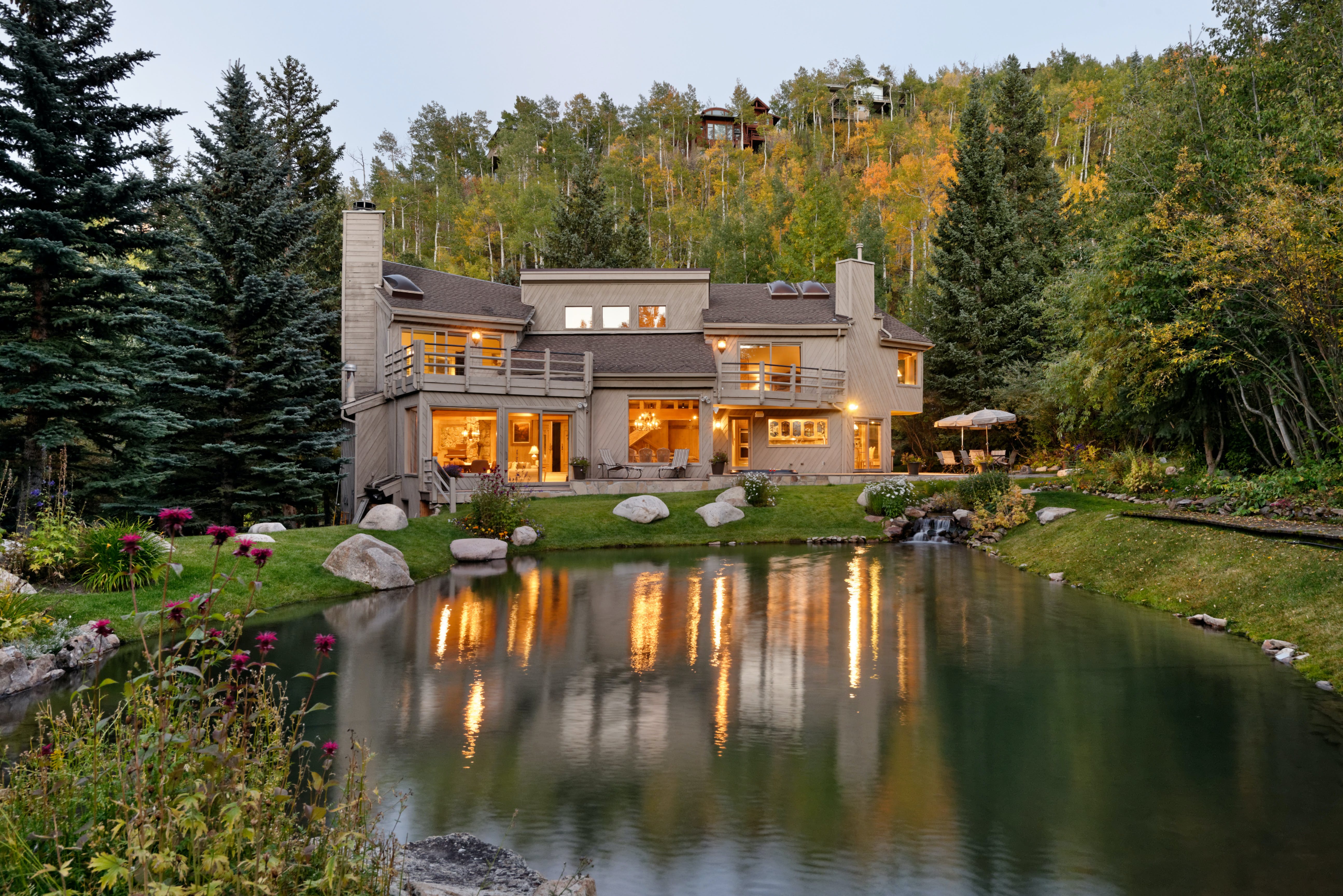
Summer runs roughly late May to September and is, frankly, underrated by anyone who only knows Snowmass as a ski name. Days are warm but not oppressive – July highs average around 27°C (80°F), with nights cooling to a crisp 7°C to 10°C (45°F to 50°F), which makes for excellent sleeping and occasionally an undignified scramble for a jumper at dinner. The gondola runs through summer, ferrying hikers and mountain bikers up for alpine trails and long views rather than ski runs. The Snowmass Rodeo brings Thursday evening bull riding and barrel racing through the summer months, and Anderson Ranch Arts Center runs its workshops and gallery exhibitions in this period too. Free outdoor concerts are a fixture of the summer calendar. Crowds are far lighter than winter, prices are generally lower, and this is the season for anyone who wants wildflowers and quiet trails over queues and quarter pipes.
Best Time to Visit Snowmass in Fall
Autumn is short and largely overlooked, which is precisely its appeal. September still carries summer’s warmth into its first weeks, with aspens turning gold by late September into early October – a genuinely fine sight if you catch it right, and one most visitors miss entirely because they’ve already gone home. By October, most summer activities and many businesses wind down ahead of ski season, making this the second and quieter “mud season.” It’s a poor choice if you want things open, but an excellent one if you want the whole valley to yourself and don’t mind unpredictable, often chilly weather.
Best Time to Visit Snowmass by Traveller Type
Serious skiers chasing deep snow and open terrain should aim for January or February, accepting the crowds as the price of good conditions. Families with flexible school schedules do well in early January or March, when snow is still reliable but queues are shorter. Value-conscious travellers should look at April for skiing or September for warm-weather activities – both offer good conditions at lower prices than their respective peak months. Hikers, cyclists and anyone allergic to lift queues should come in summer, when the mountain becomes a different, gentler proposition entirely. Those who genuinely dislike crowds of any kind should consider that the shoulder seasons – mid-April to May, and October – trade almost everything being open for almost nobody being there.
Wherever you land on the calendar, the practical business of where to base yourself still needs sorting – a short list of villas in Snowmass is a reasonable place to start.
Snowmass Weather and Seasons FAQs
What month has the best snow in Snowmass?
January and February typically offer the most consistent snowfall and coldest, driest conditions, which generally means better snow quality than the wetter, warmer snow of early or late season.
Is Snowmass open in summer?
Yes. The ski lifts close in mid-April but the resort reopens for summer activities from late May through September, including hiking, mountain biking, the gondola, and outdoor events such as the Snowmass Rodeo.
When should I avoid visiting Snowmass if I don’t like crowds?
Avoid Christmas through New Year and Presidents’ Day week in mid-February, when the resort sees its highest visitor numbers and prices. Early January and March offer similarly good snow with far fewer people.
Keep reading
More on Snowmass
- Travel guideSnowmass Travel Guide
- RestaurantsBest Restaurants in Snowmass
- FamiliesSnowmass with Kids
- SkiingSkiing in Snowmass
Guides nearby in Aspen
Where to stay
Villas in Snowmass
A selection from our 5 luxury villas in Snowmass.