Soho with Kids: Chinatown, Theatreland & Pocket Parks
Soho works well for families as a short, walkable stay rather than a beach or resort destination, thanks to its pedestrianised streets, garden squares, Chinatown food and proximity to West End theatre. There are no beaches and few conventional “attractions,” so it suits families who want central London culture, food and theatre rather than playgrounds and theme parks. Most visitors base themselves here for two or three nights and use it as a launchpad for the rest of London.
Here is the thing no guidebook quite says out loud: by about ten in the morning, once the previous night’s revellers have gone home and the street-cleaning lorries have done their rounds, Soho is one of the gentlest, most civilised patches of central London for a family to wander through. It spends its evenings as London’s most unbuttoned neighbourhood and its daytimes as something closer to a continental village – bakeries opening their shutters, delivery bikes weaving round pushchairs, old men reading newspapers outside cafes that have seen several decades of fashions come and go. Nobody tells you this because “Soho” and “children” still sound, on paper, like an odd pairing. In practice it works rather well, provided you know what you are there for.
Soho with Kids: At a Glance
Best suited to: families who want culture, theatre and food rather than beaches or big attractions. Ideal trip length: two to four nights, combined with other London districts. Standout features: Chinatown, Soho Square’s gardens, West End theatres, car-free streets. Main drawback: no green space of any size and very little aimed specifically at small children.
Soho with Kids: How It Works for Families
Soho was not built with children in mind, and it would be dishonest to pretend otherwise. There is no playground to speak of, precious little grass, and after dark the district reverts to its longstanding identity as London’s entertainment quarter in the broadest sense of that word. None of this is hidden from view, and you will walk past it. For families with teenagers this is mildly educational. For families with toddlers it simply means you plan your days to finish before the streets fill up.
Where Soho earns its place in a family itinerary is in its sheer walkability and its food. The whole district can be crossed on foot in fifteen minutes, every street is narrow enough that cars rarely matter, and Chinatown sits at one edge offering the kind of food that even fussy eaters tend to negotiate with. Add the fact that half of London’s West End theatres are a short stroll away, and Soho becomes less a destination in itself and more a very well-placed base – something the Soho Travel Guide covers in more detail for travellers planning the wider trip.
Things to Do in Soho with Kids
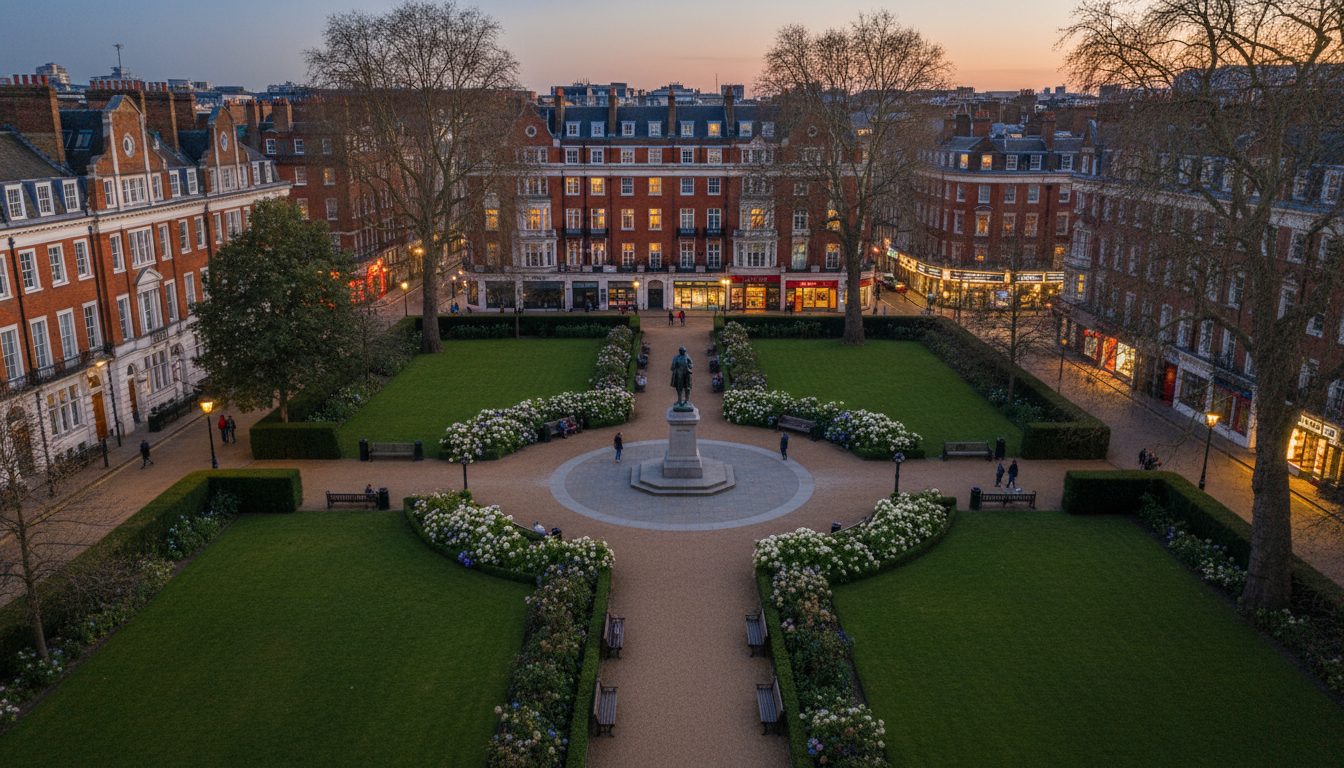
There are no beaches here, obviously, and anyone searching for one has taken a wrong turn somewhere around Dover. What Soho offers instead is theatre, food and a scattering of green squares that function as the district’s only real outdoor space. Soho Square, a gated garden at the northern end, is the closest thing to a village green the area has – a patch of lawn with benches, flowerbeds and enough space for small children to run about without immediately colliding with a bus. Golden Square, smaller and quieter, serves a similar purpose a few streets south, usually with fewer tourists and more office workers eating sandwiches.
Chinatown, hard against Soho’s eastern edge, is as much an activity as a meal. Children tend to find the window displays of roast ducks and the rattle of Mandarin and Cantonese being shouted across narrow pavements more entertaining than anything a museum could offer, and a slow walk through its streets before lunch counts as sightseeing in its own right. Berwick Street Market, running through the middle of Soho, is a smaller and more low-key affair these days, but still worth a wander for fabric stalls and a sense of the district’s older, scruffier self.
For families with children over about eight, a West End matinee is the obvious set-piece of a Soho stay – book ahead, since good seats for family-friendly shows go early, and budget for the fact that London theatre pricing has never once been accused of modesty.
Where to Eat in Soho with Kids
Soho’s reputation for food is entirely earned, and children benefit from it as much as anyone. Chinatown’s dim sum restaurants are the easiest win with younger palates – small plates, quick turnaround, and the theatre of steamer baskets arriving in stacks tends to hold attention better than any menu with a crayon on it. Noodle bars throughout the district serve fast, inexpensive bowls that rarely trouble even the most committed fussy eater, and bakeries scattered through Chinatown’s side streets are good for mid-afternoon bribery in the form of custard tarts and pork buns.
Away from Chinatown, Soho’s wider food scene leans toward small plates, long lunches and restaurants designed more for adults lingering over wine than families needing a table in the next ten minutes – something worth knowing before you arrive with a hungry six-year-old at eight in the evening. Early sittings, generally before 6.30pm, tend to be far more forgiving of both noise and schedule than the later ones, when Soho quietly reverts to being Soho.
Rainy Day Soho with Kids
London does rain, and Soho – being mostly streets, squares and restaurants rather than indoor attractions – is not naturally built for it. The practical answer is to lean into what the district does have indoors: a long, unhurried Chinatown lunch can easily fill two hours when the weather turns, and a matinee performance does the same for an entire afternoon. Bookshops and record shops along Soho’s smaller streets are worth ducking into for older children, less so for toddlers who will want to touch everything and own none of it.
For a genuinely wet day, the honest advice is to walk ten minutes rather than stay in Soho itself – the district’s immediate neighbours, Covent Garden and the areas around Trafalgar Square, have the covered markets, galleries and larger indoor spaces that Soho simply does not. This is less an admission of defeat than a reminder that Soho was always meant to be used alongside its neighbours rather than instead of them.
Soho with Kids by Age: Toddlers, Juniors and Teens
Toddlers in Soho
Soho is workable with toddlers but requires more planning than most districts of this size. Pavements are narrow, pushchairs compete with delivery trolleys and cyclists, and there is exactly one proper patch of grass worth mentioning – Soho Square – so days are best built around it. Nap times are easily protected by timing outings for the morning, before Soho’s streets properly wake up, and an early dinner, well before six, avoids both crowds and the district’s gradual shift into evening mode.
Juniors in Soho
This is Soho’s sweet spot. Children of primary-school age are generally delighted by Chinatown’s food and spectacle, old enough to sit through a shorter West End matinee, and young enough to find walking round a new part of London interesting rather than tiresome. Soho Square again does useful duty here as somewhere to let off steam between activities, and the district’s compact size means nothing is ever more than a short walk away – a real advantage with children who announce they are “too tired to walk” roughly every four hundred metres.
Teens in Soho
Teenagers tend to get Soho immediately, in the way younger children do not – the record shops, the slightly knowing atmosphere, Chinatown’s genuine street life, all register as more interesting than quaint. This is also the age group least bothered by Soho’s evening character, and most likely to ask pointed questions about it, which parents should have an answer ready for. A full-length West End show, rather than a shorter family matinee, suits this age group well and makes Soho’s theatre credentials worth the ticket price.
Getting Around Soho with Kids
Soho’s great practical advantage for families is that almost none of it requires transport at all. The district is small enough to cross on foot from end to end in under twenty minutes, several of its streets are pedestrianised, and most of what matters – Chinatown, the theatres, the garden squares – sits within a few minutes’ walk of any point inside it. Pushchairs cope reasonably well on the wider streets and less well on some of the narrower, more crowded ones, particularly around Chinatown on a Saturday afternoon, when pavements fill with a density that tests anyone’s patience.
For trips beyond Soho’s own boundaries, the Underground stations bordering the district connect quickly to the rest of central London, though step-free access varies and is worth checking in advance if travelling with a pushchair or very young children. Black cabs remain a reliable, if not inexpensive, fallback for tired legs and late evenings, and are generally easier with small children than negotiating a crowded Tube platform at rush hour.
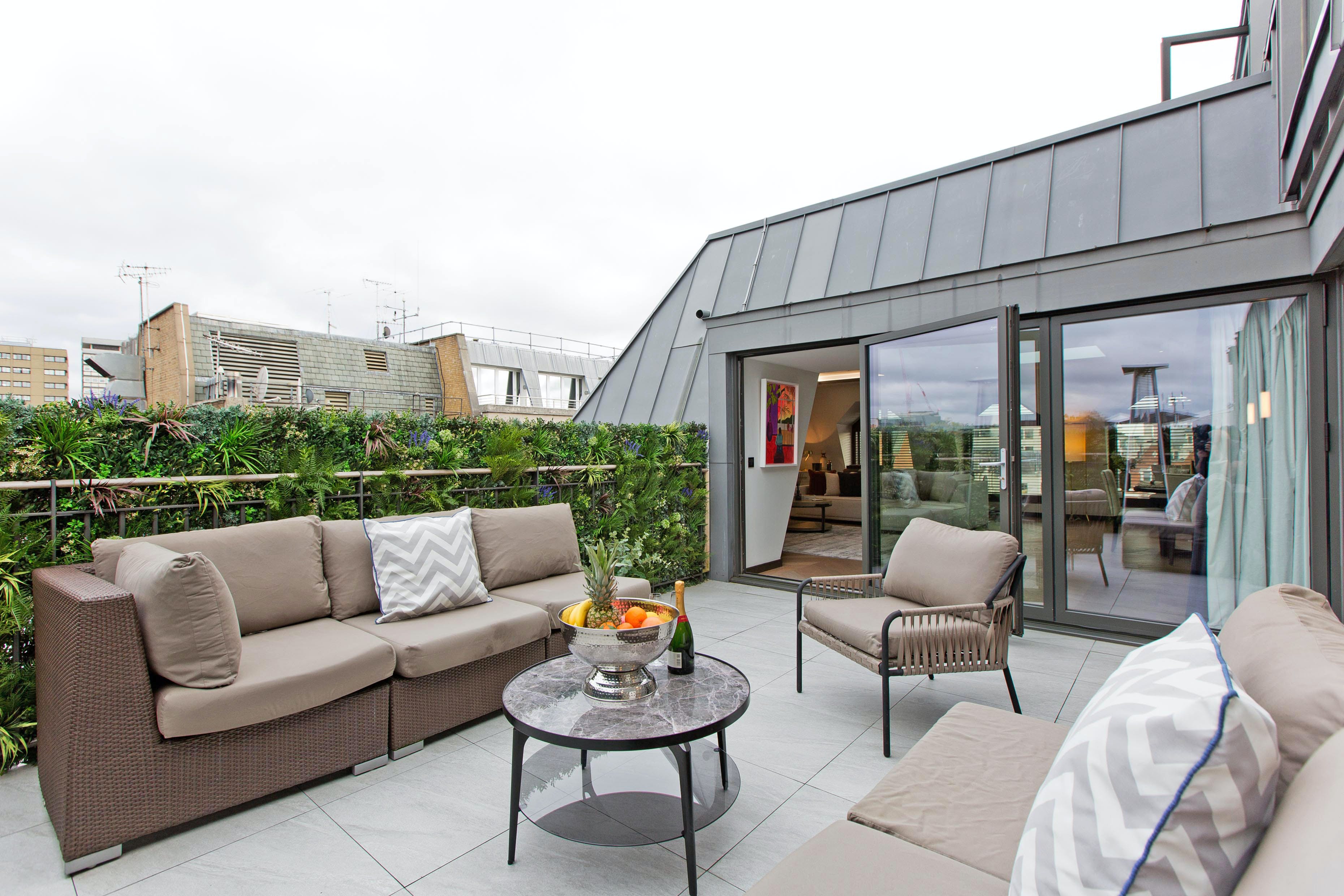
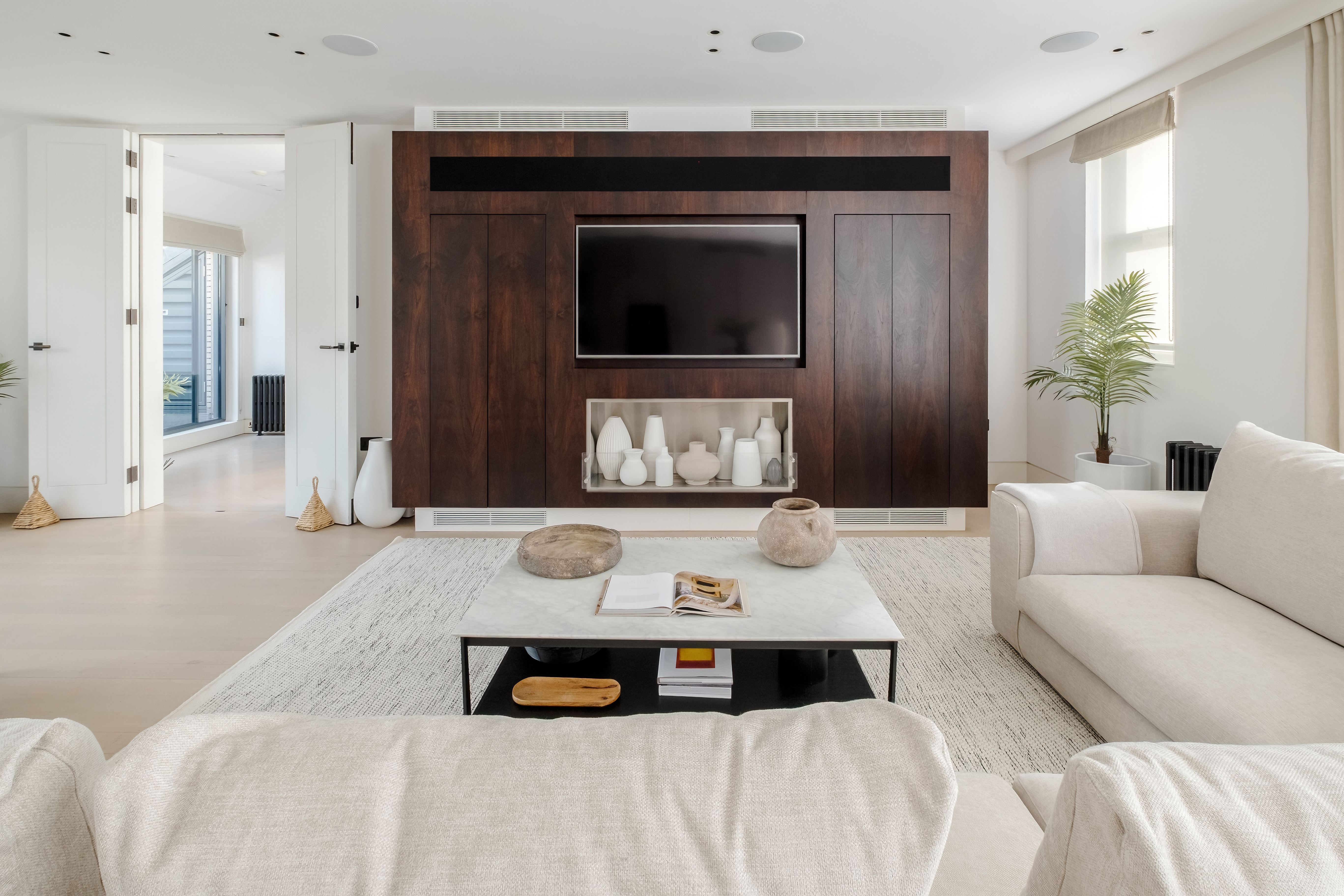
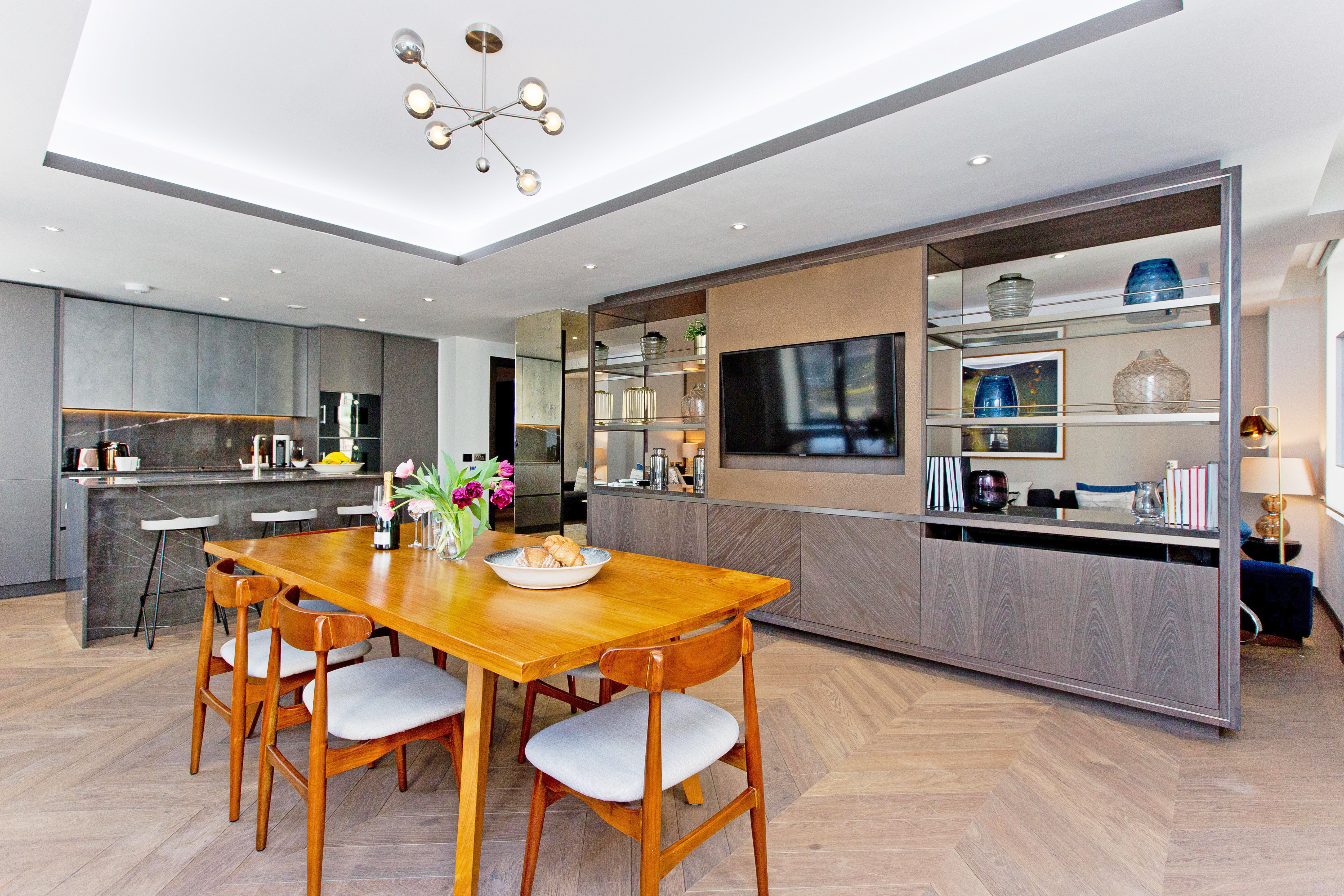
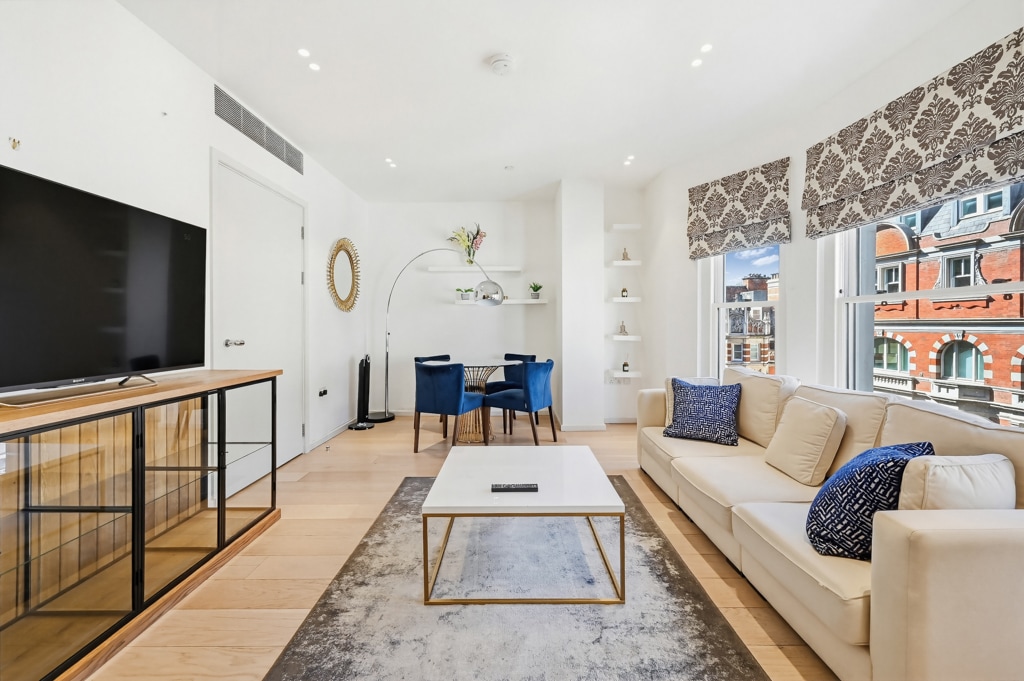
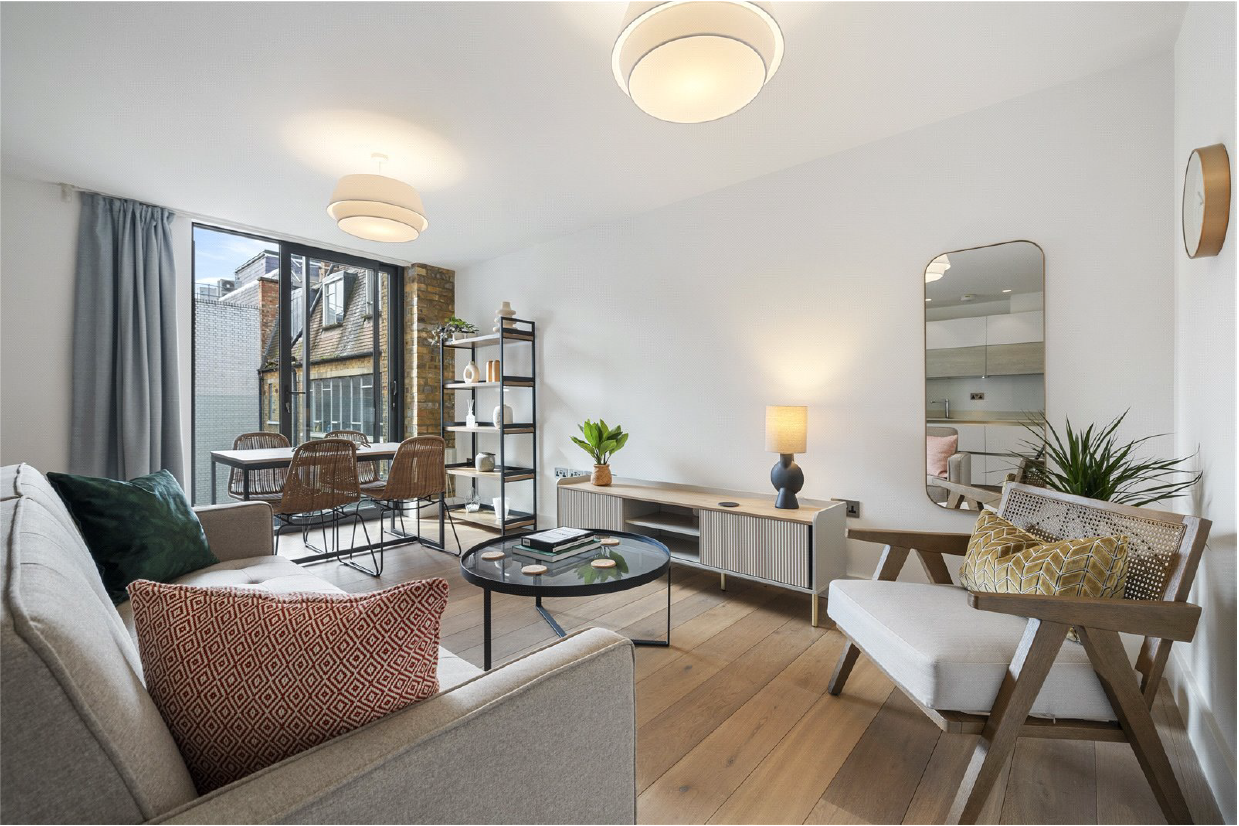
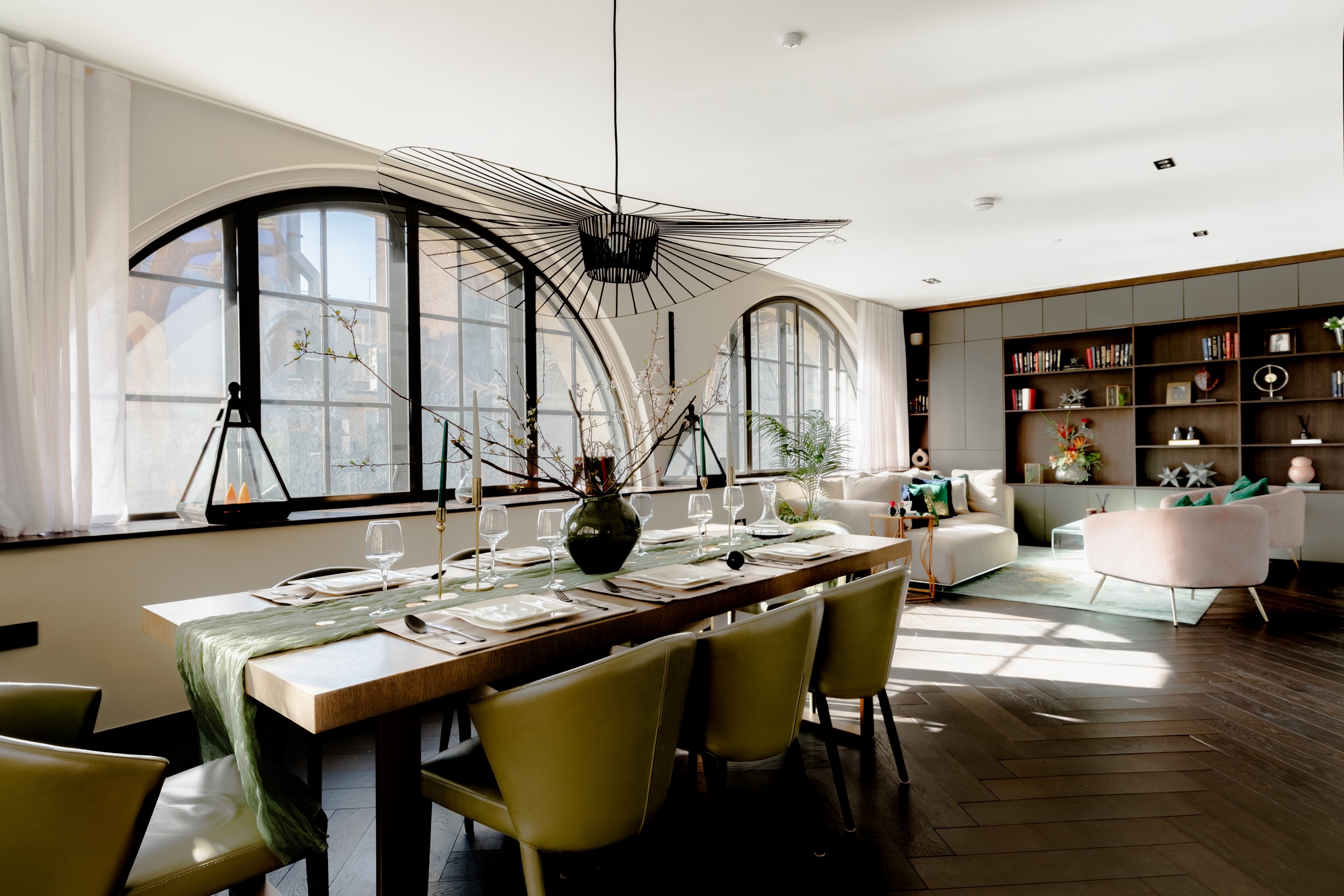
For families weighing up where to base themselves for all this, here is the plain version: villas in Soho put you within walking distance of everything this guide describes.
Soho Family Holiday FAQs
Is Soho safe for families at night?
Soho is generally safe, but it is unmistakably an adult entertainment and nightlife district after dark, with crowds, noise and queues outside bars and clubs. Families with younger children are better served planning evenings to end before the district’s late-night character takes over, typically from around 9pm onward.
How many days do you need in Soho with kids?
Two to three days is usually enough to cover Soho’s food, theatre and squares properly without children losing interest, after which most families are glad to move on to larger green spaces or attractions elsewhere in London.
What is the best time of year to visit Soho with children?
Late spring and early autumn offer the most comfortable walking weather and shorter queues for theatre and restaurants than peak summer or the Christmas period, when Soho’s narrow streets become considerably busier.
Keep reading
More on Soho
Guides nearby in London
Where to stay
Villas in Soho
A selection from our 65 luxury villas in Soho.