Southampton Food & Wine: Solent Oysters & Hampshire Vineyards
Southampton’s food and wine scene centres on seafood pulled from the Solent and Southampton Water, game and produce from the nearby New Forest, and sparkling wine from Hampshire’s chalk-soil vineyards just outside the city. The best places to experience this are the city’s weekend food markets, waterside seafood restaurants, and a handful of vineyards within a short drive that offer tastings and cellar-door tours.
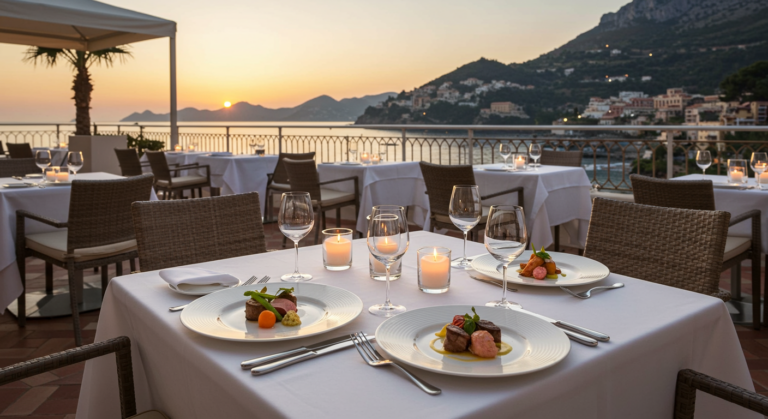
Picture it: a Saturday morning with a faint tang of salt in the air, gulls complaining loudly about something only they understand, and a market stall offering oysters so fresh they practically wince when you squeeze lemon on them. By midday you’ve found a spot overlooking the water with a plate of local crab and a glass of something cold and English and surprisingly good. In the afternoon, a short drive out of the city delivers you to rows of vines climbing a chalky slope, where a woman in wellingtons explains, patiently, that yes, sparkling wine from Hampshire really is taken seriously now, and no, she’s not joking. That is a genuinely well-spent day here, and it is entirely achievable without a car that costs more than the villa you’re staying in.
Southampton does not shout about its food the way some coastal cities do. It doesn’t need to. The city sits at the point where the Solent, Southampton Water and two rivers meet, which has made it a seafood town since long before “farm to table” was a phrase anyone needed to invent. Add the New Forest on its doorstep, with its game, wild mushrooms and free-roaming ponies (who are not, despite what the gift shops imply, edible), and you have a food culture built on genuinely local ingredients rather than imported trends. For the wider context of visiting the city, the Southampton Travel Guide is worth reading alongside this one.
Southampton Food: Regional Cuisine and What Makes It Distinct
Southampton’s cuisine is shaped by its position as a working port rather than a resort town, which is both its charm and, occasionally, its limitation. This is not a place of elaborate regional dishes passed down through generations of grandmothers. It is a place where fish comes off boats a few hours old, where pubs near the water have quietly good seafood because they have always had access to it, and where the influence of decades of international shipping traffic has left genuine diversity in the restaurant scene – Southampton has long had sizeable communities with roots across Europe, South Asia and the Caribbean, and the food reflects that.
What you won’t find much of is fuss. Southampton cooking tends toward the honest rather than the theatrical: proper fish and chips, simply grilled seafood, hearty pub food built around local meat and vegetables. There is good eating here, but it rewards the traveller who wants substance over spectacle. If you want show-stopping plating and liquid nitrogen theatrics, look elsewhere. If you want a plate of mussels that taste of the sea they came from twenty minutes ago, you are in the right city.
Signature Dishes in Southampton: Seafood, Pub Classics and Port-City Influences
Seafood dominates, unsurprisingly, given the geography. Mussels and oysters from the Solent region appear on menus across the city, often with minimal interference – a squeeze of lemon, a dash of vinegar, and little else is required when the shellfish is this fresh. Crab, caught locally, turns up in sandwiches, salads and the occasional elaborate starter, and is one of the more reliably excellent things you can order here.
Beyond seafood, expect good old-fashioned pub cooking done well: proper roasts on Sundays, pies with pastry that hasn’t been anywhere near a microwave, and fish and chips that locals will defend with genuine passion. The city’s long history as a point of arrival and departure – for emigrants, troops and, famously, the Titanic’s crew, many of whom were Southampton residents – has also left pockets of genuinely good curry houses and Caribbean food, a legacy of the communities who settled here over the decades. It is not a cuisine with a single signature dish so much as a city whose kitchens reflect everyone who has ever passed through its docks.
Southampton Wine: Hampshire’s Vineyards and English Sparkling Wine
Here’s a sentence that would have raised eyebrows twenty years ago: Hampshire produces some genuinely excellent sparkling wine. The county’s chalk soils are, geologically speaking, a continuation of the same seam that runs under Champagne, which English winemakers have been quietly pointing out for years with the patient satisfaction of people who were right all along. The climate has warmed enough in recent decades to ripen grapes – chardonnay, pinot noir, pinot meunier – that produce traditional-method sparkling wines genuinely comparable to their French cousins, at a fraction of the reputation but increasingly not a fraction of the price.
Still wines are improving too, with lighter whites and some reds suited to the cooler climate, though sparkling remains the region’s calling card. Several vineyards within easy reach of Southampton offer tours and tastings, generally running from spring through to the September harvest, after which many close or reduce hours for winter. Booking ahead is sensible, particularly in summer weekends when coach parties descend with the enthusiasm of people who have just discovered fizz is made locally and feel personally responsible for spreading the news.
Wine Estates to Visit Near Southampton
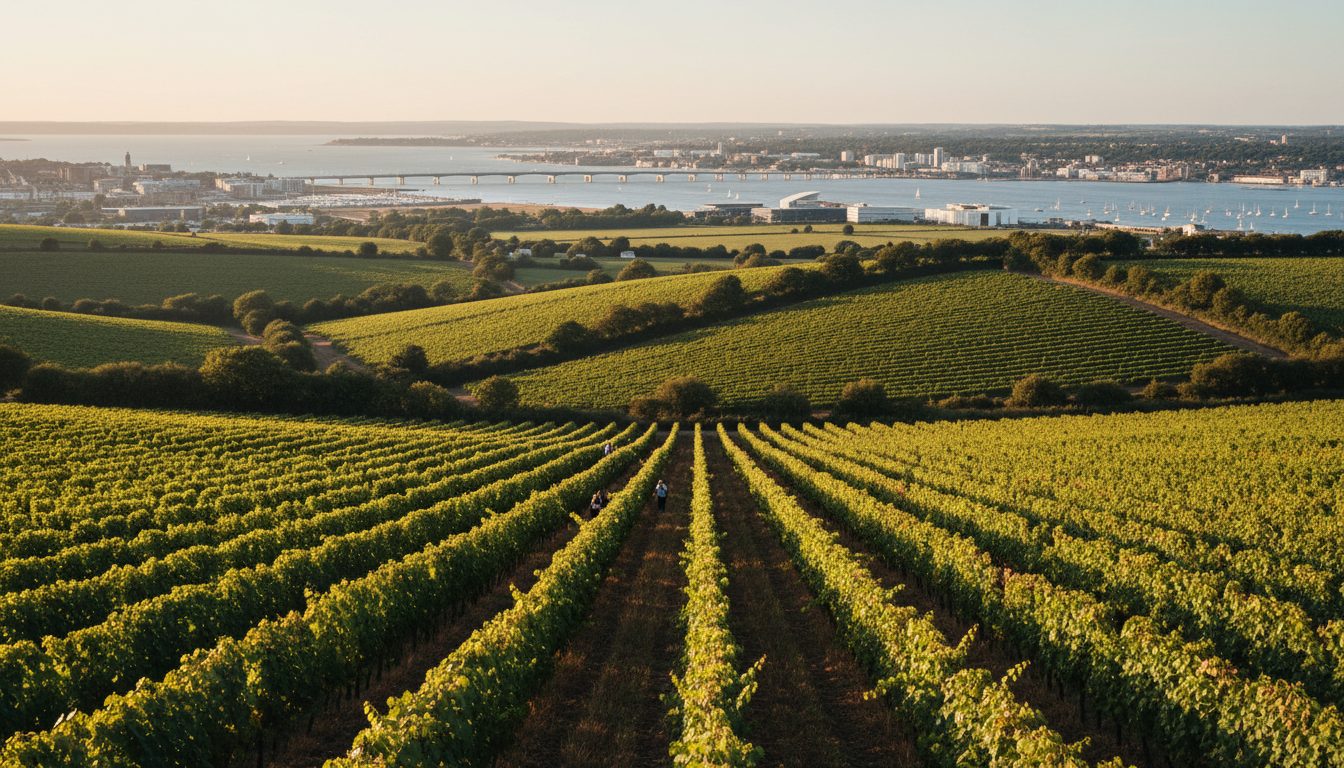
A short drive from the city takes you into genuine vineyard country, where gently sloping chalk land has been given over to rows of vines in a landscape that still manages to look more like rural Hampshire than Champagne, despite the geological kinship. Most estates offer guided tours through the vineyard and winery, followed by a tasting of their current releases – usually a crisp sparkling rosé or a classic blanc de blancs, sometimes a still white for contrast.
Tours typically run an hour or two and are worth booking in advance, especially between June and September when demand peaks. Several estates also have on-site cafes or restaurants making a half-day of it entirely feasible: vineyard walk, tasting, lunch overlooking the vines, and a bottle or two to take home, assuming you can resist drinking it in the car park. Autumn harvest time brings a particular energy to these estates, with pickers working the rows and an understandable sense of anticipation about what the year’s grapes will produce.
Food Markets in Southampton
Southampton’s markets are where the city’s food culture reveals itself most honestly, free of restaurant markup and menu translation. Weekend markets in and around the city centre bring together local seafood stalls, bakers, cheese producers and small-batch food makers, and are the best place to understand what’s actually in season and where it’s come from. Expect oysters and mussels sold by the dozen, local cheeses that rarely make it onto supermarket shelves, and the kind of bread that makes you reconsider every loaf you’ve bought since.
Farmers’ markets in the wider region, drawing on New Forest produce, add game, cured meats and foraged goods to the mix, particularly in autumn. These are not polished tourist markets built for photographs – they’re working markets where stallholders know their customers by name and will happily tell you, at length, why their crab is better than the stall next door’s. Go hungry, go with cash, and go reasonably early, because the good stuff tends to sell out by early afternoon.
Cooking Classes in Southampton
For travellers who want to take a piece of Southampton’s food culture home with them – beyond the inevitable bottle of sparkling wine wrapped precariously in a jumper – cooking classes focused on seafood preparation are available in and around the city, often run by chefs with direct links to local fishing boats and markets. These typically cover shellfish preparation, simple seafood cookery and sometimes bread or pastry work, and tend to run for a few hours including the meal itself.
Courses are generally small-group and hands-on rather than demonstration-only, which suits the no-nonsense character of the city’s food scene. Some wine estates also run pairing sessions alongside tastings, teaching the basics of how Hampshire sparkling wine is made and why it pairs so well with the shellfish you’ll have just learned to prepare. Booking ahead is advisable, particularly in summer, when demand for both wine tours and cookery sessions rises sharply.
Seasonal Food in Southampton: When to Visit for the Best Eating
Seafood is strong through most of the year, but oysters and mussels are at their best in the colder months, broadly October through to March – the old “only eat oysters in months with an R in them” rule, which turns out to have genuine basis in water temperature and spawning cycles rather than being an arbitrary piece of folklore invented by someone’s grandmother. Crab season peaks through spring and summer.
Game from the New Forest, including venison and pheasant, comes into its own from autumn through winter, appearing on pub and restaurant menus as the weather turns. Vineyard season runs roughly April to October for tours and tastings, with harvest in September bringing a particular buzz to the estates. Truffles are not a genuine Southampton specialty, whatever any menu might claim, so treat truffle oil drizzled over anything local with mild suspicion – it is very much an import, not a Hampshire tradition.
Best Food Experiences in Southampton
If time is limited, prioritise a seafood lunch somewhere with a water view, a wander through a weekend market, and at least one vineyard tour with tasting. The combination covers the three legs of Southampton’s food identity – the sea, the market, the chalk hills – without requiring an exhausting schedule.
Those with more time should add a cooking class, a stop at a New Forest farm shop for game and cheese, and an evening exploring the city’s more international restaurant offerings, a quiet reward for the communities who have shaped Southampton’s palate over generations of arrivals and departures through its port. None of this requires a car larger than a hatchback or a budget larger than reason. It just requires an appetite and the willingness to eat where the locals do, gulls and all.
For somewhere to base yourself while exploring all this, see villas in Southampton.
Southampton Food and Wine FAQs
Is Southampton good for seafood?
Yes. Its position on the Solent and Southampton Water means fresh mussels, oysters and crab are widely available, particularly at weekend markets and waterside restaurants, with oysters at their best from October to March.
Can you visit vineyards near Southampton?
Several Hampshire vineyards within a short drive of Southampton offer tours and tastings from spring to autumn, focusing on traditional-method sparkling wine made possible by the region’s chalk soils. Booking ahead is recommended in summer.
What is the best time of year for food and wine in Southampton?
Autumn brings harvest at the vineyards, game from the New Forest and good seafood together, making September to November a particularly strong period. Winter months are best for oysters, while spring and summer suit market visits and crab.
Keep reading
More on Southampton
- Travel guideSouthampton Travel Guide
- RestaurantsBest Restaurants in Southampton
- FamiliesSouthampton with Kids
Guides nearby in South East
Where to stay
Villas in Southampton
A selection from our 4 luxury villas in Southampton.