Best Time to Visit Switzerland: Alps, Fondue & Alpine Festivals
The best time to visit Switzerland is June to September for hiking and lake weather, or December to March for skiing, with June and September offering the best balance of mild temperatures and smaller crowds. Winter brings reliable snow to Alpine resorts but short, grey days in the lowlands, while shoulder months like May and October bring lower prices and quieter towns at the cost of a higher chance of rain or lingering snow at altitude.
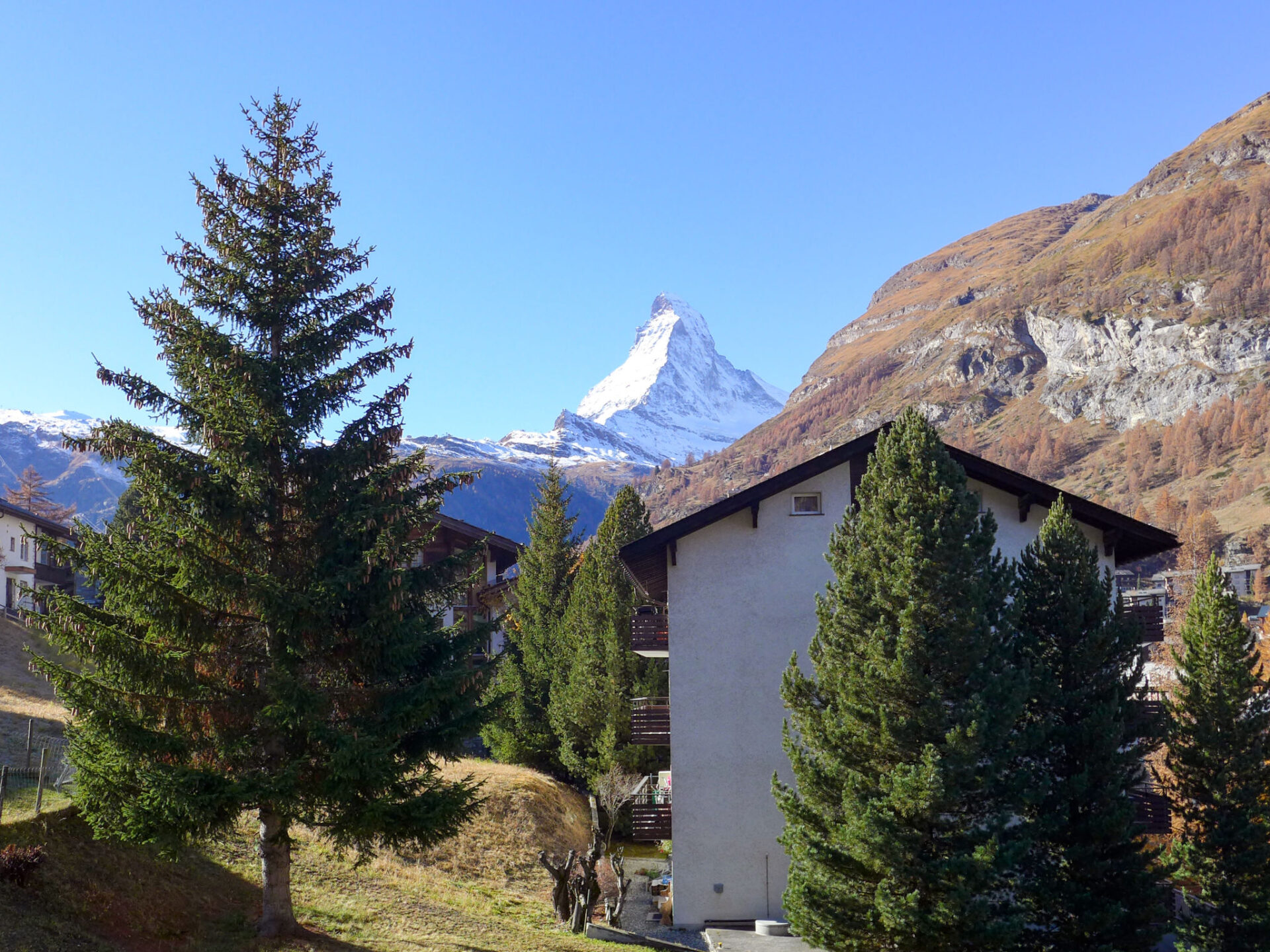
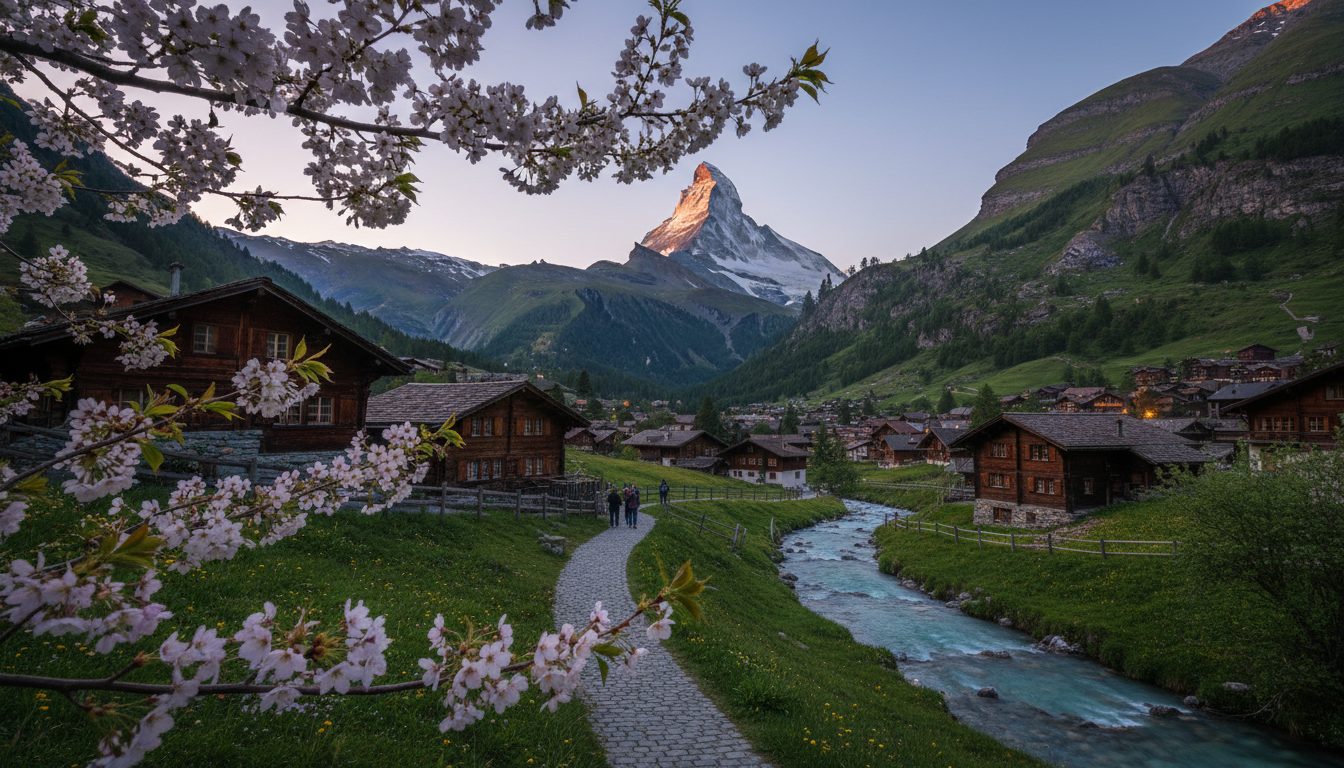
I have spent the better part of two decades telling people when to visit Switzerland, and they keep coming back thanking me for the “perfect weather,” as though I had personally arranged it with someone at the Federal Office of Meteorology. I had not. Switzerland’s climate is a genuinely contrary thing – four distinct seasons, a dozen microclimates depending which side of a mountain you happen to be standing on, and an unnerving habit of delivering brilliant sunshine to Zurich while Lucerne, forty minutes down the motorway, vanishes into cloud. The honest answer to “when should I go” is: it depends what you came for. This guide, part of our wider Switzerland Travel Guide, breaks the year down month by month so you can work that out properly rather than guessing from a brochure photo of the Matterhorn with suspiciously consistent blue skies.
Switzerland Weather by Season: At a Glance
- Winter (Dec-Feb): 2-4°C / 36-39°F lowlands, well below freezing at altitude. Peak ski season.
- Spring (Mar-May): 9-18°C / 48-64°F, rising fast through May. Quiet, variable.
- Summer (Jun-Aug): 22-25°C / 72-77°F lowlands, warmer in Ticino. Peak hiking and lake season.
- Autumn (Sep-Nov): 20°C / 68°F in September dropping to 7°C / 45°F by November. Harvest, foliage, and a lovely hush.
Switzerland in Winter (December to February): Snow, Fondue and Short Days
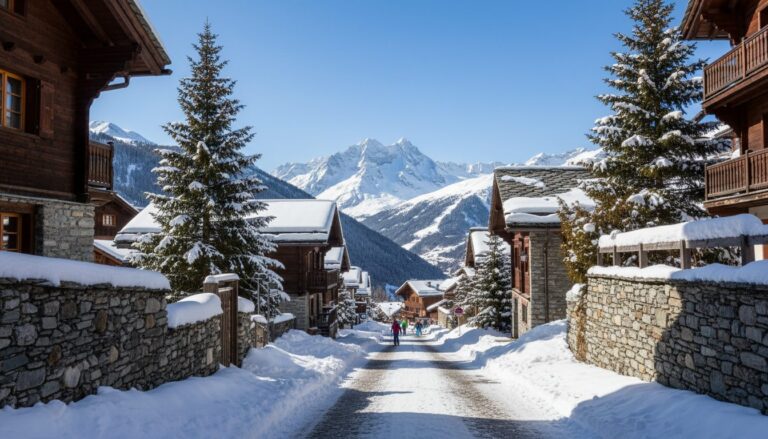
Lowland Switzerland in winter hovers around 2-4°C (36-39°F) by day, often buried under a stubborn fog the Swiss call the Nebelmeer, a “sea of mist” that can sit over Zurich or Lucerne for days while the mountains above it bask in sunshine. This is the entire logic of a ski holiday: you climb above the cloud and leave the gloom to people in the valley. Alpine resorts drop well below freezing, sometimes to -10°C (14°F) overnight, and the ski season runs reliably from December through to early April. Christmas and New Year bring the biggest crowds and highest prices to resort towns, and the February half-term holidays – British, Swiss, and otherwise – do the same. January, between the two, is the quiet pocket skiers actually want: good snow, fewer queues for the lifts, and hoteliers in a noticeably better mood. Days are short (sunset by 4.30pm in December) and city sightseeing can feel truncated, but Christmas markets, fondue, and the particular Swiss talent for making a cold night feel cosy more than compensate. Basel’s Fasnacht carnival, usually in late February or early March, is one of the more startling things to stumble into unprepared – three days of drumming and confetti that upends the city’s reputation for orderliness entirely.
Switzerland in Spring (March to May)
Spring arrives unevenly. March still carries winter’s chill, around 9°C (48°F) by day with frosty mornings, while May can feel almost like early summer at 18°C (64°F). Snowmelt swells the waterfalls and rivers into something genuinely dramatic, and the lower vineyard slopes around Lake Geneva turn a fresh, almost aggressive green. Crowds are thin outside the Easter week, and prices in both cities and the Alps drop noticeably once the ski season winds down in April. The catch: high-altitude hiking trails often stay snow-covered or closed until June, and some mountain cable cars and huts don’t reopen until late spring, so this is better suited to lowland touring, city breaks, and lake walks than serious mountain hiking. Zurich’s Sechseläuten festival in April, with its burning of the Böögg snowman to mark the end of winter, is a nice bit of pagan theatre to time a visit around. Spring suits travellers who want lower prices and empty streets and don’t mind packing a proper coat just in case.
Switzerland in Summer (June to August)
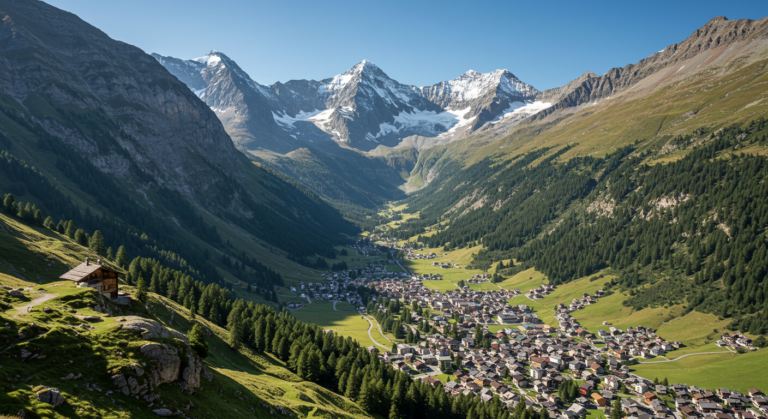
This is peak Switzerland, in every sense. Temperatures sit comfortably between 22-25°C (72-77°F) in the lowlands, warmer again in Ticino’s Italian-speaking south, and the high Alpine trails – closed for most of the rest of the year – finally open properly from late June. Lakes Geneva, Lucerne, and Thun fill with swimmers, paddleboarders, and the kind of confident lake-diving that suggests the water is warmer than it is. Accommodation prices peak alongside the crowds, particularly in July and August, and popular trails around Zermatt or the Jungfrau region can feel less like wilderness and more like a very scenic queue. Montreux’s jazz festival in July draws its own crowd entirely, and National Day on the 1st of August brings fireworks and bonfires across the country, best watched from somewhere with a lake view and a willingness to accept that the Swiss, generally so restrained, do enjoy setting things alight once a year. Afternoon thunderstorms are common in the mountains, so plan hikes for mornings. Summer suits hikers wanting every trail open, families, and anyone who considers a cold lake swim a legitimate holiday activity rather than a dare.
Switzerland in Autumn (September to November)
September is, without much argument, one of the best months to visit Switzerland. Temperatures still sit around 20°C (68°F), the summer crowds have largely gone home, and the high trails remain open well into the month. It’s also harvest season in the vineyards of Lavaux and the Valais, and the Désalpe festivals – when cattle are led down from the summer pastures, garlanded and bell-ringing, to much local fanfare – are worth timing a trip around if you can. October cools to around 13°C (55°F) and brings the foliage, including the brief but genuinely fine spectacle of larch trees turning gold against the first dustings of snow. By November, at 7°C (45°F) and falling, Switzerland enters its quietest stretch: some cable cars and mountain restaurants close for maintenance between the ski and summer seasons, days shorten fast, and the mood turns distinctly introspective. Autumn suits walkers, wine enthusiasts, and photographers chasing colour rather than crowds.
Best Time to Visit Switzerland for Skiing
The core ski season runs December to April, with the most reliable snow typically falling between January and March. Glacier resorts such as those around Zermatt and Saas-Fee extend skiing into summer at altitude, but for a proper winter-sports holiday, stick to the main season. Christmas, New Year, and the February school holidays are the busiest and priciest windows; January, after the New Year rush subsides, offers better value and shorter lift queues for broadly the same snow conditions. Late March and April bring “spring skiing” – milder days, longer light, and softer snow – which suits those who find sub-zero mornings on a chairlift less romantic than advertised.
Best Time to Visit Switzerland for Hiking
June to September is the hiking window, since that’s when the high Alpine trails are actually snow-free and the mountain huts are staffed. July and August are warmest and busiest, particularly around well-known routes near Zermatt and the Bernese Oberland. June and September offer much the same scenery with considerably more solitude, cooler walking temperatures, and a noticeably better chance of getting a table at the hut without a reservation made three weeks earlier.
Shoulder Season in Switzerland: Why It’s Worth Considering
May, June, September, and October are Switzerland’s shoulder months, and they deserve more credit than they get. Prices for accommodation and flights drop from peak summer and winter rates, popular towns regain some breathing room, and the weather – particularly in late May and September – is often genuinely pleasant rather than merely tolerable. The trade-off is that some high-altitude trails, cable cars, or seasonal mountain restaurants may not yet (or no longer) be open, so it pays to check specific routes before building a hiking trip entirely around these months. For city breaks, lake towns, and wine regions, though, shoulder season is close to ideal.
Off-Season Switzerland: The Case for Going in the Quiet Months
November and early December, before the Christmas markets properly get going, along with the quieter stretch of January after New Year, represent Switzerland at its least performative. Prices fall to their lowest point of the year, cities return to locals rather than tourists, and thermal baths and museums become genuinely pleasant rather than crowded. The downside is real: short daylight hours, unpredictable weather, and a number of village hotels and restaurants closing for a few weeks of their own holiday precisely when you’d like them open. But for travellers who prize quiet over certainty, and don’t need every cable car running, the off-season has its own appeal.
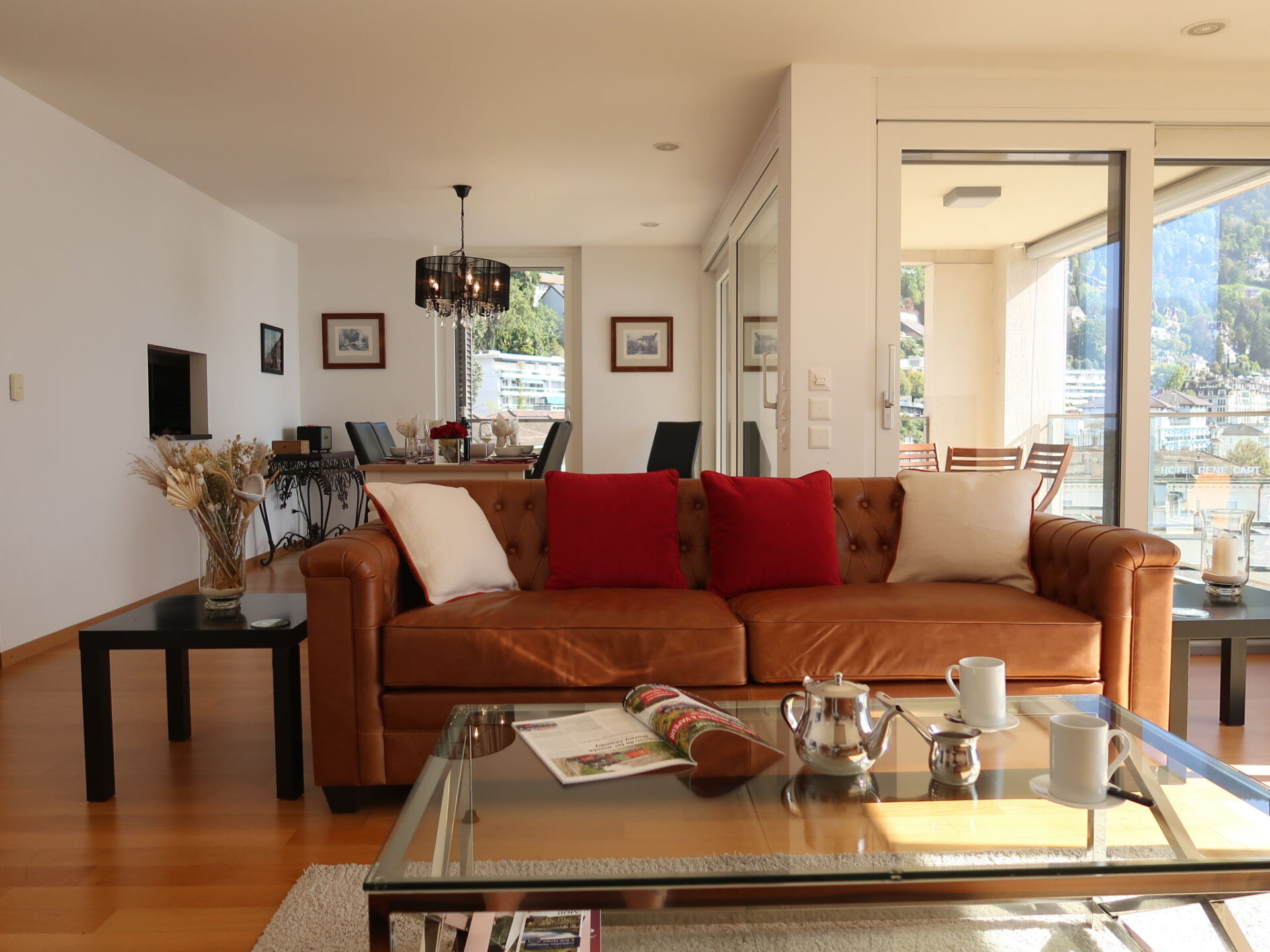
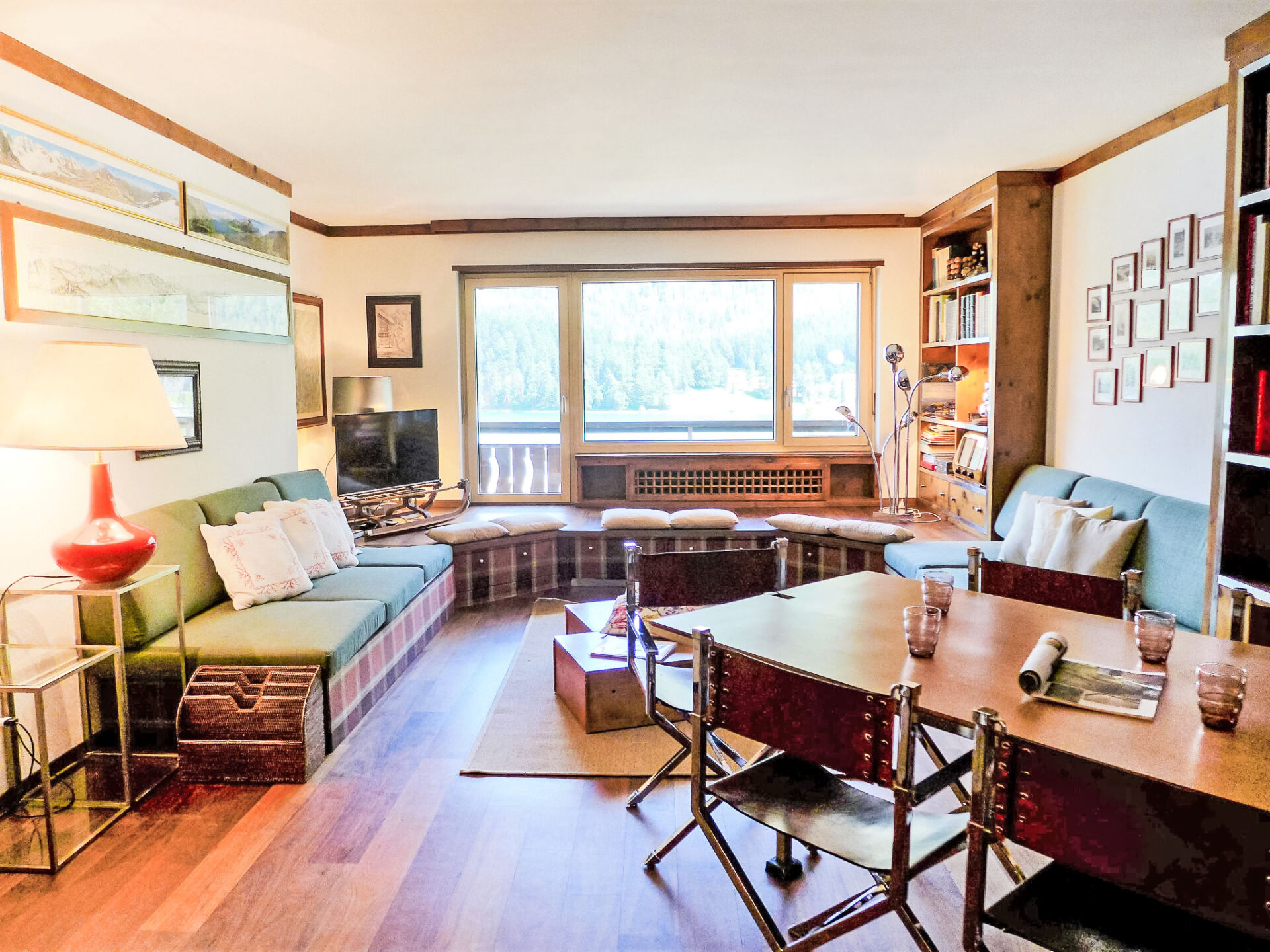
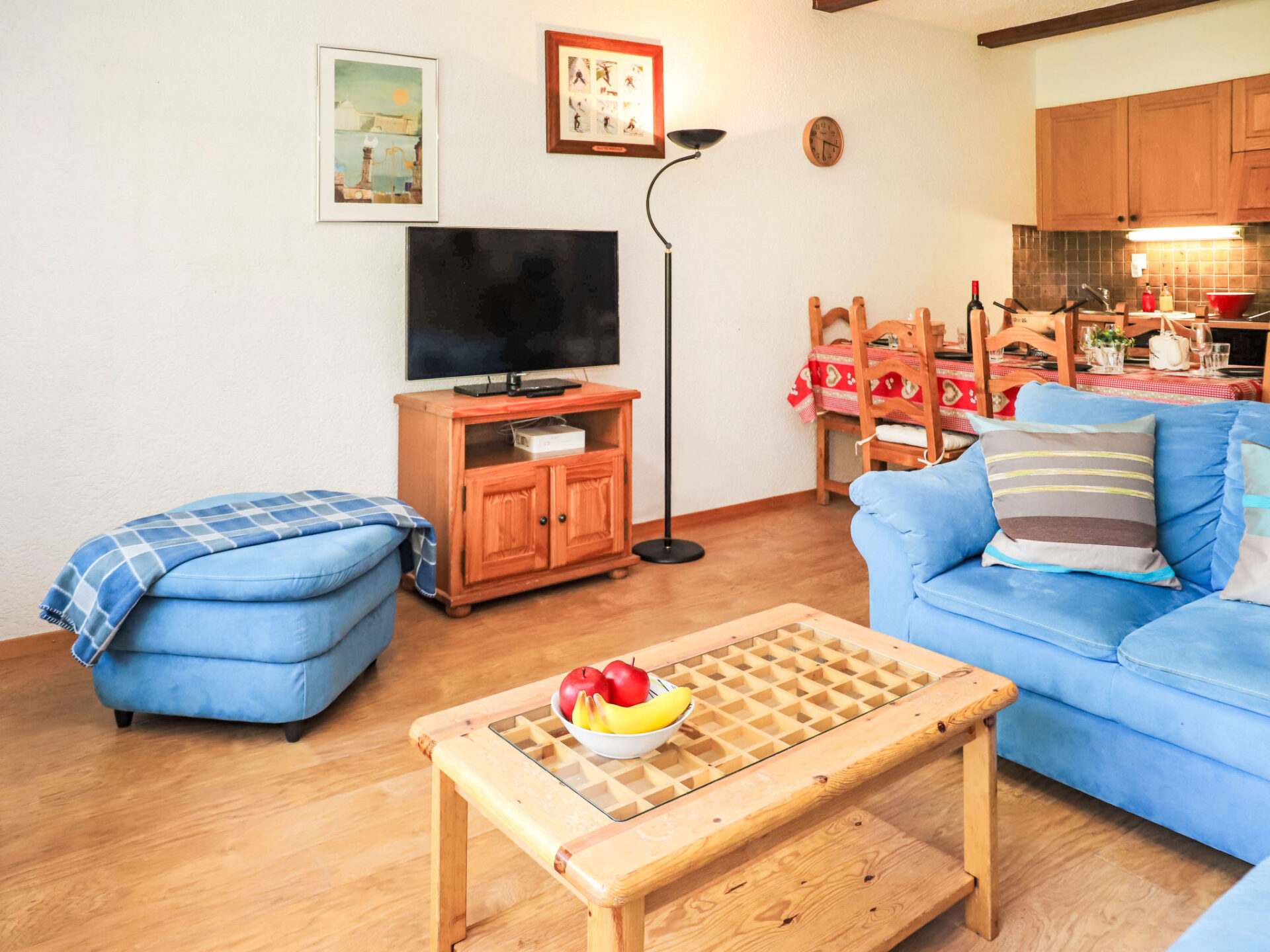
For travellers weighing up where to base themselves once the season is decided, there’s a practical overview of villas in Switzerland.
Switzerland Weather and Seasons FAQs
What is the rainiest month in Switzerland?
Rainfall is fairly even across the year, but summer thunderstorms make June, July, and August the wettest months by total precipitation, even though the days are warmer and sunnier overall. Winter precipitation at altitude usually falls as snow rather than rain.
Do I need to visit in winter to see snow in Switzerland?
Not necessarily. High-altitude areas and glacier regions retain snow for much of the year, and some peaks keep patches into summer, but reliable widespread snow cover in the Alps runs roughly from December to April.
Is Switzerland expensive to visit, and does timing affect the cost?
Switzerland is consistently one of Europe’s pricier destinations regardless of season, but costs still shift noticeably. Christmas, New Year, February ski holidays, and peak summer carry the highest prices, while shoulder months like May, June, September, and October, along with the quieter winter weeks of January and November, offer better value on accommodation and travel.
Where to stay
Villas in Switzerland
A selection from our 598 luxury villas in Switzerland.