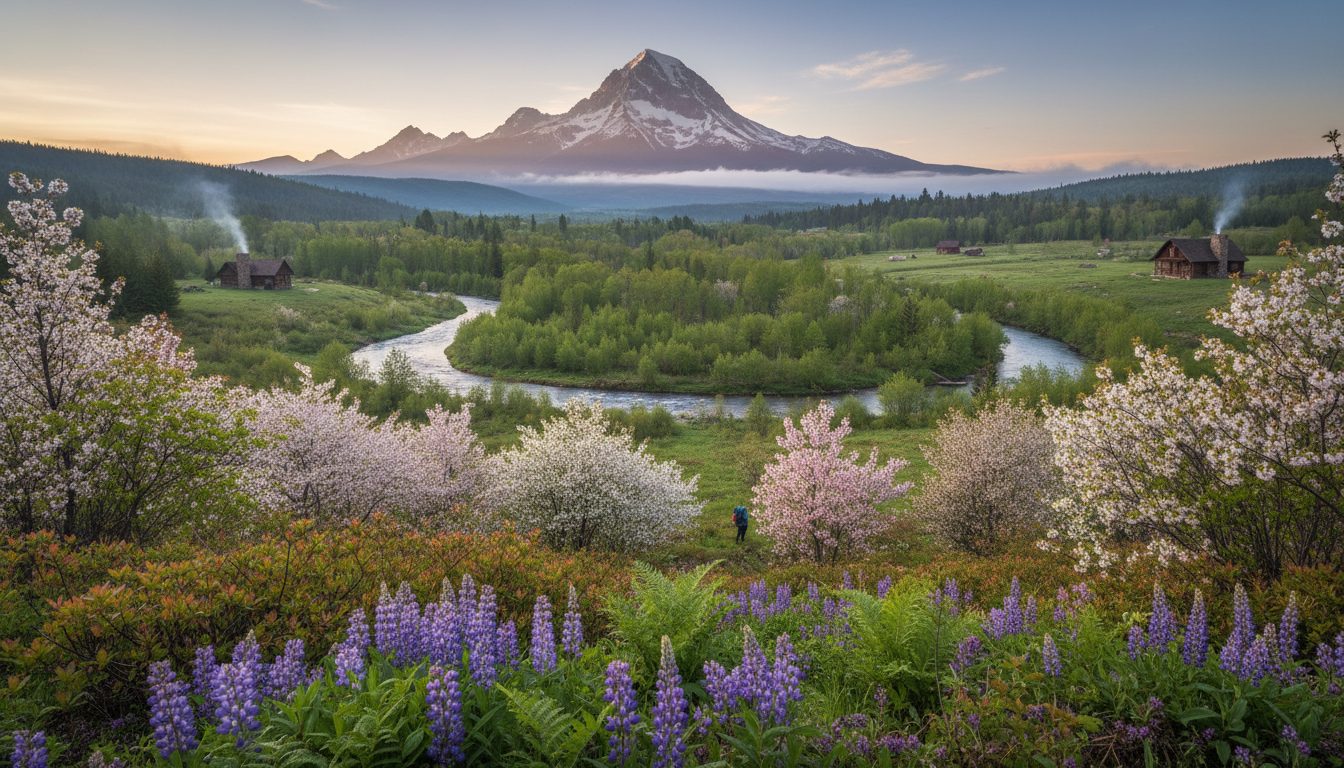
Best Time to Visit Travis: Bluebonnets, Bats & Festival Season
The best time to visit Travis is March to May or October to November, when temperatures sit comfortably between 18-27°C (65-80°F) and the region’s festivals and outdoor life are in full swing. Summer brings serious heat, often exceeding 38°C (100°F), while winter stays mild but unpredictable. Each season suits a different kind of traveller, from music-festival chasers to those happy to swap crowds for lower prices.
Nowhere else in Texas does quite this particular trick of being a university town, a live music capital, a lake resort and a stretch of genuine Hill Country all stitched into one county. Austin sits at the heart of Travis, but the county’s character spills well beyond the city limits into limestone bluffs, spring-fed swimming holes and the kind of sunsets that make even hardened locals reach for their phones. The weather here does not do subtlety. It is either glorious or, for a solid four months of the year, something you endure rather than enjoy. Timing your visit, then, is not a minor logistical detail – it is more or less the whole plan.
Travis at a Glance: Weather by Season
Spring (March-May): 15-27°C / 60-80°F, wildflowers, SXSW, occasional storms.
Summer (June-September): 27-38°C / 80-100°F+, humid, intense sun, Lake Travis in full swing.
Fall (October-November): 16-27°C / 61-80°F, ACL Festival, Formula 1 weekend, clearer skies.
Winter (December-February): 4-16°C / 40-60°F, mild but occasionally icy, quietest and cheapest months.
Spring in Travis: Bluebonnets and SXSW Chaos
Spring is when Travis County earns its reputation. The Hill Country turns blue and red with bluebonnets and Indian paintbrush from late March into April, and roadside photography of small children sitting rather uncomfortably in wildflower fields becomes something of a local sport. Temperatures are kind – 15 to 27°C (60-80°F) – though spring storms do arrive with Texas-sized drama, occasionally hail included.
March also brings SXSW, which transforms downtown Austin into a dense, loud, occasionally bewildering mix of music, film and technology. Hotel prices spike accordingly, and anyone who has not booked months ahead will find themselves sleeping somewhere unglamorous. April and May calm down considerably, offering some of the best weather of the year with fewer crowds than the festival frenzy. This season suits first-time visitors who want good weather without summer’s punishment, families keen on outdoor time, and anyone willing to plan around – or specifically for – SXSW.
Summer in Travis: Heat, Lake Travis and Shade-Seeking
Summer in Travis County is not for the faint-hearted. From June through September, daytime temperatures regularly sit between 32 and 38°C (90-100°F), with humidity that makes the heat feel earned rather than theoretical. Locals disappear into air conditioning, swimming holes or, if sensible, both. Barton Springs Pool and Lake Travis itself become essential rather than optional, their spring-fed waters a genuine relief rather than a tourist cliché.
Crowds thin slightly in the city centre during the worst heat but swell at the lake on weekends, where boat traffic and sunburn both peak. Prices for accommodation dip from the spring high, which makes summer appealing for budget-conscious travellers who can handle the heat – or who simply plan their days around early mornings and late evenings, leaving the midday hours for siestas nobody will admit to taking. Families with young children and anyone heat-sensitive might find this the hardest season to enjoy fully outdoors.
Fall in Travis: Festival Season and the Best Weather of the Year
If pressed to name the single best time to visit Travis, most who know the area well would say October. The heat finally breaks, temperatures settle into a genuinely pleasant 16-27°C (61-80°F), and the skies clear into the kind of blue that makes photographs look suspiciously edited. This is also peak festival season: the Austin City Limits Festival takes over Zilker Park across two consecutive weekends, and the Formula 1 United States Grand Prix at Circuit of the Americas, just outside Austin in Travis County, draws visitors from considerably further afield than Texas.
November brings the Texas Book Festival and a continued run of mild, dry weather, though crowds and prices remain elevated through the ACL and F1 weekends specifically – book around them rather than during them if budget or peace is the priority. Fall suits almost everyone: outdoor enthusiasts, festival-goers, food lovers wanting patio weather, and those simply wanting Texas without its temper.
Winter in Travis: Mild, Quiet and Occasionally Icy
Winter here is mild by most standards and genuinely cold by precisely none – except on the rare occasions it isn’t. Temperatures typically range from 4 to 16°C (40-60°F), with December and January offering the quietest streets and lowest hotel prices of the year. Most attractions remain open, outdoor dining continues on milder days, and the crowds that clog spring and fall simply are not there.
The catch is Texas’s occasional and genuinely disruptive ice storms, which can shut down roads and power with little warning – a risk worth knowing about rather than fearing outright. For travellers who prioritise value, calm and the chance to explore Austin’s museums, live music venues and food scene without competing for a table, winter is a legitimate contender despite its unglamorous reputation. More detail on the wider region’s character and year-round appeal sits in the Travis Travel Guide.
Shoulder Season Advantages in Travis
Late April to mid-May and late September to early October represent the genuine sweet spots – good weather without the festival-driven price surges of SXSW, ACL or the Grand Prix. Accommodation is easier to find, restaurants are less booked out, and the famous Austin bat colony beneath the Congress Avenue Bridge puts on its nightly flight to appreciative, uncrowded audiences. These windows suit travellers who want Travis at its best without paying its peak-season premium.
The Case for Visiting Travis in the Off-Season
Visiting in deep summer or deep winter has its own logic. Summer rewards those chasing lake life and long, hot days, provided air conditioning and sunscreen are both taken seriously. Winter rewards budget and patience, offering a quieter, cheaper version of the county that still delivers good food and live music, just without the queues. Neither season is the obvious choice – which is rather the point.
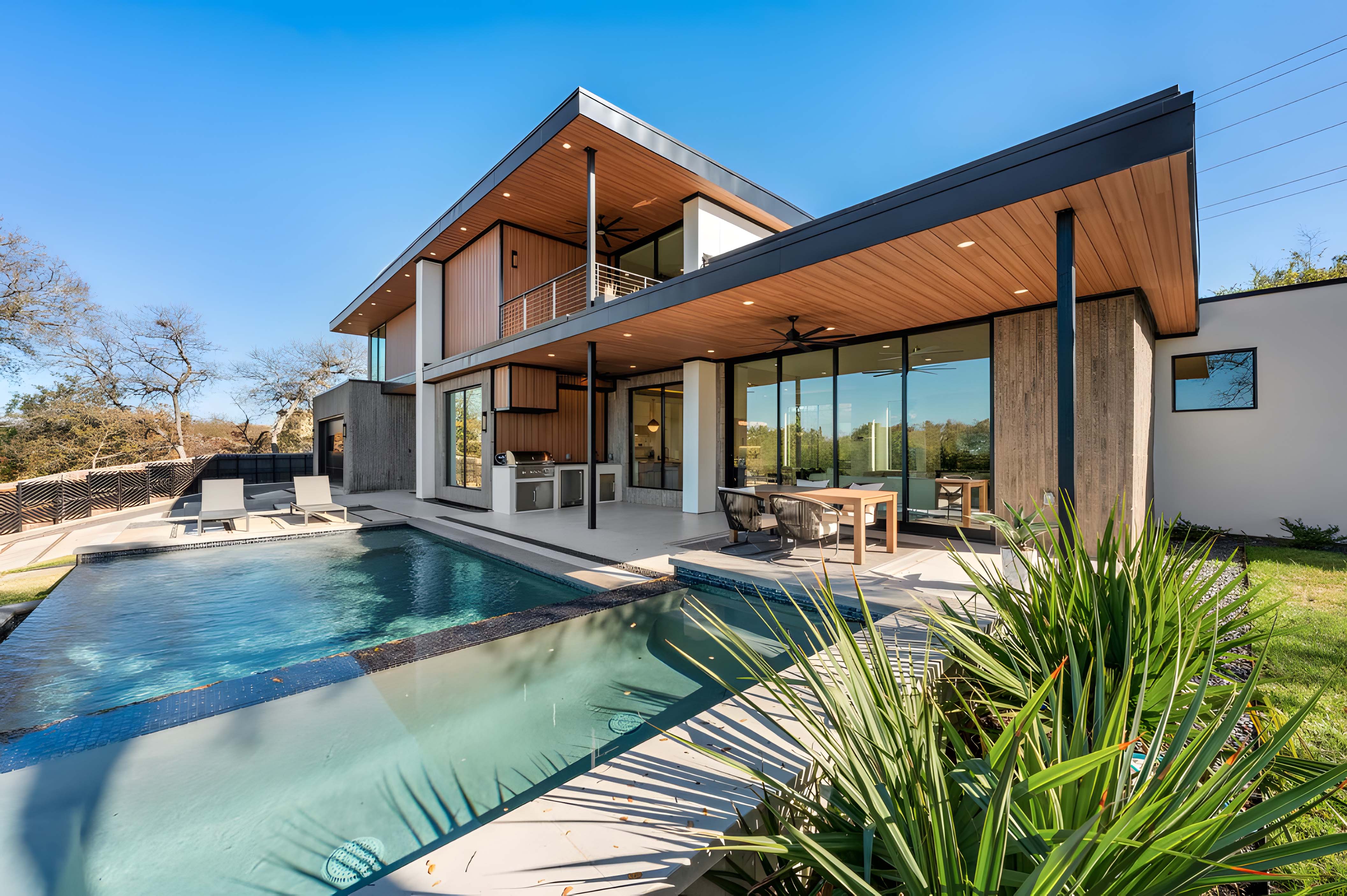
For travellers weighing up when and where to base themselves, villas in Travis are worth considering whatever the season.
Travis Weather and Seasons FAQs
What is the hottest month in Travis County?
July and August are typically the hottest, with daytime temperatures regularly reaching 36-38°C (97-100°F) and high humidity making conditions feel even warmer.
Does Travis County get cold enough for winter clothing?
Light layers and a warm jacket usually suffice, as winter temperatures average 4-16°C (40-60°F), though occasional cold snaps and ice storms can bring sharper, if short-lived, drops.
When do the bluebonnets bloom in Travis County?
Bluebonnets typically bloom from late March through April, with peak displays across the Hill Country roughly coinciding with the first two or three weeks of April.
Keep reading
More on Travis County
- Travel guideTravis Travel Guide
- RestaurantsBest Restaurants in Travis
- Food & wineTravis Food & Wine
- FamiliesTravis with Kids
Guides nearby in Austin
Where to stay
Villas in Travis County
A selection from our 3 luxury villas in Travis County.