Best Time to Visit United Arab Emirates: Winter Sun & Dune Drives
The best time to visit the United Arab Emirates is between November and March, when daytime temperatures sit around 24-30°C (75-86°F) and humidity drops to comfortable levels. This is peak tourist season, so expect the highest prices and biggest crowds, particularly around December and January. October and April offer a useful compromise – warmer days, thinner crowds, and noticeably lower rates.
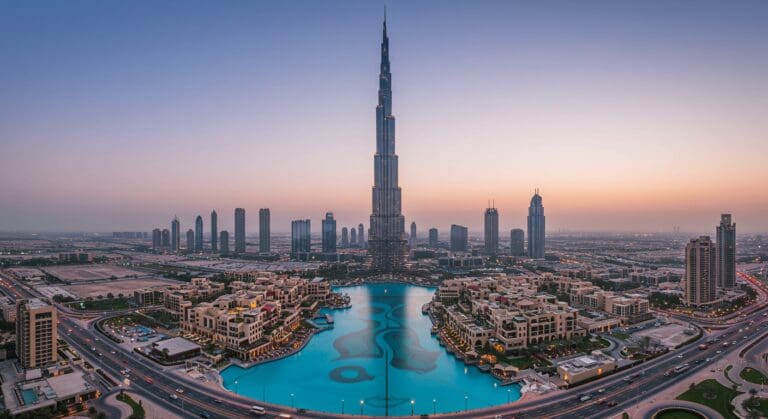
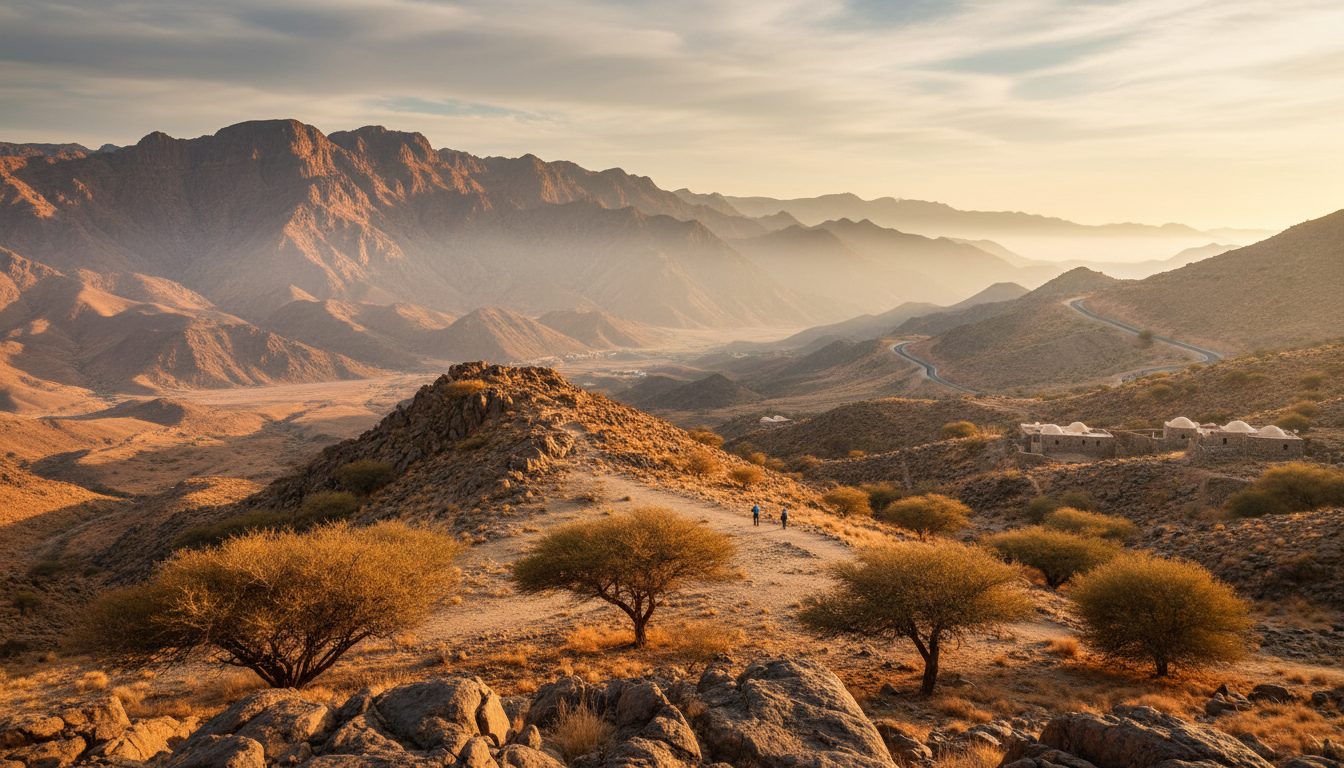
Few countries ask you to pack both a sun hat and a jumper for the same holiday, but the UAE does, and does it without apology. You can watch the sun rise over the Hajar Mountains in a T-shirt, then stand inside an indoor ski slope in Dubai wearing borrowed thermals by lunchtime, all within the same afternoon’s drive. That compression of extremes – desert to marina, souk to skyscraper, 45°C outside to a brisk minus-four indoors – is the real reason to come here rather than anywhere else. The trick, as with most things in the Gulf, is timing it so the heat works for you rather than against you. For the wider picture of getting around and what to see, the United Arab Emirates Travel Guide covers that ground; this piece is about choosing your month wisely.
Best Time to Visit United Arab Emirates: At a Glance
Peak season: December to February, cool and crowded. Shoulder season: October, November, March, April – warm but manageable, better value. Low season: May to September, punishingly hot but cheap, with hotel rates sometimes halved. Ramadan shifts roughly eleven days earlier each year and affects dining hours and daytime behaviour, so check the Islamic calendar before booking regardless of which month you choose.
Winter in the United Arab Emirates: December to February
This is the UAE at its most forgiving. Daytime temperatures hover around 24-30°C (75-86°F), overnight lows drop to a genuinely pleasant 14-18°C (57-64°F), and the humidity that makes summer unbearable simply isn’t there. It’s the only time of year you can sit outside at a beach club past breakfast without melting, which is precisely why everyone else has worked that out too.
Crowds and prices both peak hard around the New Year and through the Dubai Shopping Festival, which typically runs from December into January and fills malls, hotels and fireworks displays alike. The Abu Dhabi Formula 1 Grand Prix at Yas Marina usually lands in November but its afterglow (and inflated room rates) can spill into early December. This season suits travellers who want reliable warmth without taking any gamble on heat exhaustion – families, honeymooners, and anyone whose idea of a desert safari does not involve sweating through it. Book well ahead; this is not a season for spontaneity.
Spring in the United Arab Emirates: March and April
March is still comfortable, April is where things start to turn. Expect daytime temperatures climbing from a civilised 28°C (82°F) in early March to a firmer 35°C (95°F) by late April, with humidity creeping back in along the coast. Mornings remain pleasant; afternoons start reminding you where you are.
Crowds thin noticeably once school holidays end, and hotel rates ease from their winter peak. Art Dubai and various cultural festivals often cluster in this window, giving the season a cultural edge that winter, frankly, doesn’t bother with. If Ramadan falls during these months – it moves year to year – daytime restaurant hours shorten and public eating or drinking during fasting hours is restricted, which some visitors find atmospheric and others find mildly inconvenient. Either way, it’s worth checking the dates before you fix your trip around them.
Summer in the United Arab Emirates: May to September
Here is where the UAE stops being polite about its climate. Daytime temperatures regularly reach 40-48°C (104-118°F), and coastal humidity in Dubai and Abu Dhabi makes stepping outside feel less like weather and more like an ambush. Many residents leave the country entirely for these months, and it shows – streets empty out, outdoor attractions reduce their hours or close during the hottest part of the day, and life retreats almost entirely indoors.
The upside, and it’s a considerable one, is price. Hotel rates can drop by half, flights are cheaper, and the malls, aquariums and indoor ski slopes that felt like novelties in winter suddenly make complete sense as the day’s main activity. This season suits budget-conscious travellers, shopping enthusiasts, and anyone who genuinely prefers air conditioning to ambience. It does not suit anyone hoping to see the desert on foot in daylight – that particular pleasure belongs to cooler months only.
Autumn in the United Arab Emirates: October and November
Autumn is summer’s slow exhale. October still runs hot, around 30-36°C (86-97°F), but by November temperatures settle into a comfortable high-20s to low-30s range (82-90°F), and the humidity that defines summer begins to lift. Evenings turn genuinely pleasant – the first properly outdoor-dinner-friendly weather since April.
Crowds build gradually through November as the Formula 1 Grand Prix approaches, bringing a noticeable spike in both visitor numbers and hotel rates around Abu Dhabi. October, by contrast, remains a quieter, better-value month for those willing to tolerate a few extra degrees. This stretch suits travellers wanting a taste of winter’s comfort without winter’s premium pricing, and those keen to catch desert safaris and dhow cruises before the main season crowds arrive.
Shoulder Season in the United Arab Emirates: Why It’s Worth Considering
October, November, March and April do the unglamorous but genuinely useful work of bridging two extremes. Temperatures sit in a middle ground – warm enough to enjoy the pool, not so hot that the desert becomes hostile – and hotel rates track somewhere between winter’s premium and summer’s clearance sale. Attractions remain fully open, restaurants keep normal hours, and queues at major sights shrink from “frustrating” to merely “noticeable.”
For travellers who dislike the idea of paying peak prices for peak crowds, shoulder season is where the UAE’s sensible middle lives. It’s also the easiest time to combine a few days of beach lounging with a desert excursion and a city stint, since nothing is working against you – not the heat, not the room rates, not the sheer density of other tourists trying to photograph the same fountain.
Off-Season in the United Arab Emirates: The Case for Summer
There’s a reasonable argument for visiting in July. Hotel rates fall to their lowest point of the year, flights follow suit, and the usual queues at major attractions simply don’t materialise – partly because sensible people have stayed home, and partly because stepping outside for more than ten minutes requires a certain commitment. The malls, indoor attractions and air-conditioned museums come into their own, and if your idea of a holiday is shopping, spa treatments and dinners in cool, dim rooms, summer delivers all of that at a considerable discount.
What you lose is anything involving the outdoors in daylight – dune drives, beach mornings, rooftop evenings before 9pm. It’s a trade-off rather than a compromise: cheaper, quieter, but a fundamentally different holiday to the one most people picture when they think of the UAE.
Best Time to Visit United Arab Emirates by Traveller Type
Families generally do best in winter, when outdoor time is unrestricted and energy levels (child and parent alike) stay intact. Budget travellers and shopping enthusiasts should look to summer, when discounts are deepest and indoor malls double as all-day entertainment. Culture seekers and those wanting a quieter, more contemplative visit should aim for shoulder months, catching festivals and cooler mornings without winter’s crush. Anyone keen on desert excursions, hot air ballooning or outdoor dining should avoid June through August entirely – no amount of enthusiasm overcomes that particular heat.
Whatever month suits your plans, it’s worth sorting accommodation early for winter and shoulder season – demand moves fast once the weather turns kind. Readers weighing up where to base themselves can browse villas in United Arab Emirates.
United Arab Emirates Weather and Seasons FAQs
Is it too hot to visit the UAE in summer?
Summer temperatures regularly exceed 40°C (104°F) with high humidity along the coast, making outdoor activity uncomfortable during daylight hours. It’s manageable if you plan around indoor attractions and early or late outings, but not ideal for anyone hoping to spend much time outside.
Does Ramadan affect travel in the United Arab Emirates?
Yes. During Ramadan, public eating, drinking and smoking during daylight hours are restricted, and many restaurants adjust their opening times accordingly. Evenings become lively with iftar gatherings, but daytime visitors should expect a quieter, more subdued atmosphere than usual.
What is the rainiest time of year in the UAE?
Rainfall is light and irregular across the country, but what little there is tends to fall between December and March, usually as brief, heavy showers rather than prolonged wet spells. Flooding can occur in low-lying areas after unusually intense downpours, though this remains uncommon.
Keep reading
More on United Arab Emirates
- Travel guideUnited Arab Emirates Travel Guide
- RestaurantsBest Restaurants in United Arab Emirates
- Food & wineUnited Arab Emirates Food & Wine
- FamiliesUnited Arab Emirates with Kids
Guides to places in United Arab Emirates
Where to stay
Villas in United Arab Emirates
A selection from our 67 luxury villas in United Arab Emirates.