Best Time to Visit Utah: Powder Snow, Red Rock & National Parks
The best time to visit Utah depends on where you’re going: spring (March to May) and fall (September to October) offer the most comfortable temperatures for hiking in the national parks, while December to March is prime for skiing in Park City and the Wasatch mountains. Summer brings extreme desert heat, often above 38°C (100°F), while winter in the canyon country stays mild during the day but drops below freezing at night.
First-time visitors to Utah tend to assume the state has one climate, possibly involving a lot of red rock and not much else. This is a reasonable mistake to make if your only reference point is a single photograph of Delicate Arch. In reality, Utah can be snowing in Park City and pushing 35°C in Moab on the same February afternoon, three hours apart by car. The state runs from alpine ski resorts at over 3,000 metres down to desert basins that sit below sea level in terms of how they feel in July. Packing for Utah, in other words, is less about choosing an outfit and more about choosing which century of weather you’d like to experience.
Utah Weather by Season: A Quick Overview
Spring and fall are the sweet spots for most travellers – mild days, cool nights, and the parks still open but not overrun. Summer belongs to the mountains and reservoirs, since the desert turns into a convection oven. Winter is for skiers, snowshoers and anyone who likes having Zion National Park’s main canyon almost to themselves. None of this is a secret, exactly, but plenty of people still book a July trip to Moab expecting a gentle stroll and get something closer to a geology-themed sauna.
Spring in Utah: March, April and May
Spring is arguably the best time to visit Utah for hiking the national parks without either freezing or frying. March starts cool and unpredictable – Salt Lake City averages around 12°C (54°F) by day, dropping close to 1°C (34°F) at night, with the occasional late snow flurry just to keep things interesting. By May, desert temperatures in Moab, Zion and Bryce Canyon settle into a genuinely pleasant 21-27°C (70-80°F) during the day, cooling to a crisp 5-10°C (41-50°F) after dark.
Crowds build steadily through the season, with Easter week drawing families and the Moab Jeep Safari filling the town’s hotels and restaurants to capacity. Wildflowers appear in the high desert from late April, and waterfalls in Zion run fuller from spring snowmelt. Prices are moderate compared to summer peak, and most park facilities, visitor centres and shuttle services are fully operational by April. This season suits hikers, photographers and anyone allergic to standing in a queue for a shuttle bus in 38-degree heat.
Summer in Utah: June, July and August
Summer is peak season in every sense – peak heat, peak crowds, peak parking-lot anxiety at Zion and Arches. Desert temperatures in Moab and St. George routinely reach 38-40°C (100-104°F), and hiking after 10am becomes a genuine health consideration rather than a mild inconvenience. Salt Lake City is more forgiving at around 32°C (90°F), while mountain towns like Park City sit comfortably in the mid-20s Celsius (high 70s°F), which is precisely why so many Utahns relocate uphill for the season.
This is when the state’s reservoirs, alpine trails and the Wasatch Range come into their own, with wildflower meadows and cooler air drawing hikers who’d rather not attempt the desert in July. Pioneer Day on 24 July brings parades and fireworks across the state, and the Utah Arts Festival fills Salt Lake City’s streets in June. Expect the highest accommodation prices of the year, the fullest parks, and shuttle queues at Zion that test the patience of even the most committed nature lover. Summer suits families tied to school holidays and anyone genuinely drawn to the mountains rather than the canyons.
Fall in Utah: September, October and November
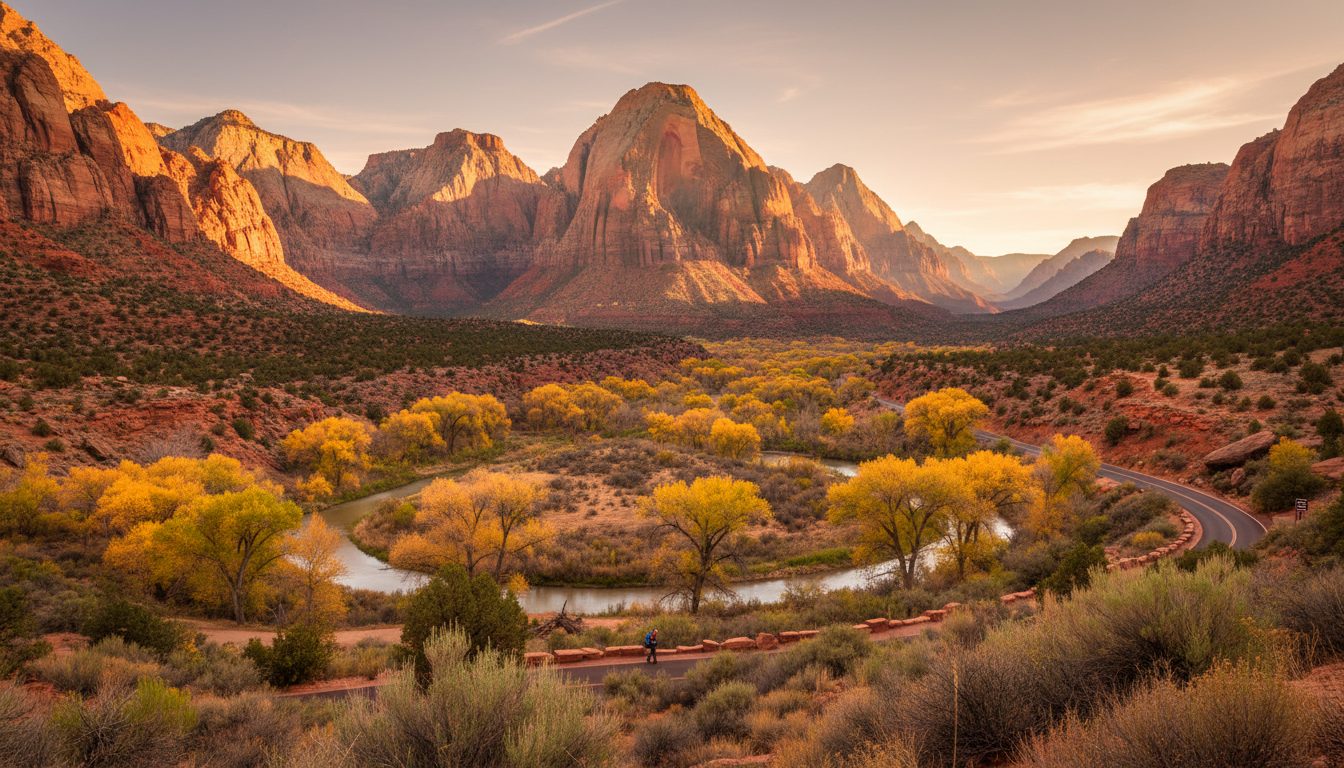
Fall rivals spring as the best time to visit Utah, and arguably beats it for colour – aspen groves in the Wasatch and La Sal mountains turn gold through late September and October, while desert temperatures ease back to a hiker-friendly 24-29°C (75-84°F) in September, cooling to around 10-15°C (50-59°F) by November. Nights can turn properly cold in the high country well before Halloween.
Crowds thin noticeably after Labor Day, though October still draws a steady stream of leaf-peepers and marathon runners – the St. George Marathon takes over that city’s roads each October. Hotel rates ease from their summer peak, park shuttles run on reduced schedules by late October, and some high-elevation roads, including sections of Bryce Canyon’s rim, begin closing with the first serious snow. This season suits travellers who want comfortable hiking weather, good light for photography and slightly more breathing room at the viewpoints.
Winter in Utah: December, January and February
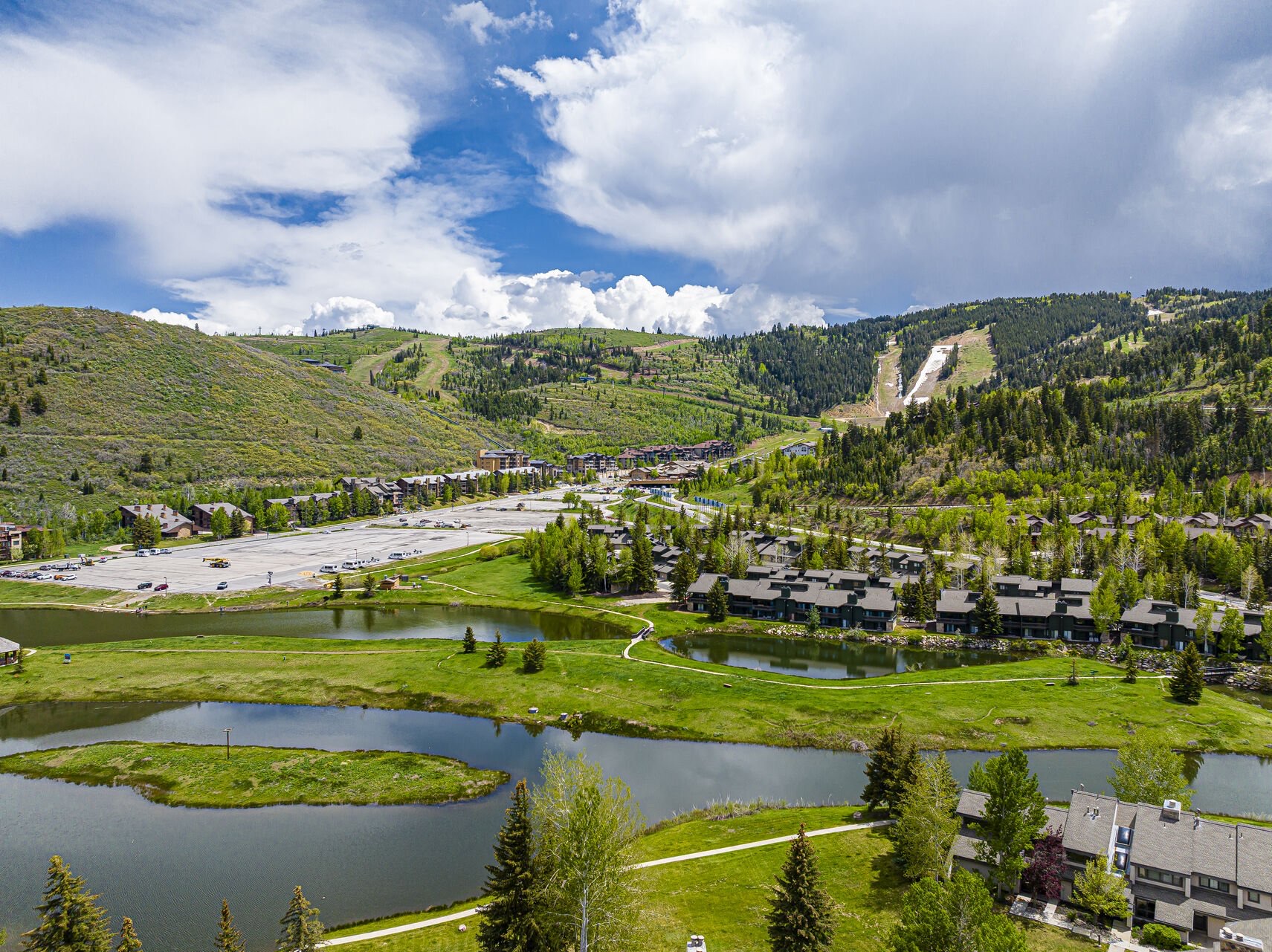
Winter transforms Utah into two entirely different destinations depending on altitude. Park City and the Wasatch resorts receive the state’s famous dry, light powder snow, with daytime temperatures typically hovering around -2 to 3°C (28-37°F) – cold, but rarely bitter, and the snow quality is the whole point. Down in the desert, Zion and Moab stay surprisingly mild by day, often reaching 10-13°C (50-55°F), though nights drop below freezing and occasional snow dusts the red rock, which is a more photogenic combination than it has any right to be.
January brings the Sundance Film Festival to Park City, filling the town’s lodgings and roads with a mix of film industry types and locals mildly bemused by the sudden influx. Some park visitor centres reduce their hours, and a handful of high-elevation trails and roads close entirely. Winter suits skiers first, desert solitude-seekers second, and is unquestionably the off-season case for canyon country – fewer people, lower prices, and views of Bryce Canyon’s hoodoos capped in snow that summer crowds never see.
Shoulder Season in Utah: The Case for April and October
If you want the clearest argument for visiting Utah outside of July, it’s this: April and October offer nearly identical comfortable temperatures to the summer months without the summer crowds or prices. Accommodation in Moab and near Zion runs noticeably cheaper than peak season, restaurants don’t require reservations weeks out, and the light – low, golden, flattering to red rock in a way midday sun simply isn’t – is better for photography anyway. The only real downside is a touch more weather variability, including the odd cold snap or spring dust storm, a small price for having a canyon largely to yourself.
Off-Season Travel in Utah: Why Winter in the Desert Works
Winter in the desert parks is the closest thing Utah has to a genuine secret, despite being neither secret nor particularly hard to find. Visitor numbers at Zion and Arches drop sharply from December through February, hotel rates fall accordingly, and the famous red rock looks rather good with a light dusting of snow. The trade-off is shorter daylight hours, some closed facilities, and the need for proper layers, since a mild afternoon can turn into a genuinely cold evening within the hour. For travellers who value quiet over convenience, it’s hard to beat.
For more on getting around the state and planning a wider trip, see the main Utah Travel Guide. For readers planning where to base themselves for a longer stay, there are villas in Utah across both the mountain and desert regions.
Utah Weather and Seasons FAQs
What is the hottest month to visit Utah?
July is typically the hottest month across Utah’s desert regions, with Moab, St. George and the national parks regularly reaching 38-40°C (100-104°F) during the day. Mountain towns like Park City stay considerably cooler, often 15-20 degrees lower.
Is Utah good for a winter trip if you don’t ski?
Yes – the desert national parks, including Zion, Bryce Canyon and Arches, see far fewer visitors in winter and stay mild by day even when nights are cold. It’s a strong option for anyone who wants quiet trails without needing to strap on skis.
Do Utah’s national parks close in winter?
The parks themselves stay open year-round, but some roads, trails and visitor centre hours scale back once snow arrives, particularly at higher elevations like Bryce Canyon’s rim. It’s worth checking current conditions before a winter visit.
Keep reading
More on Utah
- Travel guideUtah Travel Guide
- RestaurantsBest Restaurants in Utah
- Food & wineUtah Food & Wine
- FamiliesUtah with Kids
Guides to places in Utah
Where to stay
Villas in Utah
A selection from our 185 luxury villas in Utah.