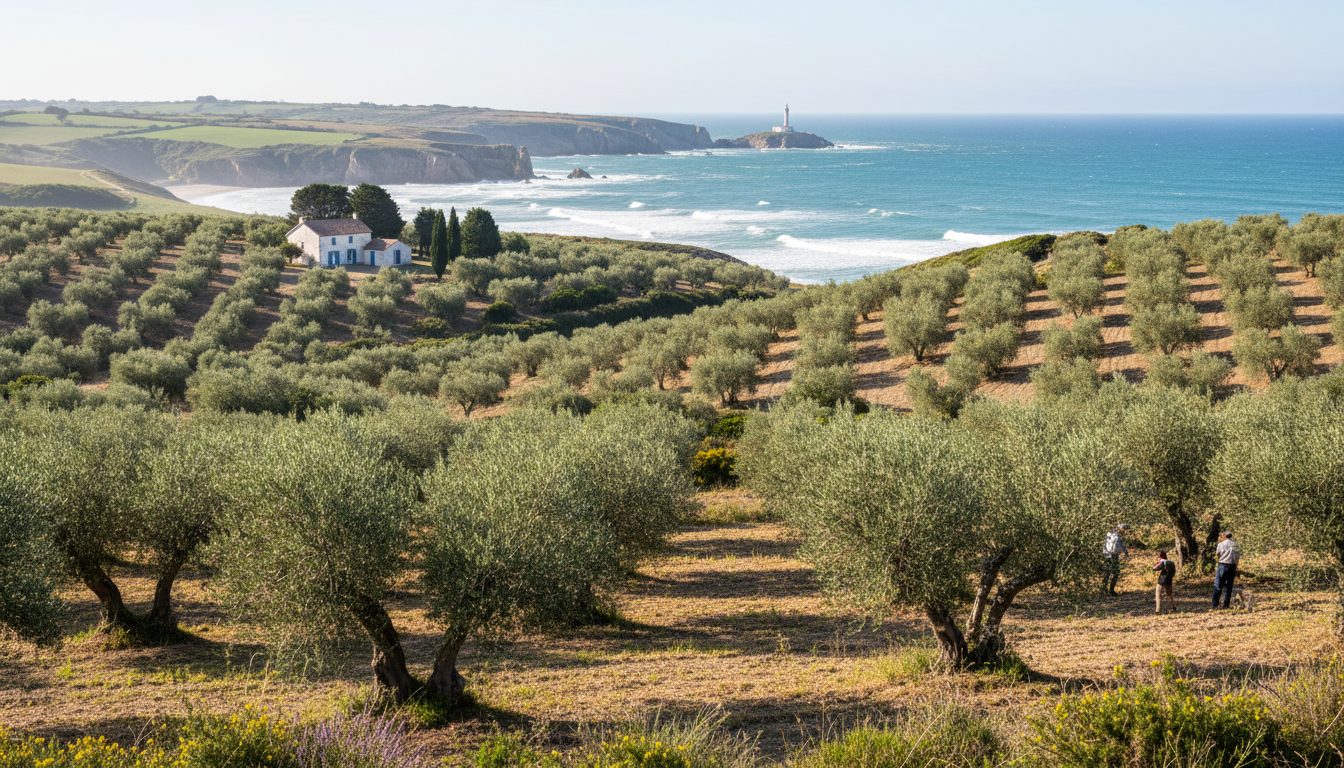
Vendee & Charente Food & Wine Guide: Local Cuisine, Markets & Wine Estates
Vendée and Charente produce some of France’s most distinctive regional food and drink: Marennes-Oléron oysters, Cognac brandy, Pineau des Charentes, Vendée ham, mogettes beans and the Fiefs Vendéens wines. The best way to experience it is through coastal markets, small vineyard cellars and the long, unhurried seafood lunches the region takes entirely for granted.
Here is the thing nobody tells you before you arrive: the best meal you will eat in this part of France probably will not be in a restaurant. It will be standing at a market stall in a car park somewhere near the coast, eating oysters off a paper plate with a squeeze of lemon and no cutlery, while the stallholder tells you – not unkindly – that you are doing it wrong. This region does not perform its food for visitors. It simply gets on with producing some of the best raw ingredients in the country and leaves you to work out how good you have it.
Vendee & Charente Cuisine: Signature Dishes and Regional Flavours
The cooking here is built on three things the land and sea provide in quantity: pork, beans and shellfish. Jambon de Vendée, a dry-cured ham perfumed with local spirit, turns up sliced thin as a starter or diced into omelettes. Mogettes de Vendée – small white haricot beans, slow-cooked with garlic and herbs – are so central to regional identity that locals are sometimes (affectionately) called “mogette eaters” by neighbouring departments. They appear alongside the ham, or simply on toast with salted butter, which sounds modest and tastes considerably better than it has any right to.
Brioche vendéenne, plaited and glossy with egg wash, is the region’s sweet signature – sold everywhere from bakeries to motorway service stations, with predictably variable results. In Charente, the cooking leans further toward the generous use of butter (this is, after all, Charentes-Poitou butter country, prized by French chefs for its quality) and snails prepared in the Charentais style, a dish locals will happily argue about for the length of an entire meal. Cagouilles, as the snails are known here, are cooked slowly with ham, garlic and a splash of the local brandy – because of course they are.
Vendee & Charente Wine: Fiefs Vendéens, Cognac and Pineau des Charentes
Vendée’s own wine appellation, Fiefs Vendéens, rarely travels far beyond regional restaurant lists, which is part of its appeal. Produced around pockets inland from the coast, the reds and whites are light, food-friendly and entirely unpretentious – wines that exist to be drunk with lunch rather than discussed at length.
Charente, meanwhile, is one of the only places on earth that can claim to be the actual home of Cognac. The brandy takes its name from the town itself, and the surrounding vineyards are divided into crus with names that sound like a geography exam – Grande Champagne, Petite Champagne, Borderies, Fins Bois – each producing eau-de-vie with a slightly different character, aged for years in oak before blending. Pineau des Charentes, a fortified aperitif made by stopping fermenting grape juice with young Cognac, is the quieter, more approachable cousin: drunk chilled, before dinner, and far too easy to underestimate on a warm afternoon.
Wine Estates to Visit in Vendee & Charente
Many Cognac producers in and around the town of Cognac and neighbouring Jarnac open their cellars to visitors, walking guests through the ageing warehouses where barrels sit in near-darkness, slowly losing a percentage of their contents to evaporation each year – a phenomenon the French, with characteristic poetry, call “the angels’ share.” Tours typically end with a tasting that makes the drive out entirely worthwhile.
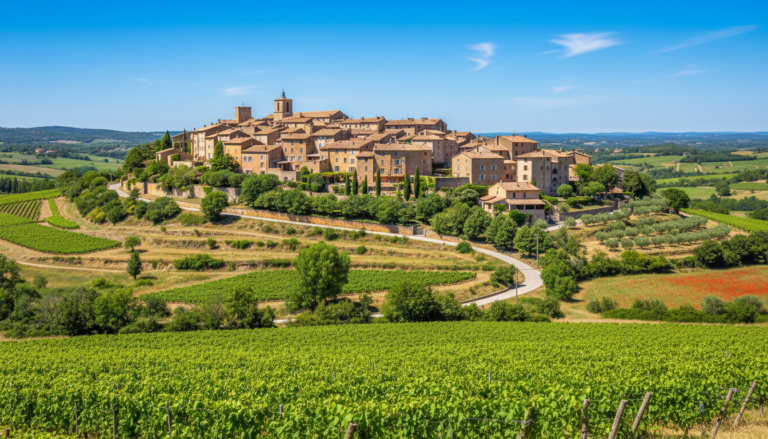
In Vendée, the Fiefs Vendéens estates tend to be smaller and considerably less ceremonious – family-run cellars where the person pouring your tasting is quite possibly the person who pruned the vines. It is a useful corrective to anyone who thinks all French wine tourism involves gravel driveways and hushed reverence. Some is. This mostly is not, and it is better for it.
Food Markets in Vendee & Charente
Coastal towns along the Vendée and Charente-Maritime shoreline run markets that double as genuine social occasions – locals doing their weekly shop, visitors doing their best to look like they are not entirely lost. Expect trestle tables of just-landed fish, mounds of mogettes sold loose by weight, wheels of regional cheese, and oysters shucked to order by someone who has clearly done this ten thousand times before. Inland market towns lean more toward produce – melons, tomatoes, garlic plaits – and the kind of unhurried bartering that makes a supermarket feel like a very poor substitute.
Markets here run to their own schedule rather than any tourist timetable, which means arriving mid-morning gets you the best of the stock and arriving at lunchtime gets you mostly stallholders packing up and ignoring you. Plan accordingly.
Cooking Classes in Vendee & Charente
Cooking classes across the region tend to focus on precisely the dishes worth learning – mogettes done properly, seafood handled with minimal fuss, the kind of simple sauces that rely entirely on good ingredients rather than technique. Sessions are often built around a market visit first, so participants select their own produce before cooking it, which has the useful side effect of making you considerably more discerning about vegetables for the rest of your life. Charente’s classes occasionally extend to Cognac and Pineau pairing, which is either an education or a very pleasant way to lose an afternoon, depending on how seriously you take the notes.
Seafood in Vendee & Charente
This is Atlantic coastline, and the seafood reflects it without apology. Marennes-Oléron, just across the water in Charente-Maritime, produces the famous green oysters – coloured by a particular blue algae the oysters feed on in the claires, the shallow finishing ponds used to refine their flavour before sale. They are, by most accounts, among the finest oysters in France, and locals will tell you this with the mild exasperation of people who have had to say it many times to people who assumed all oysters taste the same.
Mussels, too, feature heavily – the Bay of l’Aiguillon on the Vendée coast is a significant mussel-farming area, and mouclade, a creamy mussel dish lifted with a touch of curry spice and sometimes a splash of Cognac or Pineau, is a genuine regional speciality rather than a tourist invention. Fresh fish, simply grilled, rounds things out. Nobody here is trying to reinvent seafood cookery. They are simply not getting in its way.
Seasonal Specialities in Vendee & Charente
Spring and early summer bring the best of the shellfish and the first of the region’s tomatoes and melons, the latter grown further south but widely available and genuinely worth seeking out. Autumn shifts the focus inland, toward the pork and bean dishes that suit cooler weather, and toward the Cognac harvest, when the grape pickers move through the vineyards and the air around the distilleries takes on a faint, sweetish smell that lingers for weeks. Salt, harvested on the Île de Noirmoutier through summer, is at its finest – the pale, mineral fleur de sel collected by hand rather than machine, and priced accordingly.
Winter is quieter, but not empty – oysters remain in season year-round, and this is arguably when the Cognac houses are at their most atmospheric, barrels sitting in cold, dim warehouses while outside the rain does what Atlantic rain does.
Best Food Experiences in Vendee & Charente
If time is short, prioritise three things. First, an oyster lunch somewhere near the coast, ideally bought straight from a producer rather than a restaurant, eaten with nothing more than bread, butter and a glass of local white. Second, a Cognac cellar visit, timed for late afternoon when the light through the warehouse slats does something genuinely cinematic to all that ageing oak. Third, a proper mogette-and-ham lunch inland, slow and unphotogenic, which is precisely the point.
For a wider sense of the region beyond the table, the Vendee & Charente Travel Guide covers the coastline, towns and islands that frame all this eating and drinking.
Anyone planning where to stay while exploring the region’s food and wine can see the villas in Vendee & Charente.
Vendee & Charente Food and Wine FAQs
What is the best time of year for a food and wine trip to Vendee and Charente?
Late spring through early autumn offers the widest range of fresh produce, active markets and good weather for outdoor eating, while autumn adds the Cognac grape harvest for those interested in the wine-making side of the region.
Can you visit Cognac producers without a prior reservation?
Some cellars accept walk-in visitors, particularly in peak season, but booking ahead is advisable, especially for smaller family-run estates with limited tour slots and for anyone hoping to combine a tour with a tasting.
Is the food in Vendee and Charente suitable for vegetarians?
It requires a little more effort than in some regions, given the emphasis on pork and shellfish, but mogette-based dishes, regional cheeses and vegetable-forward market produce make vegetarian eating entirely possible with some planning.
Keep reading
More on Vendee & Charente
- Travel guideVendee & Charente Travel Guide
- When to goBest Time to Visit Vendee & Charente
- RestaurantsBest Restaurants in Vendee & Charente
- FamiliesVendee & Charente with Kids
Guides nearby in France
- France Travel Guide
- Paris Travel Guide
- Provence-Alpes-Côte d’Azur Travel Guide
- Auvergne-Rhône-Alpes Travel Guide
- South of France Travel Guide
- Nouvelle-Aquitaine Travel Guide
- South West France Travel Guide
- French Riviera Travel Guide
- Dordogne Travel Guide
- Occitanie Travel Guide
- Aquitaine Travel Guide
- Chamonix Travel Guide
Where to stay
Villas in Vendee & Charente
A selection from our 43 luxury villas in Vendee & Charente.