


Casa Bella | 3-Bedroom Villa with Private Pool in Tinjan
Holiday Home Rental Description
Tinjan sits quiet and unhurried in the heart of Istria’s interior, and Casa Bella occupies this peaceful rural setting with the kind of confidence that comes from being exactly where it belongs. This luxury villa rental in Tinjan offers something increasingly rare: a property that feels genuinely lived-in rather than showroom-perfect, where the stone walls absorb warmth and the terracotta floors have the patina of time. Casa Bella sleeps 9 guests across 3 bedrooms and 5 bathrooms, making it ideal for extended families or groups of friends seeking an authentic Istrian experience beyond the crowded coastal towns.
Inside Casa Bella
The ground floor immediately establishes the villa’s character. A fully equipped kitchen anchors one end, with professional-grade appliances and a substantial central island that transforms cooking from isolation into conversation. The oven and stove accommodate everything from morning espresso to multi-course dinners, while the integrated dishwasher and separate pantry room mean supplies never run short. Walking through, the living and dining areas flow into one another with the kind of easy geometry that works whether you’re feeding two people or nine. Natural light pours through generous windows, illuminating terracotta tiles that cool the space during summer months. A family bathroom and guest toilet sit conveniently on this level, while the laundry room—equipped with both washing machine and clothes dryer—handles the practicalities of longer stays.
Ascend to the first floor and discover three king-bedded bedrooms, each with its own en-suite bathroom. This is architecture designed for privacy without isolation: each bedroom suite contains a double sink, rainfall shower, bathtub, toilet and bidet. The spatial generosity means guests never queue or compromise on morning routines. Air conditioning runs throughout, responding to the intensity of summer heat, while heating ensures comfort during Croatia’s cooler months. Every bedroom receives the same meticulous attention to detail—individual safes for valuables, hairdryers, quality linen and towels restocked daily, and enough storage that unpacking feels optional.
Technology integrates invisibly: satellite and cable television in the main living spaces, Wi-Fi throughout the property (essential for those who cannot fully escape), and climate control managed room-by-room rather than as a blunt instrument. The villa provides bathroom essentials, iron and board, and coffee-making equipment—the small luxuries that separate adequate accommodation from somewhere you’ll actually want to stay.
Outdoor Spaces and Living
The real transformation happens outside. A circular heated private pool dominates the grounds, its temperature maintained year-round for swimmers who don’t subscribe to the shock-therapy school of water entry. Sun loungers surround the pool’s perimeter, while a timber pergola creates structured shade for those who’ve exceeded their UV quota. The pool heating extends the swimming season significantly—June through September is obvious, but May and October water temperatures remain pleasant for all but the most heat-sensitive swimmers.
An outdoor dining terrace runs adjacent to the villa, designed for the kind of meals where nobody counts the hours spent at table. A built-in barbecue handles grilling duties with the kind of capacity that makes feeding nine people feel manageable rather than logistically nightmarish. The terrace’s exposure means it catches both morning light and evening sea breezes that drift inland from the Adriatic, about 20km away. Guests consistently report that the transition from inside to outside happens so naturally that the boundary blurs entirely—breakfast moves to the terrace, lunch extends into afternoon reading, dinner stretches into conversation under clearing skies.
Parking for two vehicles sits on the property, essential when exploring Istria’s network of rural roads and coastal destinations. The enclosed grounds provide security and privacy without feeling prison-like—the boundaries are there, but unobtrusive.
Location: Tinjan and the Surrounding Istria
Tinjan itself is the kind of place that time hasn’t so much forgotten as gently declined to modernise. Stone houses cluster along narrow lanes, local konobas (traditional taverns) operate on the principle that guests arrive when hungry and leave when satisfied, and the rhythm of daily life moves according to agricultural seasons and social bonds rather than tourist schedules. This is inland Istria—the real Istria—where wine production, olive groves and truffle hunting matter more than postcards.
The Adriatic coast lies approximately 20km south, accessible within 25 minutes by car. Poreč, sitting on Istria’s western shoreline, represents the region’s most developed coastal destination and deserves the journey for reasons beyond beach swimming. The UNESCO-listed Euphrasian Basilica dominates the old town, its Byzantine mosaics dating from the 6th century offering visual evidence of Istrian history stretching back to the Roman empire. The waterfront buzzes with restaurants serving fresh seafood caught that morning, while independent shops and cafés line atmospheric streets that reward slow exploration. For water-based activity, Poreč offers boat hire, kayaking excursions, and ferries connecting to nearby islands—Cres, 12km offshore, features quiet coves, walking trails, and significantly fewer tourists than the mainland.
Pula, 45km south, showcases Roman engineering through the remarkably preserved amphitheatre, the Temple of Augustus, and the forum that anchors the old town. Day-trip territory from Casa Bella, Pula’s markets, waterfront restaurants, and street life provide cultural contrast to rural Tinjan. The journey south takes approximately 50 minutes by car.
Učka Nature Park rises immediately to the north of Tinjan, a network of walking trails and dramatic viewpoints stretching toward the Kvarner Gulf. The park elevation reaches 1,401 metres at its peak (Vojak), providing panoramic views across Istria, the Kvarner Islands, and on exceptionally clear days, Slovenia’s Julian Alps. Cycling routes thread through the park, while guided excursions can be arranged through local tourism offices. For those interested in hiking, the walk from Tinjan to the ridgeline takes approximately 3-4 hours and rewards effort with extraordinary perspective.
Wine tourism forms a significant part of Istrian culture. The region produces exceptional white wines—particularly Malmsey and Istrian Malvazija—and several wineries welcome visitors for tastings. Casa Bella can arrange wine-tasting experiences, or guests can independently explore family-run producers within 10-15km. Olive oil production similarly dominates the landscape; harvest season (November-December) sees intense activity in groves surrounding the villa.
The Adriatic offers snorkelling and scuba diving opportunities, with clear water visibility reaching 30+ metres during summer months. Beach options range from pebble to sand; Umag, 25km northwest, offers substantial sandy beaches and water sports facilities. Novigrad, 20km west, combines medieval architecture with contemporary waterfront dining and a smaller, less crowded beach environment.
For destination inspiration and practical planning, explore our comprehensive Croatia travel guide covering seasonal highlights, driving routes, and cultural context. To discover similar properties, browse our collection of luxury villas in Opcina Tinjan, or explore our broader selection of European luxury villas for comparison.
Seasonal timing matters significantly. April through May offers warm days, manageable crowds, and spring light that photographers cherish. June-August brings peak tourism, maximum heat, and the busiest beaches and restaurants—excellent for those prioritising activity and nightlife, less ideal for those seeking tranquility. September-October delivers the season’s clearest light, continuing warmth, and the beginning of harvest season activity that gives Istrian culture its annual rhythm. November through March requires acceptance of cooler temperatures and occasional rain, but offers dramatically reduced crowds and access to authentic local life rather than tourist infrastructure.
Who This Villa Suits Best
Extended families (grandparents, parents, children across multiple generations) benefit from Casa Bella’s configuration: enough bathrooms that morning routines don’t become household conflict, enough space that teenage children can find privacy, but layout encouraging common meals and gathering. The heated pool appeals to younger swimmers even in shoulder seasons when sea temperatures disappoint.
Groups of 4-6 adult friends seeking shared holidays without everyone sleeping in the same corridors find the three-bedroom configuration ideal. Couples bringing elderly parents or adult children appreciate en-suite bathrooms and ground-floor accessibility options. Professional teams requiring villa-based retreats benefit from consistent Wi-Fi, meeting-friendly table arrangements, and the kind of space that makes day-long sessions sustainable.
Wine enthusiasts gravitate toward Istrian villas specifically for the region’s production traditions; Casa Bella’s central location supports both casual exploration and arranged tastings. Food-focused travellers appreciate proximity to Poreč’s restaurants and the ability to prepare meals using local markets—the kitchen’s capacity and equipment make cooking a pleasure rather than obligation.
Photography enthusiasts value Učka’s dramatic landscapes, Poreč’s architectural light, and the consistent golden hour quality that Istria’s latitude and landscape orientation provide. The villa’s quiet location permits early morning departures for optimal light conditions.
Practical Information
Casa Bella accommodates 9 guests distributed across 3 bedrooms, each with king beds, and 5 bathrooms (three en-suites plus two additional facilities). No additional annexes or sofa beds supplement bedroom capacity.
Nearest international airport: Pula Airport (Pula) lies 50km south, approximately 50 minutes by car. This airport handles European flights with reasonable frequency. Alternative option: Trieste Airport (northeast Italy) sits 95km away (90 minutes by car), offering more European connections but with Italian customs clearing adding approximately 15-20 minutes to transfer times.
Nearest supermarket: Tinjan village centre contains small shops for daily supplies, approximately 3km from Casa Bella. For comprehensive shopping, Poreč (20km, 25 minutes) offers larger supermarkets including Konzum and Plodine chains carrying local and international products.
What is included: Utilities (electricity, heating, water), Wi-Fi internet access, pool heating, linen and towels (refreshed regularly), bathroom essentials, and cleaning on departure. Satellite and cable television access is provided. Air conditioning and heating operate at guest discretion. Parking accommodates two vehicles.
Check-in timing remains flexible within reason; arrival before 4pm is standard, departure by 10am assumed, but owners accommodate earlier arrivals and later departures subject to availability and additional fees.
Frequently Asked Questions about Casa Bella
How many guests does Casa Bella sleep?
Casa Bella sleeps 9 guests across 3 bedrooms, each furnished with a king bed. No additional sleeping arrangements (sofa beds, rollaway beds, or annexes) supplement bedroom capacity. The configuration suits extended families or groups of friends where some pairs share beds, or smaller groups (4-6 people) seeking exceptional privacy and bathroom ratios.
What is the nearest airport to Casa Bella in Croatia?
Pula Airport (Pula/Istria), located 50km south of Casa Bella in Tinjan, serves as the nearest international airport. Ground transfer takes approximately 50 minutes by car. The airport accommodates European flights with regular Ryanair services and connections through major European hubs. Alternative: Trieste Airport (northeast Italy) is 95km away (90 minutes driving), offering more extensive European connections but requiring Italian customs processing and potentially visa considerations for non-EU guests.
What is the best time of year to rent Casa Bella?
May through September offers guaranteed warmth and manageable rainfall; June-August peaks in both temperature and tourist crowds. September-October delivers exceptional light quality, continued warmth, and harvest season atmosphere as grapes and olives are processed. April-May brings spring conditions (12-18°C) with wildflower blooms and emerging green. November-March requires acceptance of cooler temperatures (4-10°C) and occasional rain, but Istrian wine harvest (October-November) provides authentic cultural access unavailable during peak tourism.
Is Casa Bella suitable for families with children?
Yes. The heated private pool permits year-round swimming for families uncomfortable with unheated sea temperatures. Ground-floor accessibility supports families with very young children or elderly relatives. Nearby Poreč and Umag offer family-friendly beaches with shallow entry and lifeguard presence. High chairs can be provided (mentioned in amenities). The villa’s enclosed grounds provide contained play space. However, the absence of organised kids’ clubs means families seeking structured daily activities might prefer coastal resort properties.
What is included in the rental price at Casa Bella?
The rental price includes utilities (electricity, water, heating), Wi-Fi internet access throughout the property, pool heating, bed linen, towels, bathroom essentials, and initial cleaning upon arrival. Satellite and cable television is provided. Air conditioning and heating operate without additional charge. Parking for two vehicles is included. Additional charges may apply for late departures, excessive cleaning requirements, or damage beyond normal wear.
What restaurants and shops are near Casa Bella?
Tinjan village centre (3km) contains traditional konobas serving Istrian specialities—seek out family-run establishments serving homemade pasta, local wines, and grilled meats. Poreč (20km, 25 minutes) offers the region’s broadest restaurant selection, from fine dining establishments like Parentino (seafood-focused) to casual waterfront taverns. Motovun (12km northeast) features hilltop restaurants with panoramic views and truffle-based dishes during autumn. Markets: Poreč’s waterfront farmers market operates several times weekly, offering seasonal produce, local cheese, and olive oil. Supermarkets: Konzum and Plodine branches operate in Poreč and larger surrounding towns, accessible for self-catering requirements. Truffle-hunting experiences can be arranged through local guides during autumn season (September-December).
Availability
| M | T | W | T | F | S | S |
|---|---|---|---|---|---|---|
| 1 From £320 | 2 From £320 | 3 From £320 | 4 From £320 | 5 From £320 | 6 From £320 |
|
| 7 From £320 | 8 From £320 | 9 From £320 | 10 From £320 | 11 From £320 | 12 From £320 | 13 From £320 |
| 14 From £320 | 15 From £320 | 16 From £320 | 17 From £320 | 18 From £320 | 19 From £320 | 20 From £320 |
| 21 From £320 | 22 From £320 | 23 From £320 | 24 From £320 | 25 From £320 | 26 From £320 | 27 From £320 |
| 28 From £320 | 29 From £320 | 30 From £320 |
||||
| M | T | W | T | F | S | S |
|---|---|---|---|---|---|---|
| 1 From £320 | 2 From £320 | 3 From £320 | 4 From £320 |
|||
| 5 From £320 | 6 From £320 | 7 From £320 | 8 From £320 | 9 From £320 | 10 From £320 | 11 From £320 |
| 12 From £320 | 13 From £320 | 14 From £320 | 15 From £320 | 16 From £320 | 17 From £320 | 18 From £320 |
| 19 From £320 | 20 From £320 | 21 From £320 | 22 From £320 | 23 From £320 | 24 From £320 | 25 From £320 |
| 26 From £320 | 27 From £320 | 28 From £320 | 29 From £320 | 30 From £320 | 31 From £320 |
|
On the Map
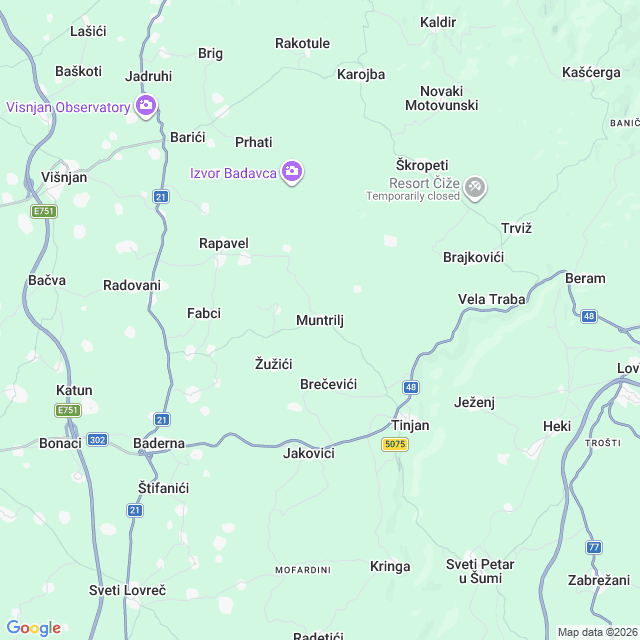
Approximate location shown
Similar Listings


