Galicia with Kids: Rías, Rock Pools & Octopus for Dinner
Galicia in northwest Spain suits families well, thanks to calm estuary beaches, mild summer temperatures and seafood-heavy menus that rarely trouble fussy eaters. Short driving distances mean a family base can combine coast, historic Santiago de Compostela and rural attractions without punishing transfers. Facilities for children are solid in the main towns, though rural areas offer fewer dedicated kids’ attractions than Spain’s theme-park coasts further south.
So does Galicia actually work for a family holiday, or is it one of those regions quietly reserved for wine-drinking adults who like their scenery green and their dinners late? The answer, reassuringly, is that it works rather well – just not in the way a brochure for the Costa del Sol would have you believe. There are no water parks with fibreglass pirate ships here. What there is instead is a long, scalloped coastline of sheltered bays, a seafood culture that treats children’s appetites as entirely reasonable, and a pace of life that doesn’t punish you for needing a mid-afternoon nap (the child’s or your own). If you want the fuller regional picture before diving into the family logistics, the Galicia Travel Guide covers the wider lay of the land.
How Family-Friendly Is Galicia?
Galicia was never built with a theme park in mind, and that is largely to its credit. What it offers instead is a landscape that keeps children interested without needing to be entertained constantly – rock pools, fishing harbours, hills to roll down, and beaches shaped more like lakes than ocean fronts, thanks to the rías that carve the coastline into dozens of sheltered inlets. Spanish culture generally runs on an easy tolerance of children in restaurants, at late hours, in the middle of adult conversation. Nobody raises an eyebrow at a toddler commandeering the bread basket.
The flip side is honesty: this is not a region of endless sunshine. Weather here behaves more like Ireland’s than Andalucía’s, with real rain even in summer, and English is spoken less reliably once you’re off the main tourist routes. Families wanting guaranteed poolside lounging and a menu in six languages might find Galicia a touch too authentic for comfort. Those happy to trade certainty for atmosphere will do very well.
Best Family Beaches in Galicia
The rías – those long, calm estuaries that fold into the Atlantic along the Rías Baixas in the south – are where Galicia earns its family-beach credentials. Praia de Samil, just outside Vigo, has shallow, gently shelving water, a promenade for scooters, and enough space that nobody is forced to share a towel with a stranger’s beach tennis game. Riazor, right in the centre of A Coruña, is a proper city beach: clean, well-patrolled and within pushchair distance of ice cream and shade.
For something more dramatic, Praia das Catedrais on the northern coast delivers natural rock arches that children treat as an adventure playground at low tide – though timing matters, since the tide schedule, not your itinerary, decides when you can actually walk among them. The Cíes Islands, reached by boat from Vigo, have some of the clearest water in Spain and a beach, Praia de Rodas, regularly (and accurately) described as one of the finest in the country. Visitor numbers are capped, so advance booking of the ferry crossing is sensible rather than optional.
Things to Do in Galicia with Kids
Santiago de Compostela, beyond its role as the end point of the Camino, is simply enjoyable to wander as a family – its stone streets are largely pedestrianised, and the cathedral square has enough street performers and pigeon-chasing potential to keep younger children occupied while adults admire the architecture. A Coruña’s seafront promenade curves for several kilometres past the Torre de Hércules, a working Roman lighthouse and UNESCO World Heritage Site that children enjoy mostly for the climb and the view, which is the correct order of priorities at that age.
Boat trips around the rías are an easy win: calm water, dolphins on a good day, and a captain who has clearly done this with squabbling siblings before. Horse riding, cycling along old railway paths converted into greenways, and fishing-village visits where boats still land the catch each morning all give children something to do rather than simply something to look at. Rural Galicia also has working farms and natural parks where supervised animal encounters are common, a reliable antidote to a long car journey.
Child-Friendly Restaurants in Galicia
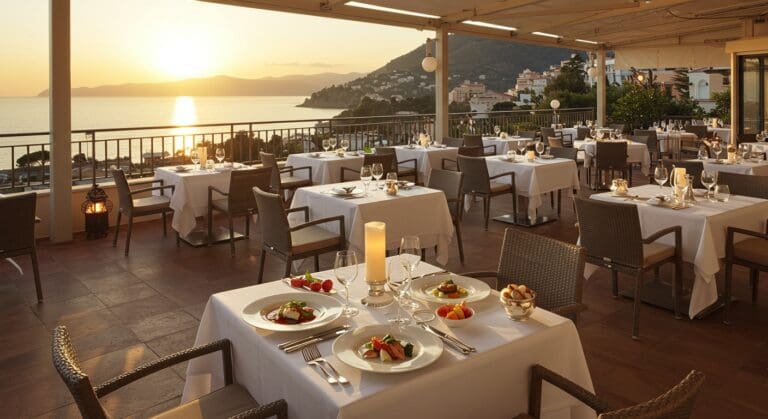
Galician food culture is, frankly, built for families. The region’s marisquerías – seafood restaurants, often with tanks of the day’s catch on display – serve dishes that children either love immediately or find fascinating in a slightly horrified way, which counts as engagement. Pulpo a la gallega, boiled octopus with paprika and olive oil, is milder than it sounds and usually goes down better than expected. Empanada gallega, a savoury pie filled with tuna, pork or seafood, is the ideal portable lunch for a family that refuses to sit still between beaches.
Padrón peppers – small, usually mild, occasionally fiery – make a good game at the table (who gets the hot one), and tarta de Santiago, the almond cake traditionally marked with the cross of St James, satisfies most children’s sweet tooth without resorting to anything deep-fried. Portions in Galicia tend to be generous and meal times flexible, and asking for a children’s plate or a split main is rarely met with anything but a shrug and a smile.
Rainy Day Activities in Galicia
Galicia’s weather does not always cooperate, and a sensible family itinerary builds in a plan B. A Coruña has an aquarium focused on the Atlantic’s own marine life rather than the usual tropical fish, along with an interactive science museum that leans heavily on hands-on exhibits – both reliable options when the sky turns the colour of wet slate. Santiago’s covered market and surrounding arcaded streets offer shelter alongside genuine local life, which beats a shopping mall for atmosphere if not for dryness.
Covered food markets across the region double as rainy-day entertainment, with stallholders generally happy to let children look, ask questions and occasionally sample. Indoor pools attached to larger hotels and sports centres are common in the bigger towns. Galicia’s museums tend to be smaller and more specific than Spain’s big-city institutions – maritime history, local saints, traditional costume – which makes them easier to get through with a restless eight-year-old before everyone’s patience runs out.
Galicia with Kids by Age
Galicia with Toddlers
Toddlers do well here largely because nobody minds them. Restaurants expect noise, pushchairs are accommodated without fuss on cobbled streets (slowly, admittedly), and the shallow rías beaches mean paddling without the anxiety of a steep drop-off. Pack for changeable weather – a warm morning can turn into a cool, drizzly afternoon with little warning, particularly near the coast.
Galicia with Juniors (Ages 5-12)
This is Galicia’s sweet spot age group. Rock pools, boat trips, beach days and the gentle novelty of octopus on a plate all land well with children old enough to be curious but young enough not to need a phone signal to be happy. Cycling the greenways or a short, easy stretch of the Camino itself makes for a memorable half-day that doesn’t feel like a forced march.
Galicia with Teenagers
Teenagers may need more convincing, given the relative absence of nightlife or shopping on the scale of Madrid or Barcelona. Surfing on the northern coast’s more exposed beaches, however, tends to win most of them over, as does the slightly eerie drama of Praia das Catedrais and the independence of exploring Santiago’s old town on their own schedule for an afternoon.
Getting Around Galicia with Children
A hire car is, in practical terms, close to essential for families wanting to cover the coast and interior without relying on patchy rural bus timetables. Roads are generally good, if winding in the hillier inland areas, so those prone to car sickness should sit up front and keep snacks handy. Major towns – Santiago, A Coruña, Vigo, Pontevedra – are compact enough to explore on foot once you’ve arrived, and most have pedestrianised centres that make pushchairs and wandering toddlers less of a hazard than in a typical Spanish city.
Distances between the main family bases are short by Spanish standards, usually under an hour and a half by car, which keeps car-seat tantrums to a minimum. Ferries to the Cíes Islands need booking ahead in peak season, and parking in central Santiago during Camino season requires patience that small children rarely possess in reserve.
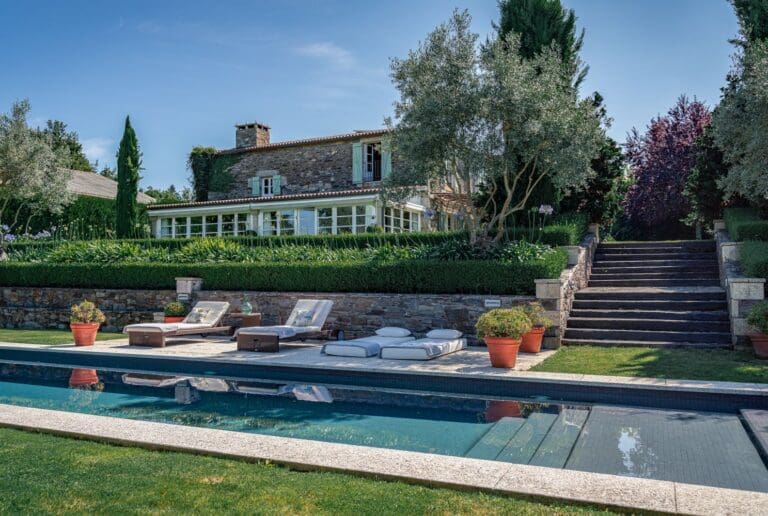
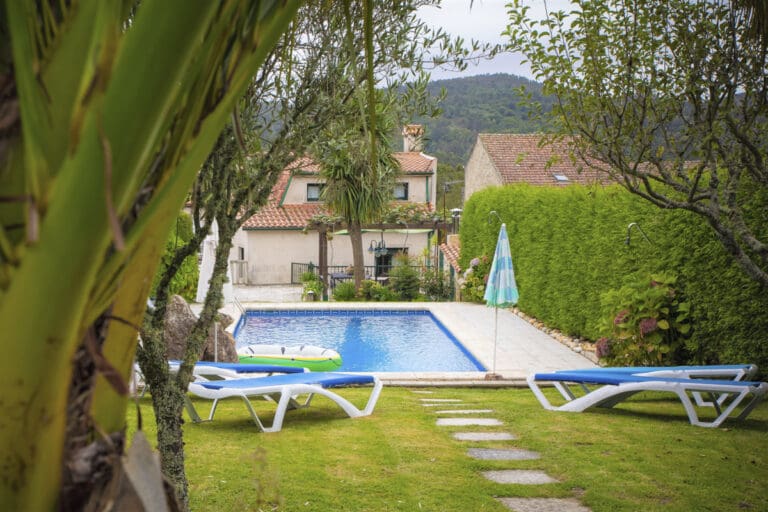
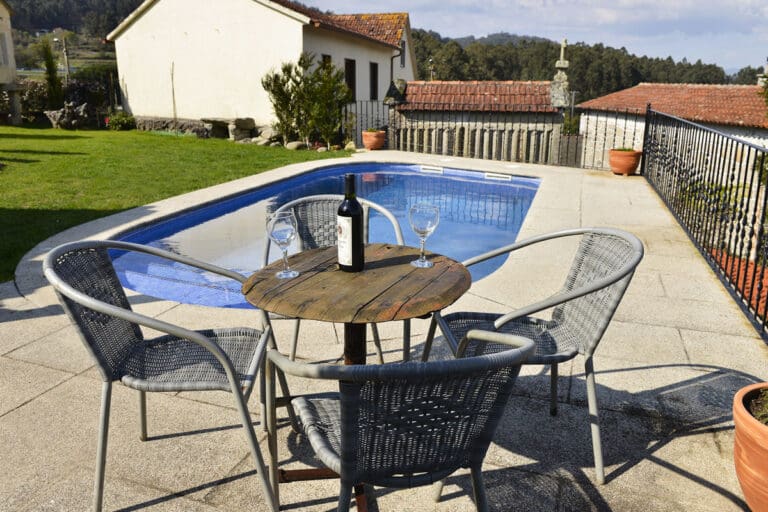
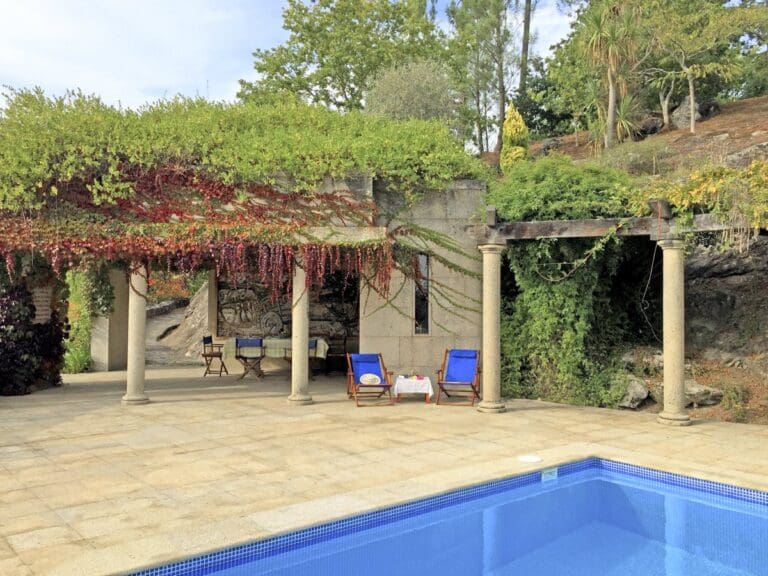
If you’re now working out where to base a family trip, there’s a shortlist of villas in Galicia worth starting with.
Galicia Family Holiday FAQs
Is Galicia safe for swimming with young children?
Yes, particularly on the sheltered ría beaches such as Samil and Riazor, where the water is calm and shallow. Beaches on the exposed northern coast and the Cíes Islands can have stronger currents, so check flags and local advice before letting children swim unsupervised.
What is the best time of year to visit Galicia with kids?
Late June to early September offers the warmest, driest conditions and the best chance of comfortable beach days, though it’s also the busiest period. May and late September are quieter, still reasonably mild, and better suited to families who don’t need guaranteed sunshine.
Do children need vaccinations or special health precautions for Galicia?
No special vaccinations are required for Spain. Standard travel precautions apply – sun protection even on cloudy days, given the Atlantic glare, and a basic first-aid kit for the inevitable rock-pool scrape or jellyfish sting, which are occasional rather than common.
Keep reading
More on Galicia
- Travel guideGalicia Travel Guide
- When to goBest Time to Visit Galicia
- RestaurantsBest Restaurants in Galicia
- Food & wineGalicia Food & Wine
Guides to places in Galicia
Where to stay
Villas in Galicia
A selection from our 52 luxury villas in Galicia.