16th arrondissement with Kids: Trocadéro & Bois de Boulogne
The 16th arrondissement is one of the most family-friendly parts of Paris, offering green space, a dedicated children’s amusement park, museums with genuine kid appeal and quiet residential streets away from the tourist crush. Families with children of any age can comfortably base themselves here, and most major Paris sights remain a short metro or bus ride away.
Can an arrondissement built largely for Belle Époque apartment-dwellers and their discreet money actually work for a family holiday? That’s the question every parent asks before booking into the 16th, and the answer, somewhat to everyone’s surprise, is yes – handsomely so.
Where other central Paris neighbourhoods offer charm but precious little room to actually move, the 16th arrondissement gives children somewhere to run, climb, paddle a boat, and occasionally shriek without a waiter materialising to tut. It is, in short, the arrondissement that remembered children exist. For the wider context on what else this part of Paris offers beyond the family brief, the 16th arrondissement Travel Guide covers the full picture.
How Well 16th arrondissement Works for Families
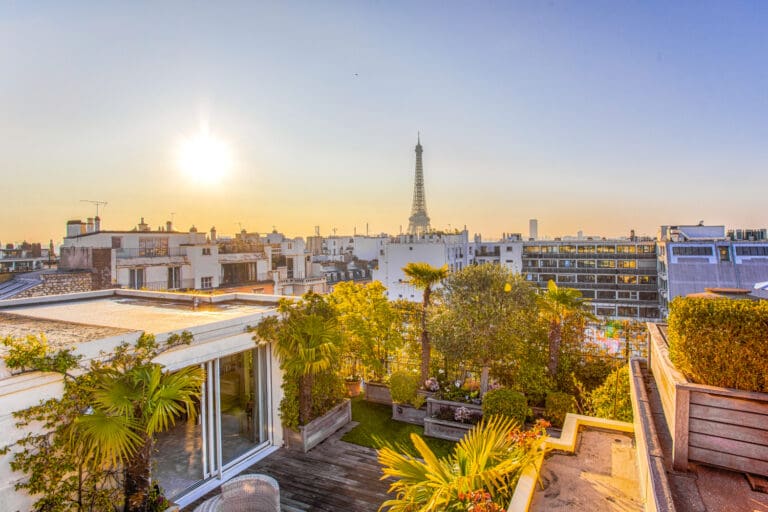
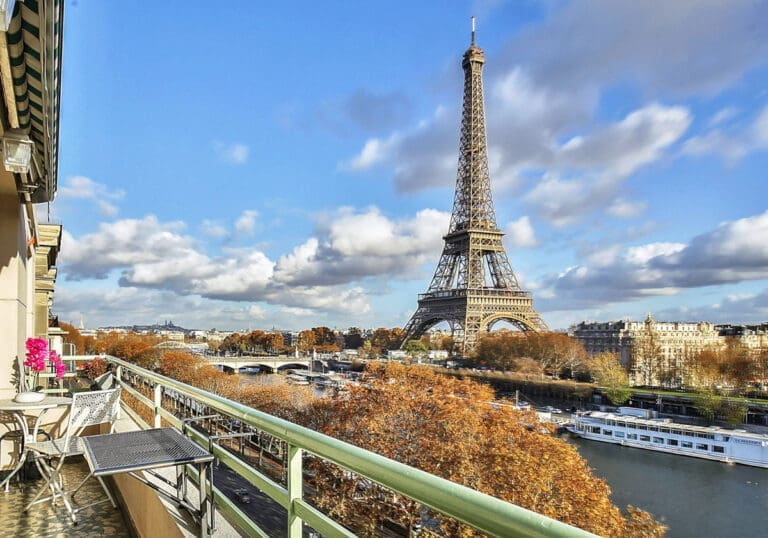
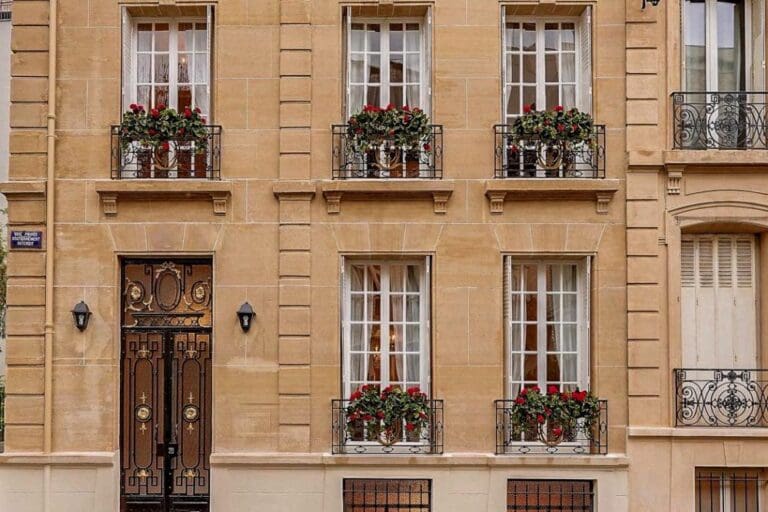
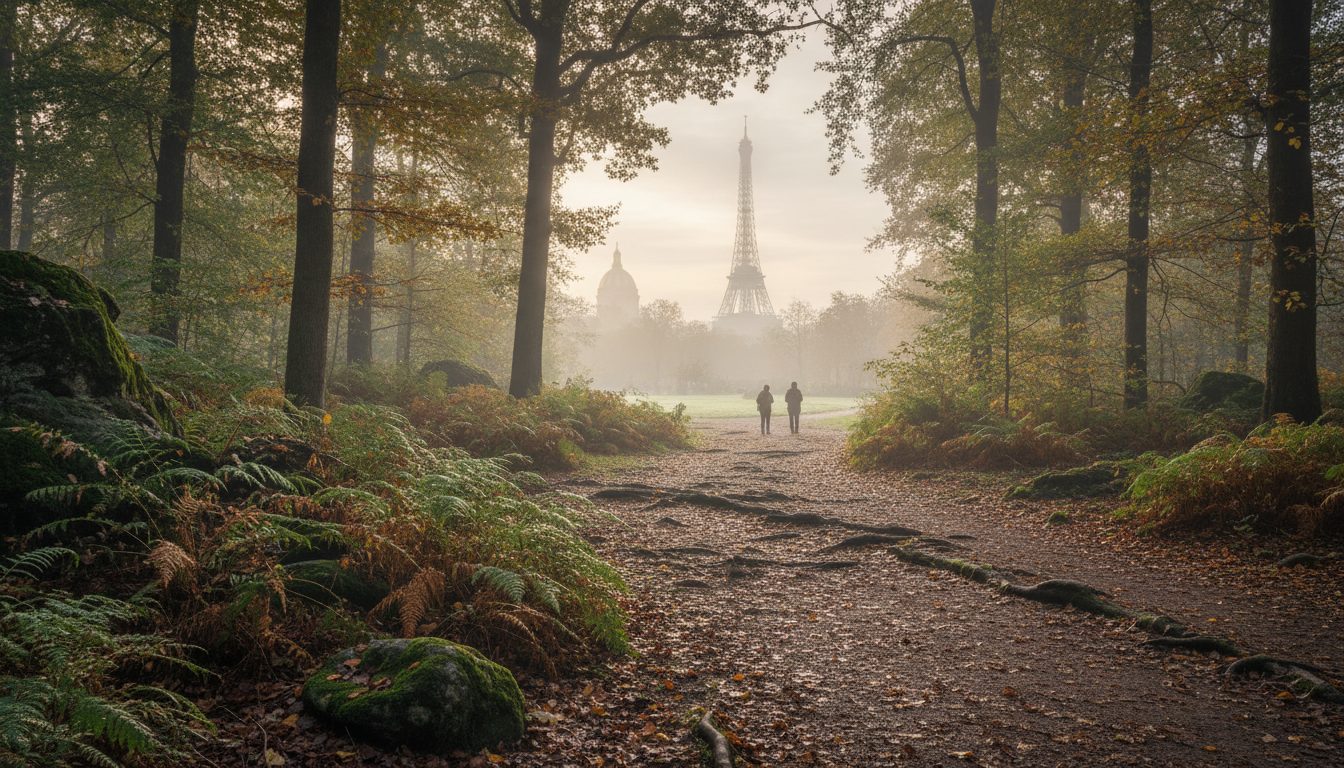
The 16th arrondissement sits on the western edge of Paris, wrapped around the Bois de Boulogne and facing the Eiffel Tower across the river at Trocadéro. This geography alone does most of the heavy lifting for families: you get one of Europe’s largest urban woodlands on one side and the single most photogenic monument in the country on the other, with leafy residential streets – wide pavements, low traffic, genuine quiet after dark – filling the space between.
It is also, not coincidentally, one of the safest and most settled parts of the city, home to generations of Parisian families rather than a rotating cast of short-let tourists. That means proper bakeries, proper pharmacies, and playgrounds that haven’t been colonised entirely by selfie sticks. The trade-off is that the 16th can feel a touch sedate after dark – this is not the arrondissement for late-night energy – but for families with children in tow, an early night is rarely the tragedy it might once have been.
Things to Do in 16th arrondissement with Kids
Start at Trocadéro. The terrace here delivers the single best view of the Eiffel Tower in Paris, and the gardens below – all fountains, statues and gently sloping lawns – give children somewhere to let off steam while the adults take the inevitable forty photographs. Just beneath the terrace sits the Aquarium de Paris, a genuinely good rainy-day option with sharks, jellyfish and a touch screen aquarium children can “feed” without upsetting any actual marine life.
For older children with a curiosity about how things are built, the Cité de l’Architecture et du Patrimoine occupies one wing of the Palais de Chaillot and does a surprisingly good job of making French building history interesting to anyone under twelve, largely through enormous plaster casts of cathedral facades that children instinctively want to climb (they are not permitted to, which is itself a useful early life lesson). The Musée de la Marine, recently reopened within the same building, covers French naval history with enough ship models and interactive displays to hold attention for a solid hour.
Best Parks and Green Spaces in 16th arrondissement for Families
This is where the 16th arrondissement quietly outclasses the rest of central Paris. The Bois de Boulogne, on the arrondissement’s western flank, is vast enough to lose an afternoon in and still not see all of it – lakes with rowing boats, cycling paths, and the kind of scale that lets children run without immediately hitting a wall or a Parisian in a hurry.
Inside the Bois sits the Jardin d’Acclimatation, a dedicated amusement park and garden built specifically with children in mind: rides, animal enclosures, play areas and a miniature train that remains, somehow, more exciting to a seven-year-old than the Eiffel Tower itself. It is the single best answer to “what do we actually do with the children today” that the 16th arrondissement offers, and sensible parents build at least one full day around it.
Closer to the river, the Jardins du Ranelagh offer a gentler, more residential park experience – carousel, puppet theatre, sandpits – favoured by local families rather than tourists, which is precisely its appeal.
Where to Eat in 16th arrondissement with Kids
French restaurants have an undeserved reputation for being hostile to children, largely built on memories of one bad lunch in 2003. The 16th arrondissement, with its high concentration of actual local families, is well stocked with brasseries that handle children without visible despair – highchairs appear promptly, menus for younger diners are standard rather than grudging, and nobody raises an eyebrow at a plate of plain pasta ordered for a four-year-old at a table otherwise eating confit duck.
Around Passy and the streets near Trocadéro, bakeries and small cafés do a brisk trade in pain au chocolat and crêpes, perfect for the mid-morning energy crisis that strikes every child under ten with suspicious regularity. For a sit-down meal, look for the neighbourhood bistros rather than anywhere obviously aimed at tourists near the monuments – the food tends to be better and the pace considerably more relaxed, which matters when you are negotiating with a toddler over the merits of green vegetables.
Rainy Day Activities in 16th arrondissement
Paris rain has a particular talent for arriving precisely when you’ve planned a picnic, and the 16th arrondissement is reasonably well equipped for the resulting indoor scramble. The Aquarium de Paris at Trocadéro remains the obvious first move – dark, cool, full of things that glow or have teeth, and entirely weatherproof. The Cité de l’Architecture and Musée de la Marine, both under the same roof at the Palais de Chaillot, can easily absorb another two or three hours between them.
For a quieter rainy afternoon with older children, the Musée Marmottan Monet holds one of the largest collections of Monet’s work anywhere, and its scale – modest rather than overwhelming – suits an attention span still under construction. It is not, admittedly, a museum built with children foremost in mind, but a well-briefed ten-year-old who’s been told what to look for in the water lilies can usually be persuaded to find it interesting rather than tedious.
16th arrondissement with Kids by Age
Toddlers in 16th arrondissement
Toddlers want space, repetition, and food on a schedule that bears no relation to French lunchtimes. The Bois de Boulogne and Jardins du Ranelagh both deliver on the first count, with sandpits, wide paths for buggies, and enough open grass to burn off a tantrum before it fully arrives. Bakeries along Passy’s main streets are reliably open outside strict French mealtimes, which matters more than almost anything else at this age.
Juniors in 16th arrondissement
This is the arrondissement’s sweet spot. The Jardin d’Acclimatation, the Aquarium de Paris and the rowing boats on the Bois de Boulogne’s lakes all hit the exact age range – old enough to engage properly, young enough to still find a miniature train thrilling rather than embarrassing. Budget a full day for the Jardin d’Acclimatation alone; children rarely want to leave early.
Teens in 16th arrondissement
Teenagers, who have generally seen enough fountains to last a lifetime, respond better to the Cité de l’Architecture’s scale and the Musée Marmottan Monet’s genuine artistic weight. The Trocadéro terrace at dusk, Eiffel Tower lit up across the river, is one of the few sights in Paris that reliably gets a teenager off their phone for a full thirty seconds – which, these days, counts as a triumph.
Getting Around 16th arrondissement with Children
The 16th arrondissement is well served by metro, though parents hauling buggies should note that not every station has lifts – check the route before committing, rather than discovering the problem at the bottom of a staircase with a sleeping child and a bag of shopping. Buses run frequently and tend to be more buggy-friendly than the metro, with the added bonus of a view rather than a tunnel wall.
Walking is entirely practical here, and often preferable: the distances between Trocadéro, the Bois de Boulogne and Passy’s residential streets are manageable on foot, and the pavements are wide enough for buggies two abreast without provoking the kind of pedestrian traffic jam common elsewhere in central Paris. For longer family days involving the Bois de Boulogne, renting bicycles with child seats is a popular local solution, and one worth copying.
For families weighing up where to base themselves for all this, villas in 16th arrondissement are worth a look.
16th arrondissement Family Holiday FAQs
Is the 16th arrondissement a good base for a family holiday in Paris?
Yes. Its combination of green space, low traffic, child-focused attractions and proximity to the Eiffel Tower and central Paris makes it one of the more practical arrondissements for families, particularly those with younger children who need room to run.
How much time should we allow for the Jardin d’Acclimatation?
A full day is sensible if you have children under ten. Between the rides, animal enclosures and play areas, most families find half a day simply isn’t enough, and leaving early tends to provoke genuine disappointment.
Are there baby-changing and feeding facilities in the 16th arrondissement’s main attractions?
Yes, the major sites – the Aquarium de Paris, the Jardin d’Acclimatation and the museums at the Palais de Chaillot – all provide standard baby-changing facilities, and nearby cafés are generally relaxed about feeding infants on site.
Keep reading
More on 16th arrondissement
- Travel guide16th arrondissement Travel Guide
- RestaurantsBest Restaurants in 16th arrondissement
- Food & wine16th Arrondissement Food & Wine
Guides nearby in Ile-de-France
Where to stay
Villas in 16th arrondissement
A selection from our 6 luxury villas in 16th arrondissement.