Tías with Kids: The Ultimate Family Holiday Guide
Tías, on Lanzarote’s southern coast, is a family-friendly municipality built around the resort of Puerto del Carmen, with calm sandy beaches, a flat walkable seafront and easy access to the island’s volcanic attractions. It suits families with young children especially well, thanks to shallow swimming bays and short transfer times from the airport. Older kids and teens have watersports, go-karting and boat trips within a short drive.
So does a volcanic island actually work for small children, or is that just something tour operators say to shift winter sun bookings? It is a fair question, and one worth answering honestly before you commit to three hours in a departure lounge with a toddler who has already eaten the emergency biscuits.
The short answer is yes, Tías works – and it works for reasons that have nothing to do with marketing. This part of Lanzarote was built, almost by accident, around a long curving bay that happens to be shallow, warm and largely free of the currents that make other Canary beaches a source of parental anxiety. Add a flat, traffic-light-managed promenade that runs the length of Puerto del Carmen, year-round sunshine that rarely tips into stifling, and a flight time from most of northern Europe measured in hours rather than connections, and you have the makings of a proper family base. This guide, part of our wider Tías Travel Guide, covers the practical details – beaches, food, rainy days and getting about – that make the difference between a holiday and a survival exercise.
Tías with Kids: At a Glance
Best for: toddlers to teens, with particular strength for under-10s. Main resort: Puerto del Carmen. Flight time from the UK: around four hours. Best months: April to June and September to October, when temperatures are warm rather than relentless. Getting around: walkable seafront, plus buses and taxis for the rest of the island.
Is Tías Good for Families? Why the Beaches Do the Heavy Lifting
The honest reason Tías suits families is geography rather than design. Puerto del Carmen’s bay faces south-east and is largely sheltered, which means the water tends to be calmer than on Lanzarote’s wilder west coast, where the Atlantic arrives with opinions of its own. The volcanic sand is darker and warmer underfoot than the Caribbean-white stuff – worth knowing before anyone goes barefoot across it at midday and regrets it loudly.
Beyond the beach, the appeal is logistical. Puerto del Carmen is compact enough that you can walk from an apartment to the sea, to a restaurant, to an ice cream, without ever needing to strap anyone into a car seat. That matters more with small children than any amount of resort infrastructure, and it is the single biggest advantage Tías has over Lanzarote’s quieter, more spread-out resorts.
Best Family Beaches in Tías
Playa Grande is the obvious starting point – a long, gently shelving stretch of sand with lifeguard cover in season and enough space that you are rarely sitting on top of your neighbours, even in August. Playa Chica, at the town’s eastern end, is smaller and markedly calmer, its rocky edges forming a natural pool that is popular with snorkellers and makes it a sensible choice for nervous young swimmers. Playa de los Pocillos, a little further along, draws a slightly more local crowd and has decent space for ball games without the density of the main strip.
All three have sun loungers for hire, nearby toilets and enough beachfront cafés that nobody has to walk far for a cold drink or an emergency toilet trip – the two events that, with small children, tend to happen simultaneously.
Things to Do in Tías with Kids
Puerto del Carmen’s marina has operators running glass-bottom boat trips and short sailing excursions, genuinely popular with children who spend the whole time pressed against the glass hoping for a turtle. There is also a wildlife park with a water park attached nearby, which covers an entire day with animals, slides and pools, and is sensibly priced given how much it occupies restless energy.
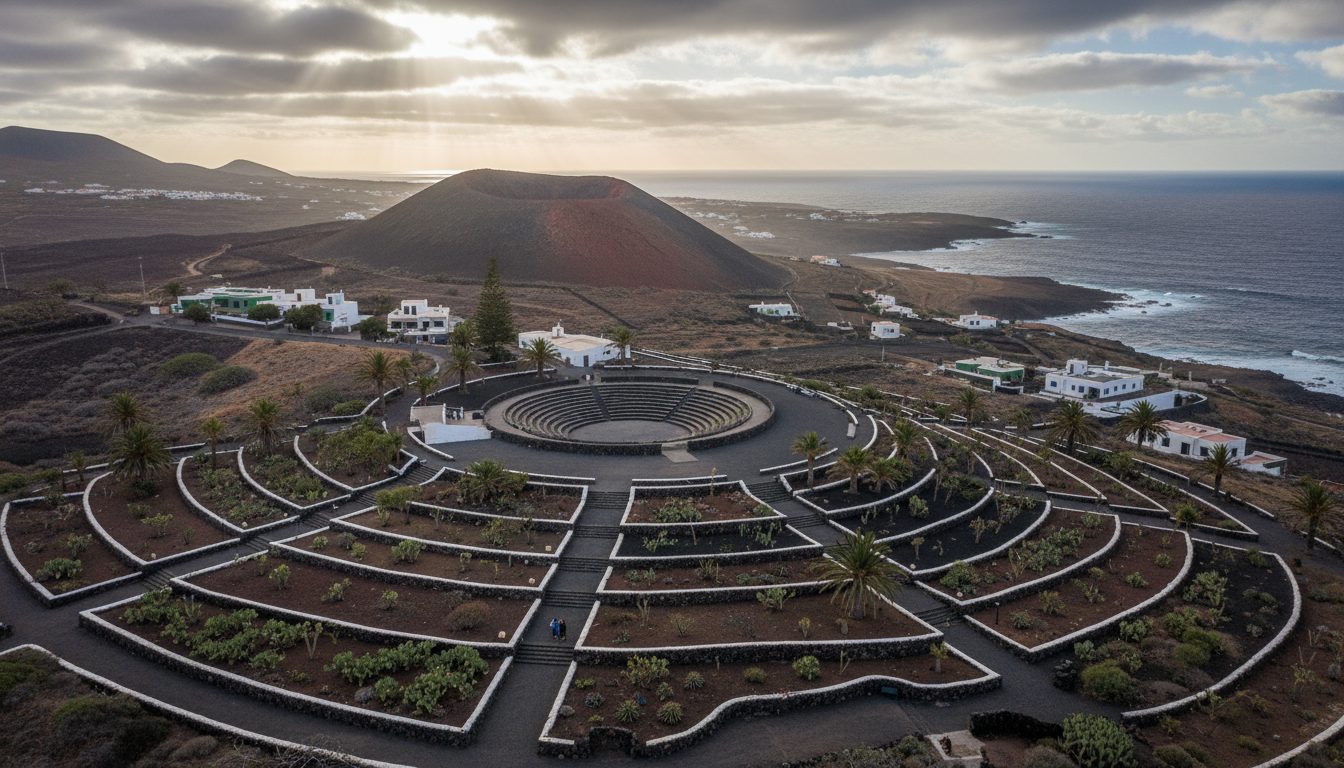
Older children and teens tend to gravitate towards the island’s watersports scene – stand-up paddleboarding, banana boats and jet-ski trips are easy to arrange through beachfront kiosks. For a change of scene, Lanzarote’s volcanic interior is close enough for a half-day trip: Timanfaya National Park, with its geothermal demonstrations and coach tour through genuinely strange lava fields, tends to go down surprisingly well with children who have strong opinions about most organised excursions.
Rainy Day Activities in Tías
Rain is rare in this part of Lanzarote, which is both a blessing and occasionally a problem – what you actually need a plan for is wind, which can arrive with some conviction and send beach plans sideways, literally. On those days, indoor soft-play centres and bowling venues in Puerto del Carmen’s shopping areas absorb a few hours without complaint, and the shopping centre at the resort’s centre has enough cafés and shops to make a windy afternoon feel like a choice rather than a defeat. Volcanic cave attractions elsewhere on the island, with their cool, enclosed interiors, make a reliable fallback if the weather turns for longer than an afternoon.
Where to Eat in Tías with Kids
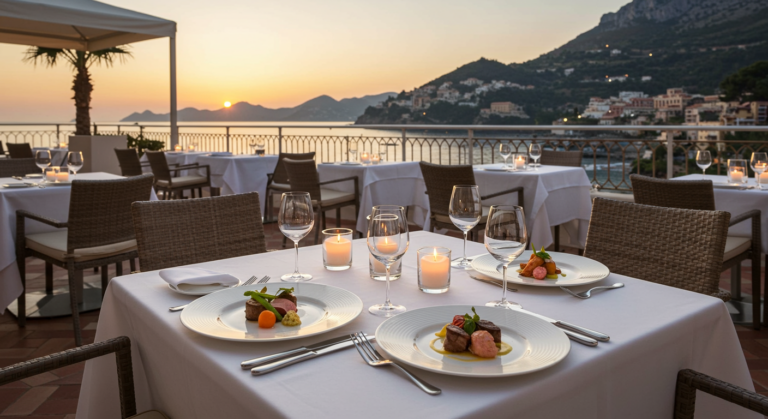
Puerto del Carmen’s seafront is lined with the kind of relaxed, family-geared restaurants that have long since made peace with crayons on the tablecloth and chips as a food group. Fresh local fish – often grouper or sea bream depending on the catch – appears on most menus, alongside the simpler pasta and grilled chicken options that keep fussier eaters onside. Canarian staples are worth introducing early: papas arrugadas, the wrinkled salt-baked potatoes served with mojo sauce, are a reliable way to get children eating something properly local without a fuss, and most restaurants will happily serve the mild version of the mojo rojo if the children aren’t fans of spice. Highchairs and kids’ menus are standard rather than a special request almost everywhere along the strip.
Getting Around Tías with Kids
Within Puerto del Carmen itself, walking is genuinely the best option – the promenade is flat, pram-friendly and runs almost the entire length of the resort, so a buggy is more useful than a hire car for daily life. For trips further afield, Lanzarote’s bus network connects Tías to the rest of the island reasonably well, though timetables are not frequent enough to build a day around. Most families hiring a car do so specifically for excursions to Timanfaya or the northern attractions, rather than for getting around the resort itself – car seats should be requested in advance, as supply with hire companies can be limited in peak season.
Tías with Kids by Age: Toddlers, Juniors and Teens
Toddlers in Tías
Toddlers do well here largely because the beach requires so little management – shallow water, soft sand and short distances from accommodation to sea mean naps are not sacrificed to logistics. Shade is worth planning for, as the volcanic landscape offers little natural cover; a pop-up tent earns its luggage space.
Juniors in Tías
This is arguably where Tías performs best. School-age children have enough to do – snorkelling, the wildlife park, boat trips, ice cream negotiations – that a week rarely drags, and the compact resort layout means older children can be given a little independence without parents needing binoculars.
Teens in Tías
Teenagers tend to find their own rhythm through watersports, the marina’s restaurants and evening promenade life, which has enough low-key buzz to feel sociable without tipping into anything a parent needs to worry about.
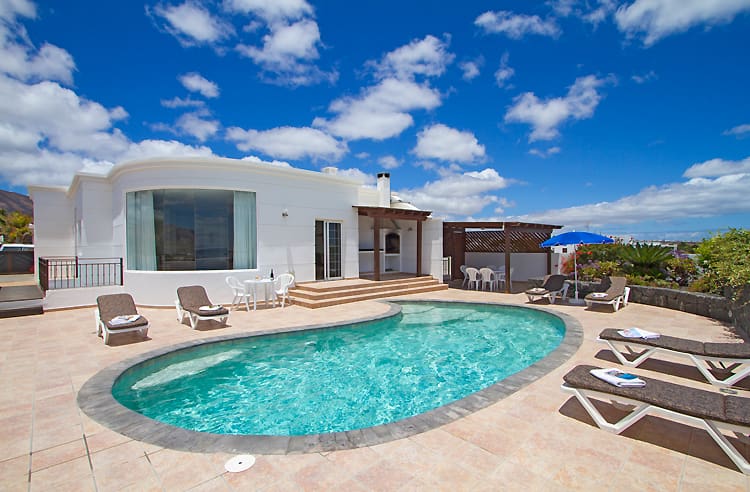
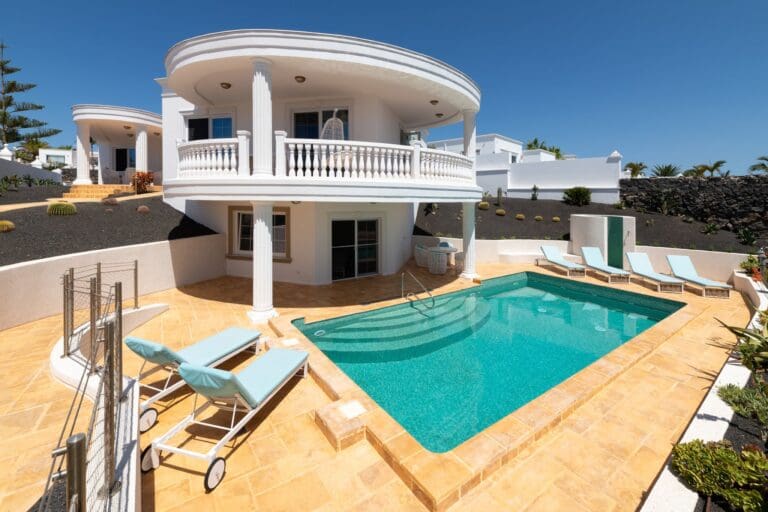
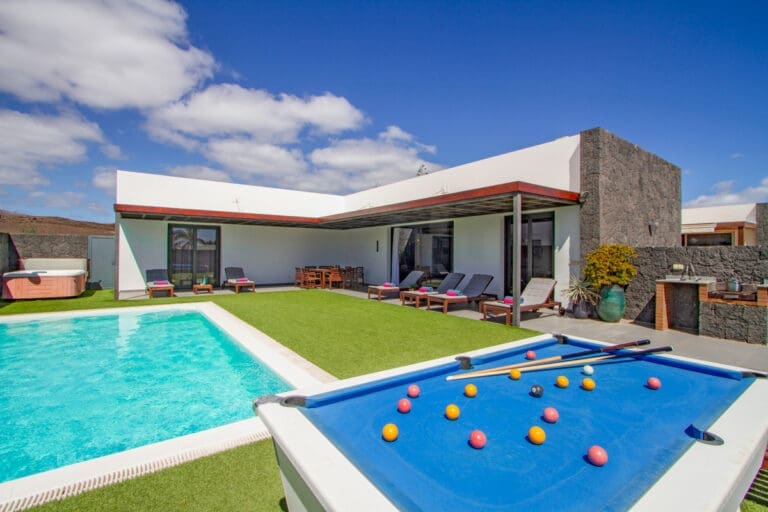
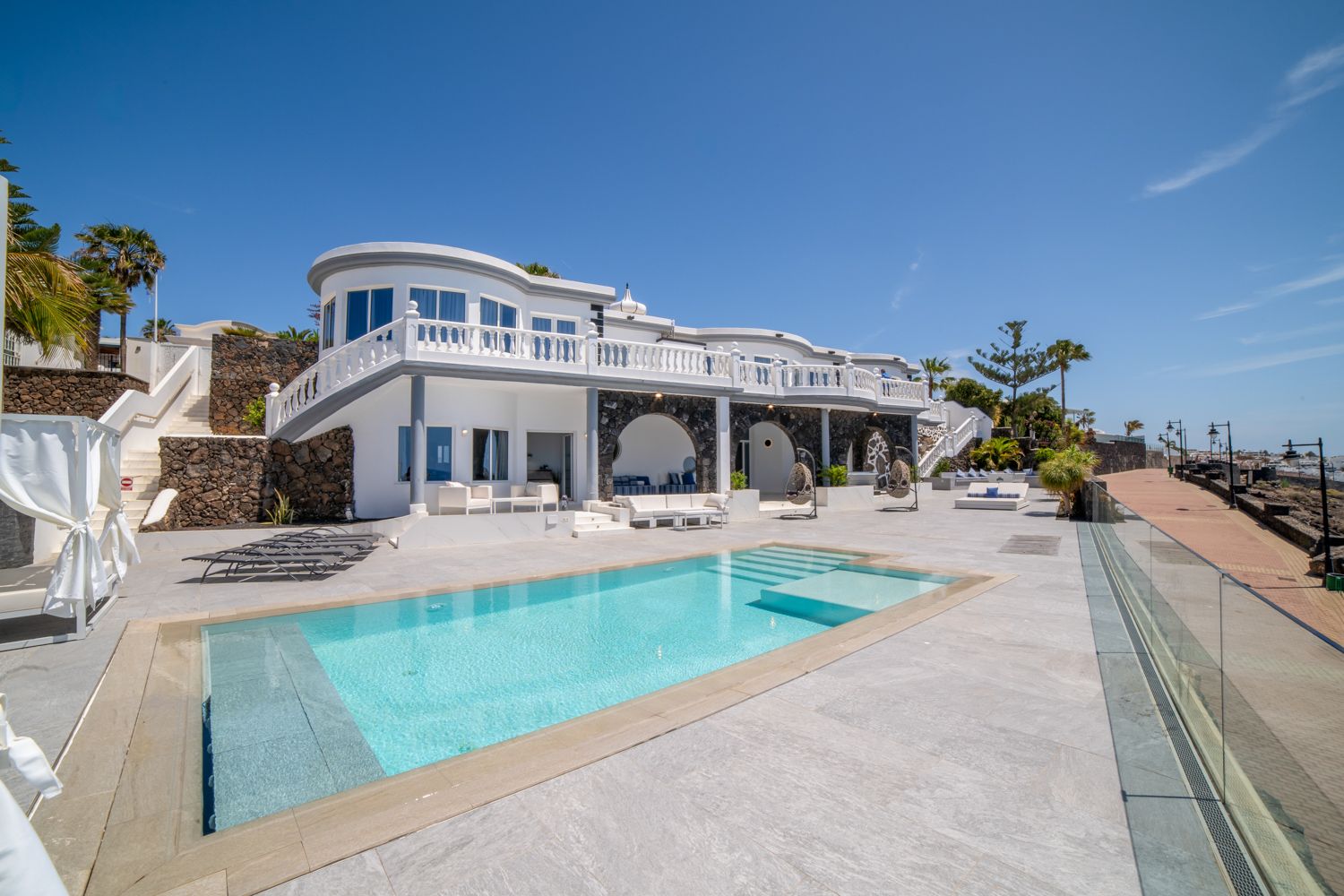
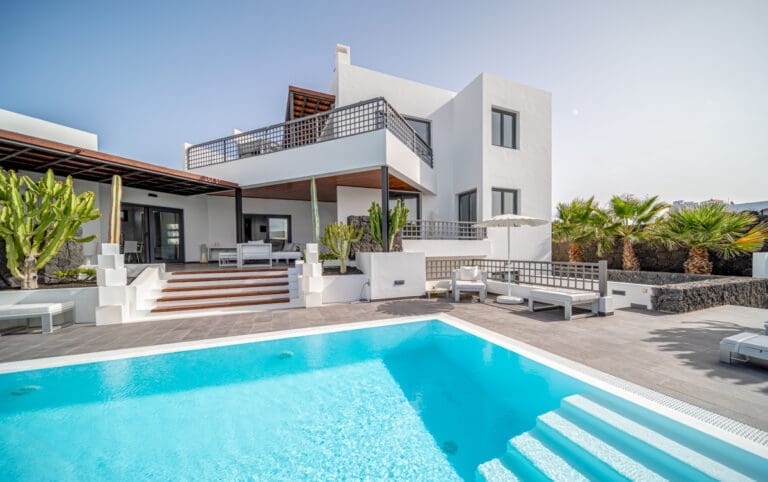
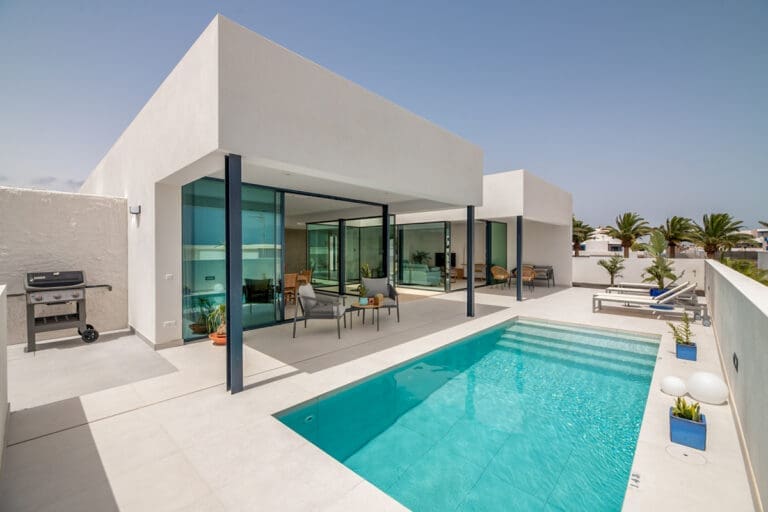
If you are weighing up where to base a family trip, it is worth browsing villas in Tías for options with private pools and space to spread out.
Tías Family Holiday FAQs
Is Puerto del Carmen a good base for families with young children?
Yes – its flat seafront, shallow beaches and short walking distances make it one of the more practical resorts on Lanzarote for families with toddlers or young children, reducing the need for car journeys for daily activities.
What is the best time of year to visit Tías with kids?
April to June and September to October offer warm but not overwhelming temperatures, smaller crowds than peak summer, and comfortable conditions for beach days and excursions alike.
Do families need a hire car in Tías?
Not for daily life within Puerto del Carmen, which is walkable, but a car is useful for occasional trips to Timanfaya National Park or the island’s northern attractions.
Where to stay
Villas in Tías
A selection from our 38 luxury villas in Tías.