Best Time to Visit Slovenia: Bled, Caves & Alps
The best time to visit Slovenia is May, June or September, when days are warm (18-25°C / 64-77°F), rivers run clear for rafting and kayaking, and the crowds that fill Lake Bled in July and August have thinned considerably. Winter (December to February) suits skiers heading to the Julian Alps and anyone who wants Ljubljana’s Christmas markets without the summer queues. July and August bring the warmest, busiest and most expensive weeks of the year.
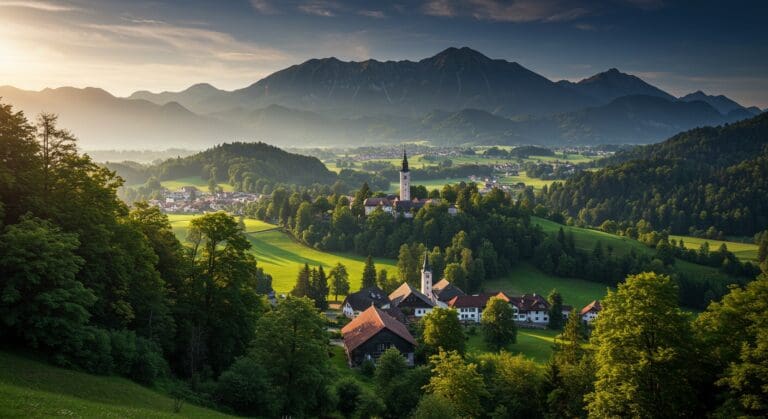
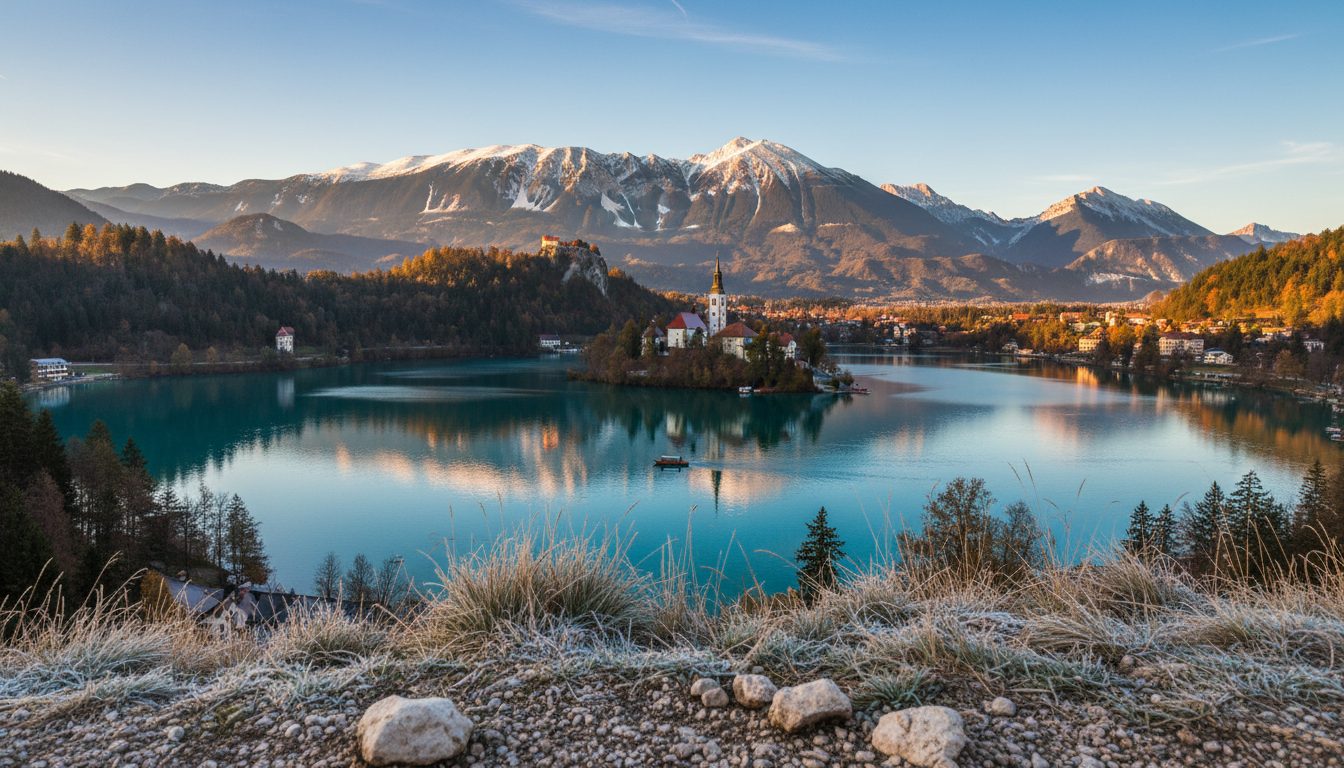
The first sound of a Slovenian morning, wherever you happen to be in the country, is water. In Bled it’s the quiet slap of a pletna oar against the lake. In the Soča Valley it’s a river the colour of mouthwash advertisements, moving fast enough to make rafting guides look permanently pleased with themselves. In Ljubljana it’s a fountain somewhere behind a café you haven’t found yet. Slovenia is a small country that somehow fits in Alps, karst caves, vineyards and a sliver of Adriatic coast, which means the weather – and the ideal time to visit – changes more quickly here than you might expect for somewhere you can drive across in half a day.
Slovenia Weather at a Glance
Spring (March-May): 10-20°C (50-68°F), green and unpredictable. Summer (June-August): 22-30°C (72-86°F), occasionally hitting 35°C inland, busy and sociable. Autumn (September-November): 10-20°C (50-68°F), golden and increasingly quiet after October. Winter (December-February): minus 5 to 5°C (23-41°F) with proper snow in the mountains, cold but atmospheric in Ljubljana.
Best Time to Visit Slovenia: Spring (March to May)
Spring arrives in Slovenia the way most people arrive at a party – a bit late, slightly damp, and improving as the evening goes on. March can still feel wintry, with Triglav National Park under snow and Lake Bled’s surrounding hills patchy with it. By April, temperatures climb to a reasonable 12-18°C (54-64°F) and the countryside turns a shade of green that photographers underestimate until they see it themselves. May is the sweet spot: 16-22°C (61-72°F), wildflowers through the Julian Alps, and rivers swollen with snowmelt, which thrills rafters on the Soča but makes some gentler paddling routes temporarily off-limits.
Crowds are light outside Easter week, and accommodation prices sit well below summer rates. This is a fine season for walkers who want the mountain trails before the July rush, and for anyone who’d rather see Lake Bled’s church bell ring without forty other people photographing it at the same time.
Best Time to Visit Slovenia: Summer (June to August)
June is arguably Slovenia’s best-kept secret, if a country of two million people can be said to have one. Temperatures sit at a comfortable 22-27°C (72-81°F), the Soča Valley is at its rafting and canyoning best, and Maribor’s Lent Festival fills the Drava riverside with music and open-air theatre. July and August are where things get properly warm – 28-30°C (82-86°F) inland, sometimes higher in Ljubljana’s urban heat, though the Adriatic coast around Piran gets a cooling sea breeze that makes it bearable when the capital feels like a sauna with cobblestones.
This is also peak season for a reason: long daylight, the Ljubljana Festival’s open-air concerts, warm swimming at Lake Bohinj, and every terrace in the Old Town doing brisk business until midnight. It’s the best time for families with school-age children and anyone who wants reliable sunshine for lake swimming or coastal days. It’s also the most expensive and most crowded season, and Bled’s lakeside path in August can feel less like a nature walk and more like a queue with a view.
Best Time to Visit Slovenia: Autumn (September to November)
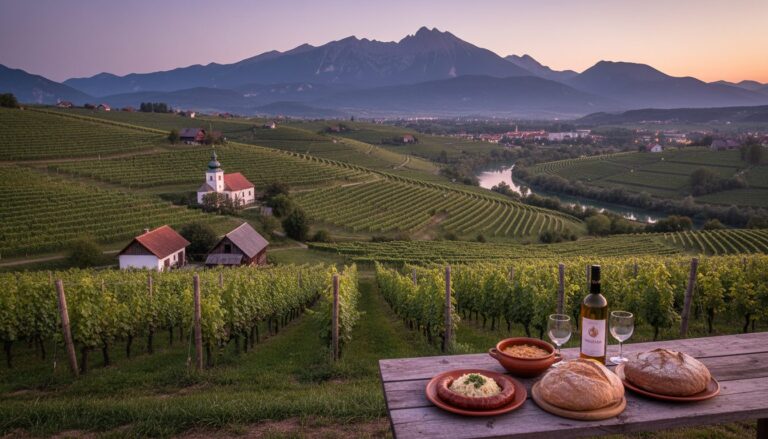
September is quietly superb. Temperatures hover around 18-24°C (64-75°F), the summer crowds have mostly gone home, and the Goriška Brda wine region holds its Days of Poetry and Wine festival as the harvest comes in. Forests across Triglav National Park and the Pohorje hills turn copper and gold through October, which happens to coincide with the Ljubljana Marathon and a general sense that the city has its streets back.
By November, temperatures drop to 8-14°C (46-57°F), mist settles over the karst region, and St Martin’s Day (11 November) sees towns celebrate the “christening” of the new wine with roast goose and dumplings – a tradition worth timing a trip around if you like your travel with a side of ceremony. Many lakeside cafés and seasonal guesthouses start reducing hours from late October, so it pays to check ahead. Autumn suits travellers who prioritise food, wine and walking over guaranteed sunshine, and it’s arguably the best shoulder season of the year for value.
Best Time to Visit Slovenia: Winter (December to February)
Winter divides Slovenia neatly in two. In the mountains – Kranjska Gora, Vogel, the Pohorje slopes near Maribor – it’s ski season proper, with reliable snow from December through March and temperatures of minus 5 to 2°C (23-36°F). In Ljubljana, December brings a Christmas market strung along the river that’s cosy rather than kitsch, with mulled wine doing the heavy lifting against the cold. January and February are the quietest months nationally, apart from Kurentovanje in Ptuj, a Shrovetide carnival in February where men in enormous shaggy costumes parade through town to chase off winter – a sight that needs no embellishment from me, since it is already fairly surreal.
Winter suits skiers, budget-conscious travellers and anyone allergic to queues. It’s the off-season for lowland Slovenia, which means lower prices and a Ljubljana that feels like a small European capital again rather than a summer stage set.
Shoulder Season in Slovenia: Why It Works
If there’s a single piece of advice worth taking from this guide, it’s to travel in the gaps either side of summer. Late May to mid-June and September both deliver warm, settled weather, open attractions, active festival calendars and – crucially – the ability to get a table without booking three weeks out. Rivers are swimmable, trails are walkable without a crowd of other walkers, and prices for everything from boat trips to restaurant lunches sit noticeably below August’s peak. Slovenia’s small size means shoulder season doesn’t mean compromise; you still get the Alps, the coast and the cities, just without quite so much company.
Off-Season Travel in Slovenia: The Case for Winter
There’s a case for visiting Slovenia precisely when most people wouldn’t. Winter brings genuine skiing, a Ljubljana that locals have mostly to themselves, and the kind of low, pale light over Lake Bled that makes it look like it’s auditioning for a Nordic crime drama. Flights and stays cost less, restaurants are easier to book, and the only real downside is that some lakeside and coastal businesses reduce hours or close for the season. For travellers happy to trade swimming for skiing – and candlelight for sunshine – winter is an underrated time to come.
For more on getting around, eating well and choosing a region, the main Slovenia Travel Guide covers the rest.
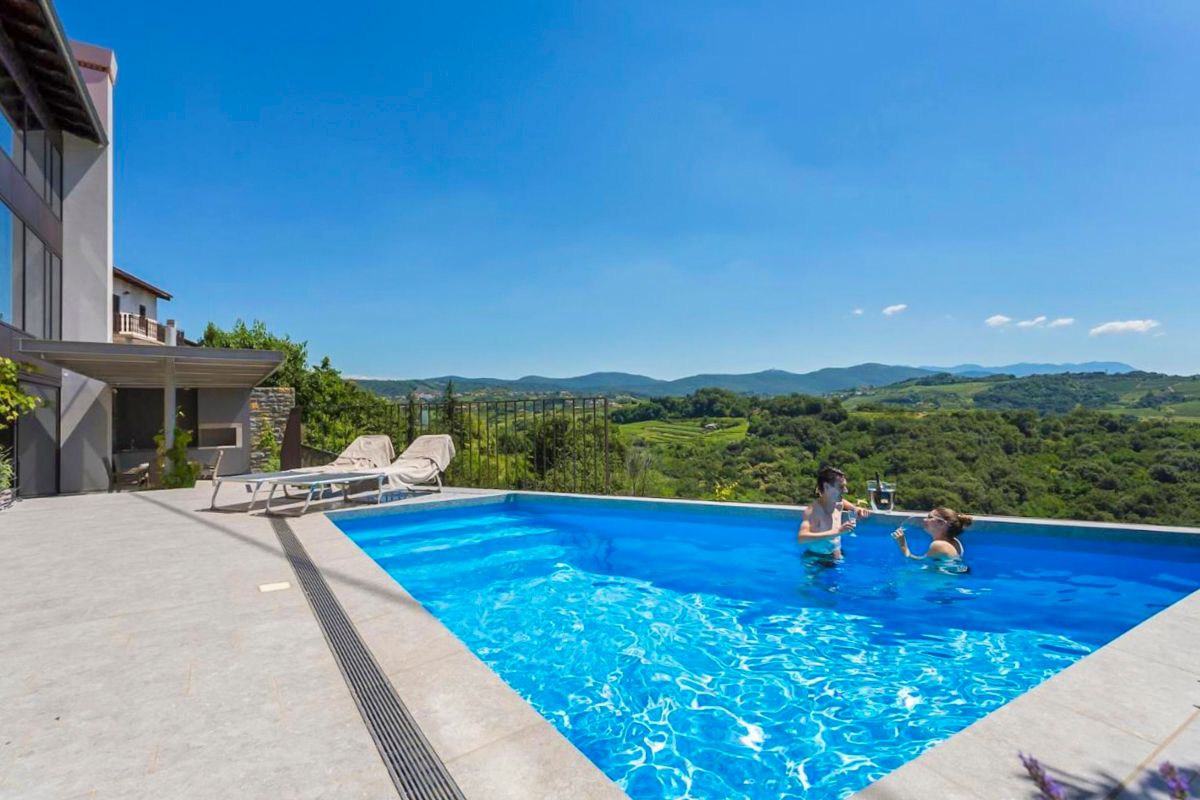
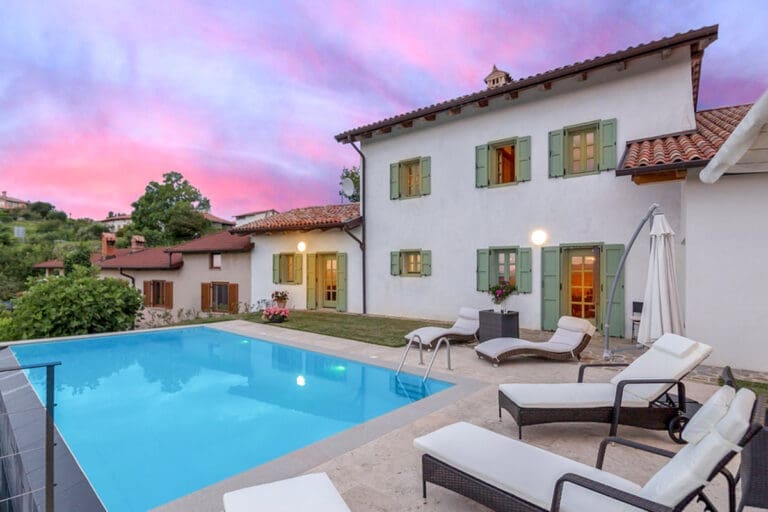
Whichever season you choose, it helps to pick where you’ll stay first: here’s a look at villas in Slovenia.
Slovenia Weather and Seasons FAQs
What is the rainiest month in Slovenia?
Slovenia’s wettest months are typically October and November, when Atlantic and Mediterranean weather systems both pass through, bringing sustained rain especially to the western and coastal regions. Summer thunderstorms are common too, but they tend to be short and sharp rather than prolonged.
Is Slovenia warm enough for swimming in the sea?
The Adriatic coast around Piran and Portorož is swimmable from June through early September, with sea temperatures reaching around 24-26°C (75-79°F) in high summer. Lake Bled and Lake Bohinj also warm up enough for swimming by late June.
Does it snow in Ljubljana?
Yes, Ljubljana sees snow most winters between December and February, though it’s usually lighter and less consistent than in the mountains further north. The city’s Christmas market runs regardless, snow or not.
Where to stay
Villas in Slovenia
A selection from our 49 luxury villas in Slovenia.