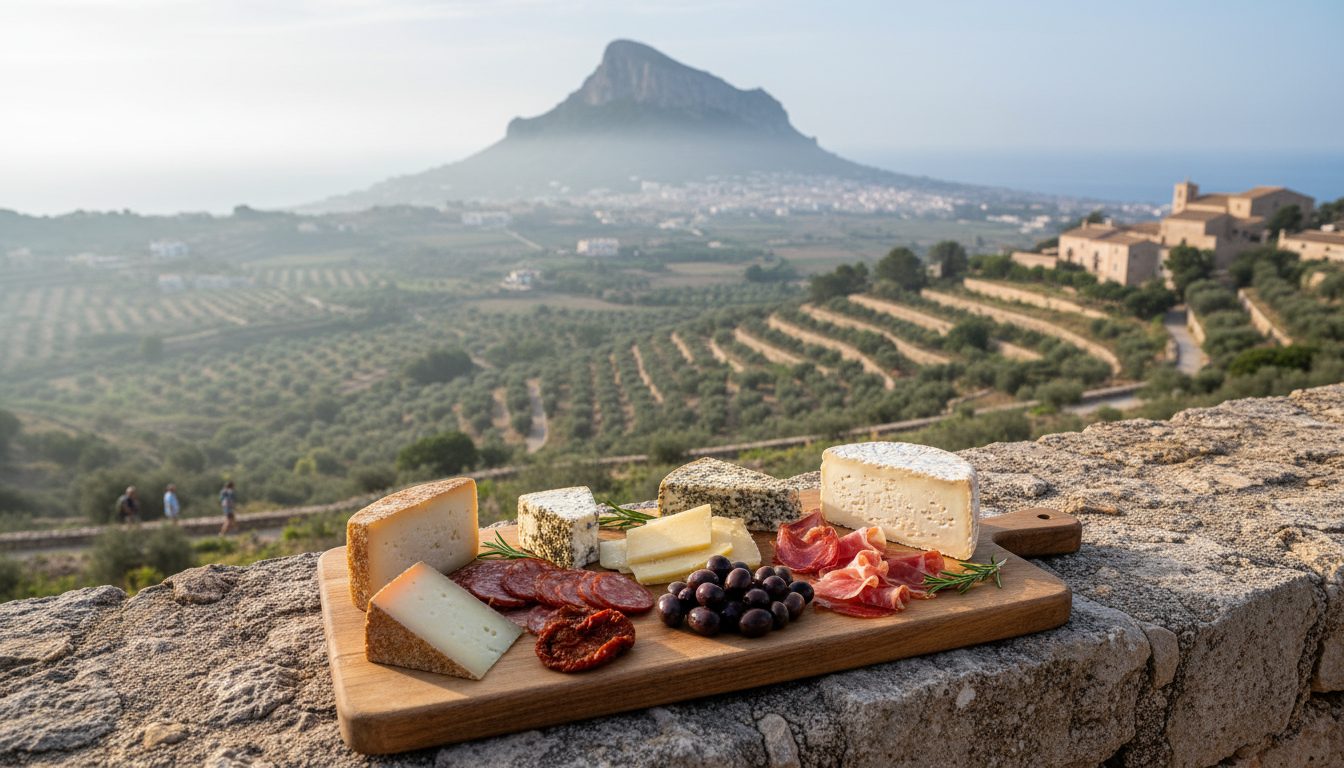
Santanyí Food & Wine: Markets, Pla i Llevant Wine & Ensaïmada
Santanyí’s food and wine scene centres on its twice-weekly market, hearty Mallorcan country cooking and the wines of the nearby Pla i Llevant region. Expect slow-cooked lamb and pork, fresh Mediterranean seafood from the surrounding coast, and local products such as sobrassada, almonds and olive oil. The town has no vineyards of its own but sits within easy striking distance of several wine estates that welcome visitors for tastings.
By eight on a Wednesday morning, before the coach parties have worked out where to park, Santanyí’s market square already smells of warm bread, over-ripe tomatoes and somebody’s questionable decision to fry churros at this hour. Stallholders are shouting prices in Mallorquí, old men are arguing about almonds with the seriousness usually reserved for politics, and somewhere a dog is being fed scraps of jamón by someone who absolutely should not be doing that. This is Santanyí at its most honest – a working market town that happens to have some very good restaurants and even better raw ingredients, rather than the other way round.
Santanyí Food and Wine at a Glance
- Signature dishes: slow-roasted suckling pig (porcella), sobrassada with honey, frit mallorquí, fresh grilled fish
- Main wine region: Pla i Llevant, within easy reach of Santanyí
- Market days: Wednesday and Saturday mornings in the town square
- Best season for food: autumn for wine harvest and game, summer for seafood and tomatoes
- For the wider trip-planning picture, see the Santanyí Travel Guide
Santanyí Cuisine: Mallorcan Roots, Slow Food and the Three-Hour Lunch
Santanyí sits in the agricultural heartland of southeastern Mallorca, and the food here reflects that – this is not coastal tapas-bar cuisine dressed up for tourists, but the cooking of farmers and fishermen who happen to live near some rather good beaches. The backbone of the local table is pork, prepared in every conceivable form: sobrassada, the soft, paprika-red cured sausage that gets spread on bread like a savage version of jam, is practically a local currency. Porcella, slow-roasted suckling pig with crackling that shatters properly rather than merely bending, turns up at family celebrations and restaurant menus alike.
Then there’s frit mallorquí – a dense, almost stubborn dish of diced offal, potato and vegetables fried together, which divides visitors neatly into converts and the politely unconvinced. Arroz brut, a loose, soupy rice with chicken, rabbit and whatever vegetables looked good that morning, is comfort food in its purest form. None of this is elegant in the plated, foam-garnished sense. It is, however, deeply satisfying, and best eaten the way locals eat it: slowly, with bread, and without checking your phone once.
Santanyí Markets: Wednesday and Saturday Food Shopping
The Santanyí market, held on Wednesday and Saturday mornings in the main square and surrounding streets, is one of the better reasons to plan a visit around a specific day of the week. Stalls sell local almonds, dried figs, cheeses from inland farms, olives in every brine imaginable, and the kind of tomatoes that make you question every supermarket tomato you’ve ever eaten out of a sense of grim obligation rather than pleasure. Bakers sell ensaïmada – the coiled, lard-enriched pastry dusted with icing sugar that functions as Mallorca’s answer to the croissant, minus any pretence of restraint.
It gets busy by mid-morning, particularly in high season when the market doubles as a social event for the island’s expatriate community, so arriving early rewards you with both better produce and considerably more elbow room. Buy more than you think you need – sobrassada and local cheese travel well, and few souvenirs are more honest than something you can actually eat.
Santanyí Wine: Pla i Llevant Vineyards and Where to Taste
Santanyí itself grows no grapes to speak of, but it sits close to the Pla i Llevant designation of origin, a stretch of gently undulating inland Mallorca running roughly from Felanitx eastward, where the island’s modern wine revival has quietly been taking place for the past few decades. The grapes here are a mix of international varieties – Cabernet Sauvignon, Merlot, Syrah – alongside native Mallorcan grapes such as Callet and Mantonegro, which produce reds with a dusty, herbal character that suits the local food far better than anything imported ever could.
Several estates in the region open their cellars for tastings, usually by appointment rather than casual walk-in, and a late-afternoon visit – cooler light, quieter tasting rooms – tends to be the more rewarding time. White wines here are improving fast too, often made from Prensal Blanc or Chardonnay, crisp enough to survive a Mallorcan August without embarrassing itself. The region doesn’t have the name recognition of Rioja or Ribera del Duero, which is precisely why it’s worth exploring: fewer crowds, friendlier prices, and winemakers who are generally delighted someone outside the island has bothered to ask.
Santanyí Seafood and Seasonal Specialities
The fishing villages along the coast near Santanyí – Cala Figuera chief among them, with its narrow inlet still lined with working fishing boats rather than yachts – supply much of the seafood that ends up on local menus. Expect grilled prawns, fresh-caught sea bass, and in season, swordfish that’s usually just hours out of the water. Bullit de peix, a simmered fish stew built on whatever the boats brought in that morning, is the local equivalent of asking a chef to surprise you, and it generally works out well.
Truffles, for the record, are not really a Mallorcan thing – that’s a mainland obsession, so don’t go searching for them here. Olive oil is more genuinely local, though much of the island’s best-known production comes from groves in the Tramuntana mountains further north, so what reaches Santanyí’s tables is often a mix of island oil and oil from the neighbouring region. Almonds, on the other hand, are entirely at home here – the blossom in late January turns the inland fields pale pink, and the nuts themselves turn up in everything from soups to the region’s dense, flourless almond cakes.
Cooking Classes Near Santanyí
Several small operators around southeastern Mallorca run half-day cooking classes focused on exactly the dishes you’ll have been eating all week – sobrassada, paella, tumbet, and the inevitable ensaïmada. Most begin with a market visit, which is as much the point as the cooking itself: understanding why a Mallorcan tomato tastes the way it does tends to explain more about the island’s food than any recipe card. Classes are generally small, hands-on and conducted in a relaxed mix of Spanish and English, with lunch – naturally – eaten together at the end rather than photographed and abandoned.
Booking ahead in peak summer months is sensible, as demand for these sessions has grown considerably over the past decade, largely among visitors who’ve decided that lying on a beach for a week straight is, frankly, a bit much.
Best Food Experiences in Santanyí
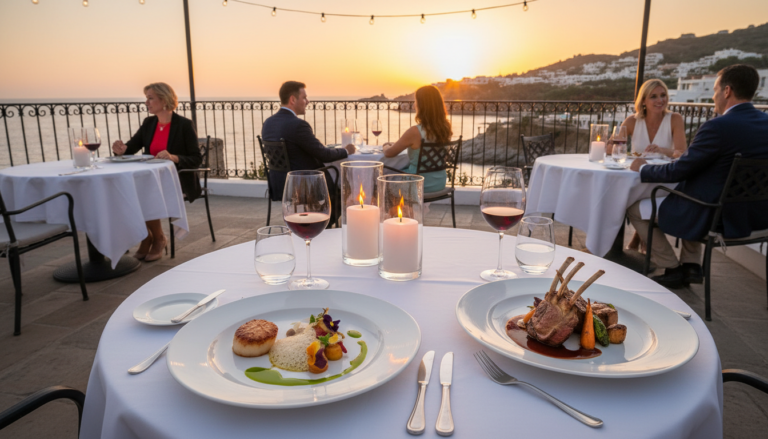
If time only allows for one proper food experience in Santanyí, make it the Saturday market followed by a long lunch somewhere that isn’t rushing you – this remains the single most reliable way to understand how the town eats. For wine lovers, an afternoon spent working through a Pla i Llevant tasting flight, ideally finishing with a glass of something made from Mantonegro as the light goes gold, is time well spent. And for anyone who finds themselves near Cala Figuera around sunset, a plate of fresh-grilled fish eaten within sight of the boats that caught it is about as close as this corner of Mallorca gets to a complete thesis statement on its own cooking.
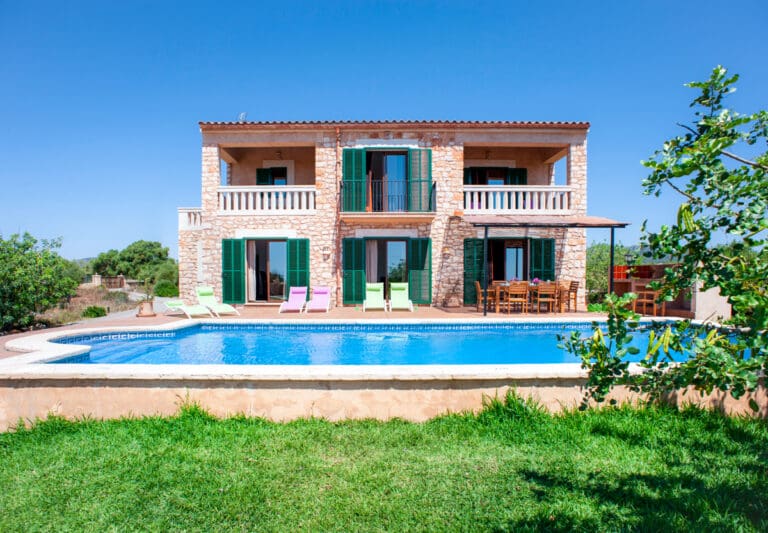
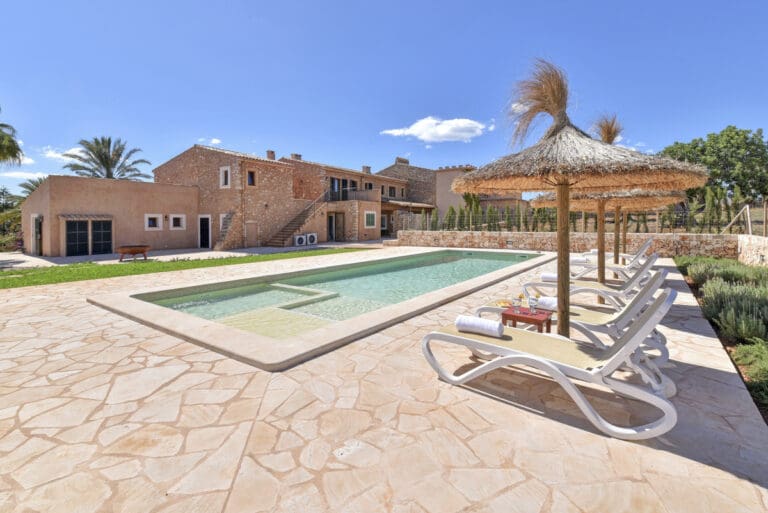
For somewhere to base yourself while exploring all this, see villas in Santanyí.
Santanyí Food and Wine FAQs
What is the local wine region near Santanyí called?
The nearest wine region is Pla i Llevant, a designation of origin covering inland southeastern Mallorca roughly from Felanitx eastward, known for reds made with Callet, Mantonegro, Cabernet Sauvignon and Merlot, alongside increasingly good whites.
When is the Santanyí market held?
Santanyí’s main food and produce market takes place on Wednesday and Saturday mornings in and around the town square, with stalls typically busiest from mid-morning onward during peak summer season.
What dishes should I try while in Santanyí?
Look out for sobrassada, slow-roasted porcella, frit mallorquí, arroz brut and fresh grilled fish from the nearby coast, along with ensaïmada pastries and almond-based cakes for anything sweet.
Keep reading
More on Santanyí
Guides nearby in Balearic Islands
- Best Time to Visit Balearic Islands
- Mallorca Travel Guide
- Pollensa Travel Guide
- Ibiza Travel Guide
- Alcúdia Travel Guide
- Menorca Travel Guide
- Sant Josep de sa Talaia Travel Guide
- Santa Eulària des Riu Travel Guide
- Sant Lluís Travel Guide
- Sant Antoni de Portmany Travel Guide
- Alaior Travel Guide
- Inca Travel Guide
Where to stay
Villas in Santanyí
A selection from our 34 luxury villas in Santanyí.