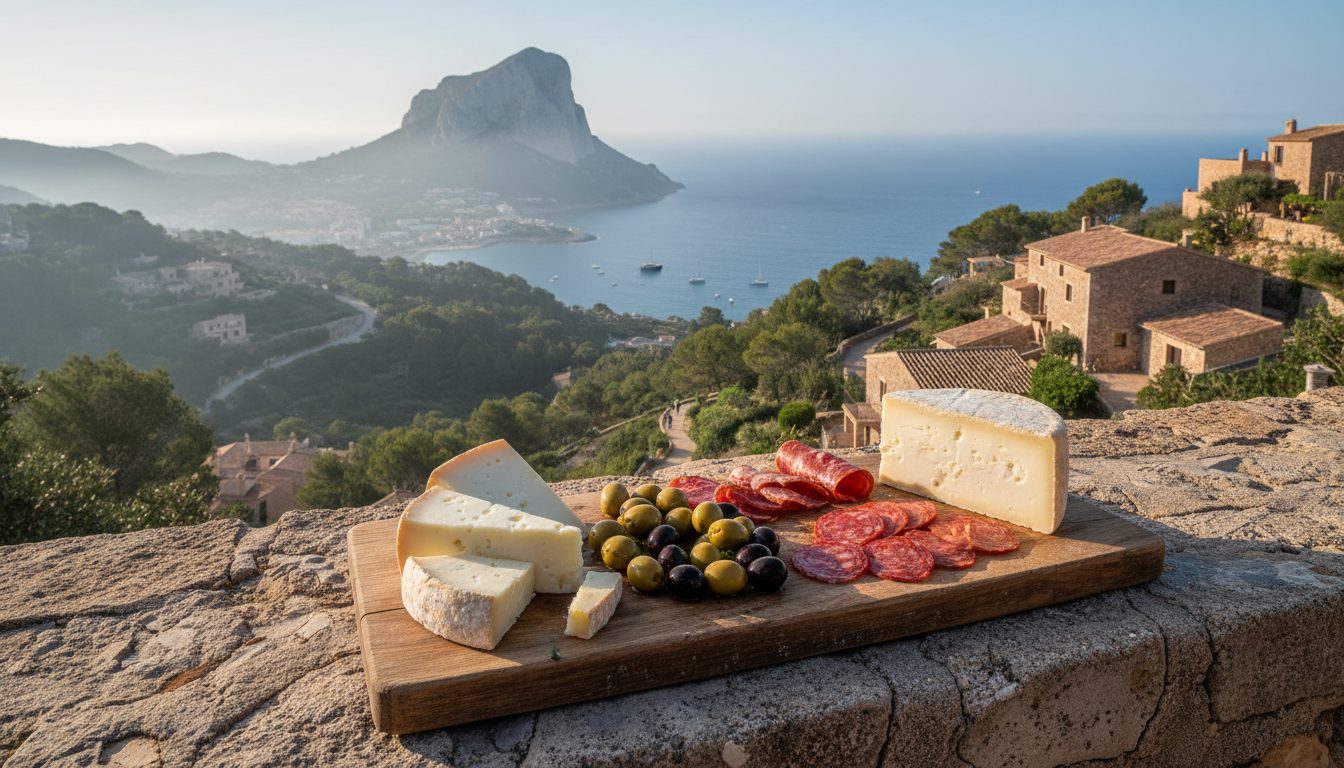
Andratx Food & Wine: Sobrassada, Pa amb Oli & Port Seafood
Andratx food and wine centres on Mallorcan country cooking – sobrassada, pa amb oli, tumbet and seafood landed at Port d’Andratx – paired with wines from small Mallorcan producers rather than big commercial estates. The town’s Wednesday market is the best place to buy local olive oil, cheese and cured meats, and the surrounding hills supply almonds, figs and wild herbs used throughout the local kitchen. Truffle and wild mushroom dishes appear on menus seasonally in late autumn and winter, when the Tramuntana mountains are at their most generous.
Come to Andratx in late October and you will find the almond trees bare, the figs finished, and a faint smell of woodsmoke drifting down from the hills – someone, somewhere, is roasting chestnuts or simmering a pot of something with too much garlic in it, and good for them. This is the season when the town stops being a postcard and starts being a kitchen. Summer gets the swimwear and the sunset photographs; autumn and winter get the food, and anyone who has eaten a proper Mallorcan stew after a hike in the rain will tell you which deal they prefer.
Andratx sits at the quieter, western end of Mallorca, tucked between the Tramuntana mountains and a sheltered bay, and its food reflects that geography rather bluntly: mountain produce on one side, Mediterranean seafood on the other, and a long tradition of making both last through a lean winter. For the wider context of the town – beaches, history, how to get here – the Andratx Travel Guide covers the basics. This piece is strictly about what ends up on the plate and in the glass.
Andratx Food and Wine at a Glance
- Signature dishes: tumbet, sobrassada, pa amb oli, fresh fish stews
- Best market day: Wednesday, in the town centre
- Local wine style: small-batch reds and whites from family vineyards, not large commercial houses
- Seasonal highlights: autumn truffles and wild mushrooms, winter citrus, spring almond blossom, summer seafood
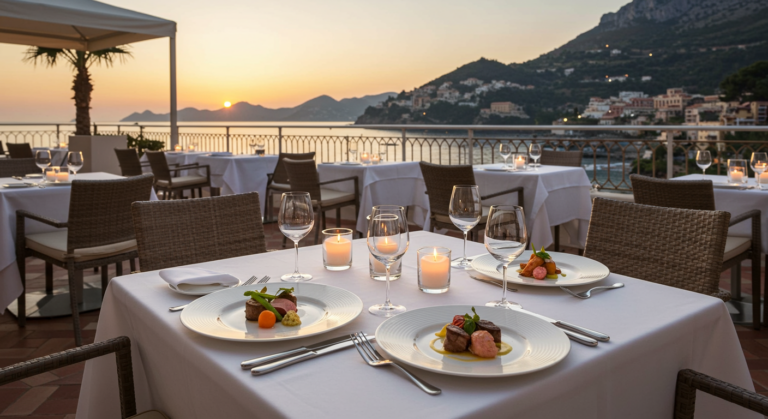
- Best food experience: a slow lunch of fresh fish down at Port d’Andratx, ideally with no particular plan afterwards
Andratx Cuisine: Mallorcan Country Cooking in the Tramuntana Foothills
The cooking here is, at heart, the cooking of a working agricultural town that happens to sit near some very good fishing grounds. It is not fussy. It does not want to be fashionable. It wants you to eat enough to get through an afternoon of hard labour, which is a perfectly good philosophy whether or not you are actually doing any labour that day.
Olive oil, garlic and tomatoes form the backbone of almost everything, with vegetables from the terraced hillsides – aubergine, pepper, courgette – doing most of the heavy lifting in the colder months. Pork, cured into sobrassada and other charcuterie, provides protein through winter; fish, when it is fresh and local, needs almost nothing done to it beyond salt, oil and a hot pan. There is a real honesty to this kind of cooking, which can come as a mild shock to anyone expecting foam and tweezers.
Bread matters more here than menus tend to admit. A good, dense, slightly sour country loaf underpins half the dishes in this guide, either as a base for pa amb oli or simply torn and used to mop up whatever sauce was unwise enough to be left on the plate.
Signature Dishes in Andratx
Tumbet is the dish most visitors remember, a layered vegetable bake of potato, aubergine and pepper under a tomato sauce, usually served alongside grilled meat or fish rather than as the main event – though it is substantial enough to be one. Sobrassada, the soft, paprika-red cured sausage found across Mallorca, turns up everywhere from breakfast toast to stuffing for suckling pig, and its gentle heat is one of the island’s genuine culinary exports.
Pa amb oli – bread, olive oil, tomato rubbed over the crust, sometimes cheese or ham added – sounds almost insultingly simple and tastes considerably better than it has any right to, provided the olive oil is decent and the bread is not from a packet. Seafood, naturally, is strongest near the port: grilled gambas, a fish of the day that genuinely changes depending on what came in that morning, and rich stews built around rockfish and shellfish that locals have been making since long before anyone thought to photograph their dinner.
Andratx Food Markets: Market Day and Local Produce
Andratx holds its main weekly market on Wednesdays, filling the streets around the town centre with stalls selling olive oil, local cheese, cured meats, fruit and vegetables grown in the surrounding valley, and the kind of leather goods and linens that make you remember you have run out of suitcase space. It is unapologetically a working market rather than a staged one – locals do their actual shopping here, which is the surest sign that the produce is worth buying.
This is the place to pick up sobrassada to take home, a bottle of good local olive oil (usually sold without much fanfare, which is rather the point), seasonal fruit, and almonds in various states of undress. Arrive early if you want the best of it; by midday the market has the slightly depleted air of a buffet that has been thoroughly enjoyed.
Andratx Wine: Mallorca’s Small Producers and Where to Taste
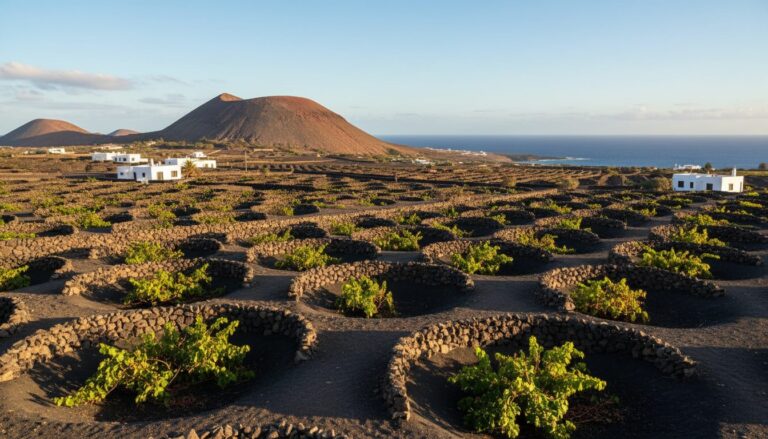
Mallorca’s two official wine regions, Binissalem and Pla i Llevant, sit further east on the island, but Andratx and its hinterland are part of a quieter tradition of small-scale, family-run vineyards working outside any formal denomination – plots of a few hectares tucked into the folds of the Tramuntana, producing modest quantities of red and white wine largely for local consumption. These are not grand estates with tasting rooms designed for coach parties; they are, more often than not, a farmhouse, a few rows of vines and someone who has been doing this since before wine tourism was a phrase anyone used.
The reds tend to be robust and food-friendly, built for pairing with the richer winter dishes rather than sipping on their own in the sun. Whites are generally crisp and mineral, a reasonable match for the seafood coming off the boats at the port. Anyone seriously interested in Mallorcan wine more broadly will find greater depth and variety in Binissalem, but Andratx’s local bottlings are worth seeking out precisely because they are modest, limited, and rarely leave the island.
Food Experiences in Andratx: Cooking Classes and Tastings
Hands-on cooking experiences in and around Andratx typically focus on the dishes already mentioned here – learning to build a proper tumbet, understanding how sobrassada is made and used, or simply spending a morning at the market with someone who knows which stallholder has the better olive oil and which has merely the better marketing. These sessions are usually small, informal, and conducted in kitchens rather than studios, which suits the food being taught.
Olive oil tastings are increasingly available across the region, walking visitors through the difference between early and late harvest oils, and why Mallorcan olive oil – often overlooked in favour of its Italian and Spanish mainland cousins – deserves rather more attention than it generally gets. Expect to taste several oils side by side and come away mildly obsessive about the subject for several weeks afterwards.
Seasonal Specialities in Andratx: Truffles, Olive Oil and Seafood
Autumn and winter bring truffle and wild mushroom dishes to local menus, foraged from the Tramuntana woodlands and used sparingly in rice dishes, egg dishes and the occasional indulgent pasta – a genuine seasonal treat rather than a year-round gimmick, which is exactly how it should be. Olive harvest follows shortly after, typically through November and December, producing the oil that will season everything for the following year.
Seafood, by contrast, is strongest through the warmer months, when the bay is calmer and the boats come in with better catches – though a decent fish stew is just as welcome in February as it is in July, possibly more so. Spring brings almond blossom across the hillsides above the town, more a visual than a culinary event, but it is worth knowing that the nuts it produces will reappear on your plate, in one form or another, by autumn.
Best Time to Visit Andratx for Food and Wine
Late autumn through winter is the strongest stretch for serious eating, when truffles, mushrooms and the new olive oil all arrive within a few weeks of each other and the local reds come into their own alongside heartier cooking. Spring offers almond blossom and lighter, fresher produce as the markets fill back out after winter. Summer is unavoidably the busiest and hottest season, better suited to seafood and long, shaded lunches than to anything requiring real exertion – which, around here, is most things involving an oven.
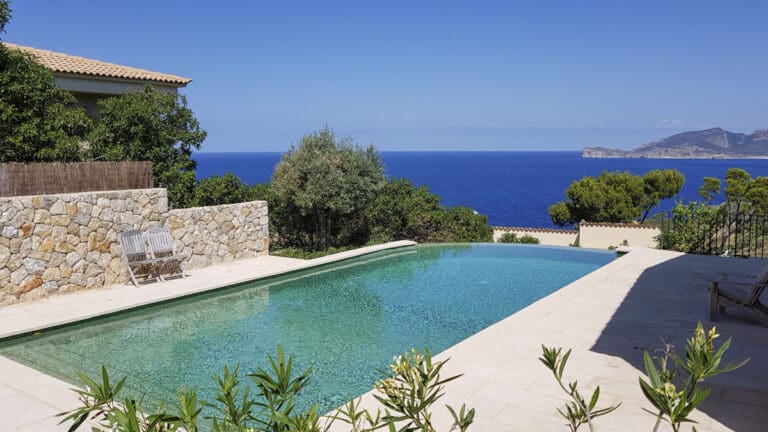
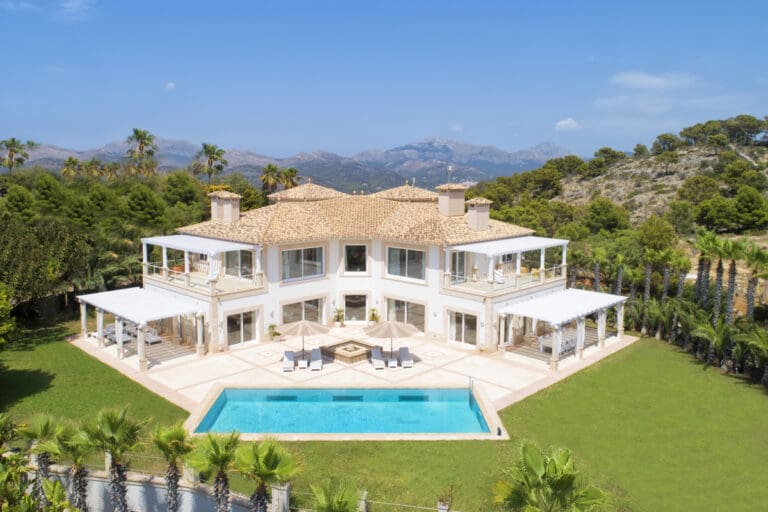
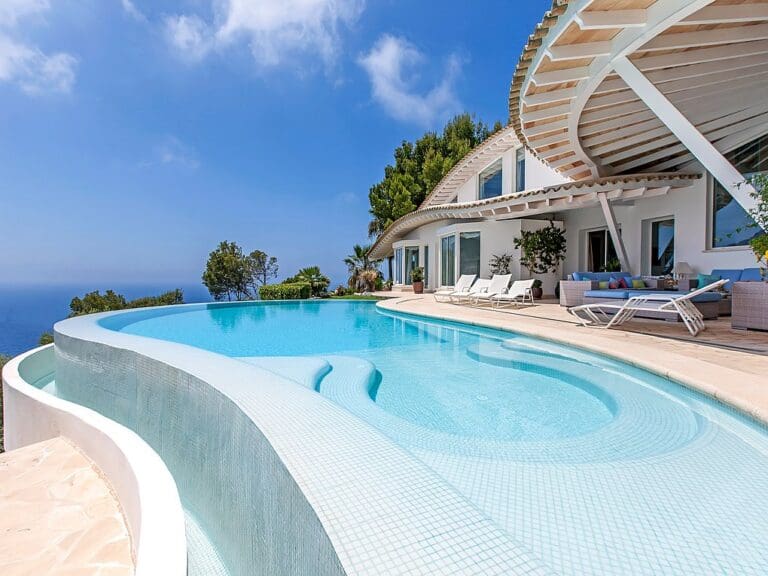
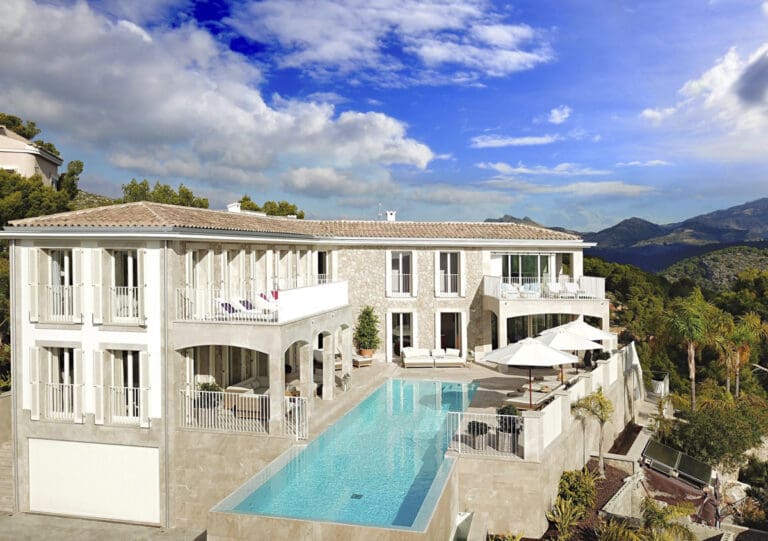
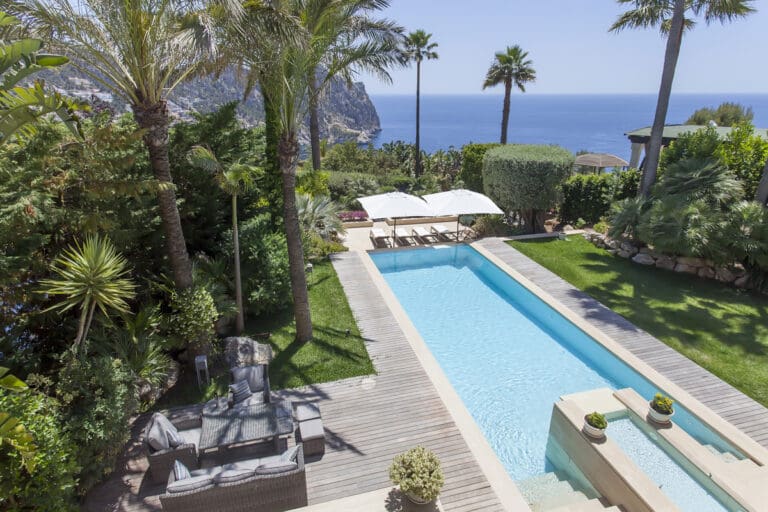
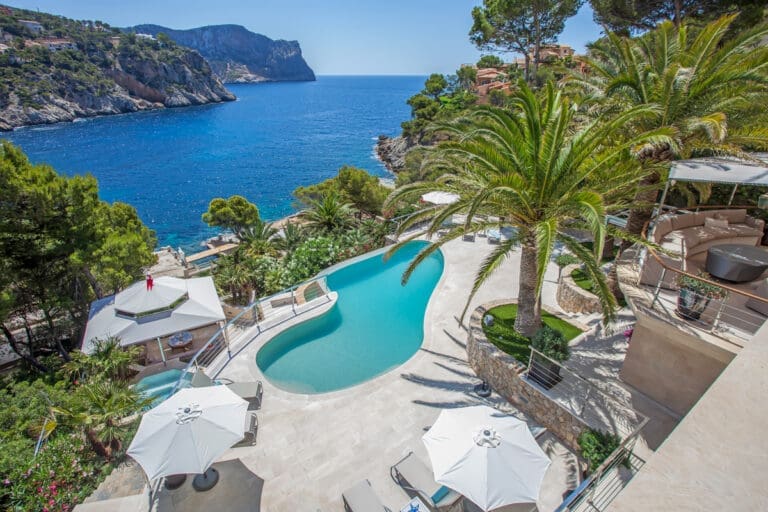
For those planning where to base themselves while exploring all this, there are villas in Andratx within easy reach of the market, the port and the surrounding vineyards.
Andratx Food and Wine FAQs
What is the best local dish to try in Andratx?
Tumbet is the dish most associated with the area, a layered vegetable bake served alongside grilled meat or fish, though a fresh seafood stew from Port d’Andratx runs it close for most visitors’ favourite meal.
Is Andratx known for wine production?
Andratx is not part of Mallorca’s two official wine regions, but it has a long tradition of small, family-run vineyards producing modest quantities of red and white wine for local consumption, distinct from the island’s larger commercial estates further east.
What day is the food market in Andratx?
Andratx holds its main weekly market on Wednesdays in the town centre, with stalls selling local olive oil, cheese, cured meats including sobrassada, and seasonal fruit and vegetables from the surrounding valley.
Keep reading
More on Andratx
Guides nearby in Balearic Islands
- Best Time to Visit Balearic Islands
- Mallorca Travel Guide
- Pollensa Travel Guide
- Ibiza Travel Guide
- Alcúdia Travel Guide
- Menorca Travel Guide
- Sant Josep de sa Talaia Travel Guide
- Santa Eulària des Riu Travel Guide
- Sant Lluís Travel Guide
- Sant Antoni de Portmany Travel Guide
- Alaior Travel Guide
- Inca Travel Guide
Where to stay
Villas in Andratx
A selection from our 21 luxury villas in Andratx.