Arco da Calheta Food & Wine: Poncha, Bananas & Volcanic Wine
Arco da Calheta, on Madeira’s southwest coast, is known for poncha (a sugarcane spirit mixed with honey and citrus), bolo do caco griddle bread, scabbardfish served with banana, and small-batch wines grown on volcanic terraces. The parish’s food culture draws on its banana plantations, Atlantic seafood and the island’s long winemaking tradition. Local taverns, village markets and informal tastings are the main ways to experience it here, rather than grand estate visits.
There is a particular hour in Arco da Calheta – somewhere between the last of the sun and the first mosquito – when the banana leaves along the terraces start to rattle in the Atlantic breeze and somebody, somewhere below you, is frying garlic in olive oil. You will smell dinner before you see it. This is a place that cooks with what it grows on near-vertical hillsides and pulls from deep, cold water just offshore, and it has never felt the need to dress that up for anyone. The food here is not fussy. It is, however, very good at knowing exactly what it is.
Local Cuisine in Arco da Calheta: Bananas, Bay Leaves and the Atlantic
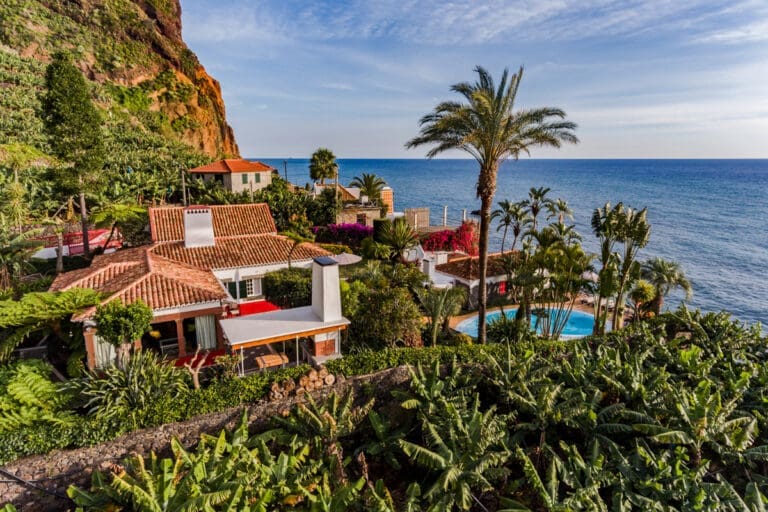
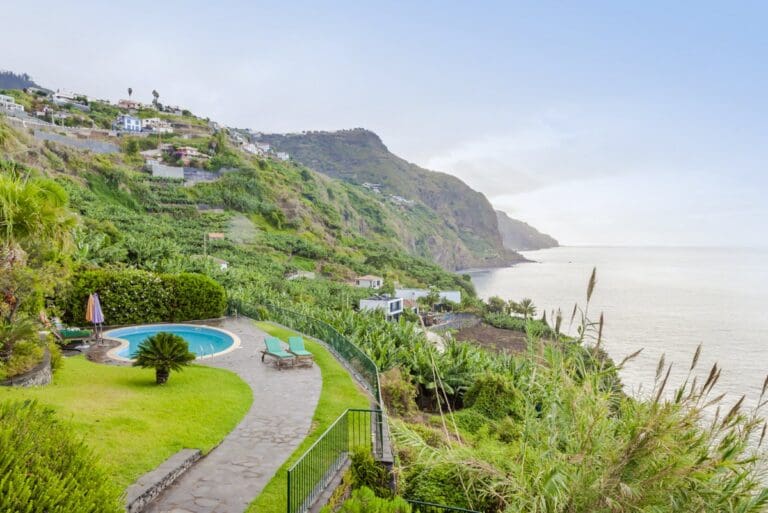
Madeiran cooking, and Arco da Calheta’s version of it, grew out of necessity rather than ambition – steep terraces, limited flat land and a sea that is either generous or furious depending on the week. The result is a cuisine built on bananas (the parish is one of the island’s main growing areas), sweet potato, maize, Atlantic fish and whatever meat could be reared on a slope without rolling off it. Cooking over bay laurel wood is a local signature; the wood is cut from branches rather than trees and gives grilled meat a resinous, slightly smoky perfume you will not easily place at first.
What strikes most visitors is the restraint. There is little in the way of elaborate sauce work or plating theatre – this is not a region chasing culinary fashion, and it shows no sign of starting now. Meals tend to be unhurried, social and heavy on garlic, and a glass of something fortified usually turns up whether you asked for it or not.
Signature Dishes in Arco da Calheta
Espetada is the dish most people arrive hoping to find: chunks of beef threaded onto a bay laurel skewer, salted, rubbed with garlic and grilled over an open flame, traditionally served still on the stick, often hanging from a small metal stand at the table. Alongside it you will usually find bolo do caco, a flat, slightly chewy bread cooked on a basalt stone griddle and served warm with garlic butter – it is, without exaggeration, one of the more dangerous foods to place in front of a hungry traveller.
Peixe espada preto, the black scabbardfish hauled up from genuinely deep Atlantic water, appears everywhere, most famously fried and paired with banana and sometimes a passion fruit sauce – a combination that sounds like a mistake and is not. Grilled limpets (lapas) with garlic and lemon, milho frito (fried cubes of set cornmeal), and bolo de mel, a dense, treacly honey cake traditionally cut rather than sliced, round out a menu that rewards an empty stomach and a lack of hurry.
Local Wines and Producers Near Arco da Calheta
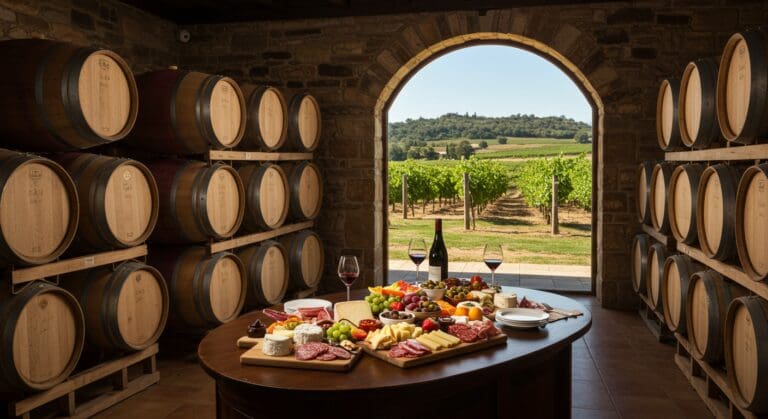
Madeira wine is the island’s great export, and the vines that feed it climb the terraces around Arco da Calheta on volcanic soil that gives the grapes a mineral edge. The main varieties – Sercial, Verdelho, Bual and Malvasia – run from bone-dry to very sweet, and all are fortified and aged, traditionally in warm lofts (canteiros) that mimic the long sea voyages the wine once endured in barrel. It is a style built to survive heat and time, which is more than can be said for most wines, or most of us.
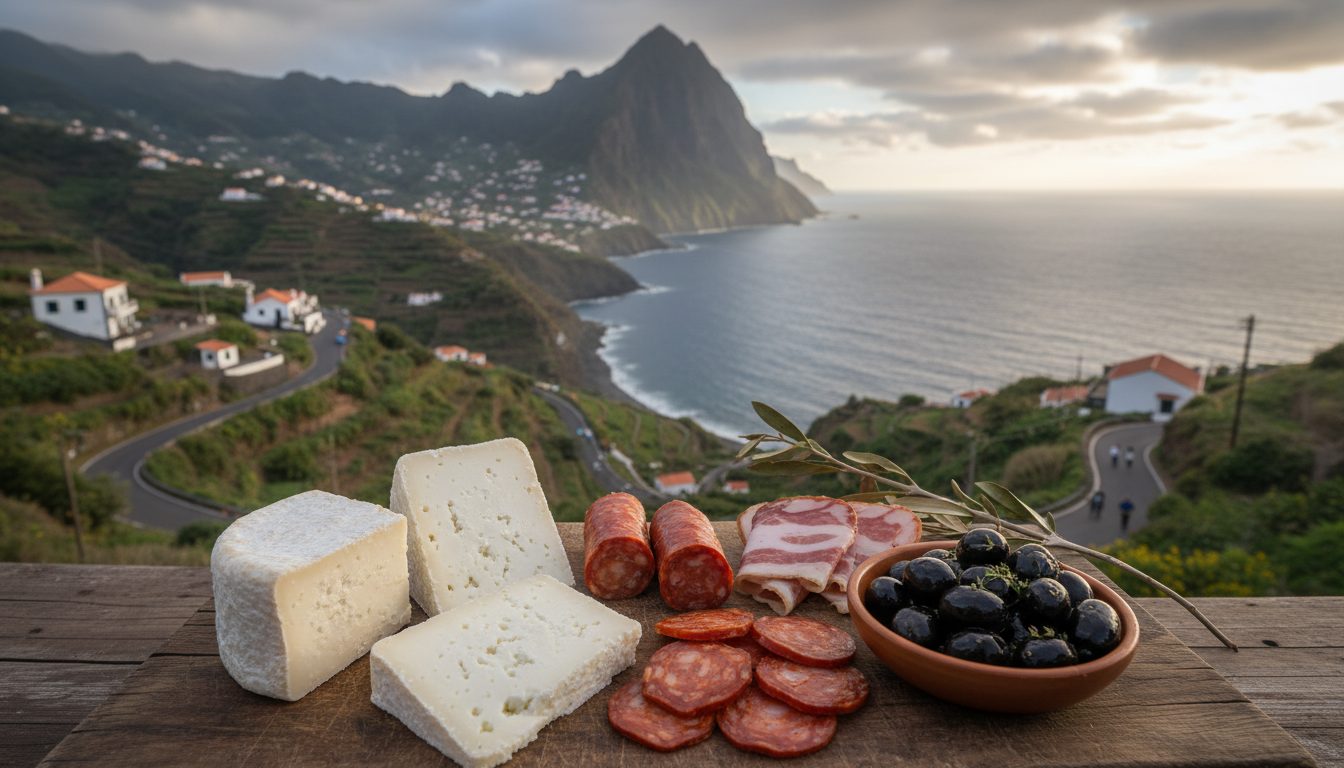
Much of the grape grown around here is still sold on to larger producers and blending houses rather than bottled under a local label, so do not expect the parish itself to be lined with grand cellar doors. What you will find are small family growers tending vertiginous plots by hand, and a few table wines – honest, a little rough at the edges, entirely unbothered by international scoring systems – sold directly from the farm or poured in the village tasca without ceremony.
Wine Estates to Visit Near Arco da Calheta
Arco da Calheta itself is light on formal visitor-ready estates; the island’s historic wine lodges and dedicated tasting rooms cluster further east, around Funchal and the Câmara de Lobos area, a drive of roughly half an hour or so depending on how many photo stops the coast road demands (it will demand several). That said, the terraced vineyards here reward exploration on foot – levada paths cut directly past working plots, and it is not unusual for a grower tending vines to offer a taste of whatever is open that week, usually in exchange for nothing more than polite conversation and genuine interest.
For a more structured tasting, most visitors base themselves here and travel out for an estate visit, treating Arco da Calheta as the quieter, greener counterpoint to a day spent among barrels and blending charts elsewhere on the island.
Food Markets in Arco da Calheta
The parish’s own market is modest and local in the best sense – a place for residents to buy bananas, custard apples, passion fruit, sweet potato, honey and bottled poncha rather than a tourist spectacle. If you want the full, theatrical market experience – tiled fish halls, flower sellers, fruit stacked into improbable pyramids – that belongs to Funchal’s Mercado dos Lavradores, a worthwhile excursion but a different experience entirely. What Arco da Calheta offers instead is the chance to buy fruit that was picked that morning from the slope you can see from the stall, which has its own quiet appeal.
Cooking Classes in Arco da Calheta
Formal cooking schools are not a feature of this particular parish, and anyone promising a slick, branded masterclass here is probably thinking of somewhere else. What you will find, often arranged informally through local guesthouses or farms, are hands-on sessions making bolo do caco on a traditional griddle, or learning to mix poncha properly – which involves a wooden pestle called a caralhinho and considerably more technique than the drink’s cheerful reputation suggests. These are low-key, personal experiences rather than production-line tourism, and arguably better for it.
Seasonal Specialities in Arco da Calheta
Bananas are harvested across much of the year here, with the heaviest crop in late summer and autumn, and the fruit markets fill with passion fruit and anona (custard apple) around the same time. Scabbardfish is fished year-round from the deep offshore trenches, so it is rarely out of season, though locals will tell you it tastes better in winter – locals will tell you a lot of things taste better in winter. Poncha, unsurprisingly, is drunk with equal enthusiasm in every season, though it does noticeably better business when there is a chill in the air. Truffles, for the record, are not a feature of Madeiran cuisine; the island’s underground treasures are mostly volcanic rock and the odd confused lizard.
Christmas brings out bolo de mel in earnest, along with chestnuts roasted at village gatherings, giving the parish’s food calendar a quiet rhythm that has little to do with the tourist season and everything to do with what is actually growing on the hill that month.
Best Food Experiences in Arco da Calheta
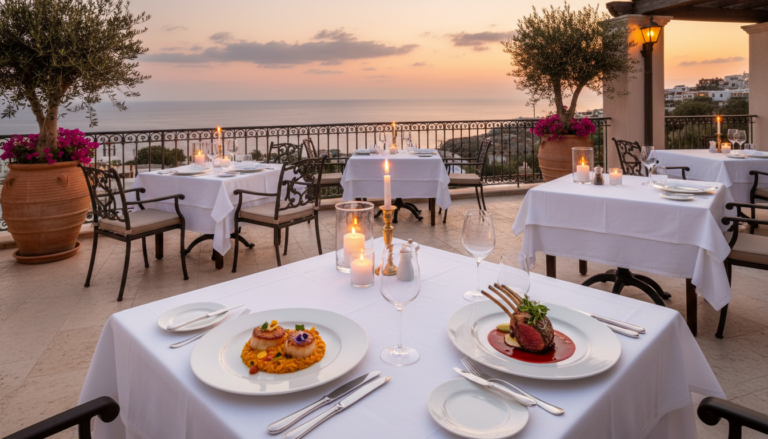
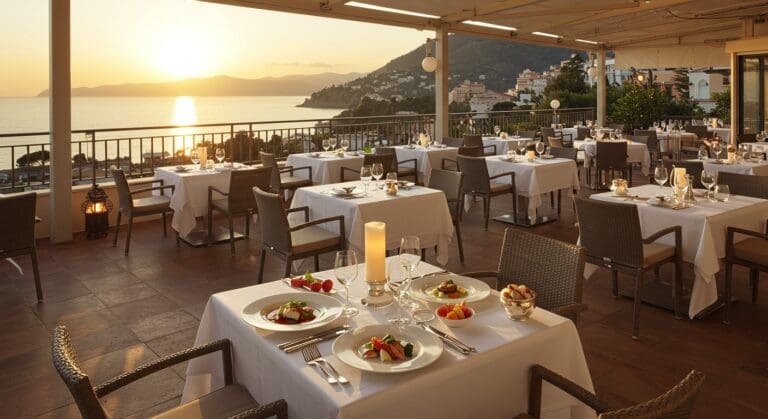
A poncha in a small local bar, mixed to order and drunk standing up, remains the most honest introduction to the parish’s drinking culture. An evening espetada, eaten outdoors with the Atlantic doing its moody thing on the horizon, is close behind. Walking a stretch of levada past working banana terraces before lunching at a village tasca gives a better sense of where the food comes from than any menu description could, and finishing the day with a glass of Madeira wine as the light drops over the coast is, frankly, difficult to improve upon.
For wider context on getting around and what else fills the days here, the Arco da Calheta Travel Guide covers the practicalities.
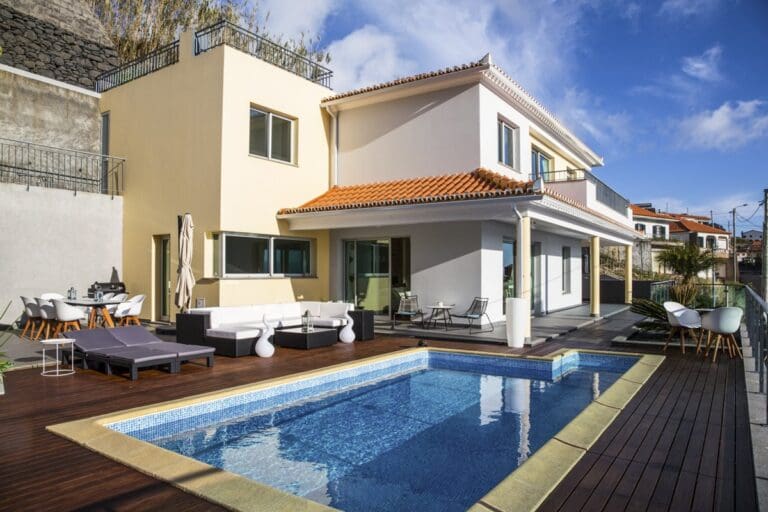
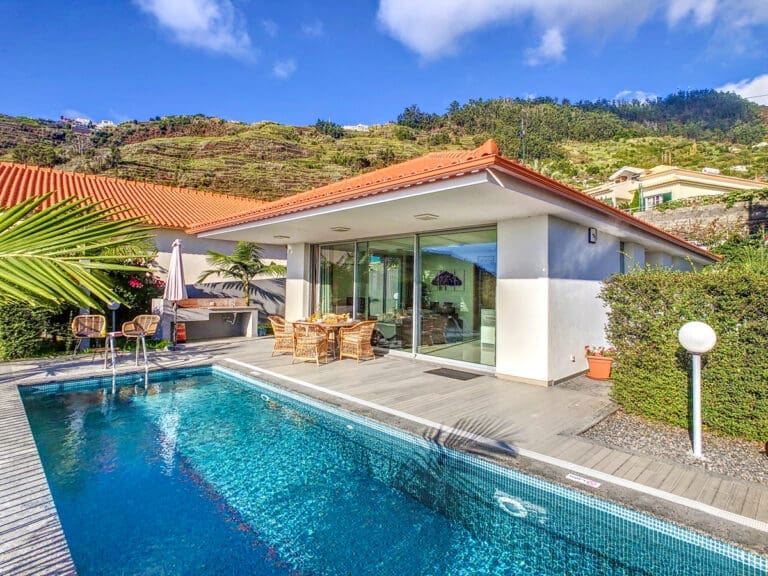
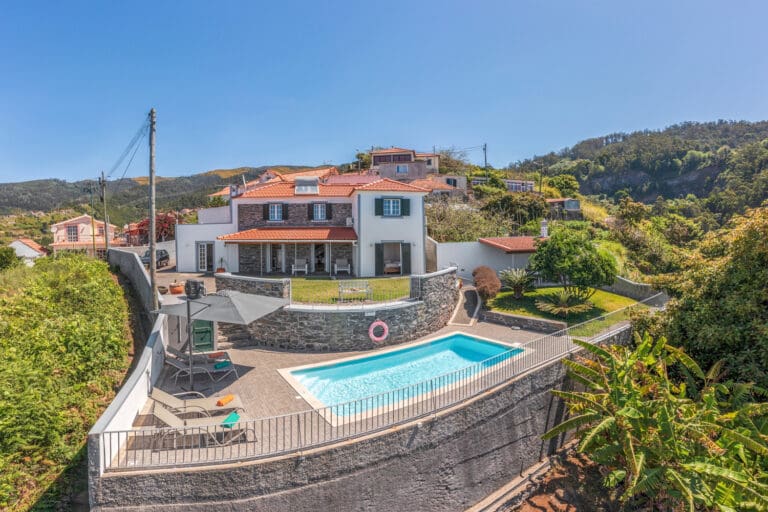
Anyone planning where to base themselves for this kind of eating and drinking can browse villas in Arco da Calheta.
Arco da Calheta Food and Wine FAQs
What is poncha and where can I try it in Arco da Calheta?
Poncha is a traditional Madeiran drink made from sugarcane spirit, honey and citrus juice, mixed with a wooden pestle. It is widely available in local bars and village taverns throughout Arco da Calheta and the wider Calheta area, usually made fresh to order.
Is Arco da Calheta good for wine tourism?
Arco da Calheta has working vineyards on its volcanic terraces but few formal tasting rooms. Visitors seeking structured estate visits and cellar tours typically travel to Funchal or Câmara de Lobos, around half an hour away, while enjoying informal tastings and local table wine closer to home.
What is the best time of year for food and wine in Arco da Calheta?
Late summer and autumn bring the best banana, passion fruit and custard apple harvests, while winter is considered prime season for poncha and warming dishes like espetada. Scabbardfish is available year-round, so there is no single wrong time to visit for food.
Keep reading
More on Arco da Calheta
- Travel guideArco da Calheta Travel Guide
- RestaurantsBest Restaurants in Arco da Calheta
- FamiliesArco da Calheta with Kids
Guides nearby in Calheta
Where to stay
Villas in Arco da Calheta
A selection from our 30 luxury villas in Arco da Calheta.