Elia Food & Wine: Olive Oil, Watermelons & Katakolo’s Octopus
Elia (Ilia), on Greece’s western Peloponnese coast, is known for its olive oil, watermelons and small family-run wine estates producing Peloponnese PGI wines. Seafood tavernas cluster around the port of Katakolo, while the ancient site of Olympia sits at the heart of a landscape thick with olive groves and vineyards. Local specialities include wild greens, grilled octopus and olive oil pressed fresh each autumn.
There is a particular smell that settles over Ilia in late October – green, peppery, faintly bitter – as the first olives of the season go into the presses. It drifts through villages whose names you will never quite pronounce correctly on the first try, and it mixes, if you are near the coast, with woodsmoke from a grill doing something unhurried to an octopus. This is not a region that shouts about its food. It simply gets on with producing some of the best raw material in Greece and letting other places take the credit.
Ilia’s name literally means “olive” in Greek, which tells you most of what you need to know before you have eaten a single meal. This is olive country in the proper agricultural sense – groves running to the horizon, presses working through the winter, oil so central to daily life that asking a local which brand they use gets you the same look you’d get asking which air they prefer to breathe. Add a fertile river plain, a long Ionian coastline and the gravitational pull of Ancient Olympia, and you have a food culture built on good ingredients, simple preparation and absolutely no interest in impressing anyone.
Elia Cuisine: Olive Oil, Watermelons and the Peloponnese Pantry
The cuisine here is Peloponnese cooking at its most unfussy – the kind built around what the land and sea actually produce rather than what looks good on a menu. Olive oil is the constant, poured without measurement over everything from boiled wild greens (horta) to grilled fish, and it is genuinely different oil to what most visitors are used to: green-gold, slightly cloudy if unfiltered, with a peppery finish that catches the back of the throat. Ilia is also, somewhat improbably for a region so associated with ancient ruins and quiet villages, one of Greece’s major watermelon-growing areas – the flat, irrigated plain around Amaliada produces enormous quantities each summer, sold from roadside stalls with a casualness that suggests nobody has told the growers how good their watermelons actually are.
Inland, the cooking leans on lamb, goat, wild greens, feta and legumes, much of it slow-cooked in clay pots the way it has been for generations. Along the coast, particularly around the port town of Katakolo and the beaches near Kyllini, the focus shifts to fish and seafood, simply grilled or fried, with little more than lemon, oil and salt doing the talking. It is food that rewards patience rather than spectacle, which suits a region that has spent three thousand years being quietly significant rather than loudly famous. For broader context on getting around the area and what else fills the days between meals, the Elia Travel Guide covers the wider picture.
Elia Food and Wine: Signature Dishes to Try
Certain dishes turn up again and again, and for good reason. Horta – wild greens, usually dandelion or chicory, boiled and dressed with oil and lemon – is the kind of dish that sounds like punishment and tastes like the reason Mediterranean diets get studied by nutritionists. Grilled octopus, tenderised and charred until the edges crisp, is near-ubiquitous at coastal tavernas and worth ordering even if you think you don’t like octopus (you have probably only had the rubbery kind). Lamb kleftiko – slow-roasted in paper or clay with garlic, oregano and lemon until it falls apart – is a village speciality that takes hours to cook and considerably less time to eat.
Look out too for fresh fish simply grilled whole, giant beans (gigantes) baked in tomato sauce, and village salads built from tomatoes that taste of something, feta that hasn’t been anywhere near a factory, and that same relentless olive oil. Desserts tend toward honey-soaked pastries and seasonal fruit – watermelon in summer, figs in early autumn – rather than anything elaborate. Nobody here is trying to win a plating competition, and the food is better for it.
Elia Wine: Local Producers and Wine Estates
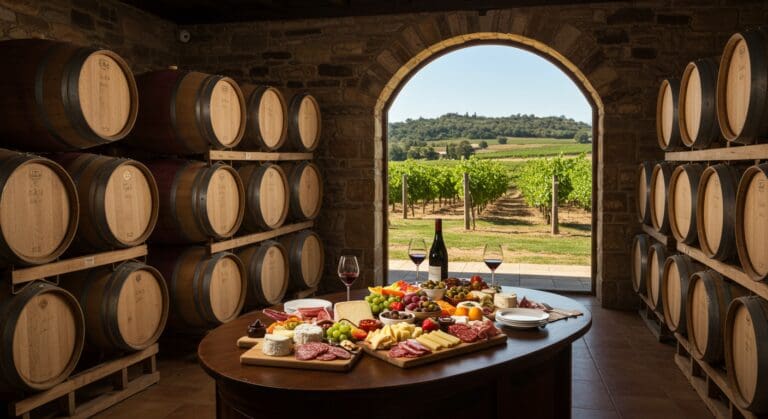
Ilia is not Greece’s best-known wine region, and locals seem entirely unbothered by this. A handful of family-run estates, many still farming the same hillside plots their grandparents did, produce Peloponnese PGI wines from both indigenous and international grape varieties – crisp whites that suit the heat, and reds with enough structure to stand up to slow-cooked lamb. Visiting one typically means a short drive into the hills behind the coastal towns, a tasting conducted by someone who grew up among the vines rather than a hospitality graduate, and the distinct sense that the wine is almost incidental to the conversation about olives, weather and the previous year’s harvest.
This is not a region of grand chateaux with gift shops and tour buses. It is small-scale, seasonal and occasionally a little chaotic – you may arrive expecting a polished tasting room and find a barn with excellent wine in it, which, once you adjust your expectations, is rather the point. Ask locally or through your accommodation for current estate visits, as hours tend to follow the harvest rather than a published calendar.
Elia Food Markets and Shopping for Local Produce
Weekly street markets (laïki agora) rotate through the towns of the region, setting up at dawn and largely packing away by early afternoon once the sun makes standing over a fish stall unbearable. These are where you see the actual produce of Ilia rather than the tourist-facing version – crates of watermelons the size of car tyres, oil sold straight from the producer in unlabelled bottles, greens still gritty with soil, cheeses with no branding beyond a handwritten price. Bargaining is not really expected, but a bit of basic Greek goes further here than almost anywhere in the country’s more visited regions.
Smaller villages tend to have at least one general store doubling as a de facto deli, selling local oil, honey, wine and preserved olives, usually at prices that make supermarket equivalents look faintly absurd. If you want to bring something home that actually represents the place, skip the souvenir shops near Olympia’s entrance and buy a bottle of oil from wherever the locals buy theirs.
Elia Cooking Classes and Food Experiences
Hands-on food experiences in Ilia tend to be small and genuinely local rather than packaged for groups – a family opening their kitchen to show visitors how horta, kleftiko or a particular village pie is actually made, often with ingredients picked or bought that same morning. These are usually arranged informally through accommodation hosts or local contacts rather than booked online months in advance, which is either charmingly authentic or mildly inconvenient depending on how organised your trip is.
Olive oil tastings, sometimes paired with a visit to a working press during the autumn harvest, are increasingly available and worth prioritising if your visit coincides with the season (roughly November into early winter). Watching oil pressed within hours of the olives leaving the tree, then tasting it still faintly warm, recalibrates what you think olive oil is supposed to taste like – and makes the bottle at home seem suddenly rather dull.
Elia Seasonal Specialities: Olive Harvest, Watermelon and Seafood
Timing matters more here than in most food destinations. Visit in late autumn and you catch the olive harvest in full swing – presses running, oil at its freshest, villages busy with the particular focused energy of people bringing in a year’s income. Visit in summer and it is all about watermelon, tomatoes and long, lazy seafood lunches that start at two and quietly become dinner. Spring brings the best wild greens, as fields fill with the dandelion and chicory varieties that end up boiled on every taverna table.
Seafood is good year-round along the coast but at its best outside peak summer, when the fishing boats working out of Katakolo aren’t competing with quite so many hungry cruise-ship day-trippers (Katakolo’s role as a cruise port means the harbour can get considerably busier than the town’s actual size would suggest). Shoulder season – April, May, late September, October – genuinely is the sweet spot for eating well without queuing for it.
Best Food Experiences in Elia
If time is short, prioritise three things: a seafood lunch in Katakolo’s harbour, eaten slowly with a view of fishing boats rather than cruise ships if you can time it right; a visit to a small olive oil producer, ideally during the autumn pressing; and at least one meal of slow-cooked lamb or goat in an inland village taverna, the kind with a handwritten menu and no English translation (point confidently and trust the process). Pair the latter with a glass of whatever red the local wine estate is currently proud of, and you have, more or less, the whole story of how Ilia eats – simply, seasonally, and without the faintest interest in whether you’re impressed.
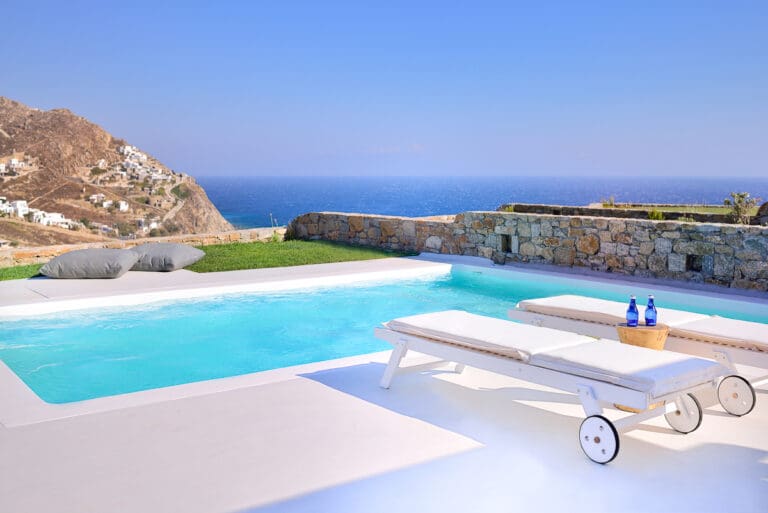
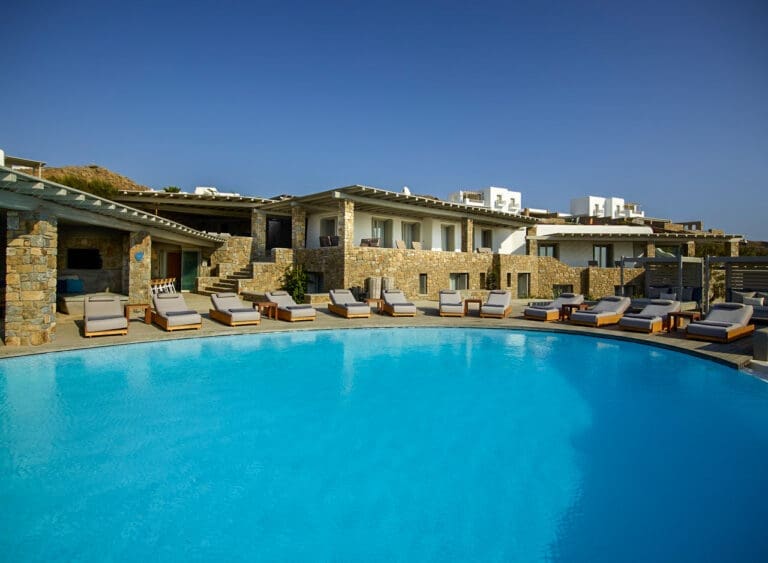
Those planning where to base themselves for all this eating and drinking can browse villas in Elia.
Elia Food and Wine FAQs
What is Elia (Ilia) in Greece best known for food-wise?
Ilia is best known for its olive oil production, watermelons grown on the fertile coastal plain, and fresh seafood served in harbour towns such as Katakolo. It is also home to small family-run wine estates producing Peloponnese PGI wines.
When is the best time to visit Elia for the olive harvest?
The olive harvest typically runs from late October through December, with presses working at full capacity through November. Visiting during this window offers the best chance of seeing fresh oil pressed and tasting it within hours of production.
Are there good seafood restaurants near Ancient Olympia?
The best seafood is found along the coast rather than inland near the ruins themselves, particularly around the port town of Katakolo and nearby Kyllini, both a short drive from Ancient Olympia. Inland village tavernas focus more on lamb, goat and wild greens than fish.
Keep reading
More on Elia
Guides nearby in Mykonos
Where to stay
Villas in Elia
A selection from our 50 luxury villas in Elia.