Maremma with Kids: Wild Beaches, Thermal Pools & Butteri Cowboys
Maremma in southern Tuscany suits families well, with shallow sandy beaches, a large coastal nature park, warm thermal springs and towns small enough that nobody gets lost twice. The region works for a wide age range, from toddlers paddling at Marina di Alberese to teenagers riding horses with the local cowboys known as butteri. Expect easy driving distances, long lunches and relatively few crowds compared with the Tuscan hill towns further north.
Picture this: breakfast on a terrace with the cicadas already warming up for the day, a short drive to a beach where the water is warm enough to wade into without the usual parental countdown, and a lunch of fresh pasta eaten slowly because nobody is rushing you. By mid-afternoon the children are asleep in the back of the car, sunburnt in exactly the places you forgot to reapply cream, and you are driving up into the hills towards a thermal pool that steams gently even in August heat. This is an ordinary Tuesday in Maremma, and it is precisely why families keep coming back.
Maremma with Kids: Why It Works So Well
Maremma occupies the part of Tuscany that tends to get overlooked in favour of Florence and Siena, which is rather the point. The beaches are long and gently shelving rather than the steep shingle you find further south, the countryside is wild rather than manicured, and the whole region moves at a pace that suits small legs and shorter attention spans. There is a genuine working landscape here – cattle, horses, cork oaks – rather than a polished stage set, and children tend to respond to that authenticity even if they could not articulate why.
The region also has the practical advantages that matter more than any attraction: distances are short, roads are quiet outside peak August weeks, and towns like Castiglione della Pescaia and Talamone are compact enough to explore on foot after dinner without anyone needing to be carried. For a fuller sense of the region’s character and the best base for exploring it, the Maremma Travel Guide is worth reading alongside this one.
Best Family Beaches in Maremma
Marina di Alberese, inside the Maremma Natural Park, is the beach most families end up returning to. It is reached by a short walk or shuttle from the park entrance rather than a car park beside the sand, which keeps numbers down and the atmosphere pleasantly unhurried. The water is shallow for a good distance out, the sand is fine, and there is enough space that small children can wander further than feels sensible without actually leaving your sightline.
Further south, the beaches around Talamone and Porto Ercole offer similarly gentle entry points with a bit more in the way of beach bars and sunbed rental for parents who would like their swimming interrupted by a cold drink. Punta Ala, on the northern edge of the region, is tidier and more resort-like, which some families prefer and others find a little too organised for a place that is meant to feel wild.
Things to Do in Maremma with Kids
The Maremma Natural Park is the obvious draw, and deserves more than a drive-through. Guided jeep tours and walking trails run through cork woodland where you may well spot the semi-wild Maremmana cattle and the region’s famous white horses, handled by butteri whose unhurried competence is worth watching even if your children are more interested in the snacks. Horse riding lessons and short treks are widely available for older children and teenagers who want more than a photograph.
The thermal waters at Saturnia are a genuine family highlight – free, warm, and cascading over natural limestone terraces into pools shallow enough for children to sit in without an adult hovering nearby. It gets busy at weekends, so an early or late visit rewards you with something closer to having the place to yourselves. Inland, the hill towns of Pitigliano and Sovana, built into and around tufa cliffs, give older children something to climb over and photograph while the adults enjoy a slower pace of sightseeing than Florence ever allows.
Where to Eat in Maremma with Kids
Maremma’s food culture leans rustic rather than refined, which in practice means simple, generous dishes that children tend to eat without negotiation. Look for trattorias serving pappardelle with wild boar ragù, a dish that genuinely belongs to this region’s hunting tradition, alongside grilled meats and the acquacotta soup that Maremma’s farmhands have been eating for generations. Seaside towns add fresh fish and seafood pasta to the mix, usually served without excessive fuss.
Family-run restaurants here are generally relaxed about children arriving mid-afternoon, running between tables, or requesting plain pasta with butter when the menu offers nothing of the sort. Gelato is, as everywhere in Italy, both dinner negotiation currency and an evening ritual in itself – most coastal towns have at least one gelateria worth the short walk for.
Rainy Day Activities in Maremma
Rain is mercifully rare here outside the shoulder seasons, but when it does arrive, the region’s small archaeological museums are a reasonable retreat, particularly those covering the Etruscan sites scattered across the inland hills – the tombs at Sovana are atmospheric enough to hold a child’s interest even under grey skies. Several towns have covered markets worth browsing for an hour, and a wet afternoon is as good an excuse as any for a long, unhurried lunch that runs well past the point where the rain has stopped anyway.
Maremma with Kids by Age: Toddlers, Juniors and Teens
Toddlers do well at the shallow beaches, particularly Marina di Alberese, and benefit from the fact that most restaurants are entirely unbothered by high chairs, spilled water and early dinners. Pack sun hats and more sun cream than feels necessary – the Tuscan sun in July and August is stronger than it looks from a shaded terrace.
Juniors, roughly aged six to twelve, are the sweet spot for Maremma – old enough for the jeep safaris and horse rides in the natural park, and young enough to find wild boar on the menu genuinely thrilling rather than concerning. Teenagers tend to respond best to the coast, where paddleboarding and snorkelling are easy to arrange, and to the hill towns’ narrow lanes and tufa cliffs, which offer more independence and better photographs than a beach ever will.
Getting Around Maremma with Kids
A car is close to essential here. Public transport exists but connects towns rather than the beaches and nature reserves families actually want to reach, and taxis are scarce outside the main resorts. Roads are generally quiet and well maintained, though hill town centres are often closed to traffic, which means a short walk with bags and children at the end of most journeys – factor that into nap schedules rather than fighting it. Car seats should be booked in advance with hire companies, as supply in peak season is not infinite.
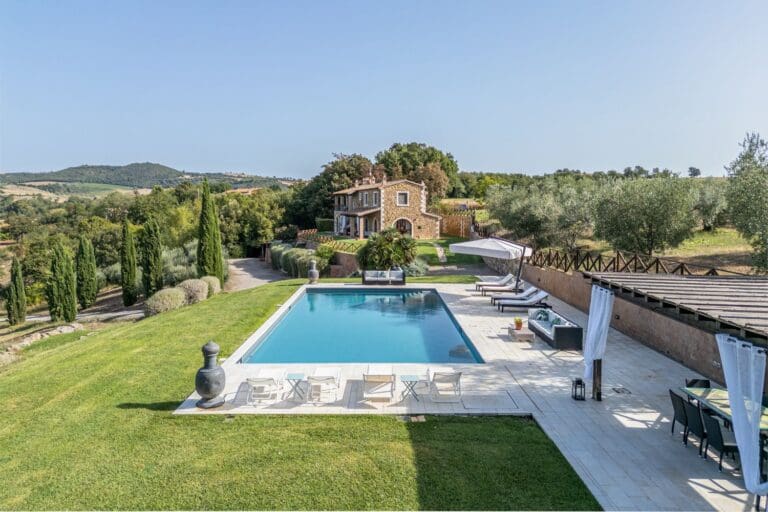
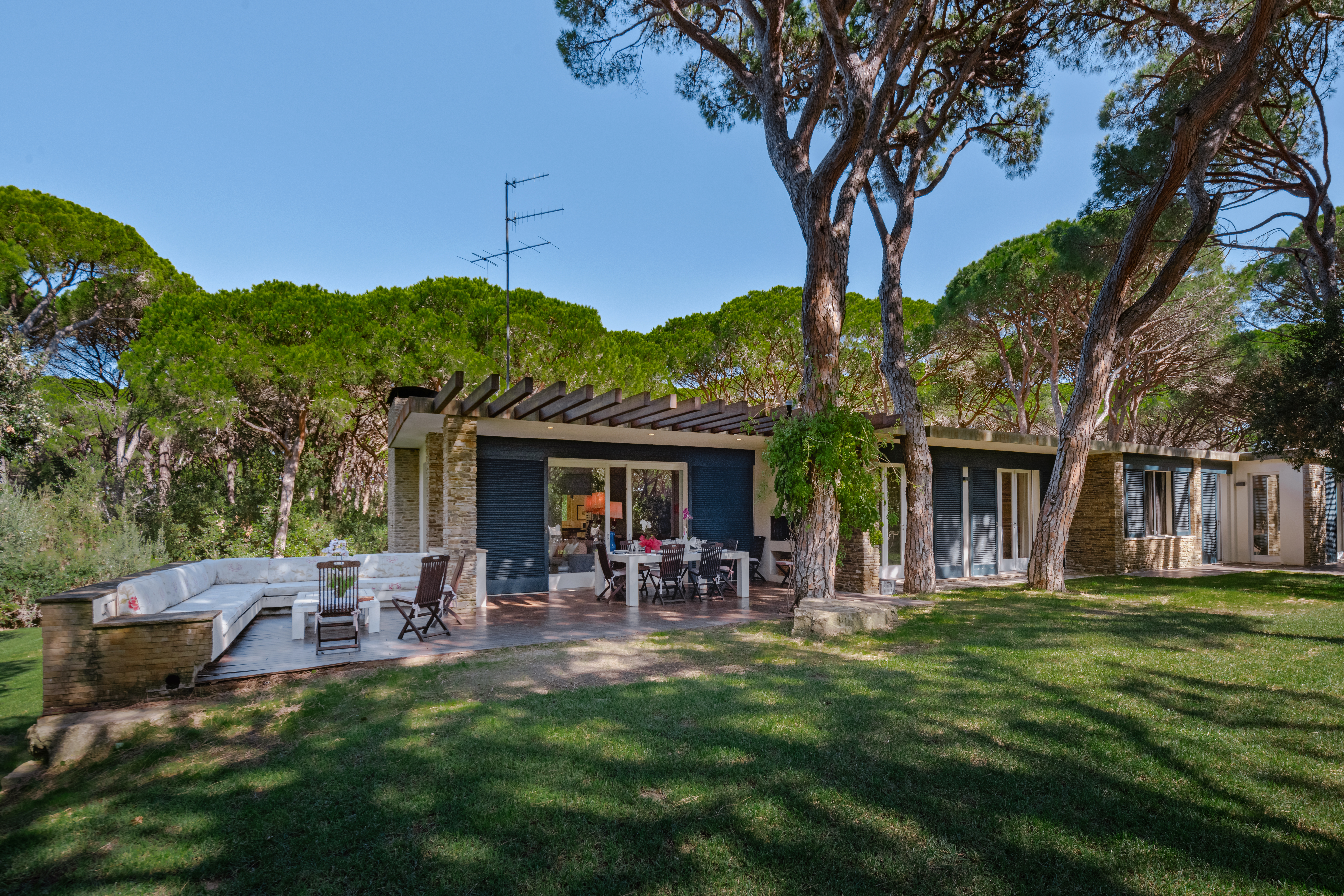
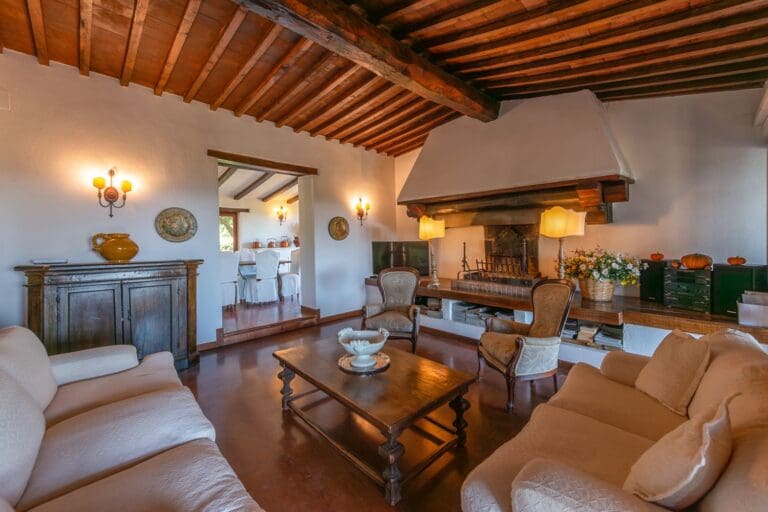
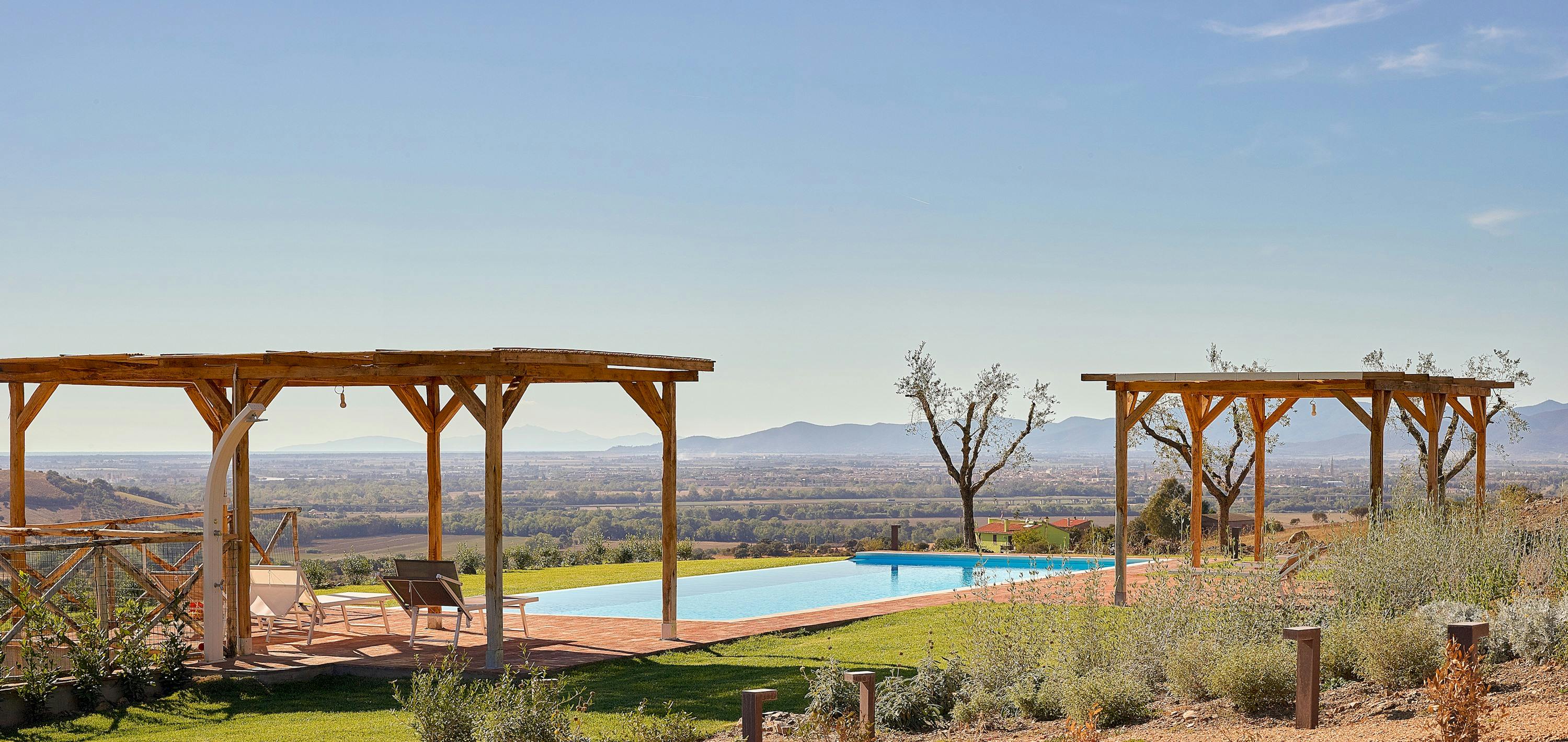
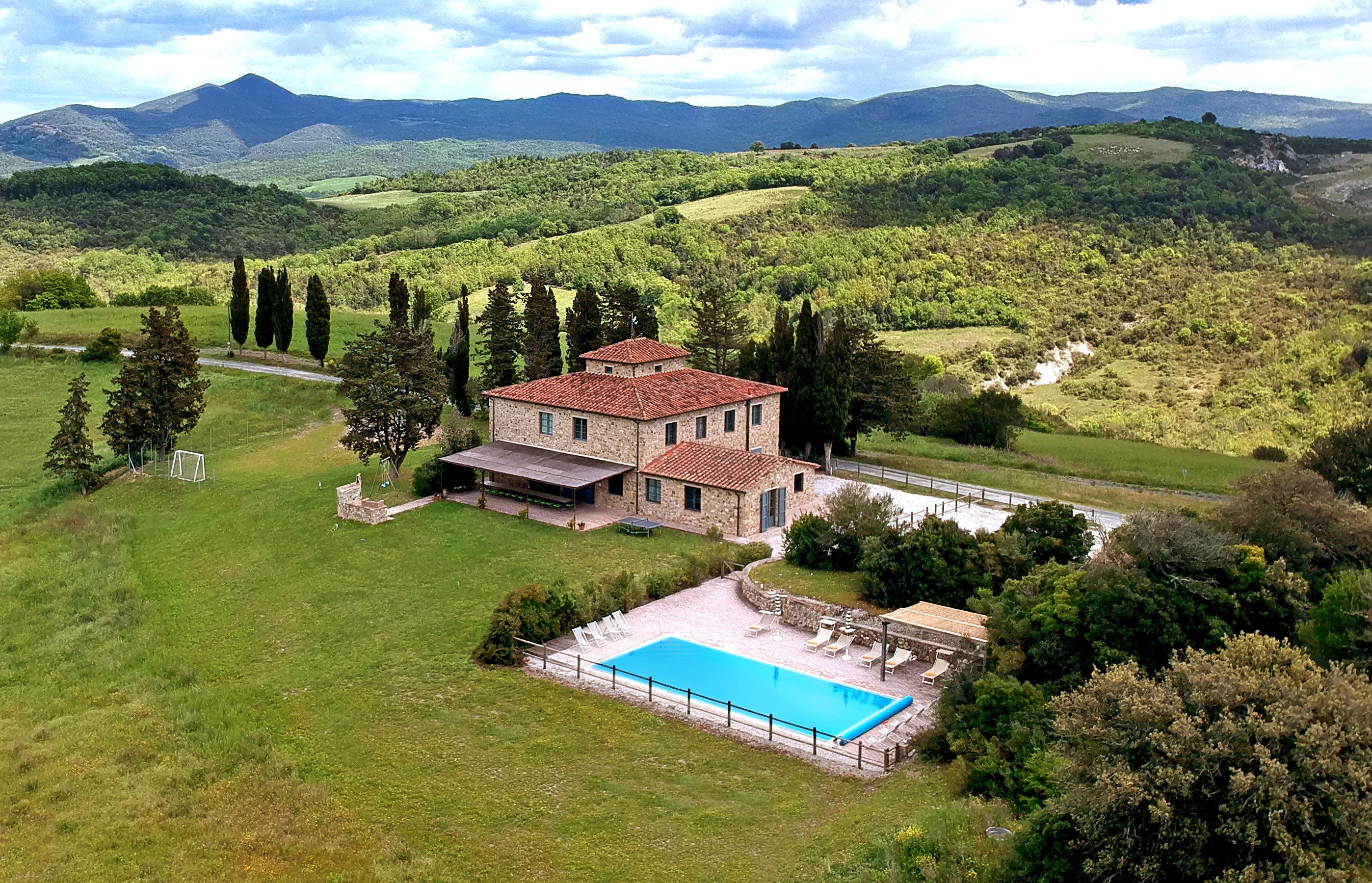
For families weighing up where to stay, villas in Maremma are worth a look.
Maremma Family Holiday FAQs
Is Maremma good for families with young children?
Yes. The shallow beaches inside the Maremma Natural Park, particularly Marina di Alberese, are among the gentlest in Tuscany, and the region’s relaxed pace and unhurried restaurants suit young children better than busier Tuscan hotspots.
What is the best time of year to visit Maremma with kids?
Late May, June and September offer warm sea temperatures without the peak-August crowds or heat, making them the most comfortable months for family visits, particularly with younger children or toddlers.
Do I need a car to visit Maremma with children?
A car is strongly recommended, as the region’s beaches, nature park and hill towns are spread across quiet countryside with limited public transport connecting them directly.
Keep reading
More on Maremma
- Travel guideMaremma Travel Guide
- When to goBest Time to Visit Maremma
- RestaurantsBest Restaurants in Maremma
- Food & wineMaremma Food & Wine
Guides nearby in Tuscany
Where to stay
Villas in Maremma
A selection from our 104 luxury villas in Maremma.