Alcácer do Sal with Kids: Storks, Dolphins & Rice Fields
Alcácer do Sal is a quiet riverside town in Portugal’s Alentejo region, around an hour south of Lisbon, with warm sandy river beaches, a hilltop castle and gentle waters well suited to young children. Families typically spend their days swimming in the Sado estuary, spotting the local dolphin pod from a small boat, and wandering the cork oak and rice paddy countryside that surrounds the town. There are few big attractions in the Algarve sense – no water parks, no queues – which is either the whole appeal or a dealbreaker, depending on what sort of family you are.
Does a holiday need a water slide to count as a family holiday? Alcácer do Sal makes a quiet but firm case for the opposing view. This is a town built on salt and rice rather than sunbeds and spring break, and it has stayed that way largely because the Algarve took most of the tourist traffic and left this stretch of the Sado estuary to the storks, the fishermen and the occasional curious traveller who noticed it on a map halfway between Lisbon and the coast. For families, that quietness turns out to be the point.
Alcácer do Sal with Kids: How Family-Friendly Is It?
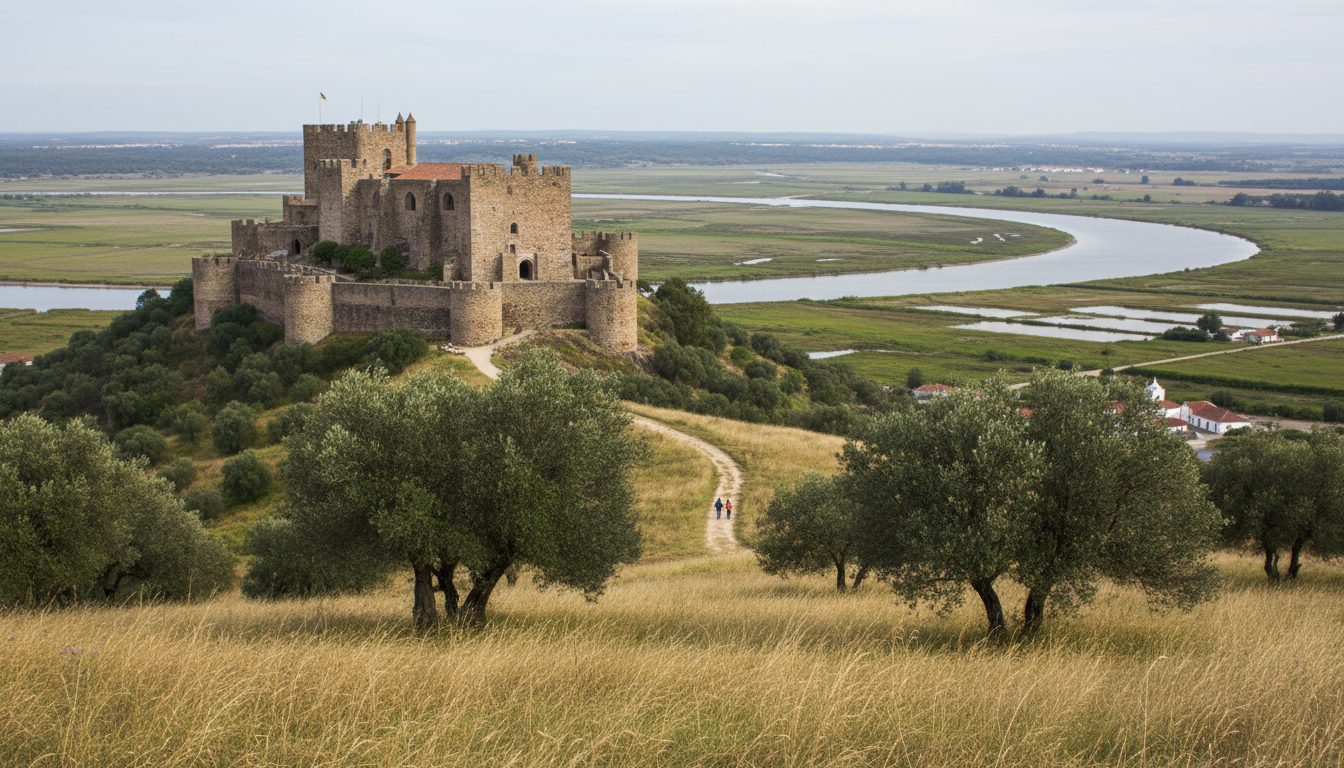
Alcácer do Sal works well for families who like their holidays unhurried, and less well for families who measure a destination by how many attractions it has within a ten-minute drive. The town itself sits on the Sado River, below a castle that has watched over the water since Moorish times, and daily life still revolves around the river rather than around tourism. That means things are calm: traffic is light, the main square is genuinely for locals, and nobody will try to sell your children a inflatable unicorn on the way to breakfast.
What it lacks in theme parks it makes up for in space – river beaches that rarely feel crowded, cork oak forests for slow exploring, and a pace of life that Portuguese grandparents seem to have perfected centuries ago. It is not a destination for teenagers craving nightlife, and toddlers will need a parent’s judgement about tides and sun rather than a lifeguard-staffed resort pool. For families somewhere in between – the kind who want a proper swim, a proper meal and an early night – it fits rather neatly. For a wider sense of the town’s history and character beyond the family angle, the Alcácer do Sal Travel Guide covers that ground in more detail.
Best Family Beaches in Alcácer do Sal
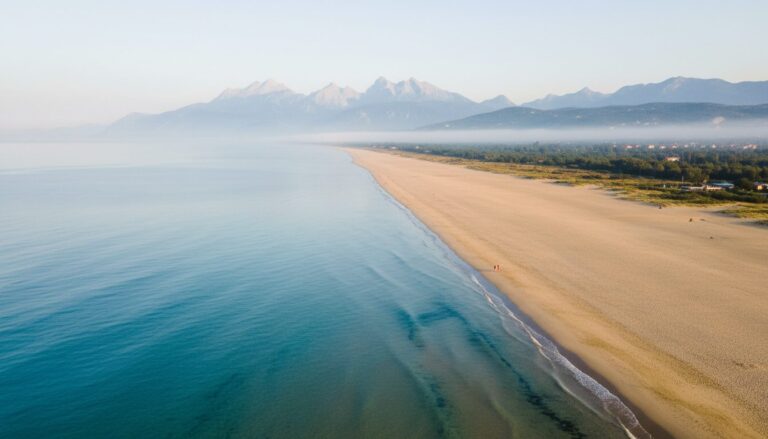
The beaches here are river beaches rather than ocean ones, which for families with small children is often an advantage nobody mentions until they’re standing in flat, warm, wave-free water watching a six-year-old swim unaided for the first time. The Sado estuary beaches near the town have soft sand, gentle shelving and none of the undertow that makes Atlantic beaches further along the coast a two-adults-per-child operation.
The water here is noticeably warmer than the open Atlantic too, since the estuary takes longer to cool and the current is far less assertive, which matters more than people expect when it comes to convincing a toddler that the sea is a friend rather than an enemy. Shade is patchier than on commercial beaches, so a sun tent or parasol earns its luggage space. Facilities are modest – a kiosk here and there rather than a full beach club – so families who like beach days with proper infrastructure should pack snacks and expect things to run on local time.
Things to Do with Kids in Alcácer do Sal
The signature family activity is a boat trip on the Sado estuary to see its resident population of bottlenose dolphins, one of the few groups in Europe that live permanently in a river rather than the open sea. Children who have only seen dolphins on screens tend to go quiet in a satisfying way when one surfaces twenty metres from the boat.
Beyond the dolphins, the estuary and surrounding rice paddies are a serious draw for birdwatching families – storks nest on chimneys, pylons and old salt warehouse rooftops throughout the town, often at eye level with a hotel balcony, which children find either delightful or mildly alarming depending on temperament. Kayaking and canoeing on the calmer stretches of the Sado suit older children well, and the flat country roads around the rice fields and cork oak plantations make for easy family cycling, with storks for scenery and almost no traffic to dodge. Horse riding is also well established in this part of the Alentejo, for families travelling with children confident enough in the saddle.
Child-Friendly Restaurants in Alcácer do Sal
Alentejo food is built around slow-cooked, generous dishes – bread soups, grilled fish from the estuary, rice dishes that reflect the paddies right outside town – and most local restaurants are entirely used to children at the table, if not always equipped with a dedicated kids’ menu. Expect simple grilled fish and chicken, bread, and rice dishes that fussy eaters can usually be talked into, rather than chicken nuggets on laminated cards.
Riverside cafés along the Sado are the easiest option for younger children, since there’s space to wriggle and something to watch on the water while the adults finish a coffee in peace. The town’s traditional tascas serve heartier, slower meals better suited to older children with the patience for a proper Portuguese lunch, which can run considerably longer than anyone under ten considers reasonable. An ice cream stop near the market square is, as in most of Portugal, both inevitable and entirely correct.
Rainy-Day Activities in Alcácer do Sal
Rain is rare here between late spring and early autumn, but the Alentejo winter does produce the occasional grey, drizzly day, and it’s worth knowing what to do with it. The hilltop castle, with its sweeping views over the river and rooftops, is a good option even in poor weather, since much of the appeal is the walk up and the view down rather than anything requiring sunshine. The town’s small museums covering local archaeology and history give older children a quiet hour indoors, and the covered market is worth a wander regardless of weather, if only to let children choose fruit they’ve never seen before.
For a genuinely wet day, Lisbon’s indoor attractions are within reach for families staying in Alcácer do Sal, roughly an hour’s drive north, making it feasible as an occasional day trip rather than a full relocation. Locally, a slow lunch somewhere warm and a board game back at base usually does the job just as well.
Alcácer do Sal with Kids by Age: Toddlers, Juniors and Teens
Alcácer do Sal with Toddlers
Toddlers do well here largely because of the river beaches – shallow, warm and forgiving of unsteady legs – and the slow pace of the town itself, which means nobody is rushing a buggy down a cobbled street to make it somewhere on time. Shade and sun protection need planning, since beach facilities are modest, and a midday siesta back at base is less an indulgence than a practical response to the Alentejo heat in summer. Pavements in the old town are uneven in places, so a sturdy buggy or a baby carrier both earn their keep.
Alcácer do Sal with Juniors (Ages 6-12)
This is arguably the sweet spot age group for Alcácer do Sal. Children old enough to swim confidently, cycle a flat country road, and sit still for a dolphin-watching boat trip get the most from what’s on offer here. The castle walk, the storks, the boats on the river – all of it lands well with curious ten-year-olds in a way that teenagers, frankly, find harder to fake enthusiasm for.
Alcácer do Sal with Teens
Teenagers will find the town itself quiet – there is no nightlife to speak of, and the appeal of a stork’s nest has a natural ceiling – but kayaking, horse riding and day trips to the beaches and dunes around nearby Comporta and Tróia give older children something more active to do. A teenager who likes a proper outdoor challenge will come round to Alcácer do Sal faster than one who measures a holiday by its beach bars.
Getting Around Alcácer do Sal with Children
A car is close to essential for families here, since the best beaches, the dolphin trips and the surrounding countryside all require a short drive rather than a stroll. The town centre itself is walkable and largely flat near the river, though the climb up to the castle is steeper than it looks on a map and not something a pushchair will manage without assistance.
Car seats should be booked in advance with any hire company, as stock is more limited here than in the Algarve’s larger resort towns. Roads around Alcácer do Sal are quiet by Portuguese standards, and the drive from Lisbon is straightforward, but families relying on public transport will find options thin on the ground once they arrive, which is worth factoring in before ruling out car hire to save money.
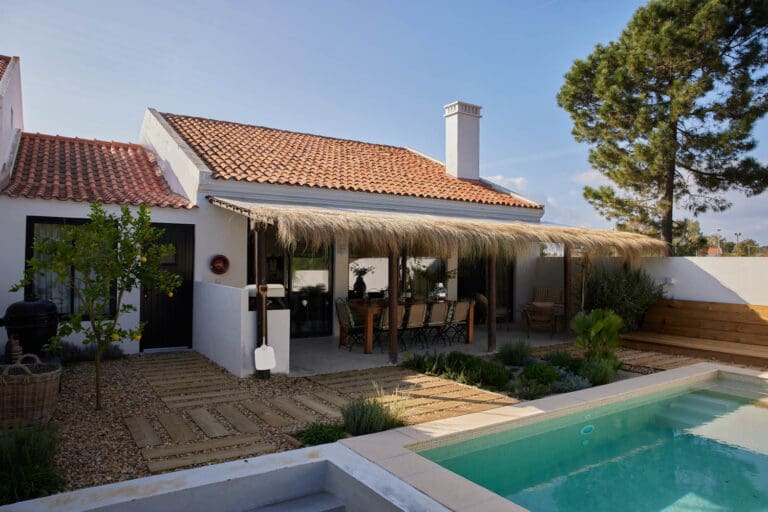
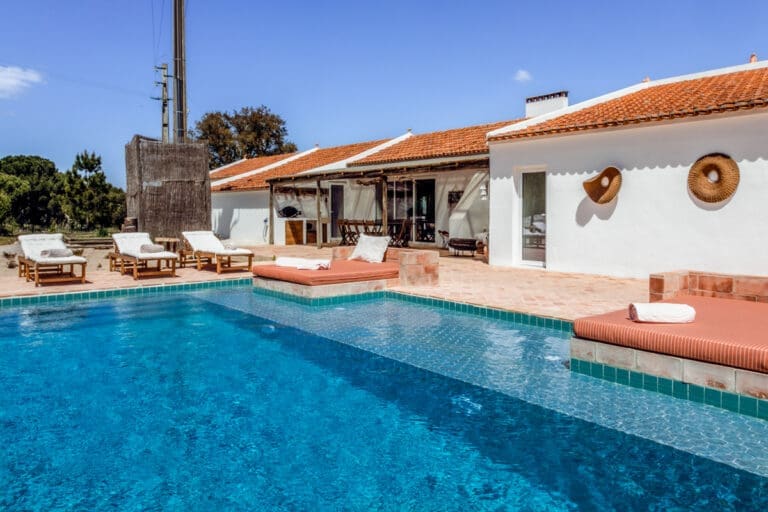
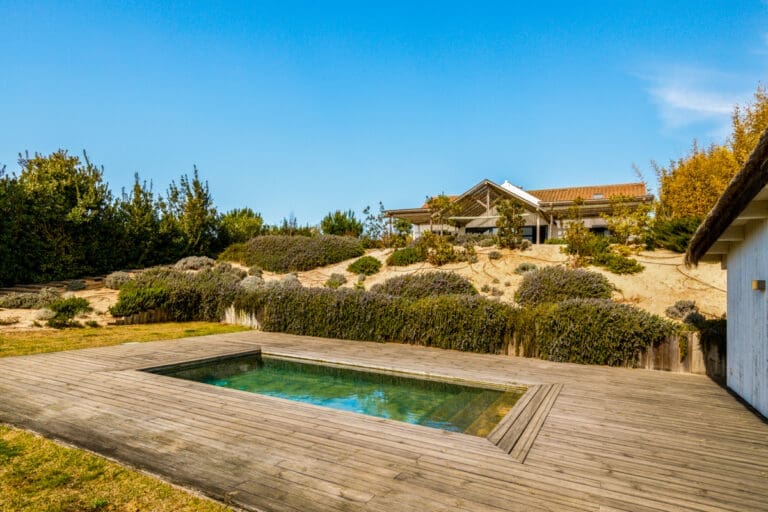
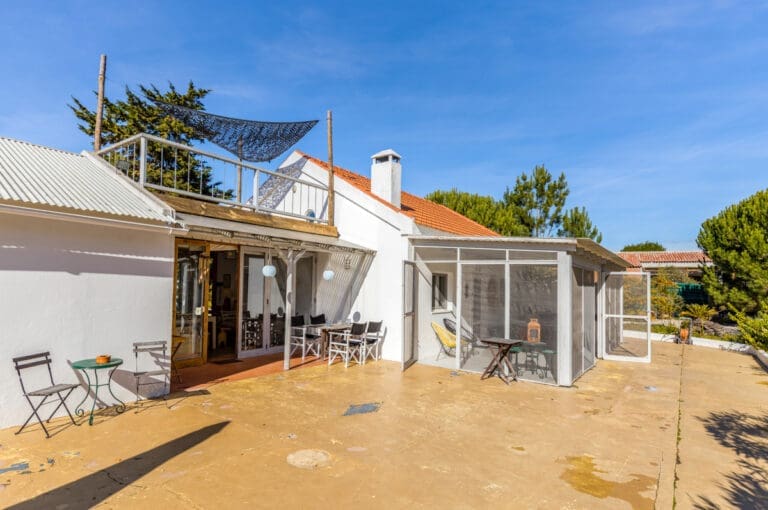
Families weighing up where to base themselves can find villas in Alcácer do Sal for a starting point.
Alcácer do Sal Family Holiday FAQs
Is Alcácer do Sal good for a family holiday with young children?
Yes, largely because of its calm, warm river beaches on the Sado estuary, which are gentler and easier for small children than the Atlantic beaches found elsewhere on the Portuguese coast.
How far is Alcácer do Sal from Lisbon Airport?
Alcácer do Sal is roughly an hour’s drive south of Lisbon, making it accessible for a family arriving by air without an excessively long transfer with tired children in tow.
Can you see dolphins near Alcácer do Sal?
Yes, the Sado estuary near Alcácer do Sal is home to a resident population of bottlenose dolphins, and boat trips to see them are one of the area’s main family activities.
Keep reading
More on Alcácer do Sal
- Travel guideAlcácer do Sal Travel Guide
- RestaurantsBest Restaurants in Alcácer do Sal
- Food & wineAlcácer do Sal Food & Wine
Guides nearby in Comporta
Where to stay
Villas in Alcácer do Sal
A selection from our 45 luxury villas in Alcácer do Sal.