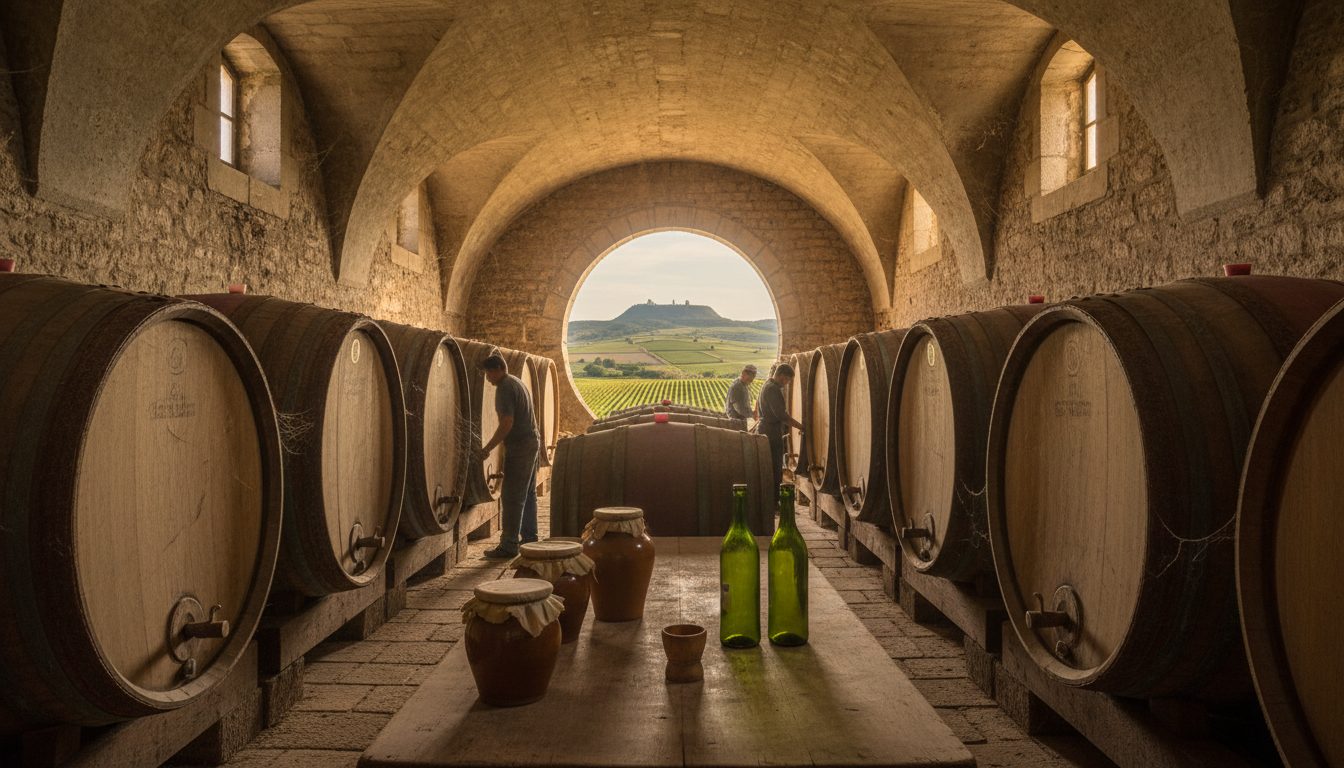
Bourgogne-Franche-Comté Food & Wine: Burgundy, Comté & Crémant
Bourgogne-Franche-Comté produces some of France’s most significant wines, including Burgundy’s Grand Cru reds and whites and the Jura’s distinctive vin jaune. The regional cuisine is built on slow-cooked, wine-based dishes such as bœuf bourguignon and coq au vin, alongside Comté cheese, Bresse chicken and Morteau sausage. Food markets in towns such as Dijon and Beaune, plus wine estates across the Côte d’Or, offer the most direct way to experience it.
Most first-time visitors arrive with a single word in their heads – Burgundy – and a mental picture of tiny glasses of red wine sipped delicately between courses of something French and refined. Then someone puts a bowl of beef that has been simmering since sometime last Tuesday in front of them, with a crust of bread for mopping, and the delicate picture dissolves rather quickly. Bourgogne-Franche-Comté is not a region of small portions. It is farmhouse food elevated by extraordinary wine, not the other way round, and the two halves of its name hide two entirely different culinary personalities: Burgundy’s wine-soaked classics in the west, and Franche-Comté’s mountain cheese and charcuterie in the east, shaped by the Jura’s cooler, harder winters. Visitors who only plan for one miss the other entirely, which is a shame, because the cheese counter alone is worth the detour.
Bourgogne-Franche-Comté Food and Wine: An Overview
This is landlocked, continental France, a long way from any coastline, and the cooking reflects it. There is no seafood tradition here worth mentioning beyond freshwater fish from the region’s rivers and lakes – pike-perch, trout, the occasional crayfish – so anyone hoping for oysters is in the wrong part of the country entirely. What the region does have in abundance is wine, dairy, beef, game and an unapologetic fondness for butter and cream. Burgundy’s cuisine leans on its vineyards: dishes are braised, stewed and sauced in red or white wine as a matter of course, not decoration. Franche-Comté, closer to Switzerland in both geography and temperament, built its food around mountain cheese, cured pork and the kind of dishes designed to keep a farmer warm through a winter that takes itself seriously. Together they make Bourgogne-Franche-Comté food and wine one of France’s more coherent regional cuisines – everything on the plate tends to have grown, grazed or fermented within a short drive of where you’re sitting.
Signature Dishes of Bourgogne-Franche-Comté
Bœuf bourguignon is the dish everyone has heard of and almost nobody outside France makes properly – beef shin or cheek, braised for hours in Burgundy red wine with lardons, pearl onions and mushrooms, until it falls apart at the suggestion of a fork. Coq au vin follows the same logic with chicken. Jambon persillé, a cold terrine of ham set in white wine jelly with a generous amount of parsley, turns up on charcuterie boards and in markets alike. Escargots de Bourgogne – snails stuffed with garlic and parsley butter – are a genuine regional product, not a tourist concession, and gougères, those airy choux pastry puffs made with Comté or Gruyère, are the best thing to eat with a glass of white Burgundy while you wait for the main course.
Franche-Comté’s contributions are heartier still. Jésus de Morteau is a thick, smoked pork sausage from the Jura, traditionally poached and served with potatoes. Cancoillotte, a soft, slightly pungent melted cheese sauce, divides opinion even among the French. Poulet de Bresse, raised in the Bresse area straddling the two regions, is widely considered among France’s finest chicken, with its own protected status and a reputation that precedes it to the table.
Wines of Bourgogne-Franche-Comté: From Grand Cru Burgundy to Jura’s Vin Jaune
Burgundy’s wine reputation needs no introduction, which is precisely the problem – it arrives with enough mythology attached that visitors sometimes forget to simply enjoy it. The Côte d’Or, running south from Dijon through villages such as Gevrey-Chambertin, Vosne-Romanée, Beaune and Meursault, produces some of the most sought-after Pinot Noir and Chardonnay on earth, parcelled into famously small plots that can change hands for sums that make property prices elsewhere look sensible. Further south, Chablis makes crisp, mineral whites in a style quite different from its Côte d’Or cousins, while the Mâconnais and Beaujolais borderlands offer more approachable, better-value bottles for anyone not planning to remortgage for dinner.
The Jura, part of Franche-Comté, is where things get genuinely eccentric. Vin jaune – yellow wine – is aged under a veil of yeast for over six years without topping up the barrel, producing something sherry-like, intensely nutty and completely unlike anything else in France. Crémant du Jura and Crémant de Bourgogne provide sparkling alternatives at a fraction of Champagne’s price, and the region’s Poulsard and Trousseau grapes, barely grown anywhere else, are worth seeking out for anyone bored of the obvious choices.
Wine Estates to Visit in Bourgogne-Franche-Comté
Visiting estates in Burgundy rewards patience and a willingness to book ahead – this is not a region where you simply wander into a cellar unannounced, particularly during harvest. The Côte d’Or’s villages each have their own character: Beaune functions as the unofficial wine capital, ringed by negociant houses and underground cellars cut into the hillside, while smaller villages further along the Route des Grands Crus offer quieter tastings with the people who actually tend the vines. In the Jura, estates producing vin jaune and Crémant tend to be smaller, family-run affairs around towns such as Arbois, where the pace is slower and the welcome often warmer precisely because fewer tour buses make it that far east. Across both areas, a tasting with the grower rather than a tasting room assistant is the difference between an afternoon and a memory.
Food Markets in Bourgogne-Franche-Comté
The covered market in Dijon is the obvious starting point, a nineteenth-century iron-framed hall where mustard, Époisses cheese and cured meats compete for attention with seasonal produce and more varieties of pain d’épices than any one person needs to sample in a morning (though people try). Beaune’s Saturday market spills through the old town’s streets, mixing wine with wheels of cheese and baskets of whatever the season has produced. Smaller town markets across the Jura tend to be quieter but no less rewarding, particularly for Comté sold straight from the producer’s van, cut to order from wheels the size of cartwheels. Markets here operate on a genuinely local rhythm – turn up at midday expecting choice and you will find stallholders packing away, satisfied with a morning’s work.
Cooking Classes in Bourgogne-Franche-Comté
Learning to make a proper bœuf bourguignon or a batch of gougères is one of the more useful souvenirs available here, if only because it forces you to actually understand what you’ve been eating rather than simply enjoying it and forgetting the details by the time you’re home. Classes in Dijon and Beaune typically pair cooking with a market visit, so you shop for the ingredients before learning what to do with them – a sensible structure that also teaches you how to haggle politely over a decent Comté. Others focus specifically on wine and food pairing, working through Burgundy’s various appellations alongside dishes designed to show why a particular Pinot Noir suits a particular cut of beef. Either way, these sessions tend to run longer than advertised, largely because nobody involved is in a hurry to stop eating.
Seasonal Specialities in Bourgogne-Franche-Comté
Autumn brings black truffles to parts of Burgundy, in smaller quantities and with less fanfare than the Périgord but genuine enough to appear on menus around Dijon and Beaune through the colder months. Game season follows close behind – venison, wild boar and pheasant, usually served with the kind of rich wine sauces the region does better than almost anywhere else. Spring is morel season, particularly in the Jura’s forests, where foragers guard their patches with a secrecy usually reserved for state secrets. Summer, somewhat counterintuitively given the heavy winter reputation, is when the region’s lighter whites and rosés come into their own, best drunk outdoors with a simple plate of charcuterie and the kind of long, unhurried lunch this part of France has quietly perfected.
Best Food Experiences in Bourgogne-Franche-Comté
A cellar tasting in a Côte d’Or village, ideally one small enough that you had to ask a local for directions, remains the standout experience – there is something about tasting wine a few metres from where the grapes grew that no restaurant list quite replicates. A Comté tasting, moving through wheels aged six months to several years, reveals how dramatically the same cheese can change with time, and is far more interesting than it sounds on paper. For a fuller sense of the region, the Bourgogne-Franche-Comté Travel Guide covers the towns and landscapes that sit alongside all this eating and drinking, which is worth reading before committing to an itinerary built entirely around meals – tempting as that is.
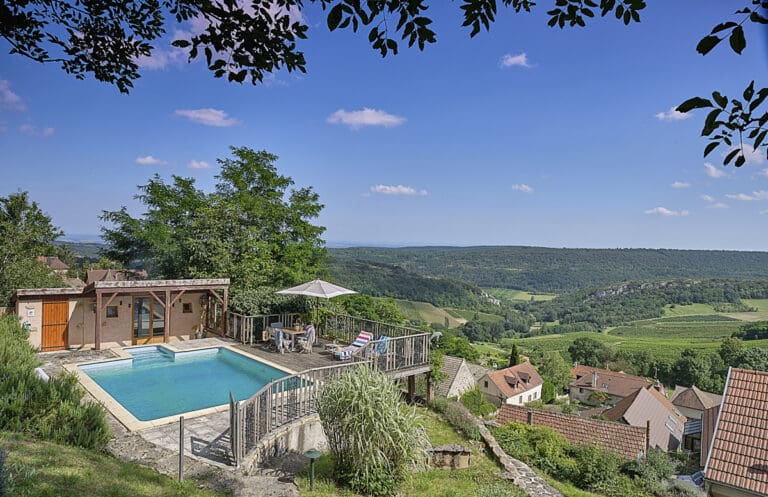
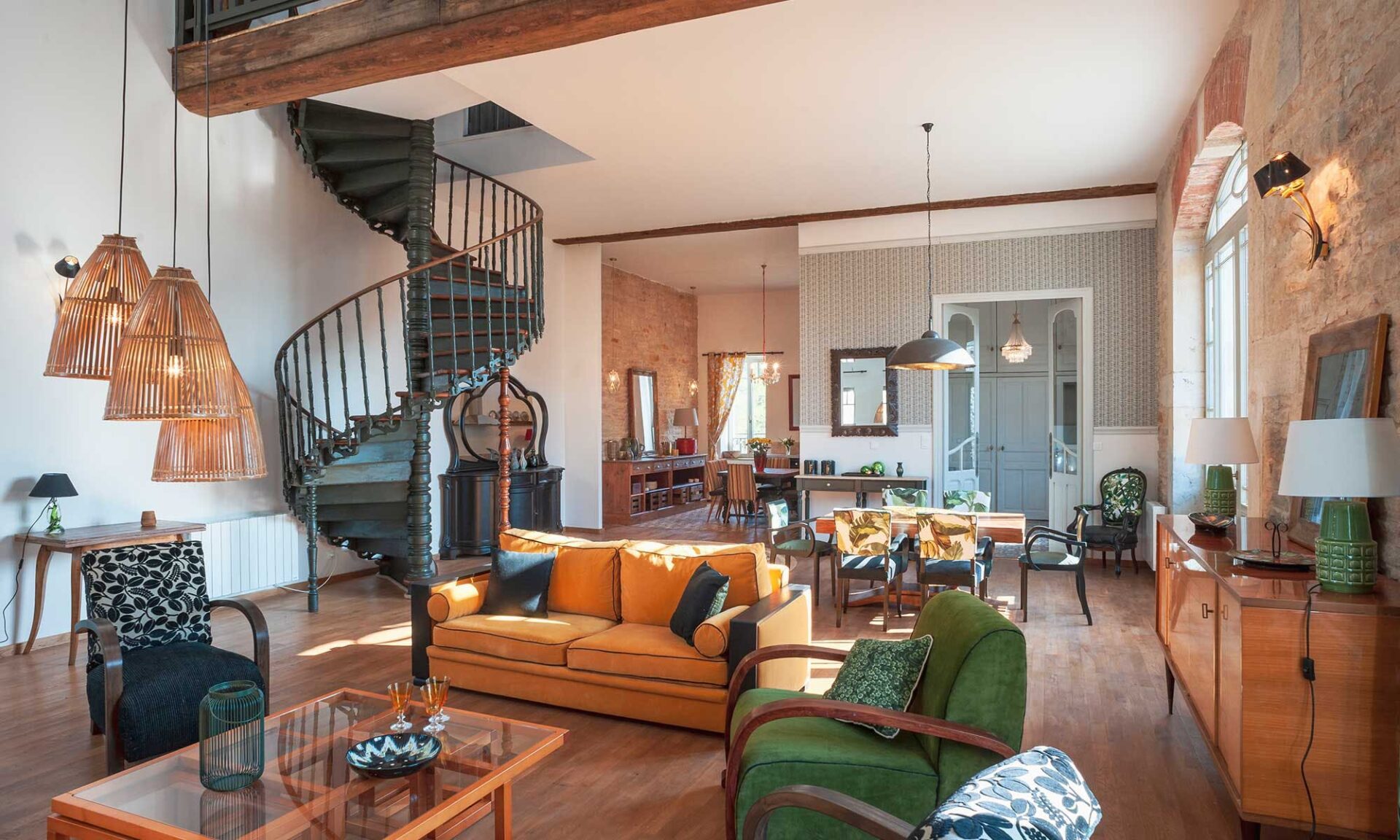
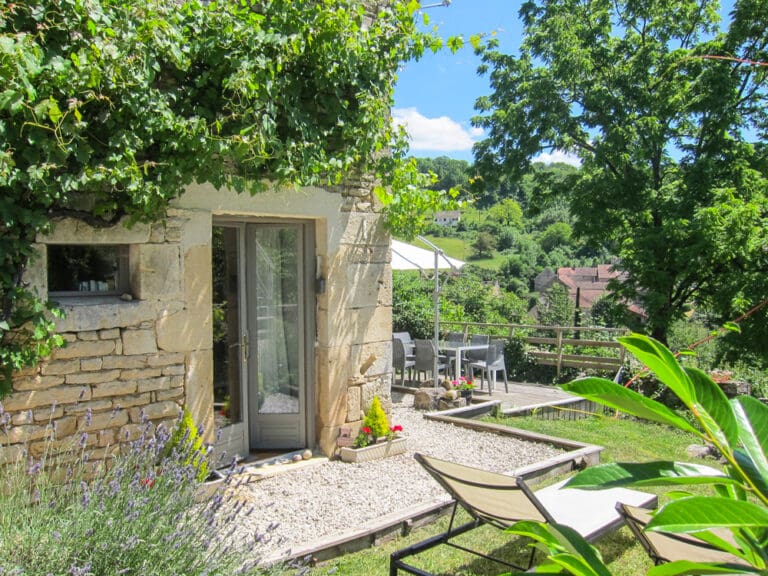
Anyone planning where to base themselves for all this eating and drinking can browse villas in Bourgogne-Franche-Comté.
Bourgogne-Franche-Comté Food and Wine FAQs
What is the best time of year to visit Bourgogne-Franche-Comté for food and wine?
September and October are ideal, coinciding with the grape harvest, game season and the first truffles. Spring offers morels and quieter vineyards, while summer suits lighter wines and outdoor markets, though it draws larger crowds around Beaune.
Do I need to book wine estate visits in advance in Bourgogne-Franche-Comté?
Generally yes, particularly for smaller family-run estates and anything during harvest season. Larger negociant houses in towns such as Beaune sometimes allow walk-ins, but booking ahead almost always secures a more personal tasting.
Is Bourgogne-Franche-Comté good for travellers with dietary restrictions?
Vegetarians will find the going harder here than in many French regions, given the reliance on beef, pork and butter, though markets and cheese offer easy alternatives. Vegans should expect to do more planning, particularly outside larger towns.
Keep reading
More on Bourgogne-Franche-Comté
- Travel guideBourgogne-Franche-Comté Travel Guide
- RestaurantsBest Restaurants in Bourgogne-Franche-Comté
Guides to places in Bourgogne-Franche-Comté
Where to stay
Villas in Bourgogne-Franche-Comté
A selection from our 48 luxury villas in Bourgogne-Franche-Comté.