Brittany Food & Wine: Oysters, Cider, Buckwheat & Salted Butter
Brittany’s cuisine centres on seafood, buckwheat galettes, salted butter and cider rather than the wine-and-olive-oil traditions of southern France. Signature dishes include cotriade fish stew, Cancale oysters, Breton lobster and kouign-amann pastry, best explored through weekly markets in towns such as Rennes, Quimper and Concarneau. Wine is scarce here, but cider, Lambig apple brandy and the Muscadet produced just across the historic Breton border in Nantes fill the gap admirably.
Most first-time visitors arrive in Brittany expecting a gentler version of the rest of France – a bit of cheese, a decent baguette, perhaps a rosé on a terrace somewhere. They leave slightly disoriented, having eaten extraordinarily well without encountering a single truffle, olive grove or grand cru. Brittany does not do Provence in a cardigan. It does something altogether more honest: food built around what the Atlantic hands over each morning, pastry that treats salted butter as a moral principle, and a drinks list that runs on apples and barley rather than grapes. Once you stop looking for the Mediterranean and start looking for the tide tables, the whole region makes a great deal more sense.
Brittany Cuisine: What Makes It Different
Brittany’s food culture was shaped less by château kitchens than by granite soil, short growing seasons and a very long coastline – roughly 2,700 kilometres of it, depending on how patiently you count the inlets. Wheat struggled here, so buckwheat (sarrasin) took over, giving Brittany its defining dish: the galette, a savoury buckwheat crêpe usually filled with ham, egg and cheese, served alongside its sweeter wheat-flour cousin for dessert. The pairing is so fixed that ordering a sweet crêpe as a main course earns the kind of look usually reserved for putting ketchup on foie gras.
Butter is the other great unifier. Breton butter is salted as a matter of course, a habit dating back to a historic salt-tax exemption that locals have never seen any reason to abandon now that the tax is long gone. It turns up everywhere – in pastry, on bread, melted over fish, stirred into caramel – and visitors who grew up on unsalted butter tend to go home converts. The broader culinary identity leans hard on simplicity: good produce, minimal fuss, and a deep suspicion of anything that arrives drowning in sauce. For context on the wider region and how food fits into a longer visit, the Brittany Travel Guide covers the geography that shapes all this.
Signature Dishes of Brittany
Galettes and crêpes aside, Brittany’s menu runs heavily toward the sea. Cotriade is the Breton answer to bouillabaisse – a fisherman’s stew of whatever the boat brought in that day, simmered with potatoes and a splash of cider or white wine rather than the saffron-heavy broth found further south. Kouign-amann, now famous well beyond Brittany, began life in Douarnenez as a way of using up surplus butter and sugar in bread dough; the result is a sort of caramelised, laminated pastry that no amount of walking along the coast will fully offset, and nobody minds.
Far breton is a dense, custardy cake studded with prunes, less photogenic than its pastry cousins but deeply satisfying with afternoon coffee. Andouille de Guémené, a distinctively layered smoked tripe sausage, is not for the squeamish but is taken seriously enough locally to have its own dedicated fair. And then there’s the butter caramel, which Bretons have turned into an entire minor industry – spread, sauce, filling, standalone sweet – with the quiet confidence of people who know they got this one right.
Food Markets in Brittany
Markets are where Brittany’s food culture is easiest to understand in one visit, and the region takes them seriously. Rennes hosts one of the largest markets in France each Saturday, the Marché des Lices, a sprawling affair of cheese stalls, cider producers, oyster sellers and farmers who have clearly had this argument about pricing before and will have it again. Quimper’s market threads through the old town’s half-timbered streets, while Concarneau’s harbourside stalls sell the morning’s catch close enough to the boats that the smell of salt water never quite leaves.
Smaller towns do this just as well on a smaller scale – a folding table, a handwritten sign, an elderly man selling exactly eleven jars of honey and looking faintly offended if you ask for a twelfth. The rule of thumb across Brittany’s markets is the same everywhere: buy what looks like it arrived that morning, avoid anything wrapped in too much plastic, and expect cash to still be the preferred currency in the more rural stalls.
Brittany Wine and Cider: The Region Without Vineyards
Brittany is, by latitude and climate, no one’s idea of wine country, and it has never pretended otherwise. What it has instead is cider – proper, dry, often farmhouse-produced cider from orchards scattered across the interior, particularly around areas long associated with apple growing. It is served in small ceramic bowls rather than glasses in traditional crêperies, a detail that confuses first-timers and then becomes entirely normal by the second bowl.
Lambig, a Breton apple brandy distilled from cider, and chouchen, a honey-based mead with Celtic roots stretching back further than most people’s family trees, round out the regional drinks cabinet. For actual wine, Bretons simply look east to Nantes – historically part of Brittany before a 1941 administrative reshuffle moved it into the Pays de la Loire – where Muscadet is produced on the Melon de Bourgogne grape. It remains, both geographically and gastronomically, the natural partner to Breton oysters, and plenty of locals still consider it Breton wine regardless of what the map now says.
Cider Estates and Producers to Visit in Brittany
Cider houses (cidreries) across Brittany’s interior welcome visitors for tastings and cellar tours, generally without appointment though it rarely hurts to call ahead. Expect to taste cidre brut (dry), cidre doux (sweet) and the occasional poiré (perry) made from pears, alongside Lambig aged in oak casks. Many producers also sell artisanal apple juice and cider vinegar, useful for anyone trying to bring something home that won’t violate airline liquid limits quite so dramatically as a case of bottles.
Seafood in Brittany: Oysters, Lobster and Scallops
If Brittany has a culinary headline act, it’s seafood, and specifically oysters. Cancale, on the north coast, has built its entire reputation on them, with producers farming the beds visible from the town’s own shoreline – buy a dozen from a stall by the water and eat them standing up, which is somehow both the least glamorous and most satisfying way to do it. Belon oysters, flatter and more mineral than the common Pacific variety, take their name from the Belon river in the south and command something close to cult status among serious oyster drinkers.
Scallops (coquilles Saint-Jacques) from the Baie de Saint-Brieuc are harvested under strict seasonal rules designed to stop everyone fishing them into oblivion, which means the best months to eat them are roughly October through April – conveniently also when Brittany’s weather gives you fewer reasons to be outdoors anyway. Breton blue lobster, caught along the rocky coastline, turns up simply grilled or in a rich cream-and-cider sauce, and is one of the few genuinely expensive things on an otherwise reasonably priced regional menu.
Cooking Classes in Brittany
Learning to make a proper galette is harder than it looks, mainly because of the wrist technique required to spread the batter thin enough without tearing it – something every visitor discovers the first time they try and produces what can only be described as a buckwheat pancake with ambitions of becoming confetti. Cooking classes across Brittany, often run from working farms or small culinary schools, typically cover galette and crêpe technique, regional butter-based pastry work, and sometimes a session on shucking oysters properly, which turns out to be less about strength and more about not losing a finger. Most run for a few hours and end, sensibly, with everyone eating what they’ve made.
Seasonal Specialities in Brittany
Brittany’s food calendar follows the coastline and the harvest rather than any fixed national rhythm. Spring brings the first of the season’s lighter fish and early vegetables from the region’s famously fertile Léon coast, which supplies a large share of France’s artichokes and cauliflowers. Summer is prime time for galette-and-cider lunches on village squares and for the region’s seaside food fairs. Autumn belongs to the apple harvest and cider pressing, a genuinely atmospheric time to visit the interior’s orchard country. Winter, somewhat counterintuitively, is peak season for oysters and scallops, when the cold water sharpens their flavour and the markets fill with shellfish rather than summer produce.
Best Food Experiences in Brittany
If time is limited, prioritise eating oysters within sight of where they were farmed, trying a galette-complète in a proper crêperie rather than a tourist-facing one near a major car park, and visiting at least one weekly market to see how unhurried good food shopping can be. A cider tasting in the interior, away from the coast, offers a useful counterpoint to all that seafood, and a slice of kouign-amann from a bakery rather than a supermarket shelf makes the difference between a pleasant pastry and a genuinely memorable one.
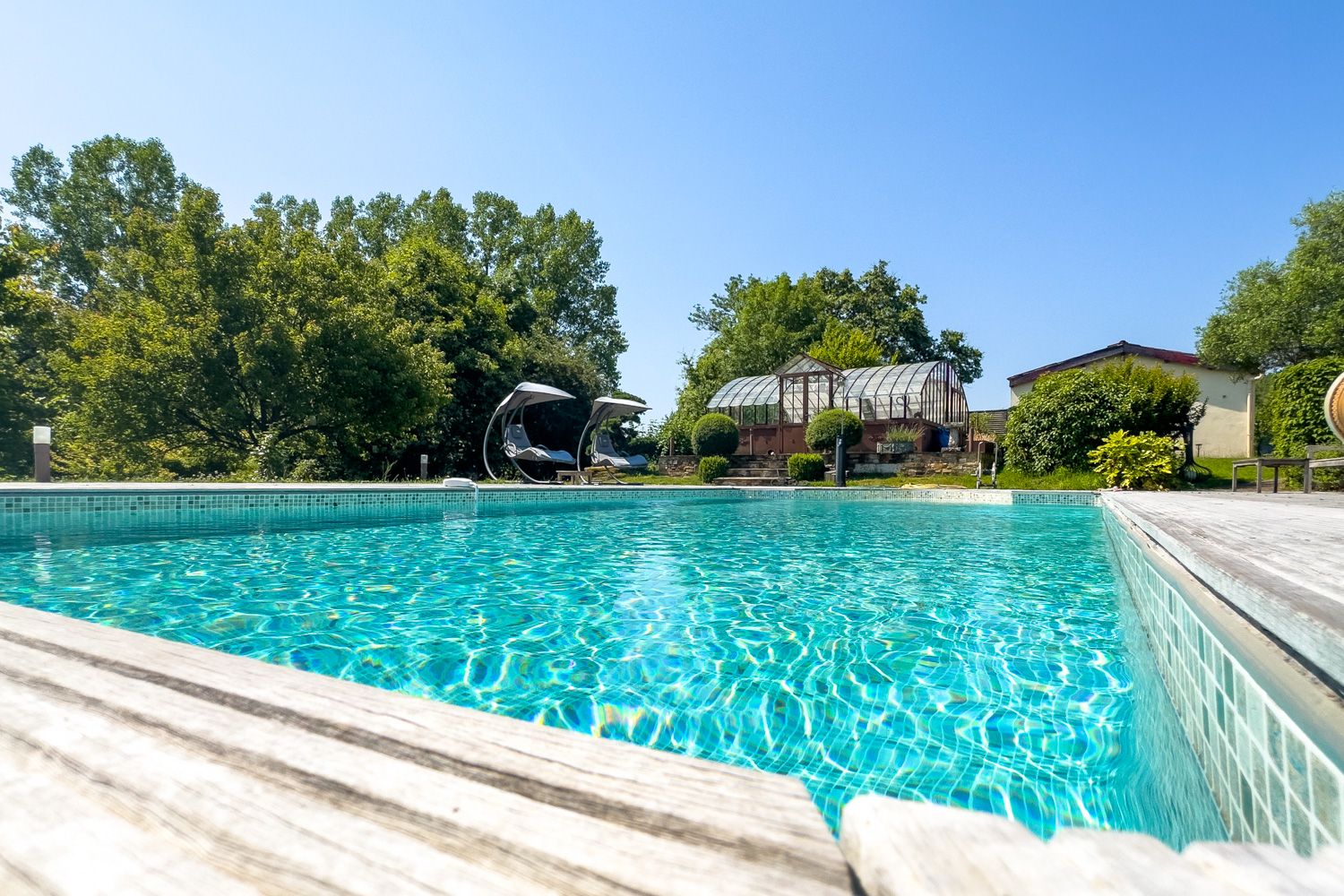
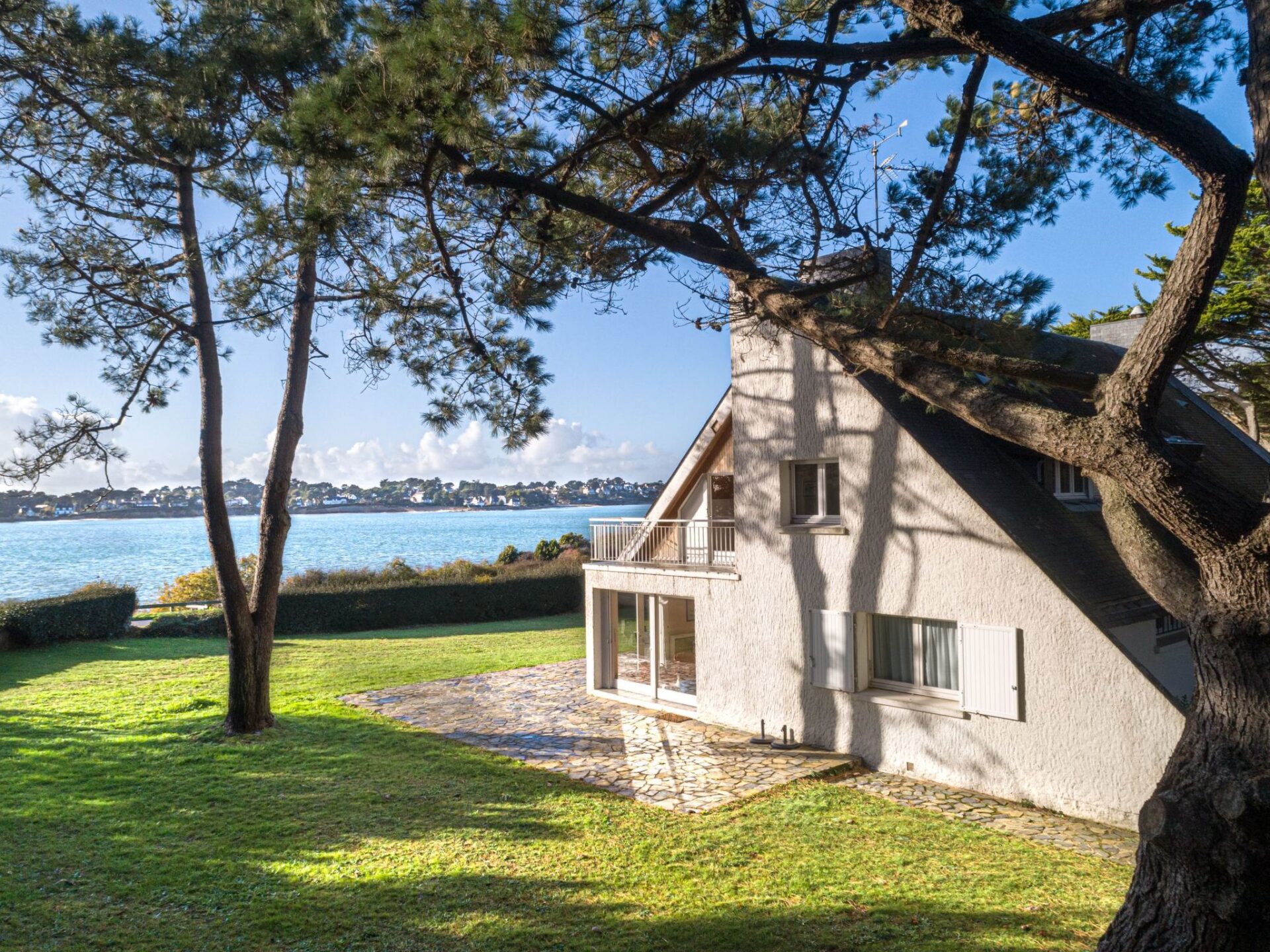
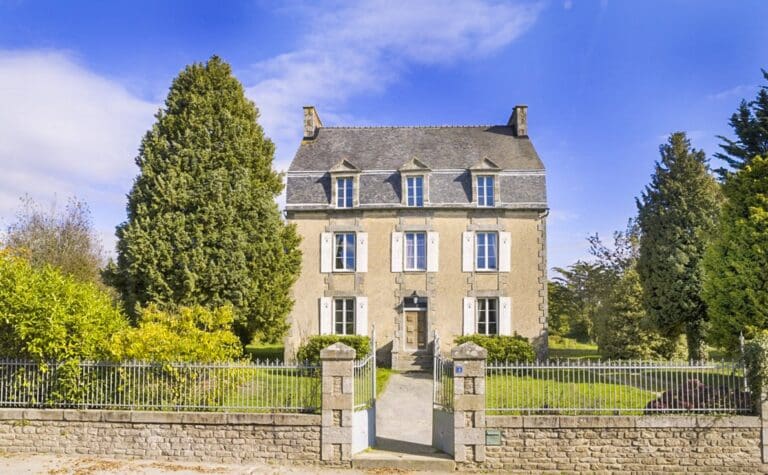
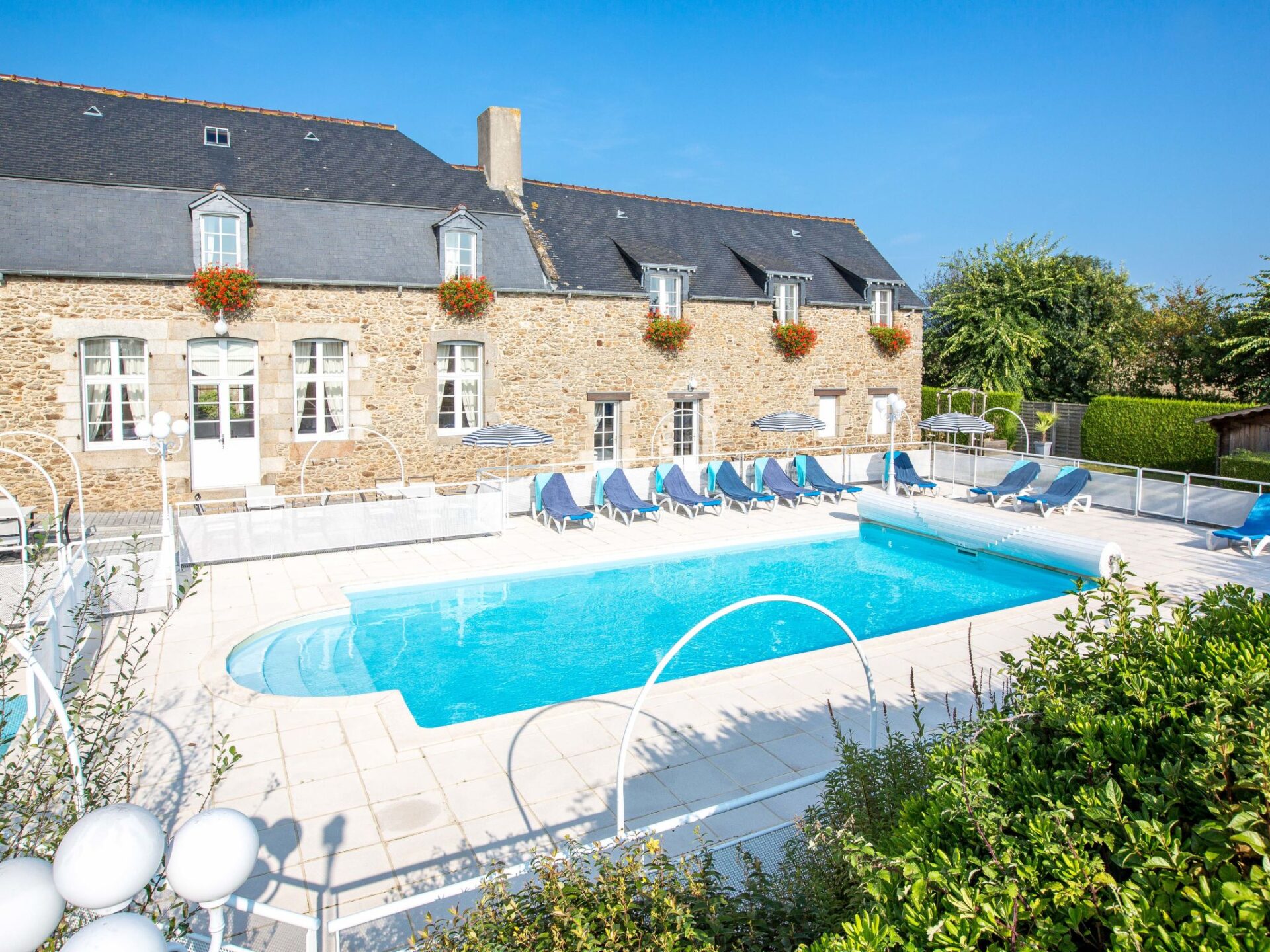
Anyone planning where to base themselves for all this eating might start with villas in Brittany.
Brittany Food and Wine FAQs
Is Brittany known for good food?
Yes, Brittany has a strong and distinctive food culture built around seafood, buckwheat galettes, salted butter pastries and cider, rather than the wine and olive oil traditions found further south in France.
What is the best time of year to eat seafood in Brittany?
Scallops and oysters are at their best from October through April, during the colder months when the water sharpens their flavour, while lighter fish and shellfish dishes are more common through spring and summer.
Does Brittany produce its own wine?
Brittany’s climate is not suited to viticulture, so it has no significant wine production of its own. Most “Breton” wine drunk locally is Muscadet from the Nantes area, which was historically part of Brittany before an administrative boundary change in 1941.
Keep reading
More on Brittany
- Travel guideBrittany Travel Guide
- When to goBest Time to Visit Brittany
- RestaurantsBest Restaurants in Brittany
- FamiliesBrittany with Kids
Guides to places in Brittany
Where to stay
Villas in Brittany
A selection from our 107 luxury villas in Brittany.