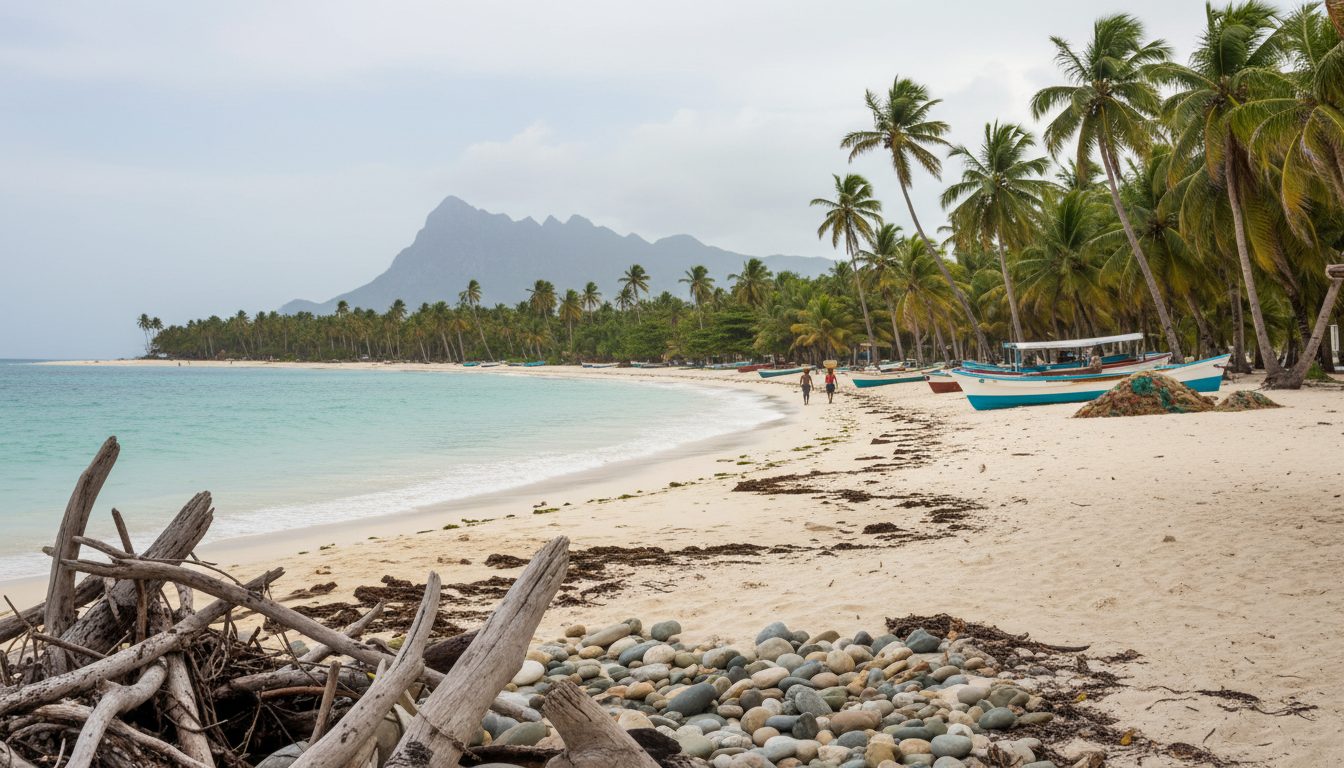
Best Time to Visit Dominican Republic: Whales, Rain & Carnival
The best time to visit the Dominican Republic is between December and April, when rainfall is lowest, humidity is manageable and daytime temperatures sit comfortably between 25°C and 30°C (77-86°F). This dry season also happens to be the busiest and most expensive stretch of the year, so travellers chasing value often do better in May, late November or the quieter months of summer. Hurricane season runs from June through November, peaking in August and September, which is worth knowing before you commit to any dates.
I once assured a friend that the Dominican Republic doesn’t really do seasons – just varying shades of warm. This was before I spent a June week in Puerto Plata watching the sky open with biblical commitment every afternoon at four o’clock, on the dot, as if someone upstairs had set an alarm. The truth is more interesting than “it’s always hot,” and considerably more useful if you’re trying to decide when to go.
The country runs roughly 1,600 kilometres of coastline and climbs to over 3,000 metres in the Cordillera Central, which means the weather is not quite as uniform as the brochures suggest – something I’ll return to, because it matters more than most people realise when they’re booking flights in a hurry.
Dominican Republic Weather at a Glance
December to April: dry, breezy, busiest and priciest. May and November: shoulder months, green and good value. June to November: hurricane season, hot and humid, with the real risk concentrated in August, September and October. Year-round temperatures hover between 22°C and 32°C (72-90°F), with the coast generally a few degrees cooler than inland valleys thanks to trade winds.
Best Time to Visit Dominican Republic for Dry Season: December to April
This is peak season, and for good reason. Rainfall drops away, humidity eases and the trade winds keep things pleasant even in the hottest part of the afternoon. Expect daytime highs of 27-30°C (81-86°F) and cooler evenings around 20-22°C (68-72°F), particularly inland or up in the mountains around Jarabacoa, where a jumper is not an eccentricity but a necessity after dark.
Christmas and New Year are the busiest, priciest fortnight of the entire calendar – flights fill up months ahead and the beaches near major resort towns see their highest footfall of the year. February brings Carnival, celebrated with particular enthusiasm in La Vega and Santiago, where elaborate costumes and papier-mâché devils take over the streets every Sunday of the month. From mid-January to March, humpback whales arrive in Samaná Bay to breed and calve, an event genuinely worth planning a trip around rather than squeezing in as an afterthought.
This season suits anyone who wants reliable sunshine and doesn’t mind paying for it – honeymooners, families on school holidays, and anyone whose idea of a disaster is a cloudy afternoon. Semana Santa (the week before Easter) is also heavily booked by domestic travellers, so beaches can feel more crowded with locals than foreigners during that particular week.
Dominican Republic in Hurricane Season: June to November
This is the period most guidebooks mention in hushed tones, and it’s worth being clear-eyed about what it actually means. The Atlantic hurricane season officially runs from 1 June to 30 November, with the statistical peak falling in September. Direct hits on the Dominican Republic are not an annual certainty, but the risk of tropical storms, heavy rain and the occasional disrupted flight is real and shouldn’t be waved away by anyone selling you a holiday.
Daytime temperatures actually climb during these months, often reaching 30-32°C (86-90°F), with humidity that makes the air feel thicker than a dry-season afternoon even when the thermometer says otherwise. Rain tends to arrive in short, heavy bursts rather than settling in for the day – though September and October can bring longer grey spells, particularly on the north coast.
The upside, and it’s a considerable one, is price. Hotel rates and flights drop noticeably, beaches empty out, and the countryside turns a green that the dry season simply can’t manage. July brings the Merengue Festival in Santo Domingo, a genuinely good reason to visit during what is otherwise considered the “off” months, filling the Malecón with music, food stalls and dancing well into the night. This season suits travellers with flexible plans, a reasonable travel insurance policy, and an interest in seeing the country without quite so many fellow visitors photographing the same sunset.
Shoulder Season in Dominican Republic: May and November
May and November are the two months most seasoned travellers quietly keep to themselves. Both sit just outside the dry season’s peak crowds and just before (or after) hurricane season’s heaviest risk, offering a genuinely sensible compromise. Temperatures remain warm, around 26-29°C (79-84°F), and while rain does fall, it tends to be brief and localised rather than the sustained downpours of August or September.
Prices in these shoulder months sit well below the December-April peak, and availability is far less frantic – you can often book accommodation with a few weeks’ notice rather than several months. November in particular has become something of an insider’s choice: the landscape is still lush from the wet season, the whale-watching season in Samaná hasn’t quite started, but the crowds haven’t arrived either. May offers similar advantages heading into summer, with the added bonus of lower humidity than the months that follow it.
These months suit travellers who want the dry season’s weather without the dry season’s price tag or its crowds, and who are willing to pack a light rain jacket just in case. For a broader sense of how these patterns fit into planning a wider trip, the Dominican Republic Travel Guide covers the practical side of getting around in more detail.
Dominican Republic Month by Month: Events and Festivals
January and February bring whale-watching season in Samaná and the build-up to Carnival, which erupts fully in late February with parades in La Vega, Santiago and Santo Domingo. March often overlaps with Semana Santa, a major domestic holiday when beaches fill with Dominican families rather than foreign visitors. July and August bring the Merengue Festival to the Santo Domingo Malecón, alongside the Latin Music Festival in the same city, both worth building a trip around if music matters more to you than guaranteed sunshine.
September and October are quieter on the events front, largely because this is the heart of hurricane season and organisers plan accordingly. By November, things pick up again with harvest festivals in rural areas and the early stirrings of the Christmas season, which culminates in the country’s biggest and busiest weeks from mid-December through New Year.
Best Time to Visit Dominican Republic: Who Each Season Suits
Families on fixed school holidays will find December, Easter week and July-August the only realistic options, despite the higher prices and, in summer’s case, the higher humidity. Honeymooners and anyone prioritising reliable weather over budget should aim for January to March, ideally timing a visit to coincide with the Samaná whales. Divers and anyone chasing warm, calm seas often prefer the late dry season into May, when visibility tends to be at its best along the Caribbean coast.
Budget-conscious travellers and those who’d rather avoid crowds entirely should look hard at September and October, accepting the hurricane risk as the trade-off for genuinely low prices and near-empty beaches – a fair deal, provided you check the forecast and buy proper insurance. Shoulder-season travellers in May or November get something close to the best of both worlds, which is precisely why so many repeat visitors book those months and say remarkably little about it to anyone else.
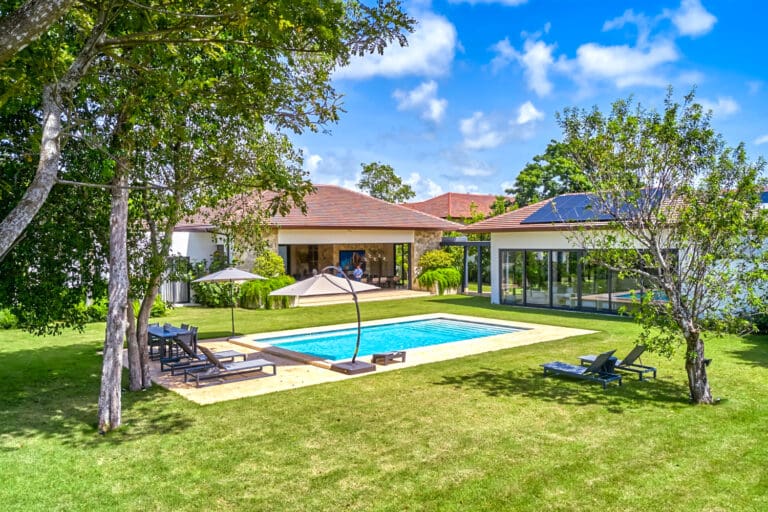
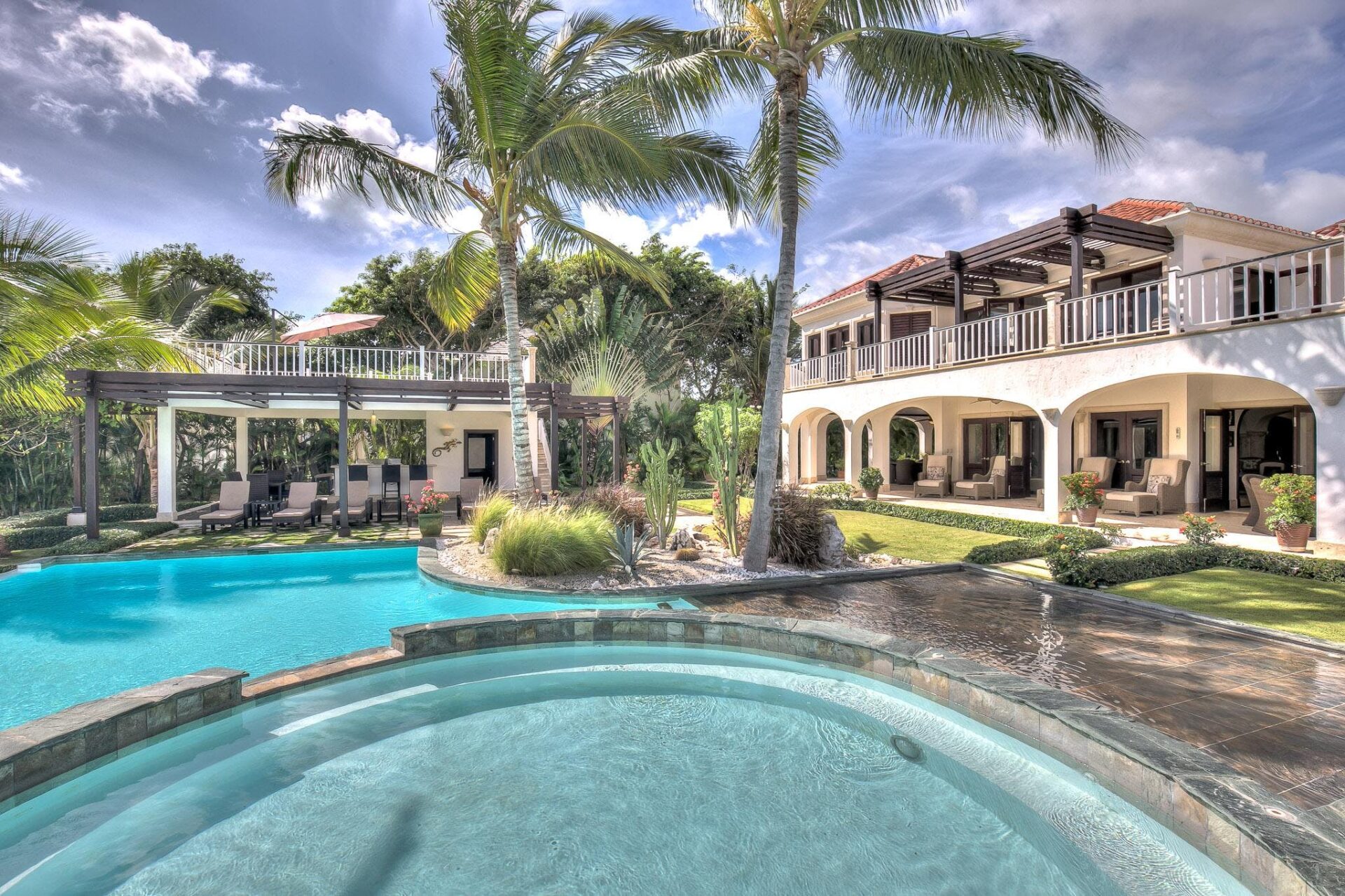
Wherever your dates fall, it helps to know what you’re coming back to each evening: villas in Dominican Republic are worth browsing before you fix your travel dates.
Dominican Republic Weather and Seasons FAQs
Is the Dominican Republic safe to visit during hurricane season?
Most years pass without a direct hit, and the country has well-developed warning systems and tourism infrastructure built to cope with tropical storms. That said, June to November carries genuine risk, particularly August to October, so travel insurance that covers trip disruption and flexible booking policies are sensible rather than optional during these months.
When is whale watching season in the Dominican Republic?
Humpback whales arrive in Samaná Bay from mid-January through to March, having migrated from the North Atlantic to breed and calve in the warm, protected waters. This coincides with the dry season, so it’s worth booking accommodation and boat tours well ahead if whale watching is a priority.
What is the coolest time of year in the Dominican Republic?
January and February bring the coolest temperatures nationally, with coastal lows around 20°C (68°F) overnight and inland mountain areas such as Jarabacoa dropping further still. Even at its coolest, daytime temperatures remain warm enough for beach weather along the coast.
Keep reading
More on Dominican Republic
- Travel guideDominican Republic Travel Guide
- RestaurantsBest Restaurants in Dominican Republic
- Food & wineDominican Republic Food & Wine
- FamiliesDominican Republic with Kids
Guides to places in Dominican Republic
Where to stay
Villas in Dominican Republic
A selection from our 170 luxury villas in Dominican Republic.