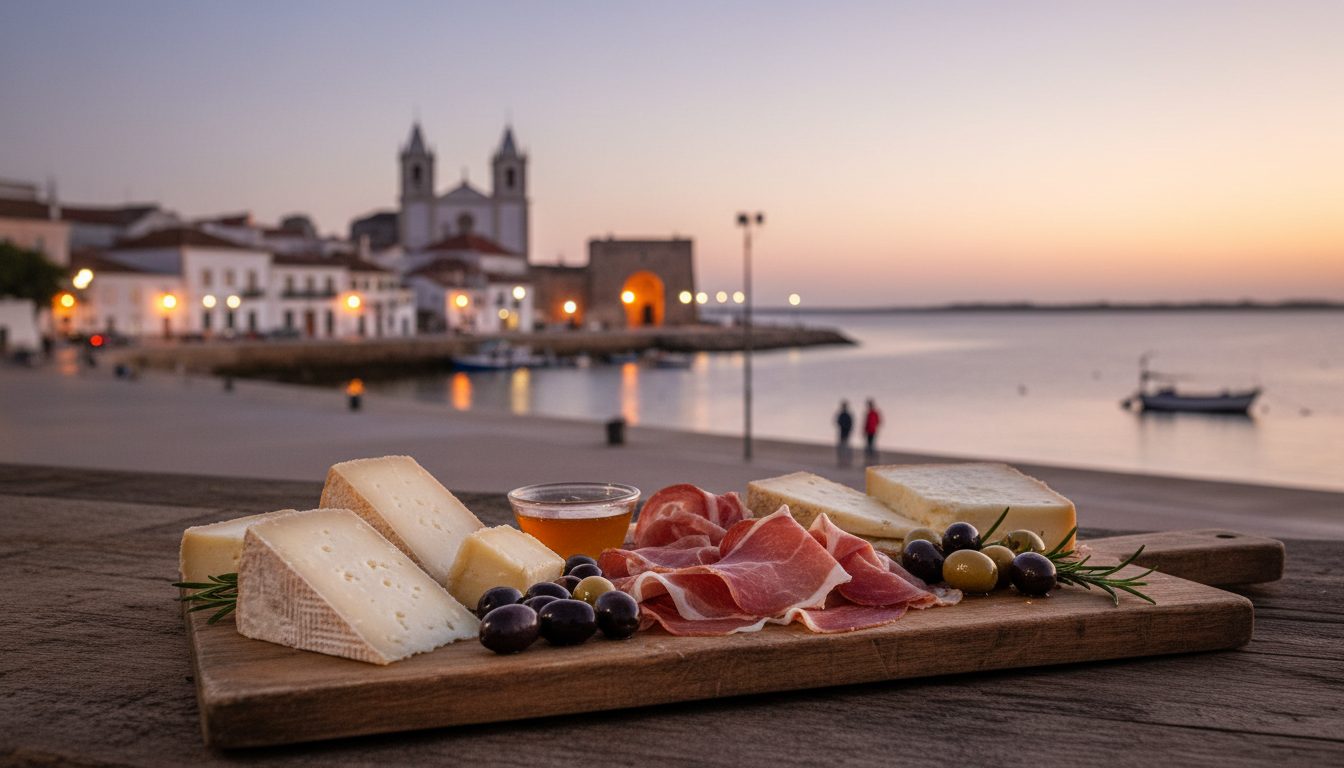
Faro Food & Wine: Ria Formosa Seafood, Markets & Carob
Faro’s cuisine centres on seafood and shellfish from the Ria Formosa lagoon, hearty Algarve dishes like cataplana and arroz de marisco, and regional specialities such as carob, almonds and olive oil. The city’s covered market and surrounding wine estates offer the clearest introduction to local produce, and Algarve wines – once an afterthought – have become genuinely worth seeking out.
There is a particular smell that announces Faro before you’ve properly woken up to it: brine and diesel from the fishing boats mixed with the sweetness of pastries from a bakery that opens absurdly early. Walk down toward the old harbour at seven in the morning and you’ll find men unloading crates of clams still dripping with lagoon water, gulls arguing overhead, and absolutely nobody in a hurry. This is not a city that performs its food culture for visitors. It simply gets on with eating very well, largely because the Ria Formosa – that labyrinth of islands, sandbars and tidal channels just offshore – happens to produce some of the best shellfish in Portugal.
The Regional Cuisine of Faro
Faro sits at the geographic and culinary crossroads of the Algarve, which means its food draws on both the Atlantic and the dry, olive-and-almond interior. This is peasant cooking at heart, built on what fishermen and farmers actually had – which turns out to be clams, cuttlefish, pork, chickpeas, coriander and citrus, assembled with more imagination than the ingredient list suggests. The Moorish influence lingers in the use of almonds, cumin and citrus fruit, a reminder that the Algarve was the last part of Portugal to be reclaimed from Moorish rule, and the kitchens here never quite let go of it.
Portions tend to be generous rather than elegant – this is not a region that believes in foam. Meals unfold slowly, with bread and olives arriving before you’ve sat down properly, and the main event rarely rushed. If you want to understand Faro before you eat your way through it, the Faro Travel Guide covers the wider context of the city and its surroundings.
Signature Dishes in Faro
Cataplana is the dish most visitors arrive asking about, named after the hinged copper clam-shell pot it’s cooked in. Inside you’ll usually find clams, prawns, sausage, tomato and white wine, steamed together until the whole thing arrives at the table still hissing gently – theatrical in the best, least try-hard way. Arroz de marisco, a loose, saffron-tinted seafood rice, is its wetter cousin and arguably the more comforting of the two, particularly on a cooler evening.
Look also for amêijoas à Bulhão Pato – clams in garlic, white wine and coriander, simple enough that there’s nowhere to hide if the clams aren’t fresh (they usually are). Grilled fish, often whole and simply dressed with olive oil and lemon, is the honest default on most menus, and rightly so given what’s being pulled from the water just offshore. Pork and clams – a combination that sounds like a kitchen accident but is in fact a proper Algarve classic – turns up more often than you’d expect, and works far better than logic suggests it should.
Seafood in Faro: Ria Formosa and the Atlantic
The Ria Formosa is less a backdrop to Faro’s food scene than its actual engine. This sheltered lagoon system, protected by barrier islands, is one of the richest shellfish-producing areas in Europe, and the clams, oysters and razor clams harvested here have a cleanness of flavour that farmed or deep-water equivalents rarely match. Local oyster farming has grown considerably in recent years, and the Ria Formosa oyster now has a quiet reputation among people who take such things seriously (there are such people, and some of them will tell you about it at length).
Beyond the lagoon, the open Atlantic supplies sardines, mackerel, sea bass and the occasional swordfish, usually grilled over charcoal with minimal fuss. Dogfish stew – raia or cação, depending on what’s swum into the nets that day – appears on more traditional menus and is worth trying if you’ve exhausted the clams. Seasonal timing matters here: summer brings the best sardines, while shellfish is reliably good year-round thanks to the lagoon’s steady temperatures.
Faro Food Markets
Faro’s covered municipal market, a handsome early-twentieth-century building near the waterfront, is the single best place to understand what the region actually eats, as opposed to what gets translated onto tourist menus. Stalls sell clams still weeping lagoon water, whole cuttlefish, hams, cheeses, honey and a startling range of citrus depending on the month. Mornings are busiest and most rewarding – arrive by mid-morning before the best fish disappears.
It’s as much social occasion as shopping trip; locals linger, argue amiably with stallholders, and treat the whole thing with none of the reverence that markets sometimes attract elsewhere. There’s a particular pleasure in watching an elderly Algarvio inspect a crate of clams with the scrutiny most people reserve for diamonds. Smaller weekly farmers’ markets also appear around the wider municipality, worth seeking out if your schedule allows, particularly for olive oil, cheese and seasonal fruit sold directly by the people who grew it.
Faro Wine and Wine Estates
Algarve wine has spent decades being politely ignored, which is unfair, because the region – particularly around Lagoa and Tavira – has quietly improved beyond recognition. The sandy, sun-baked soils and Atlantic influence produce wines that lean toward ripeness and warmth, with whites that have more acidity and freshness than the climate might suggest, and reds built for food rather than contemplation. Negra Mole, a soft, approachable red grape, remains something of a regional signature, while international varieties have been folded in with varying degrees of success.
Several estates in the hills inland from Faro now welcome visitors for tastings, often paired with the kind of unhurried lunch the region does well – cured meats, local cheese, bread still warm from the oven. These visits tend to be low-key affairs rather than polished wine-tourism productions, which is part of the charm; nobody here is trying terribly hard to impress you, and the wine mostly speaks for itself anyway. Medronho, a fiery spirit distilled from the arbutus berry that grows wild in the surrounding hills, is the local digestif of choice – approach with the respect it deserves, ideally after rather than before dinner.
Cooking Classes in Faro
Hands-on cooking classes have become increasingly available around Faro, typically built around a market visit followed by a few hours learning to build a proper cataplana or arroz de marisco from scratch. These sessions tend to be small, informal and genuinely useful rather than performative – you leave actually knowing how to debeard a mussel properly, which is more than can be said for most holiday activities. Some incorporate a visit to a local producer for olive oil or cheese, extending the morning into a fuller sense of where the ingredients actually come from.
For anyone who finds restaurant meals a little too passive, this is the better option: standing over a hot stove, slightly garlic-scented, learning why the Algarve has been cooking this way for generations rather than simply tasting the results. It also gives you something to attempt, with mixed success, back home.
Seasonal Specialities in Faro
Carob, or alfarroba, is the Algarve’s quiet obsession – the region grows a significant share of the world’s carob trees, and the pods turn up in everything from flour and liqueur to a convincing chocolate substitute that occasionally fools the unsuspecting. Almonds bloom spectacularly in late January and February, covering the inland hills in white blossom, and feature heavily in regional sweets alongside egg-yolk-based confections with Moorish roots.
Figs appear through late summer, sold at the market still warm from the sun, while citrus – oranges in particular – defines the winter months inland. Olive oil production continues quietly throughout the region, with smaller producers selling directly at markets rather than through wider distribution. Each season rewards a slightly different kind of eating, which is reason enough to visit more than once.
Best Food Experiences in Faro
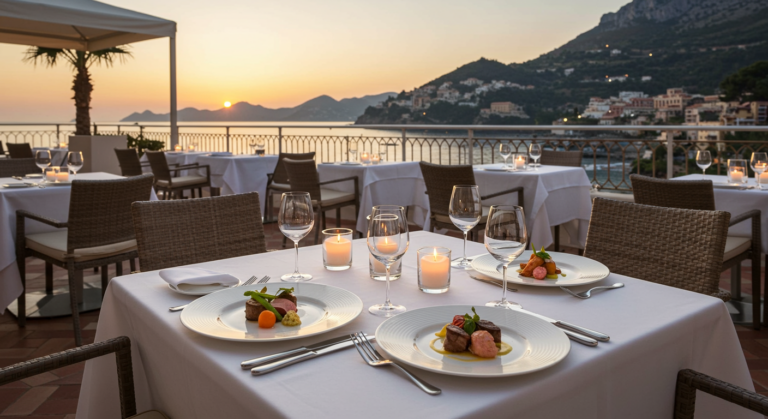
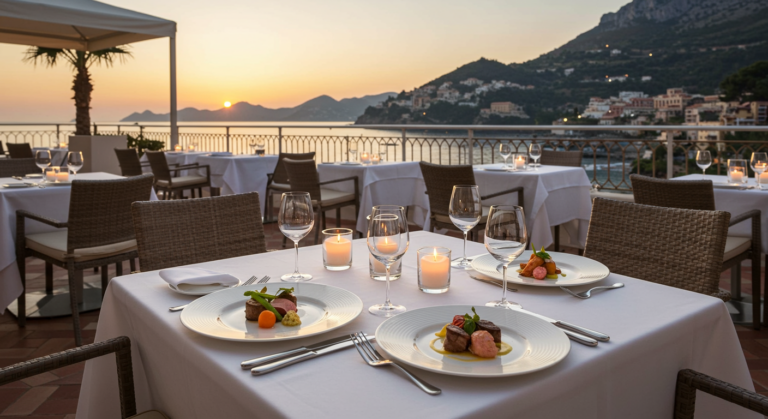
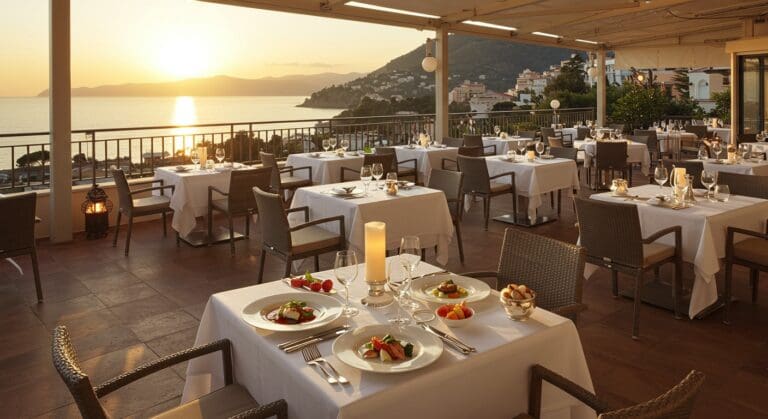
If pressed to choose only a handful of food experiences, make them these: a slow lunch of cataplana eaten within sight of the water it came from; an early visit to the covered market before the day’s catch is claimed; a wine tasting at an inland estate that ends later than planned; and at least one evening of grilled sardines eaten with your fingers, napkins be damned. None of this requires much planning, which is rather the point – Faro’s food culture rewards curiosity and a reasonably relaxed itinerary more than reservations made months in advance.
The city rewards those who eat slowly and ask questions of stallholders and waiters alike – most are happy to explain exactly what’s in season and why it’s worth ordering today rather than tomorrow.
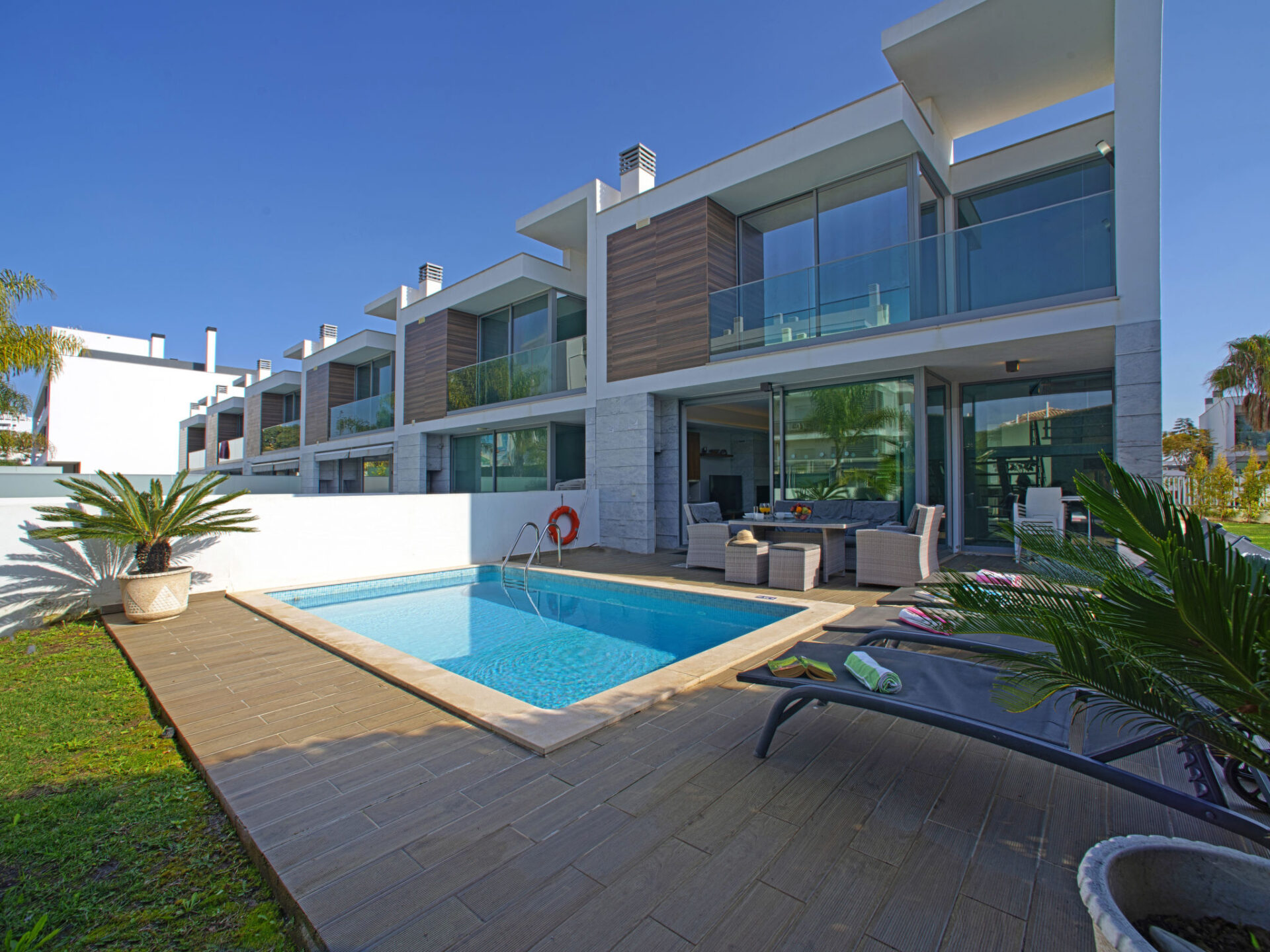
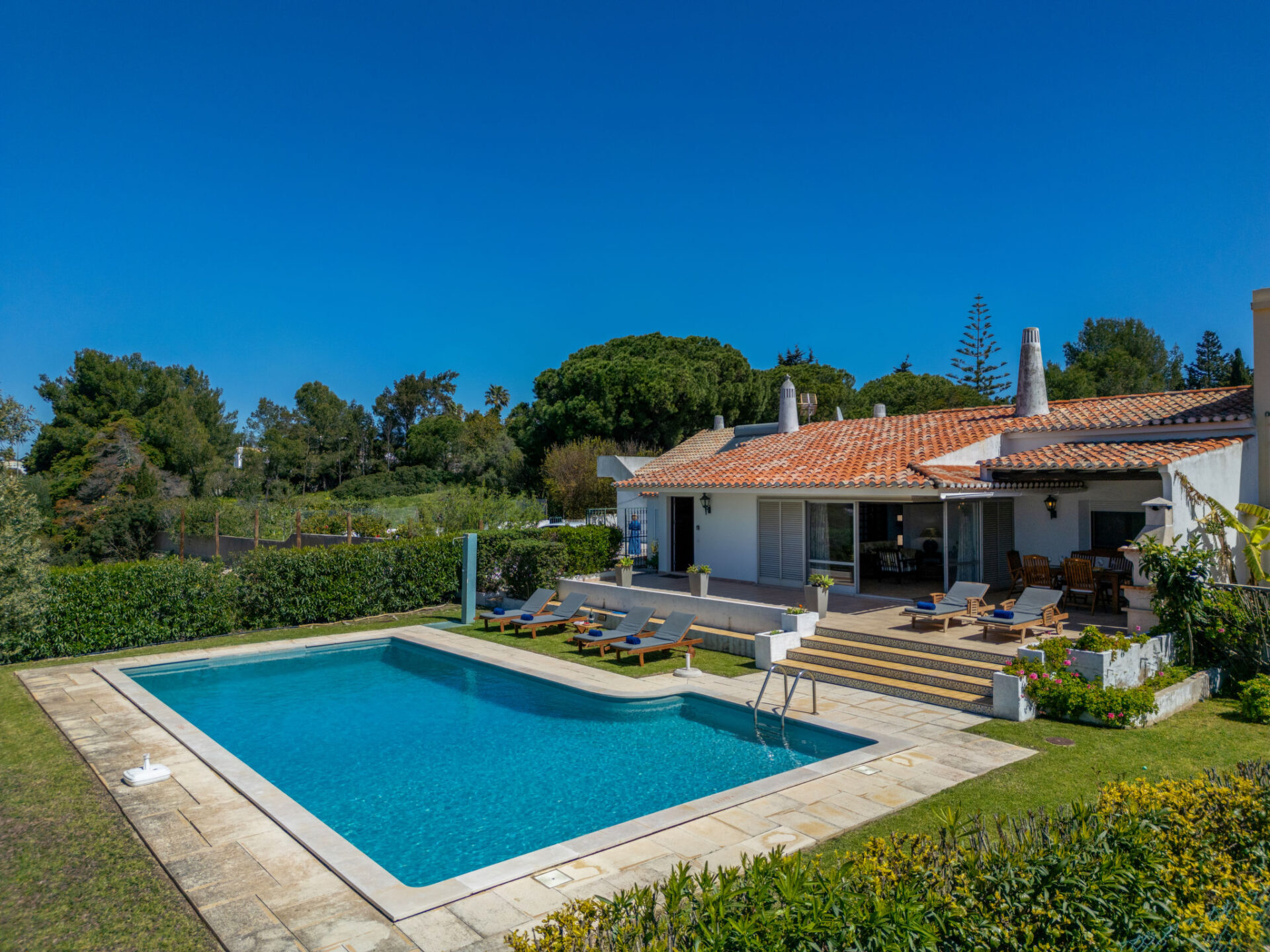
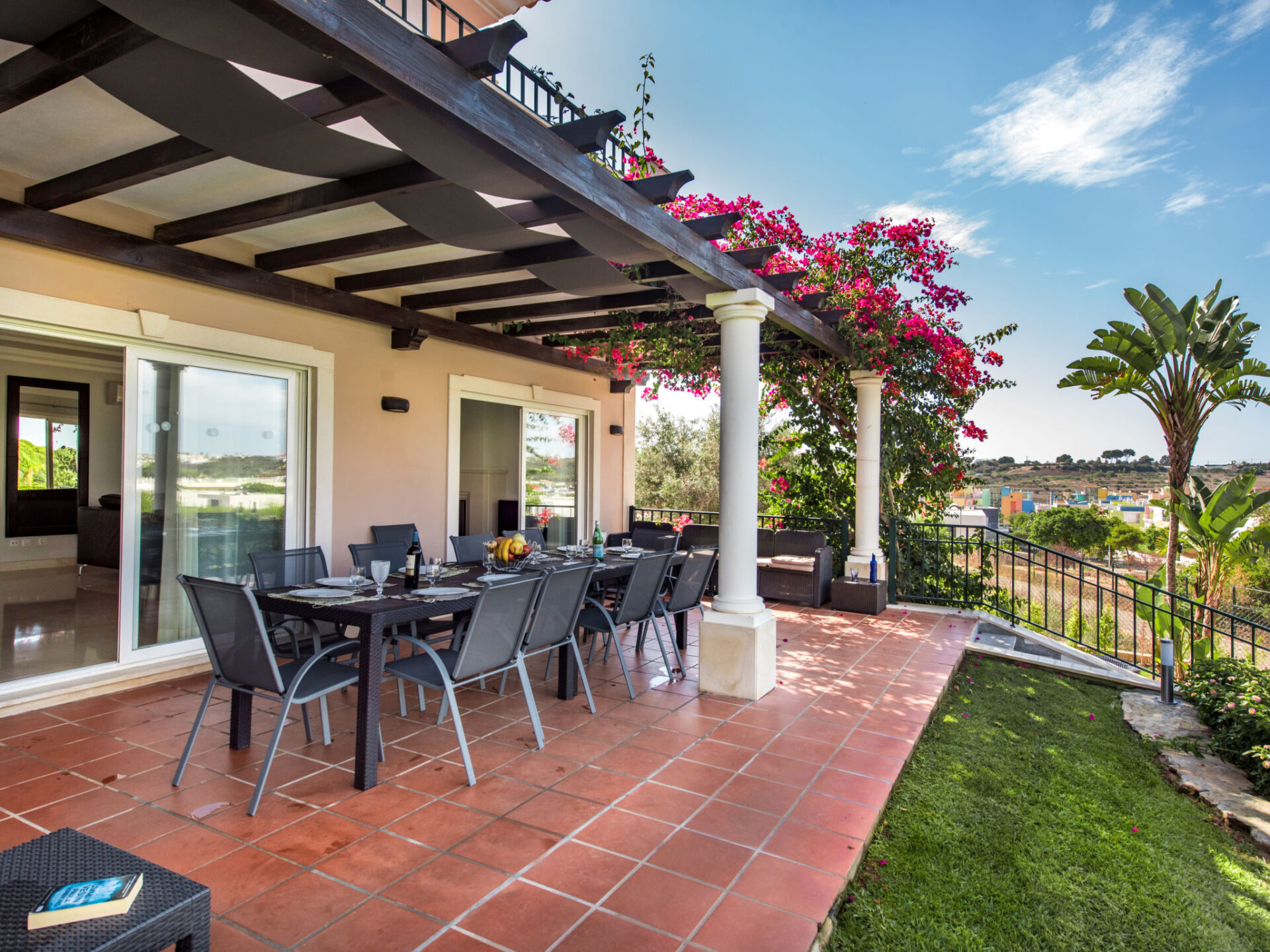
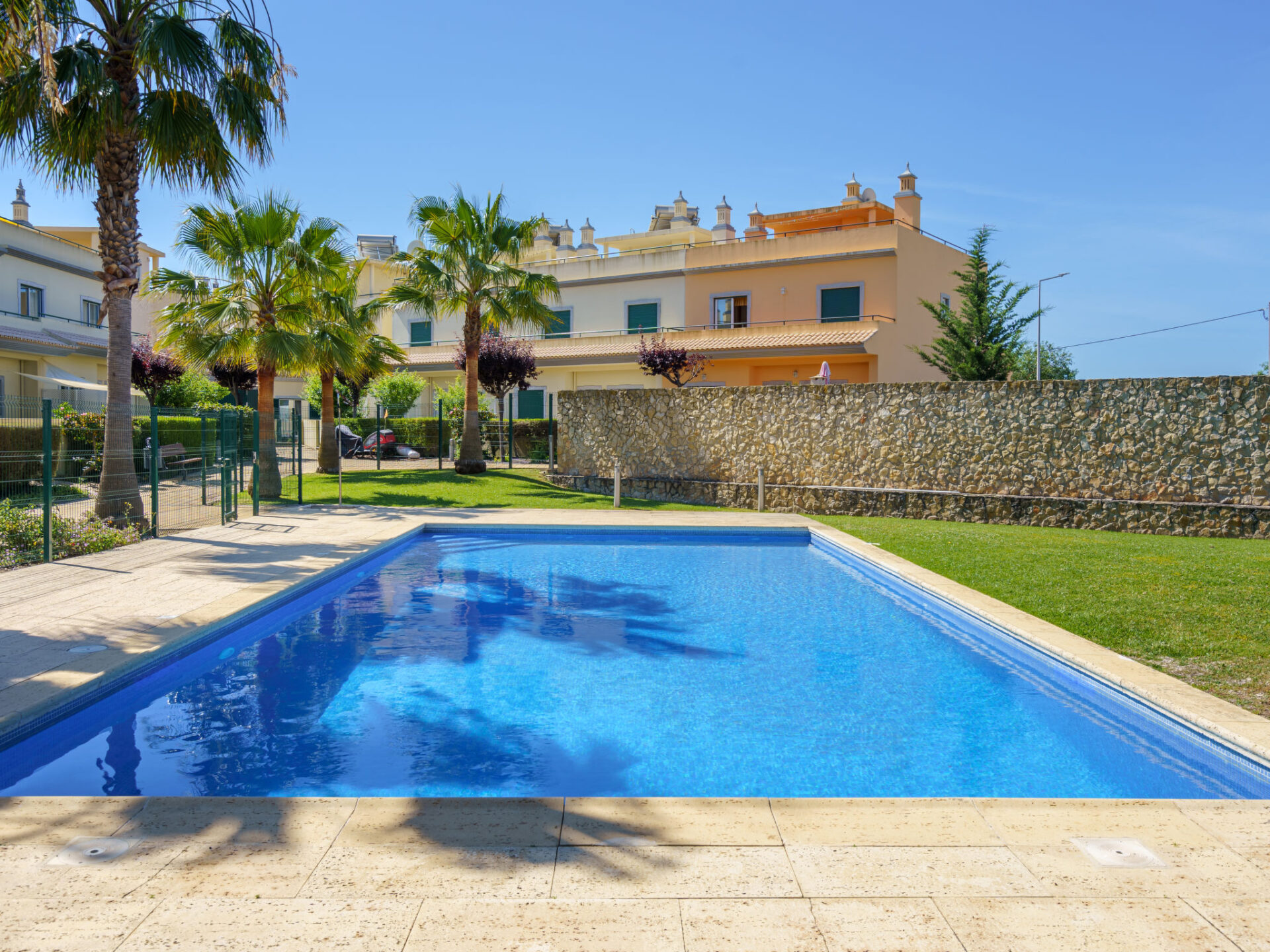
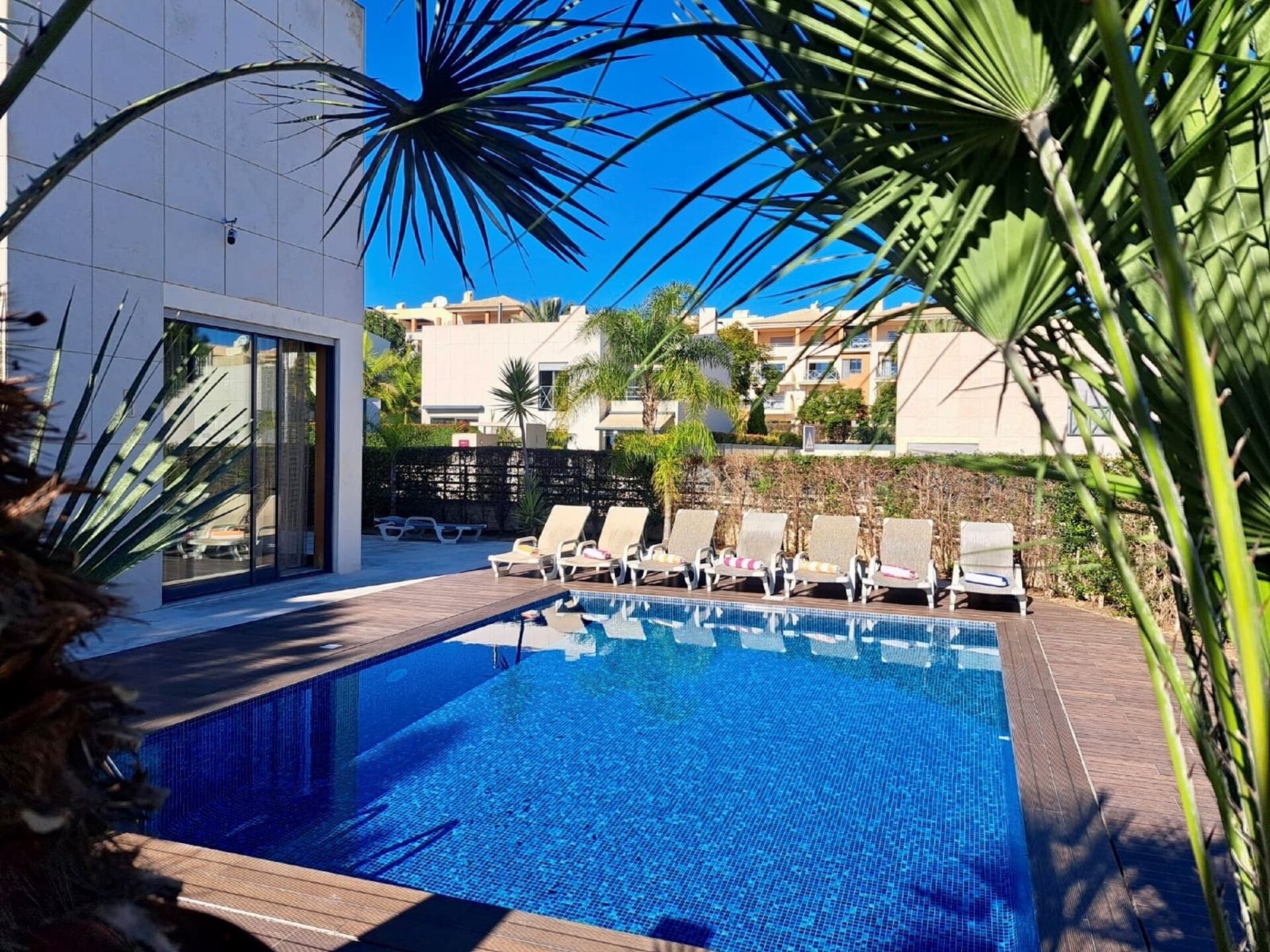
Anyone planning where to base themselves for all this eating and drinking can find villas in Faro.
Faro Food and Wine FAQs
What is the most famous dish in Faro?
Cataplana, a seafood stew of clams, prawns and sausage cooked in a hinged copper pot, is the dish most closely associated with Faro and the wider Algarve region. Arroz de marisco, a saffron seafood rice, is a close second.
Is Algarve wine worth trying in Faro?
Yes. Algarve wine, particularly from the Lagoa and Tavira areas, has improved significantly in recent decades, with warm, approachable reds from the Negra Mole grape and fresher whites than the climate might suggest.
What should I buy at Faro’s food market?
Fresh clams and other Ria Formosa shellfish, local olive oil, carob products, honey and seasonal fruit are the best buys at Faro’s covered market, particularly if you arrive before mid-morning while selection is best.
Keep reading
More on Faro
Guides nearby in Portugal
Where to stay
Villas in Faro
A selection from our 120 luxury villas in Faro.