Gwynedd Food & Wine: Llŷn Lobster, Hill Lamb & Smokehouses
Gwynedd’s food culture is built on Llŷn Peninsula seafood, Snowdonia hill lamb and small-batch Welsh dairy, sold through weekly town markets and farm shops rather than grand estates. There are no commercial vineyards in Gwynedd, but craft breweries, cider makers and a handful of distilleries fill the glass instead. Expect simple, honest cooking that leans hard on what the mountains and the Irish Sea actually provide.
There is a particular smell that announces Gwynedd before you have properly arrived – woodsmoke, wet bracken, and somewhere underneath it, the faint brine of a harbour you haven’t seen yet. Stand on the quay at Pwllheli around six in the evening, when the day boats come in with their crab and lobster pots dripping onto the stone, and you will understand more about this county’s food than any menu could tell you. Gwynedd does not do fuss. It does good lamb, good fish, and a slab of bara brith so dense it could double as ballast, and it does all three without once feeling the need to apologise or explain itself.
Gwynedd Cuisine: What the Mountains and the Sea Actually Provide
Gwynedd’s food is defined less by technique than by geography – a long, indented coastline on one side and the highest ground in Wales on the other, with not much flat farmland in between to grow anything fancy. That arrangement produces a cuisine built on two pillars: meat from the hills and seafood from the sea, cooked plainly and eaten without ceremony. Welsh hill lamb, raised on salt-sprayed grass and heather, is the backbone of the local table, and it genuinely tastes different from lamb raised on lowland pasture – leaner, slightly mineral, worth the extra few pounds a butcher in Caernarfon or Dolgellau will quietly charge you for it.
Dairy is the other constant. Small farmhouse producers across the county make cheese, butter and clotted cream from herds that spend most of the year outdoors, and the results turn up on cheeseboards and in pubs throughout Eryri (Snowdonia). None of this is marketed with much enthusiasm – Gwynedd farmers are not, as a rule, given to adjectives – but the quality speaks for itself. For wider context on the county’s landscape and history, the Gwynedd Travel Guide is a useful companion to this one.
Signature Dishes of Gwynedd: Lamb, Laverbread and a Very Serious Cake
Welsh lamb, slow-roasted or served as cutlets with mint and the local habit of adding a sharp blackcurrant or redcurrant sauce, is the dish most worth ordering if a pub or restaurant does it well. Seafood runs it close: crab and lobster from the Llŷn Peninsula, often simply dressed, and sewin (Welsh for sea trout) pulled from the rivers that run off the mountains in early summer, when the run is at its best.
Laverbread – a dark seaweed puree, traditionally rolled in oatmeal and fried with bacon for breakfast – is a Welsh institution rather than a strictly Gwynedd one, but you will find it on breakfast menus throughout the county and it deserves a braver reception than most visitors give it. Then there is bara brith, the fruited tea loaf that every Welsh grandmother apparently makes slightly differently and insists her version is correct, and Welsh cakes, griddled rather than baked, best eaten warm with a dusting of sugar and absolutely no apology for the extra one you will inevitably have.
Gwynedd Wine and Drink: Ale, Cider and the Honest Absence of a Vineyard
Here is the straightforward bit: Gwynedd has no commercial vineyards worth the name. The climate – wet, windy, and prone to deciding it is autumn in July – has never lent itself to viticulture, and nobody local has seriously pretended otherwise. What the county does have, in some quantity, is craft brewing. Small breweries dotted around Snowdonia and the coast produce bitters, pale ales and stouts that pair rather better with a plate of lamb or crab than most imported wine would anyway, and pub cellars in towns like Porthmadog, Bangor and Caernarfon are worth exploring on their own merits.
Welsh cider and perry, traditionally made further south and east but increasingly available in Gwynedd’s farm shops and pubs, are also worth seeking out, as is the odd small-batch gin flavoured with local botanicals – gorse, bog myrtle, the sort of things that grow wild on the mountainsides and that someone, eventually, was always going to put in a still. None of it will trouble a sommelier. All of it tastes better after a day on the hills than it has any right to.
Food Markets in Gwynedd: Where the Locals Actually Shop
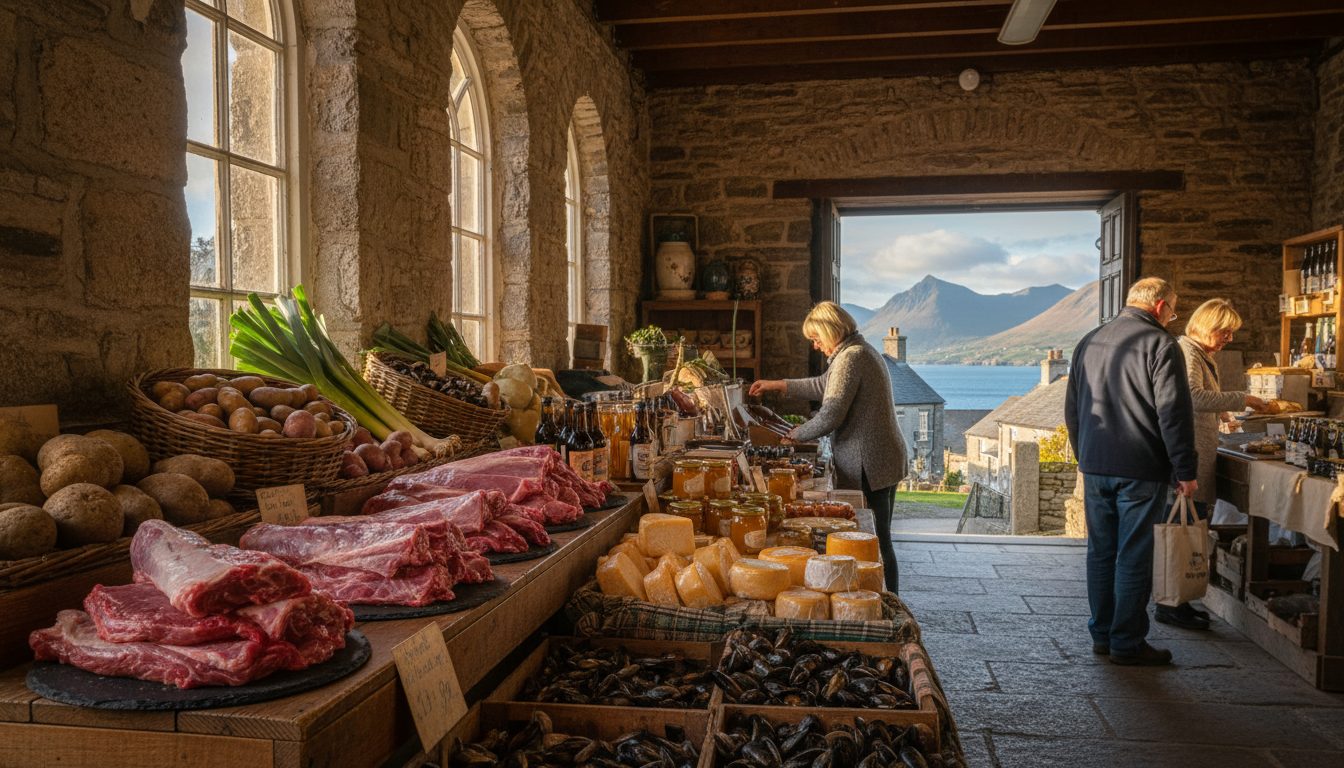
Market days remain a genuine fixture of Gwynedd life rather than a tourist reconstruction of one. Caernarfon’s market square fills with stalls selling local meat, cheese, bread and seasonal produce, and the atmosphere – brisk, slightly impatient, utterly unbothered by anyone filming it for Instagram – is part of the point. Pwllheli, on the Llŷn Peninsula, holds its own market and is also the best place to buy fish straight off the boats, assuming you get there before the early risers do.
Farm shops fill in the gaps between market days, and they are often the better bet for genuinely local produce: lamb cut to order, cheese made that week, honey from hives tucked into hedgerows a few fields away. Dolgellau and Harlech both have decent options worth a detour, and buying this way – slower, more conversational, occasionally requiring you to wait while the farmer finishes a phone call about a lost sheep – is, frankly, more in keeping with how Gwynedd operates than any supermarket ever will be.
Cooking Classes in Gwynedd: Learning the Slow Way
Formal cooking schools are thin on the ground here, which is probably as it should be – this is not cuisine that benefits from a tasting menu’s worth of foam and reduction. What you will find instead are occasional farmhouse-based sessions, often run by the same families who supply the local markets, covering bread-making, foraging for seaweed and wild garlic, or the proper way to cook lamb so it falls apart rather than fights back.
These sessions tend to be small, seasonal, and booked by word of mouth rather than advertised widely, so asking at a farm shop or local tourist information point usually yields better results than searching online. The teaching style, when you find it, is unfussy and practical – less “plating theory,” more “this is how my mother did it, and she was right.”
Seasonal Specialities in Gwynedd: What to Eat and When
Gwynedd’s food calendar follows the weather with a loyalty most restaurants elsewhere have long abandoned. Spring brings the first of the season’s lamb and the return of sewin to the rivers; early summer is crab and lobster season on the Llŷn Peninsula, when the water is calm enough for the day boats to go out reliably. Late summer and autumn bring mussels and a brief, much-loved wild mushroom season in the forested lower slopes of Snowdonia, foraged quietly by people who will not tell you exactly where.
Winter is lamb and root vegetable territory – stews, pies, and the kind of hearty pub food that makes sense when the rain is coming in sideways off the Irish Sea. There is no truffle season and no olive harvest in Gwynedd, and anyone telling you otherwise has confused their Welsh counties with somewhere considerably further south.
Best Food Experiences in Gwynedd: What Actually Stays With You
The best meals here are rarely the most expensive ones. A crab sandwich eaten on a harbour wall in Pwllheli, still faintly warm from the boat, tends to outlast the memory of anywhere smarter. A Sunday lunch of Welsh lamb in a stone-walled pub near Harlech, with the mountains visible through a steamed-up window, does something similar. Buying cheese directly from the person who made it, at a farmers’ stall in Caernarfon, and being told exactly which field the milk came from, is its own small education in where food actually originates.
None of this requires planning beyond turning up hungry and paying attention to what is seasonal and local rather than what looks familiar. Gwynedd rewards exactly that kind of attention – and punishes, gently but reliably, anyone who insists on ordering something imported when the crab is sitting right there.
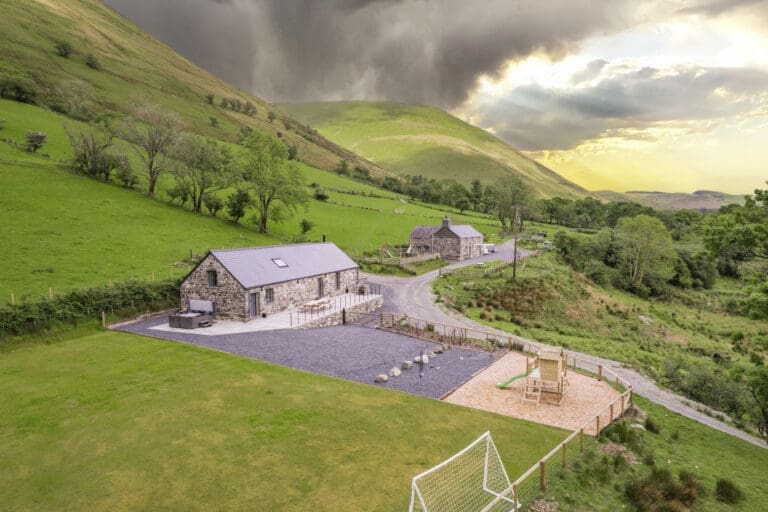
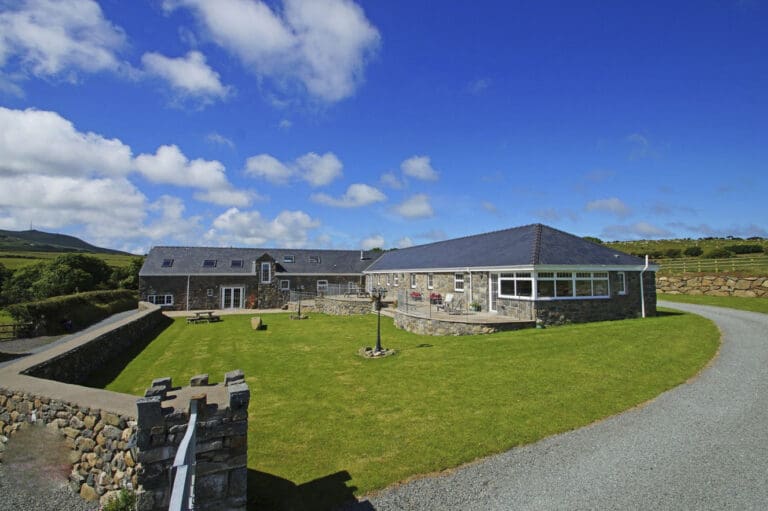
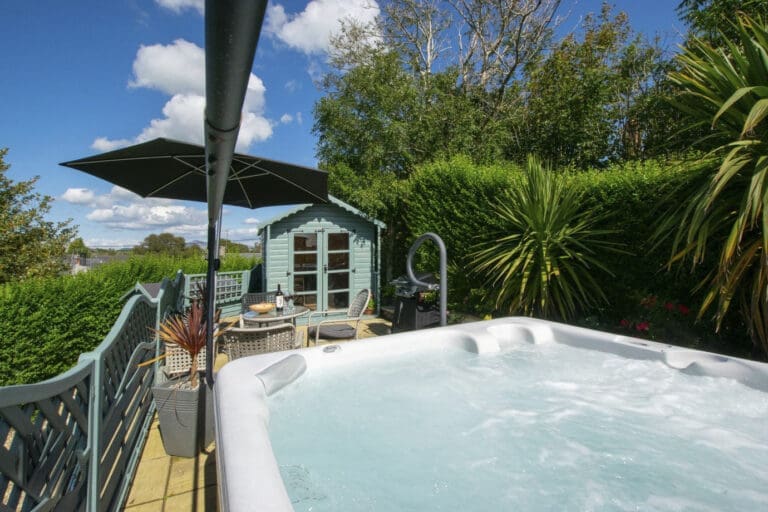
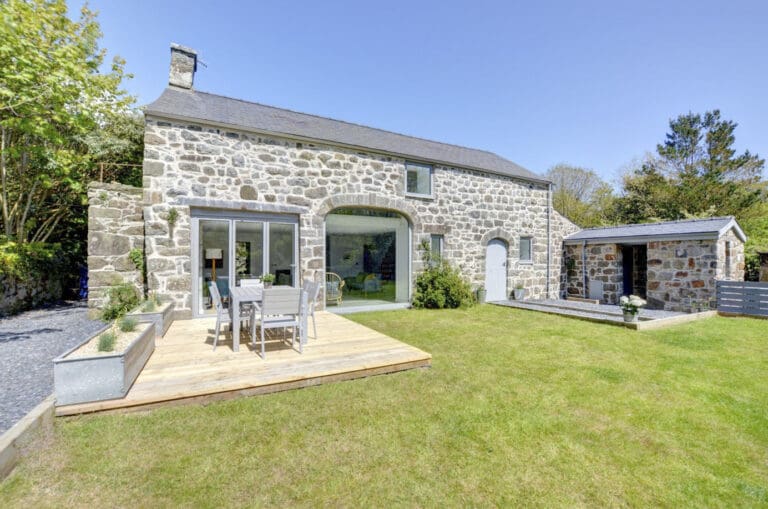
Anyone planning where to base themselves for all this can find villas in Gwynedd.
Gwynedd Food and Wine FAQs
Does Gwynedd have any vineyards to visit?
No. Gwynedd’s climate is not suited to grape growing, so there are no commercial vineyards in the county. Visitors interested in wine are better served by Gwynedd’s craft breweries, cider producers and small-batch gin makers, which are more established and reflect the local landscape just as well.
What is the best time of year for seafood in Gwynedd?
Early to mid summer is the strongest period for crab and lobster from the Llŷn Peninsula, when calmer seas allow the local day boats to fish more consistently. Sewin, the local sea trout, runs in the rivers in late spring and early summer, while mussels are typically at their best later in the year, through autumn.
Where can I buy genuinely local produce in Gwynedd rather than tourist-oriented food?
Market days in towns such as Caernarfon and Pwllheli, along with farm shops around Dolgellau and Harlech, are the most reliable sources of produce actually grown, caught or made in Gwynedd. Buying directly from these outlets, rather than from shops aimed squarely at passing visitors, tends to get better quality at a fairer price.
Keep reading
More on Gwynedd
- Travel guideGwynedd Travel Guide
- When to goBest Time to Visit Gwynedd
- RestaurantsBest Restaurants in Gwynedd
- FamiliesGwynedd with Kids
Guides nearby in Wales
Where to stay
Villas in Gwynedd
A selection from our 44 luxury villas in Gwynedd.