Herdade da Aroeira Food & Wine Guide: Local Cuisine, Markets & Wine Estates
Herdade da Aroeira has no restaurant scene of its own, but it sits within a short drive of the Setúbal Peninsula’s best food and wine – Moscatel de Setúbal from the Azeitão hills, Castelão reds from Palmela, sheep’s milk cheese from the same villages, and seafood landed daily at Sesimbra and Costa da Caparica. The nearest proper food markets are in Almada and Setúbal, both under half an hour away. Wine estates around Azeitão and Palmela offer tastings and cellar visits that make an easy half-day trip from the resort.
By late September, the grape harvest is in full swing in the hills above Azeitão, and the air around the old wine lodges carries that particular sweetness of crushed Moscatel grapes that no amount of pine forest can entirely mask. Herdade da Aroeira itself, tucked between its umbrella pines and two golf courses, is not a place you come to eat – there is no market square groaning with melons, no grandmother selling honey from a card table. What it offers instead is proximity: to one of Portugal’s most quietly serious wine regions, to a fishing coast that still lands its own cuttlefish and clams, and to a cheese so particular it has its own Protected Designation of Origin. You just have to leave the pines to find it, which, frankly, is no great hardship.
Local Cuisine Near Herdade da Aroeira: Setúbal’s Table
The food of this stretch of coast south of Lisbon takes its character from two things: the Atlantic on one side and the chalky, scrubby hills of the Arrábida on the other. It is not Alentejo cooking, though the border blurs a little inland, and it is certainly not the pastry-shop version of Portuguese food most visitors meet in Lisbon. Here the cooking is plainer and more honest – grilled fish with little adornment beyond olive oil and lemon, rice dishes thickened with whatever shellfish came in that morning, and a fondness for salt cod that borders on the devotional. Pork appears too, raised on the acorns and scrub of the hinterland, though it shares the plate more often with clams than with anything fancier. Portions tend to be generous rather than elegant, and the best meals are usually the ones that look least considered – a plate of grilled sardines and bread, eaten at a table with a view of a working harbour rather than a sunset.
Signature Dishes to Try Near Herdade da Aroeira
Choco frito – small cuttlefish, lightly battered and fried – is the dish most closely tied to Sesimbra, a fishing town a short drive south, and it is worth the trip for that alone. Amêijoas à bulhão pato, clams steamed with garlic, coriander and white wine, appears on nearly every coastal menu and rarely disappoints, largely because it is hard to ruin a good clam. Arroz de marisco, a loose, saffron-tinted seafood rice somewhere between a risotto and a soup, rewards patience and a willingness to get your hands slightly dirty. Inland, bacalhau à brás – shredded salt cod with potato, egg and olives – remains the dish every Portuguese household claims to make better than the next, and no two versions are quite the same. For something sweeter, look out for queijadas and the region’s almond-based pastries, which lean less sugary than their northern cousins and considerably more interesting.
Local Wines of Herdade da Aroeira: Moscatel, Castelão and the Palmela Hills
The wine story here is genuinely one of Portugal’s better-kept secrets, which is a shame for the wine but rather convenient for anyone staying nearby. Moscatel de Setúbal, a fortified wine made in the hills around Azeitão, has been produced for well over a century and ages with a stubbornness that puts many a Port to shame – bottles decades old still turn up at tastings, tasting of raisins, orange peel and something faintly resinous that is hard to place and impossible to forget. The reds of Palmela, built mainly on the Castelão grape, are less showy – medium-bodied, savoury, built for food rather than contemplation – and rarely travel far outside Portugal, which keeps them honestly priced. Whites tend to be crisp and unfussy, better suited to a plate of grilled fish than to serious discussion. None of this wine is trying to impress anyone, which is precisely why it does.
Wine Estates to Visit Near Herdade da Aroeira
The Azeitão and Palmela hills, roughly thirty to forty minutes from the resort, hold a cluster of wine estates that range from centuries-old lodges with vaulted cellars to smaller family producers working a handful of hectares. Most offer tastings, several run proper cellar tours explaining the slow, almost ceremonial process of making Moscatel, and a few have restaurants attached where the wine list writes itself. Visiting during harvest, from late August into October, gives the fullest picture – the estates are working rather than performing, and the smell of fermenting grapes in an old stone cellar is not something a tasting room in spring can replicate. Outside harvest, a quieter tasting with a knowledgeable pourer explaining why the region’s wine never quite caught on abroad (politics, mostly, and bad timing) is its own pleasure. Booking ahead is sensible; these are working estates, not visitor attractions, and treat themselves accordingly.
Food Markets Near Herdade da Aroeira
Almada, across the river from Lisbon and a short drive from the resort, has a municipal market worth building a morning around – fish stalls doing brisk business before most tourists are awake, fruit sellers who will tell you, unprompted, exactly which peaches are worth buying this week. Setúbal’s market is larger and leans harder into the sea, with ice-packed stalls of swordfish, octopus and the small, sweet local shrimp that rarely makes it onto restaurant menus because it sells out at the market first. Both are working markets rather than tourist set-pieces, which means early arrival pays off and a few words of Portuguese go a long way. Neither does much in the way of prepared food, so plan to buy and cook, or at least buy and nibble shamelessly on the walk back to the car – nobody minds, everybody does it.
Cooking Classes Near Herdade da Aroeira
Cooking classes in this part of Portugal tend to be small, home-kitchen affairs rather than polished culinary-school productions, and the better ones are built around a market visit first – you choose the fish, then learn what to do with it. Several operators around Lisbon and the wider Setúbal Peninsula run half-day sessions covering the regional staples: a proper bacalhau à brás, a seafood rice that actually holds together, and the knack of not overcooking clams, which turns out to be most of the battle. Classes focused on Moscatel and pairing – rather than straight cooking – are also worth seeking out around Azeitão, usually run by the wine estates themselves alongside a light lunch. Booking through a reputable local operator, checked for current availability, is the sensible approach, since kitchens and schedules here change with the seasons and the catch.
Seasonal Specialities Near Herdade da Aroeira: Seafood, Cheese and Olive Oil
Truffles belong to Portugal’s inland regions, not to this stretch of coast, and any menu claiming otherwise nearby is borrowing rather than boasting – worth knowing before you order on faith. What this region does have, and does properly, is seafood that follows the Atlantic’s own calendar: sardines at their fattest and best through the summer months, percebes (goose barnacles) harvested from the rocks around Sesimbra when conditions allow, and shellfish generally better in cooler months when the water runs colder. Olive oil here comes mainly from the Alentejo border inland, peppery and green, rather than from groves immediately around the resort. Queijo de Azeitão, the small sheep’s milk cheese made with thistle rennet rather than animal rennet, has its own protected status and its own small, devoted following – buy it soft and slightly runny, eaten with a spoon rather than a knife, exactly as the makers intended.
Best Food Experiences Near Herdade da Aroeira
If time only allows for one proper outing beyond the resort, make it a loop through Azeitão for cheese and Moscatel followed by a late lunch in Sesimbra for choco frito by the harbour – the two couldn’t be more different and both are genuinely worth the drive. A morning at either the Almada or Setúbal market, eaten into rather than simply walked through, gives a far truer sense of how people here actually shop and eat than any restaurant can. For those who prefer their food with a narrative attached, a half-day wine estate visit during harvest season offers both the story and the glass to go with it. None of this requires much planning, which is rather the point – the best meals in this corner of Portugal still tend to happen by accident, or on a tip from someone who clearly knows better than the guidebook.
For a fuller picture of the area beyond its food and wine, see the Herdade da Aroeira Travel Guide.
For those planning where to base themselves while exploring this food and wine, there are villas in Herdade da Aroeira.
Herdade da Aroeira Food and Wine FAQs
Is Herdade da Aroeira a good base for food and wine travel?
It works well as a quiet base with excellent access – Azeitão’s wine estates, Setúbal’s markets and Sesimbra’s seafood restaurants are all within thirty to forty minutes by car, though the resort itself has little dining of its own beyond a few straightforward options.
What is the best time of year to visit for wine tasting near Herdade da Aroeira?
Late August through October covers the grape harvest around Azeitão and Palmela, when estates are at their most active and tastings often include a look at the working cellar rather than just a poured glass.
Do I need a car to explore the food and wine around Herdade da Aroeira?
Yes, practically speaking. Public transport in this part of Portugal is patchy and the markets, wine estates and seafood towns worth visiting are spread across the peninsula, so a hire car makes the difference between a pleasant day out and a frustrating one.
Keep reading
More on Herdade da Aroeira
- Travel guideHerdade da Aroeira Travel Guide
- RestaurantsBest Restaurants in Herdade da Aroeira
- FamiliesHerdade da Aroeira with Kids
Guides nearby in Setúbal
Where to stay
Villas in Herdade da Aroeira
A selection from our 41 luxury villas in Herdade da Aroeira.
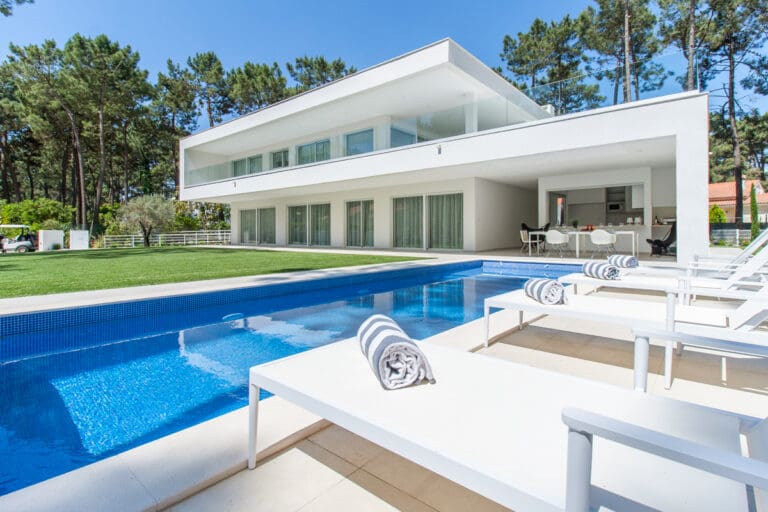 Villa Imaculada Portugal
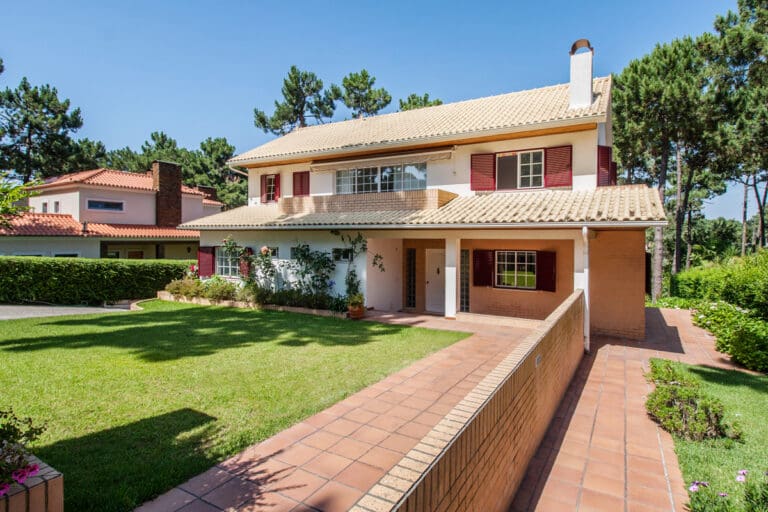 Villa Jacinta Portugal
 Villa Medos Portugal
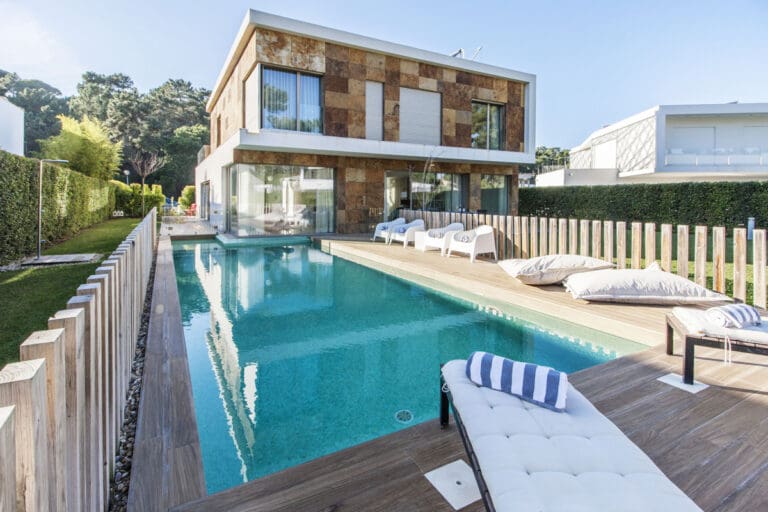 Villa Constancia Portugal
 Villa Saili Portugal
 Casa Verdizela Portugal
See all 41 villas in Herdade da AroeiraVillas across Setúbal