Best Time to Visit Ireland: Rain, Rainbows & Long Summer Light
The best time to visit Ireland is from May to September, when daylight hours are longest and rainfall is at its lowest, though showers remain possible in any month. Shoulder seasons – April, May, September and October – offer milder crowds, better value and generally reliable weather. Winter (November to February) is quietest and cheapest, with short days and frequent rain, but a particular kind of atmosphere that summer simply cannot manufacture.
Most first-time visitors pack for the Ireland they’ve heard about: perpetual drizzle, grey skies, a need for waterproofs at all times. They are half right. What they get wrong is assuming the weather is uniformly miserable and uniformly the same every day – when in fact Ireland can deliver bright sun, driving rain and a rainbow before lunchtime, and often does. The other mistake is treating July and August as the only sensible window, which means missing the long, soft evenings of late May or the golden light of September, when the island is just as green but considerably less crowded.
For the broader picture of getting around and what to see, the Ireland Travel Guide covers that ground. This piece is purely about timing – when to go, and what you’ll find when you get there.
Spring in Ireland: March, April & May
Spring arrives gradually and somewhat reluctantly. March averages around 8°C (46°F) by day, with lows near 3°C (37°F), and still carries winter’s bite, particularly along the west coast where the Atlantic wind has opinions of its own. By May, daytime temperatures reach a genuinely pleasant 15°C (59°F), hedgerows are thick with blossom, and the evenings stretch out encouragingly. St Patrick’s Day on 17 March brings parades and crowds to Dublin and every town with a main street, so book ahead if you want to be near the action – or avoid it entirely if you don’t. Rainfall is lower than winter but still frequent; pack layers rather than faith. Crowds are thin in March, building steadily through April and May as the shoulder season proper kicks in. This suits travellers who want green landscapes without summer’s price tags, and anyone happy to trade guaranteed sunshine for considerably more elbow room at the sights.
Summer in Ireland: June, July & August
This is peak season, and it earns the title. Daytime temperatures sit around 17-20°C (63-68°F), occasionally nudging higher during a genuine heatwave, which the country treats with a mixture of delight and mild panic. The real draw is daylight: in June, the sun doesn’t properly set until close to 10pm, giving long, usable evenings for walking, driving the coast roads or simply sitting outside a pub pretending the cold hasn’t arrived yet. Bloomsday on 16 June celebrates Dublin’s literary heritage with events across the city, while July brings arts festivals to towns along the west coast. Crowds peak in July and August, as do prices for accommodation and car hire, and popular coastal routes can feel distinctly less wild than advertised. Families dominate this period, school holidays being what they are, and the Wild Atlantic Way sees its heaviest traffic. Rain still shows up – this is Ireland, after all – but it tends to pass quickly rather than settle in.
Autumn in Ireland: September, October & November
September is arguably the best-kept secret of the Irish calendar: temperatures still hover around 17°C (63°F), the summer crowds have largely gone home, and the light turns a particular amber that photographers chase and locals barely notice. The Galway International Oyster Festival takes place in late September, a genuinely Irish celebration given the west coast’s long association with oyster beds. October cools to around 13°C (55°F) and rainfall increases, but the landscape compensates with autumn colour across the midlands and the southeast. By November, at roughly 9°C (48°F), the season has turned properly, days shorten fast, and Halloween – a festival Ireland invented, whatever certain other countries might claim – sees particularly atmospheric celebrations in Derry and other towns. This stretch suits travellers prioritising value and quiet over guaranteed warmth, and those keen to see the country’s festivals without its festival-season prices.
Winter in Ireland: December, January & February
Winter is short on daylight – under eight hours by late December – and long on rain, with temperatures ranging from around 2°C to 9°C (36°F to 48°F). Frost is occasional rather than routine, and snow rarer still outside the mountains. What winter offers instead is atmosphere: open fires in pubs, Christmas markets in the main cities through December, and a New Year’s Eve in Dublin that draws crowds without the summer price tag. January and February are the quietest months of the year for tourism, with noticeably lower accommodation rates and empty roads on routes that are bumper-to-bumper in August. Some rural attractions, gardens and smaller visitor sites reduce their hours or close for the season, so it’s worth checking before setting out on a long drive to a specific castle or garden. Winter suits travellers who want Ireland without the queues, don’t mind rain, and actually enjoy an excuse to spend longer over a hot whiskey.
Shoulder Season in Ireland: Why Spring and Autumn Win
If there’s a sweet spot, it sits either side of summer. Late April through May, and again September into early October, deliver the best ratio of good weather to manageable crowds. Prices for accommodation and car hire drop noticeably from July-August peaks, popular routes along the coast are navigable without a convoy of camper vans ahead of you, and the landscape – green regardless of season – photographs just as well without a crowd of selfie sticks in the foreground. Festivals continue through these months without summer’s intensity, and most attractions remain fully open, unlike the reduced winter hours further along the calendar. For travellers who want flexibility, reasonable odds of sunshine and a touch of breathing room, this is the window worth building a trip around.
Off-Season Ireland: The Case for Winter
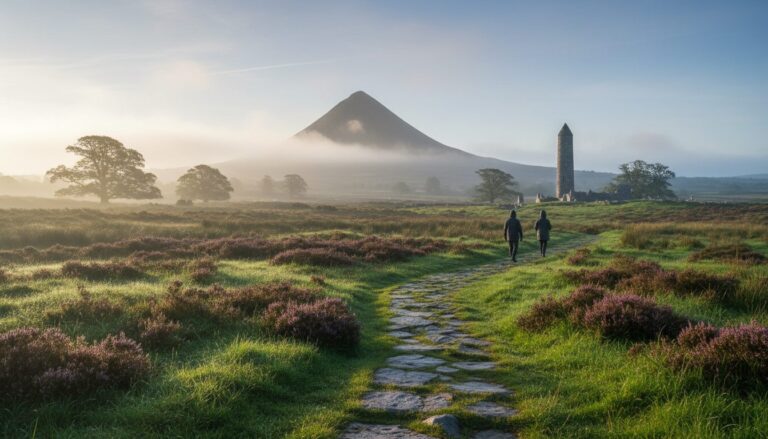
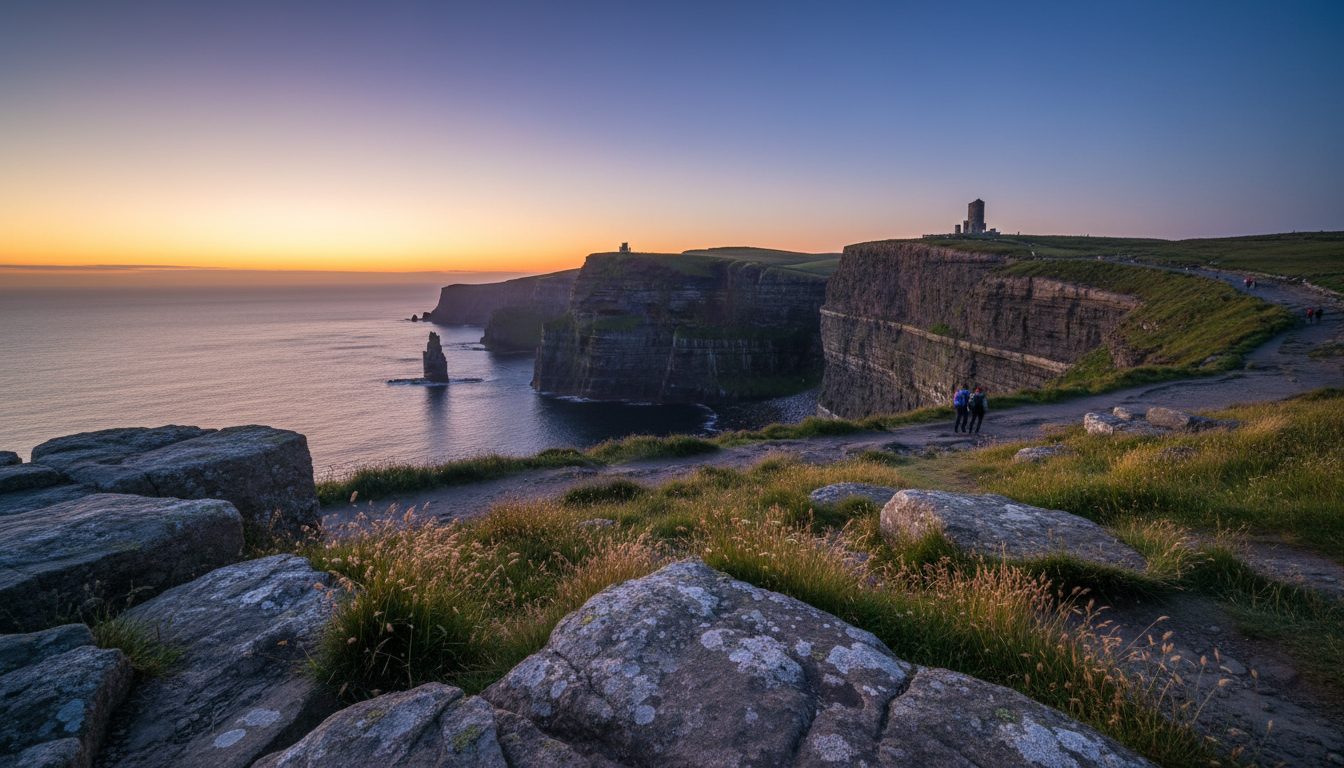
There’s an argument, rarely made loudly enough, for visiting Ireland precisely when everyone else is staying home. Winter rates are lower across the board, the famous sights – stone circles, castle ruins, cliff walks – are often nearly deserted, and the low winter light does genuinely striking things to the landscape. Pubs are warmer and more atmospheric with a fire going and a smaller crowd around it. The trade-offs are real: short days limit how much ground you can cover, rain is frequent, and some rural accommodation and smaller attractions scale back or close entirely. But for travellers less interested in beach weather and more interested in atmosphere, conversation and the particular pleasure of an empty Atlantic clifftop in February, off-season Ireland rewards the effort.
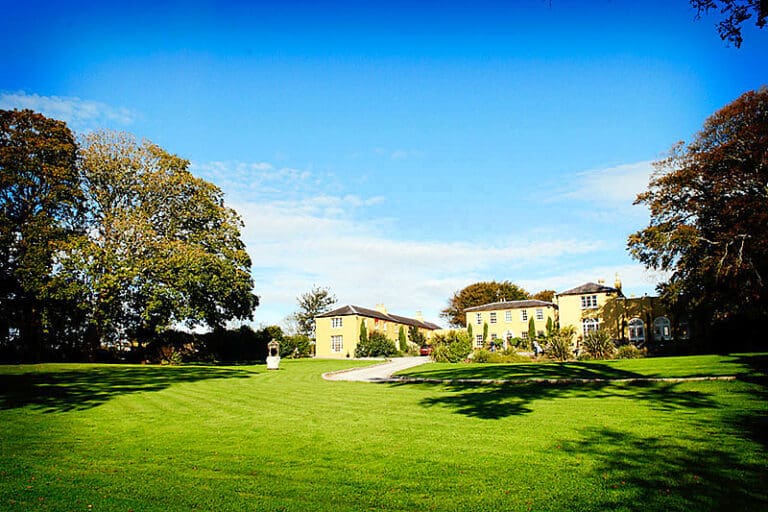
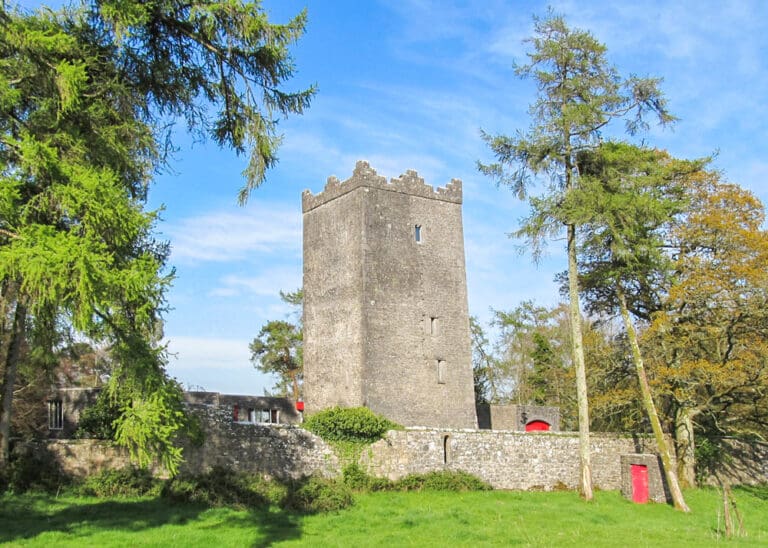
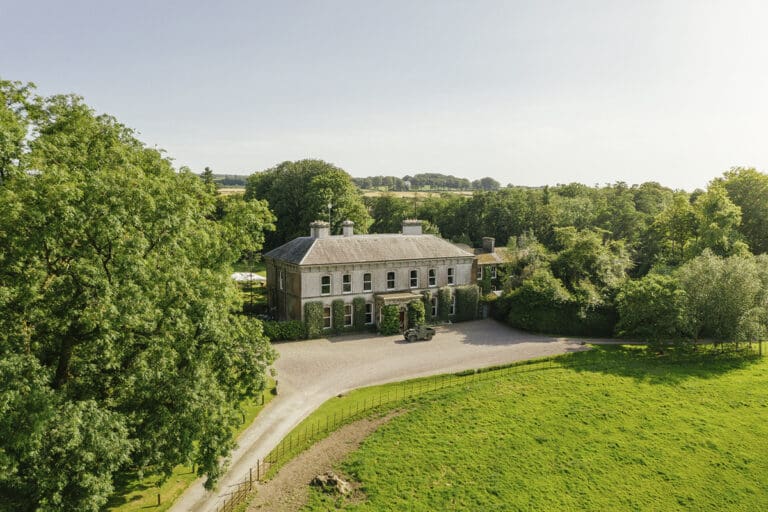
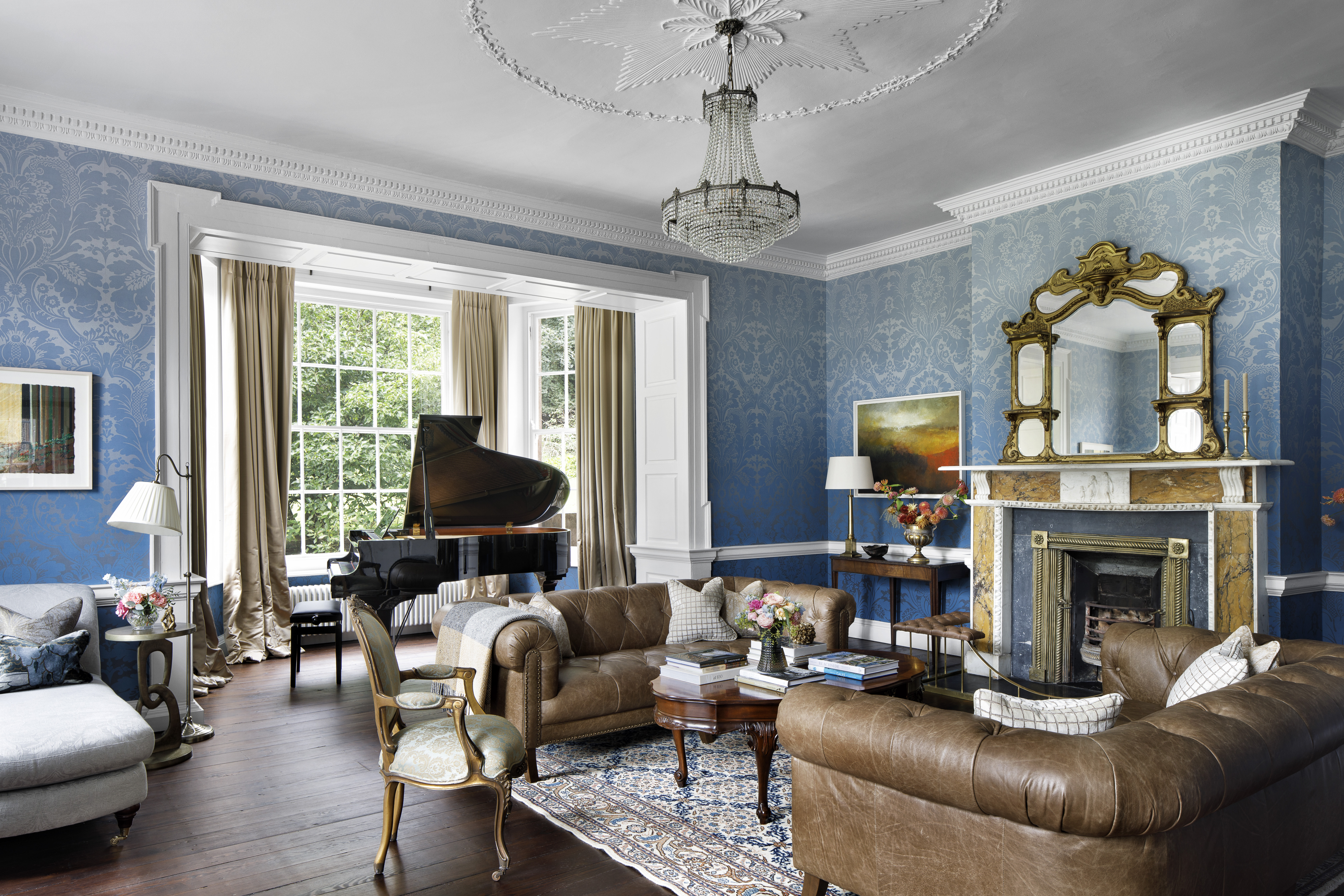
Whichever season suits your plans, it’s worth deciding where to base yourself first – here are villas in Ireland worth considering.
Ireland Weather and Seasons FAQs
Does it rain all the time in Ireland?
No, but it rains often, in short bursts rather than all-day downpours, and the west coast sees noticeably more rainfall than the east. Pack a proper waterproof rather than relying on hope, and treat a dry day as a pleasant bonus rather than an expectation.
What is the warmest month in Ireland?
July and August are typically the warmest, with average daytime temperatures around 18-20°C (64-68°F). Genuine heatwaves do happen occasionally, usually met with a mixture of national delight and a shortage of sun cream in the shops.
Is Ireland worth visiting in winter?
Yes, for travellers who prioritise atmosphere and value over guaranteed sunshine. Expect short days, frequent rain and some reduced attraction hours, balanced by quiet sights, lower prices and the particular charm of a country at its least performative.
Where to stay
Villas in Ireland
A selection from our 43 luxury villas in Ireland.