Lambeth with Kids: London Eye, Brixton Market & South Bank Days
Lambeth, on the south bank of the Thames in central London, is a strong choice for a family holiday thanks to its concentration of child-friendly attractions – the London Eye, Sea Life London Aquarium, Imperial War Museum and Brockwell Lido among them – all connected by flat, pram-friendly riverside paths and reliable public transport. Brixton Market and the South Bank food stalls offer easy, informal family dining, and the borough’s parks give children space to run off the inevitable sugar from a crepe stand. It suits families with children of any age, from buggy-bound toddlers to teenagers who think they’re too cool for the London Eye until they’re actually in the pod.
Picture this: you’ve had breakfast somewhere with a view of the Thames, the kids have already spotted the London Eye twice and asked “are we going on it” four times, and you haven’t even left the flat yet. By mid-morning you’re drifting slowly above the city in a glass pod, the Houses of Parliament politely posing across the river, and your eight-year-old is pointing out landmarks with the confidence of someone who has clearly never read a map in their life. Lunch is something eaten with your hands at a market stall, mid-afternoon is spent either in cold water (Brockwell Lido, if the sun’s out) or among tanks of sharks (Sea Life, if it isn’t), and by evening you’re walking home along the South Bank as the lights come on, dodging street performers and a teenager who insists she wasn’t scared of the Eye at all. That’s a genuinely good day in Lambeth, and the borough can give you several of them in a row without repeating itself.
Lambeth with Kids: How Well It Works for Families
Lambeth works for families largely because of geography. It occupies a stretch of the South Bank directly opposite Westminster, which means the borough’s own attractions – the London Eye, Sea Life London Aquarium, the Imperial War Museum, the Southbank Centre – sit within a short, flat, entirely walkable loop of each other. No small child has ever thanked you for a forty-minute Tube journey between activities, and here you mostly won’t need one.
It’s also a borough of genuine contrasts, which keeps things interesting rather than exhausting. The riverside is polished and touristy in the way you’d expect, all ice cream vans and buskers, while a short walk inland takes you to Brixton’s market streets and Kennington’s quieter, more residential pace, and further south again to the green sprawl of Brockwell Park. For a fuller sense of the wider borough beyond its family highlights, the Lambeth Travel Guide covers the detail. For families specifically, the mix of landmark sights, open space and good transport links is hard to beat within central London.
Things to Do in Lambeth with Kids
The London Eye is the obvious starting point, and deservedly so – thirty minutes in a glass pod gives even restless children something to actually look at, rather than just endure. Book an early or late slot if you can; queues build steadily through the middle of the day, and nobody’s holiday is improved by standing in one with a toddler.
Sea Life London Aquarium, housed in the former County Hall building beside the Eye, is a reliable rainy-day-or-not option, with tanks of sharks, rays and clownfish that hold attention far longer than most parents expect. The Imperial War Museum, a short walk south in Kennington, is free to enter and surprisingly good at explaining difficult history to older children without either sanitising it or terrifying them – the museum’s own family trails help pitch the content appropriately by age.
Further south, Brixton Market’s covered arcades are less an attraction in the traditional sense and more a sensory experience – the smells alone are worth the walk – while Vauxhall City Farm offers younger children a chance to meet goats, pigs and chickens in the middle of the city, which remains a reliably popular novelty for anyone under ten.
Best Parks and Outdoor Activities in Lambeth for Families
Brockwell Park, in Herne Hill, is the borough’s green centrepiece and home to Brockwell Lido, an open-air pool that’s become something of an institution for Londoners willing to swim outdoors in the British summer (and occasionally not-quite-summer). The park itself has a walled garden, a miniature railway in season, and enough open grass for the kind of running-around that burns off a packed lunch in minutes.
Clapham Common and Kennington Park both offer solid, straightforward green space with playgrounds, and are useful if you’re staying nearby and simply need somewhere for children to expend energy without a plan. Jubilee Gardens, tucked right beside the London Eye on the South Bank, is smaller but perfectly positioned for a post-Eye picnic, with a playground that keeps children occupied while adults recover their equilibrium (and possibly their stomachs).
For something more active, the South Bank’s riverside path is wide and flat enough for scooters and bikes, making it one of the few stretches of central London where you can let a confident child range a little further ahead without panic.
Where to Eat with Kids in Lambeth
Lambeth’s dining options for families lean informal, which suits most children (and most parents, if we’re honest). The South Bank’s riverside food stalls and market setups offer everything from noodles to wood-fired pizza, eaten standing up or perched on a wall with a view of the river – no bookings, no fuss, no small child expected to sit still through three courses.
Brixton’s indoor market arcades go further still, with a dense cluster of small, independent food stalls covering most global cuisines in a few hundred metres, which is genuinely useful when you’ve got a fussy eater and a hungry teenager with wildly different demands. It’s loud, it’s crowded at peak times, and it’s exactly the sort of place where nobody minds if your toddler drops half a dumpling on the floor.
For a calmer sit-down option, the cafes around Herne Hill and Brockwell Park tend to be more relaxed and family-geared, with outdoor seating that makes post-lido meltdowns slightly less mortifying.
Rainy-Day Things to Do in Lambeth
London rain is less a possibility than a certainty, so it’s worth having indoor options lined up before you need them. The Imperial War Museum and Sea Life London Aquarium both work well as full wet-weather mornings, and the Southbank Centre’s public spaces – foyers, covered walkways, occasional family workshops – give you somewhere to shelter without feeling like you’re just hiding from the weather.
The National Theatre and Hayward Gallery, both within the Southbank Centre complex, run family-oriented events and exhibitions at various times of year, worth checking ahead of a visit if the forecast looks grim. Failing all else, a long, unhurried browse through Brixton’s covered market arcades keeps you dry, fed and entertained in roughly equal measure, which on a wet Tuesday in February is about as much as any parent can ask for.
Lambeth with Kids by Age: Toddlers, Juniors and Teens
Lambeth with Toddlers
Toddlers do well here thanks to flat, buggy-friendly pavements along the river and genuinely good green space at Jubilee Gardens and Brockwell Park. Vauxhall City Farm is pitched almost perfectly at this age group – low-stakes, hands-on, and mercifully short if patience runs thin. Avoid peak Eye queues and midday market crushes; toddlers and crowds mix about as well as you’d expect.
Lambeth with Junior-Age Children
This is arguably Lambeth’s sweet spot. Children of six to twelve get real value from the London Eye, the aquarium and the Imperial War Museum’s family trails, and have the stamina for a decent walk along the South Bank between them. Brockwell Lido, when the weather allows, is usually the highlight of the trip.
Lambeth with Teenagers
Teenagers, despite initial protestations, generally come round to the London Eye once they’re in it, and tend to engage properly with the Imperial War Museum’s more serious content in a way younger children can’t. Brixton’s market streets and the South Bank’s skate spots and street-art corners give older children some independence within a contained, walkable area – useful if you want to loosen the reins slightly without losing sight of them.
Getting Around Lambeth with Children
Lambeth’s own transport links are genuinely good, which removes a lot of the usual holiday friction. Waterloo station sits within the borough and connects to the Underground, national rail and buses, while Vauxhall and Brixton stations cover the southern end. Buses are often the easier option with a buggy or a reluctant toddler – London’s Tube network has notoriously patchy step-free access, and a bus at least lets you see where you’re going.
For the South Bank attractions themselves, walking is usually simplest; the riverside path between Westminster Bridge and the Southbank Centre is flat, well-signposted and largely free of traffic. River boat services also run along this stretch of the Thames and are worth considering for a change of pace – children who’ve tired of walking rarely tire of being on a boat, at least for the first twenty minutes.
For families mapping out where to stay in the area, there are villas in Lambeth within easy reach of the attractions covered here.
Lambeth Family Holiday FAQs
Is Lambeth a good base for a family holiday in London?
Yes. Its South Bank location puts major family attractions like the London Eye, Sea Life London Aquarium and Imperial War Museum within easy walking distance of each other, and transport links at Waterloo, Vauxhall and Brixton make the rest of London accessible without long journeys.
What is the best time of year to visit Lambeth with children?
Late spring through early autumn is most reliable, particularly for outdoor options like Brockwell Lido and the parks, though indoor attractions such as the aquarium and museums make Lambeth a workable family destination year-round, rain included.
Are the London Eye and South Bank attractions suitable for young toddlers?
Generally yes – the London Eye’s pods are spacious and the ride is gentle, while the aquarium and nearby parks are pitched well for younger children. Timing visits outside peak midday queues makes the experience considerably easier with a toddler in tow.
Where to stay
Villas in Lambeth
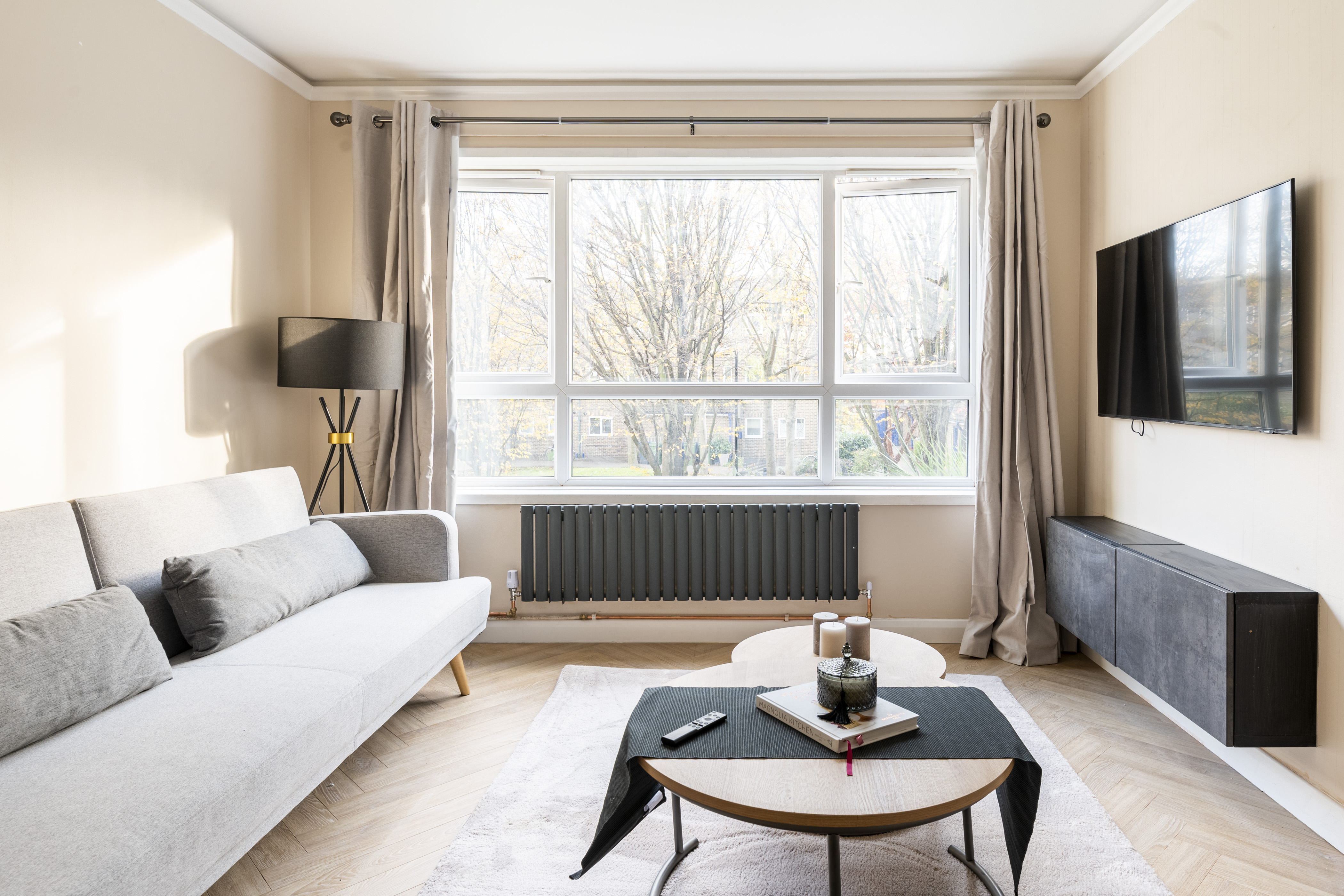
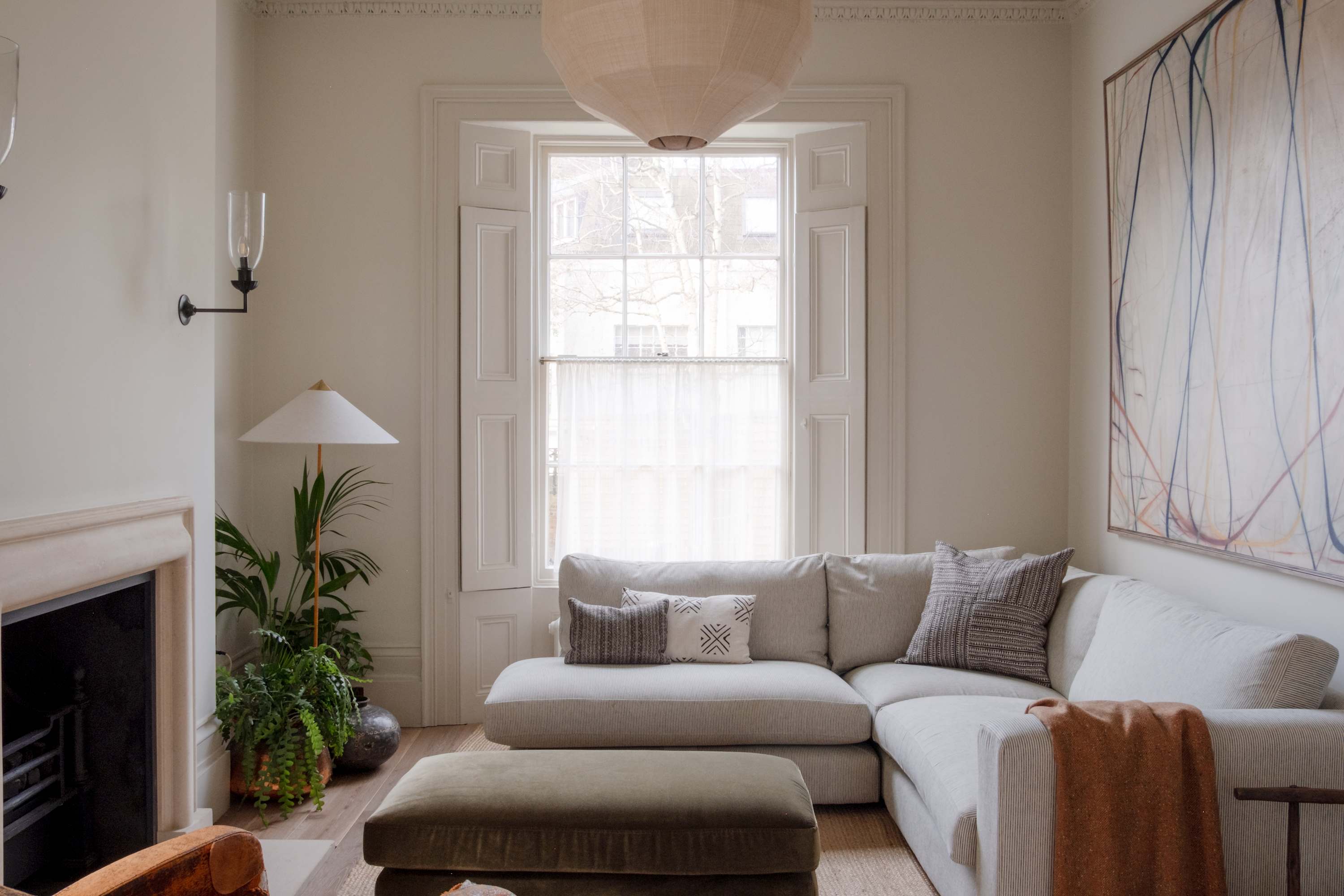
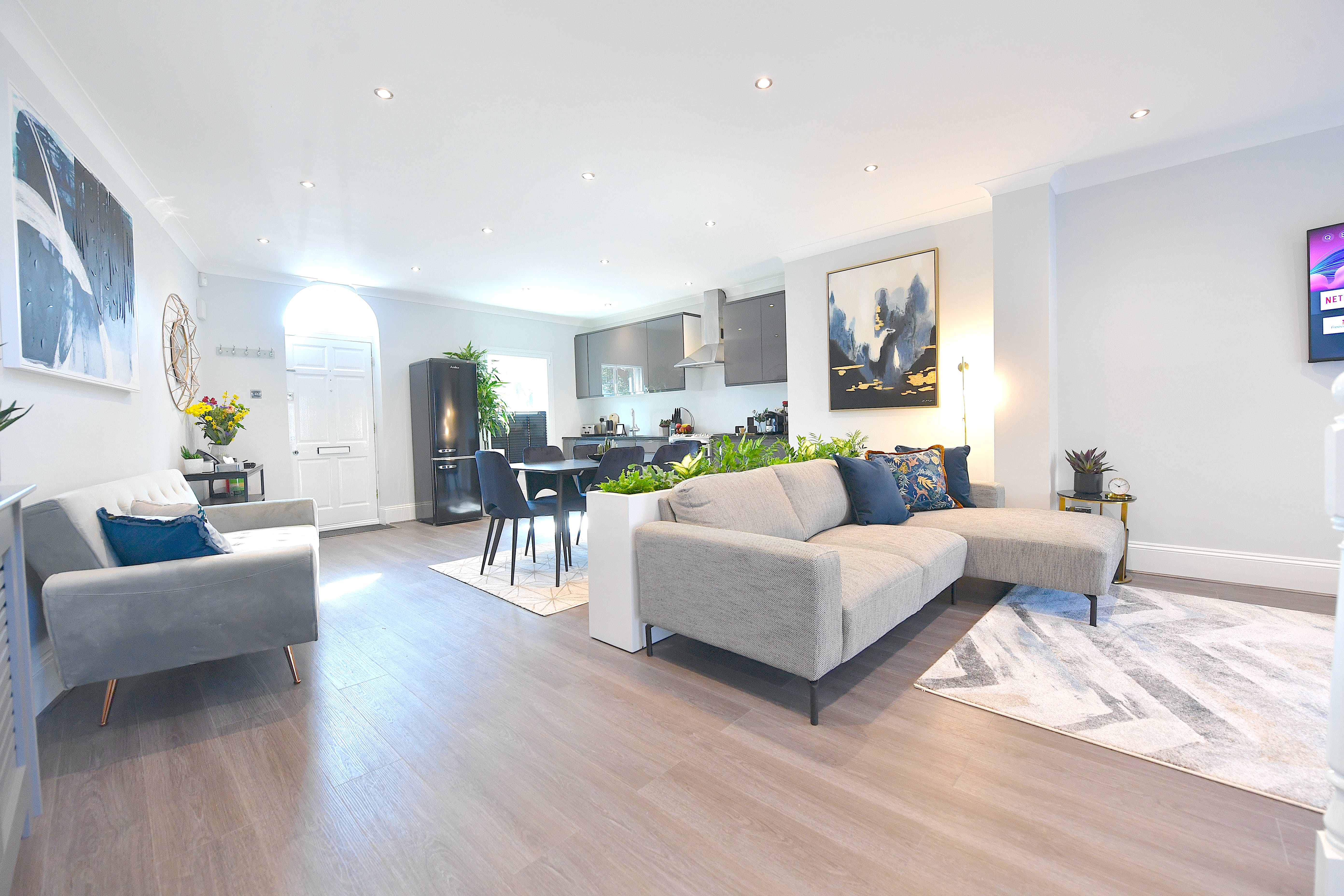
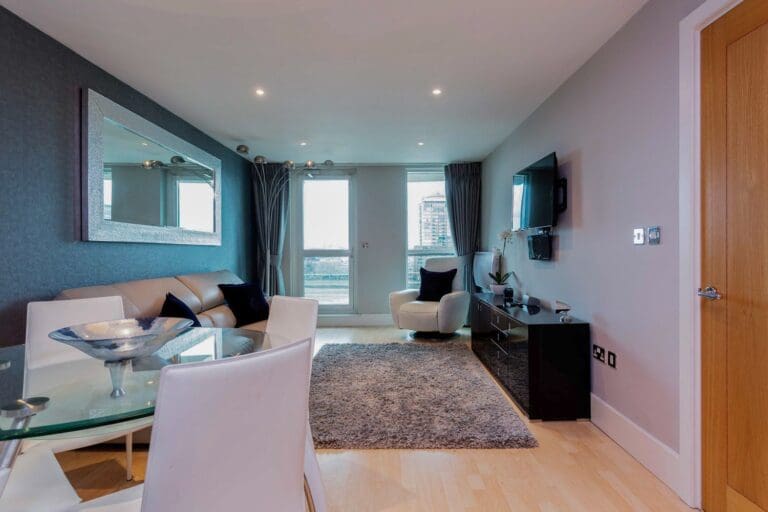
A selection from our 5 luxury villas in Lambeth.