Best Time to Visit Maremma: Butteri, Thermal Springs & Wild Coast
The best time to visit Maremma is May, June or September, when daytime temperatures sit between 22-27°C (72-81°F), the beaches are uncrowded and prices for accommodation drop below the August peak. July and August bring the hottest weather and the biggest crowds, particularly on the coast around Castiglione della Pescaia and Monte Argentario. Winter is quiet and often rainy, but it’s also when the region’s thermal springs and hill towns are at their most atmospheric.
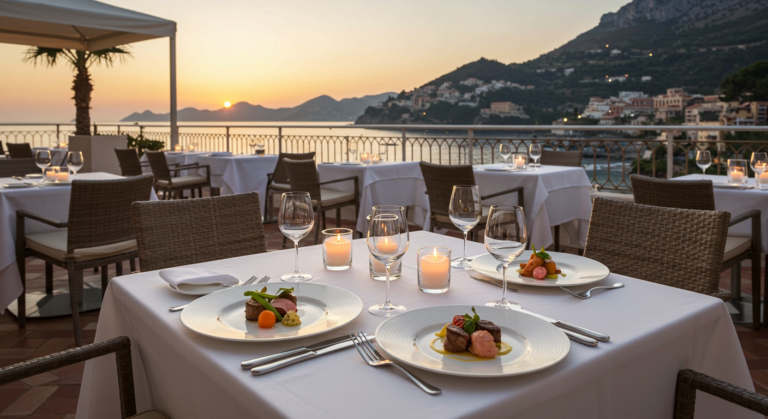
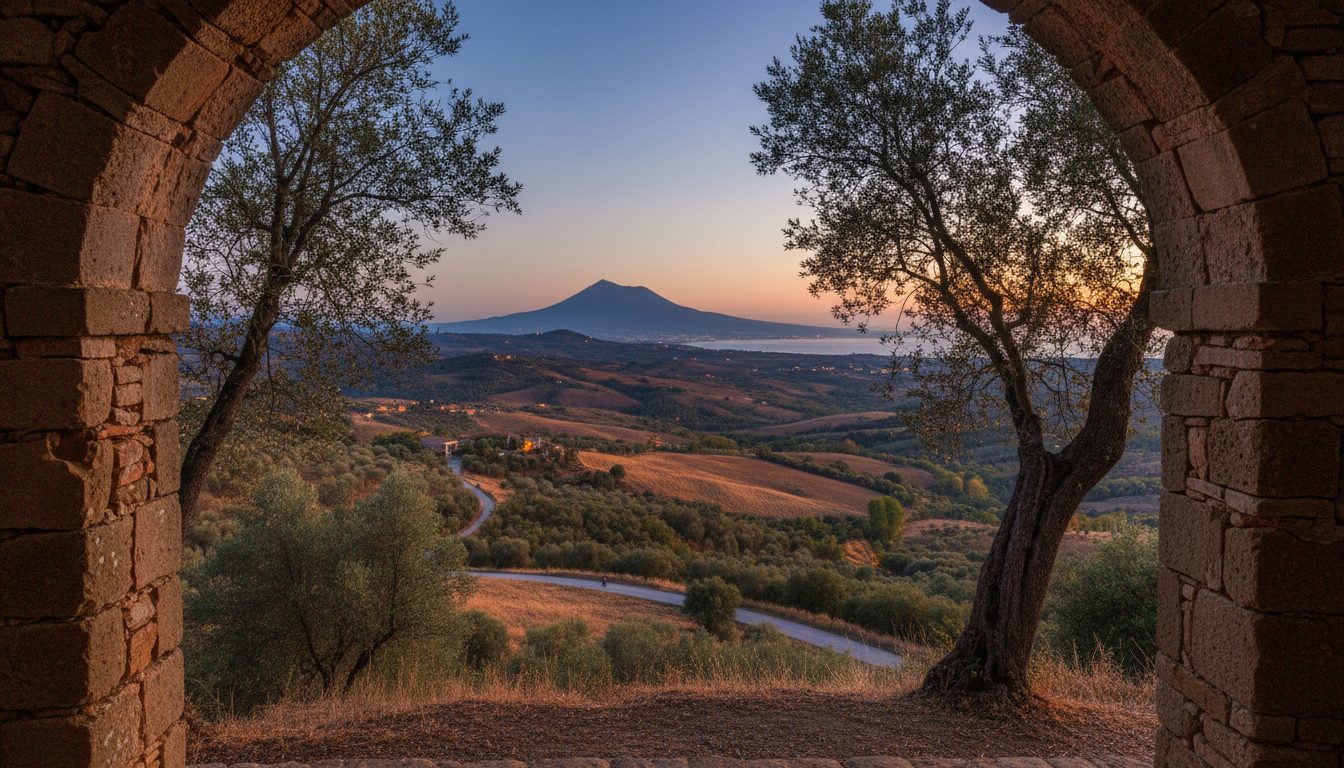
Picture it: a May morning, the light still soft, cycling through the cork oaks and umbrella pines of the Parco della Maremma with nobody else on the track except a pair of butteri – Tuscany’s own cowboys – moving cattle with the unhurried confidence of men who have never once checked a weather app. By eleven you’re swimming at Cala Violina, a cove so quiet the sand squeaks underfoot and there’s actual sand to squeak on. Lunch is wild boar ragu and a glass of Morellino di Scansano somewhere with a view of vineyards rather than other tourists. By evening you’re soaking in the warm, mineral-rich pools of Saturnia as the sky turns the colour of the wine you had at lunch. This is Maremma doing what it does best, and it happens most reliably in a handful of specific windows each year, which is what the rest of this guide is for. For background on the region itself, the Maremma Travel Guide is a good place to start.
Best Time to Visit Maremma: At a Glance
May, June and September offer the best balance of warm weather, open attractions and manageable crowds. July and August are hottest and busiest, especially along the coast. April and October are cooler but calmer, good for walking and sightseeing rather than beach days. Winter (December to February) is quiet, cheap, often wet, but genuinely atmospheric in the hill towns and thermal areas.
Spring in Maremma: March to May
Spring arrives in Maremma with a certain reluctance – March can still be raw, with daytime highs around 15°C (59°F) and the kind of wind off the Tyrrhenian that makes you grateful for a decent coat. By April things settle into something more promising, climbing to about 18°C (64°F), with the countryside turning a shade of green that doesn’t last much past June. May is when spring really delivers: 22-23°C (72-73°F), long daylight hours, and wildflowers across the Parco della Maremma that the summer sun will later scorch into submission.
Crowds are thin outside Easter week, and accommodation prices haven’t yet caught up with demand. This is a reliably good season for walkers and cyclists, for visiting the Etruscan sites around Sovana and Pitigliano without sharing them with a coach party, and for anyone who wants Maremma’s famous coastline without the famous crowds. The sea itself is still too cold for most people to swim in comfortably before late May – the Mediterranean warms up slowly, whatever the air temperature is doing – but as a season for exploring on foot, by bike or on horseback, spring has a strong claim to being the best time to visit Maremma.
Summer in Maremma: June to August
June is arguably the best month of summer here, before the real heat and the real crowds arrive together in July. Expect 27°C (81°F) by day, sea temperatures finally warm enough to enjoy, and beaches that are busy on weekends but still bearable on weekdays. July and August push temperatures to 30°C (86°F) and beyond, with humidity that makes the coast feel hotter than the thermometer admits. This is peak season in every sense – peak prices, peak traffic on the coastal roads, peak difficulty finding a sunbed at Marina di Grosseto without arriving before the Italians have finished their coffee.
August is when Italy itself goes on holiday, and Maremma’s beach towns fill with families from Rome and Florence rather than foreign visitors, which has its own charm but also its own queues. The region’s sagre – village festivals celebrating wild boar, local wine and whatever else is in season – run through the summer and are genuinely worth timing a visit around, provided you don’t mind sharing a piazza with half the province. Inland towns like Pitigliano and Sovana stay cooler than the coast and make sensible retreats on the hottest afternoons. Summer suits anyone who wants beach life above all else and doesn’t mind paying for the privilege or queuing for it.
Autumn in Maremma: September to November
September is, for many regular visitors, the best time to visit Maremma full stop. The sea is still warm from summer, temperatures ease to a comfortable 26°C (79°F), the beaches empty out as the school term resumes elsewhere in Europe, and the vineyards around Scansano turn gold ahead of the Morellino harvest. Prices drop noticeably from the August peak without the compromises of deep off-season.
October cools further to around 21°C (70°F) and brings the first proper rain, along with the start of truffle and mushroom season in the Maremma hills – a genuine reason to visit if you take your food seriously. By November, at 16°C (61°F), the coast has largely gone quiet, swimming is off the table for all but the determinedly hardy, and the region settles into something closer to its working, agricultural rhythm. This is good walking and cycling weather, excellent for wine visits, and a sound season for anyone who wants to see Maremma as it actually is rather than as it performs for August crowds.
Winter in Maremma: December to February
Winter in Maremma is quiet, occasionally grey, and not for everyone. Daytime temperatures hover around 12-13°C (54-55°F), nights drop closer to 4°C (39°F), and rain is more likely than not on any given week. The coastal towns thin out considerably – some seasonal restaurants and beach establishments close altogether between November and Easter, so it pays to check ahead rather than arrive expecting a full summer menu of options.
What winter does offer, generously and without competition, is the thermal springs at Saturnia, where steam rising off warm water into cold air is arguably more atmospheric in January than in July. Hill towns like Pitigliano, carved into volcanic tufa, look genuinely dramatic under winter light, and you’ll often have them largely to yourself. Prices are at their lowest all year. This is the season for travellers who prioritise atmosphere and value over swimming and sunbathing, and who don’t mind packing a decent coat alongside their espadrilles.
Shoulder Season in Maremma: Why Late Spring and Early Autumn Work Best
If there’s a single piece of advice worth taking from this guide, it’s to aim for late May, June or September. These shoulder months deliver most of what makes Maremma worth visiting – warm weather, open beaches, functioning restaurants, accessible wine estates – without the August scrum or the inflated prices that come with it. Accommodation costs typically sit well below peak summer rates, roads are easier, and locals have time to talk rather than simply serve.
It’s also the best window for combining a beach day with a cultural one, since the Etruscan sites, hill towns and thermal baths are all comfortably doable without summer heat slowing you down by early afternoon. Anyone trying to choose between the drama of a packed Tuscan summer and the quiet of deep winter would do well to simply split the difference.
Off-Season Maremma: The Case for Winter
There’s a reasonable argument for visiting Maremma precisely when most people don’t. Winter strips away the tourist infrastructure built for summer crowds and leaves something closer to the region’s actual character – working vineyards, quiet market towns, thermal springs used by locals rather than daytrippers. Prices fall, queues disappear, and the light across the Maremma countryside takes on a flatter, more painterly quality that summer’s glare tends to wash out.
The trade-offs are real: shorter days, likely rain, and a reduced range of open restaurants and beach facilities. But for travellers who find high season’s version of Tuscany a little too crowded for comfort, winter in Maremma offers an entirely different, quieter trip – one built around food, wine, thermal water and hill towns rather than beach days and bronzing.
Whichever month you choose, it’s worth deciding on your season first and your base second – a search for villas in Maremma is a sensible next step.
Maremma Weather and Seasons FAQs
What is the rainiest time of year in Maremma?
November is typically the wettest month in Maremma, with October and December also seeing regular rainfall. Summer months from June to August are reliably dry, often for weeks at a stretch.
Is Maremma good to visit with children?
Yes, particularly in June or September when the sea is warm but the beaches are less crowded. The shallow, sandy coves along the coast and the wildlife of the Parco della Maremma suit families well outside the peak August weeks.
Do I need a car to visit Maremma in winter?
A car is strongly recommended year-round in Maremma, but particularly in winter, when reduced public transport and seasonal closures make independent travel between hill towns, thermal springs and the coast far more practical.
Keep reading
More on Maremma
- Travel guideMaremma Travel Guide
- RestaurantsBest Restaurants in Maremma
- Food & wineMaremma Food & Wine
- FamiliesMaremma with Kids
Guides nearby in Tuscany
Where to stay
Villas in Maremma
A selection from our 104 luxury villas in Maremma.