Massa Lubrense Food & Wine: Lemons, Provolone & Seafood
Massa Lubrense’s cuisine centres on lemons grown on its terraced hillsides, locally made Provolone del Monaco cheese, olive oil pressed from centuries-old groves, and seafood landed each morning at its small marinas. Local wine production is modest but genuine, with family vineyards on the slopes above Nerano and Termini producing Falanghina and Piedirosso for their own tables and nearby restaurants. Food markets, cooking classes and farm visits here tend to be smaller and less staged than those in neighbouring Sorrento.
Everyone who has ever written about this stretch of coast tells you Sorrento has the lemons. What they tend not to mention is that most of those lemons – the big, knobbly, almost absurdly fragrant ones used for limoncello across the peninsula – are actually grown on the terraces above Massa Lubrense, carried down by hand or small truck because the slopes are too steep for anything grander. The town gets none of the credit and most of the fruit. This seems to me entirely in character for a place that has spent generations quietly feeding Sorrento’s restaurants while keeping its own best tables to itself.
This is not a destination of flashy food theatre. It is a place where the cooking is built on what grows on the hillside and what comes off the boat that morning, and where a lunch can stretch to three hours without anyone quite noticing. For context on the wider area, the Massa Lubrense Travel Guide covers the beaches, villages and practical planning; this one is strictly about what ends up on the plate and in the glass.
Massa Lubrense Food: Regional Cuisine and Signature Dishes
The cooking here sits firmly within the Campanian tradition but leans harder on seafood and citrus than the dishes you will find further inland. Gnocchi alla sorrentina – soft potato gnocchi baked with tomato, basil and melted provola or mozzarella – appears on almost every menu, though the better kitchens make their own gnocchi fresh rather than reaching for the packet version, and you can usually tell within the first forkful which is which.
Seafood dominates, unsurprisingly, given how much of the town’s coastline is cliff dropping straight into clear water. Scialatielli ai frutti di mare – a thick, hand-cut pasta tossed with clams, mussels and whatever else the boats brought in – is the dish most visitors remember afterwards, usually fondly. Totani e patate, a simple stew of squid and potatoes, is less photogenic but arguably more honest cooking, the kind made in home kitchens long before it appeared on any menu for tourists. Impepata di cozze, mussels cooked hard and fast with black pepper and lemon, is a good test of a kitchen’s confidence: there is nowhere to hide with four ingredients.
Cheese matters more here than most visitors expect. Provolone del Monaco, a semi-hard cow’s milk cheese matured in the hills behind the coast, has a sharper, more savoury character than the provolone most people know, and locals treat it with the seriousness other regions reserve for wine.
Massa Lubrense Wine: Local Wines and Producers
Massa Lubrense will never trouble the great Campanian wine names – the volcanic soils of Irpinia and the hills around Avellino do the heavy lifting for Fiano, Greco and the more celebrated reds. What the terraces above this coast produce instead is smaller, stranger and in its own way more interesting: tiny plots of Falanghina and Piedirosso, grown on impossibly steep ground, often tended by families who sell most of the crop to a handful of local restaurants and keep the rest for themselves.
These are not wines built for cellaring or critical acclaim. They are bright, slightly saline whites and light, food-friendly reds made to be drunk young and cold, ideally with whatever seafood dish has just arrived. Several family-run estates on the slopes above the coastal villages open their cellars informally to visitors who ask nicely, usually over a glass poured standing up rather than a formal tasting with spittoons and tasting notes. It is wine as agriculture first and romance second, which is precisely why it tastes so good with lunch and so unremarkable bottled and shipped elsewhere.
Wine Estates to Visit near Massa Lubrense
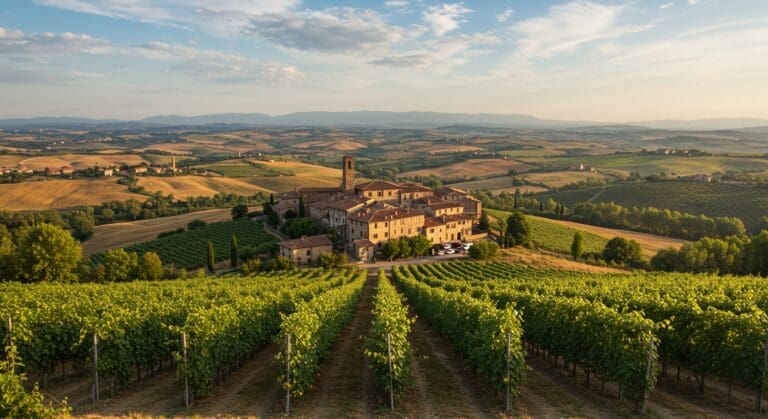
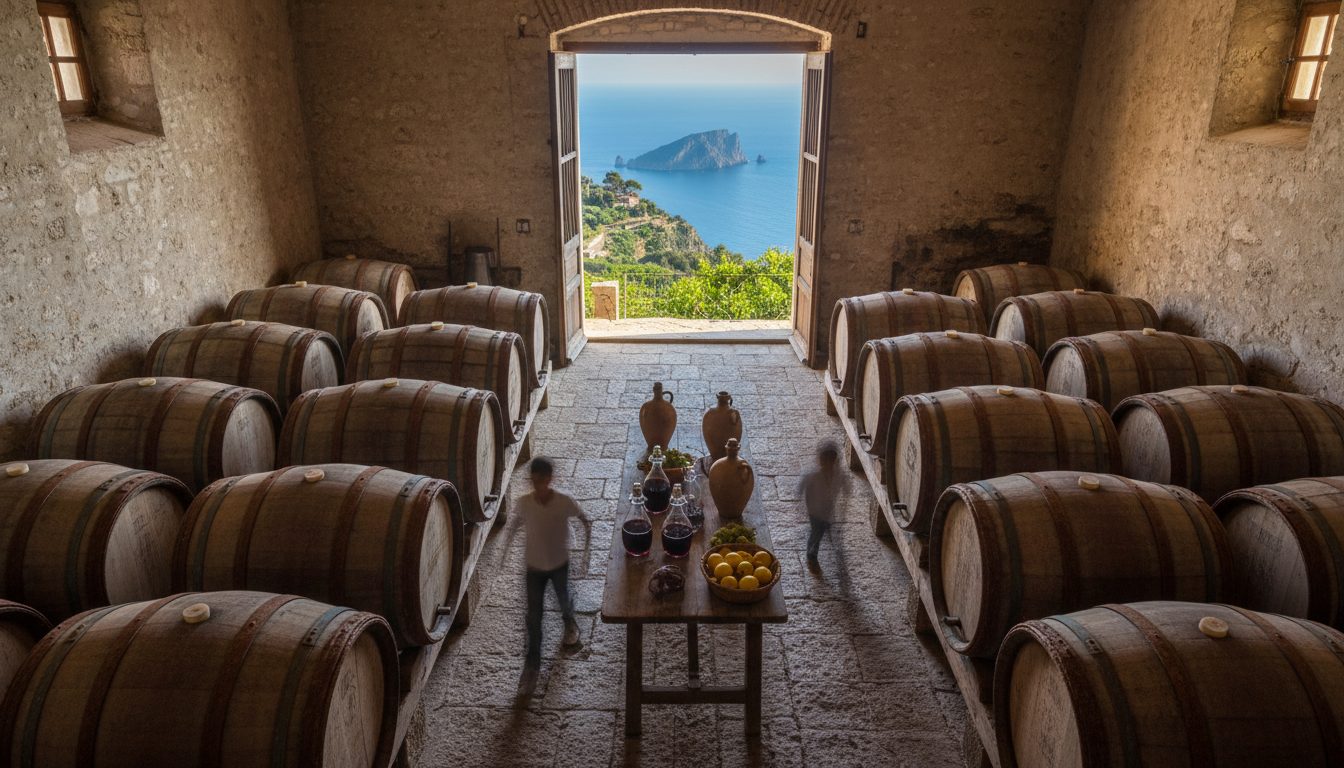
A handful of smallholdings on the terraced ground behind the coast welcome visitors for informal tastings, usually by arrangement rather than walk-in, since most are family operations working the vines alongside olive groves and lemon terraces rather than running a dedicated tourism business. Expect a short walk through vines clinging to drystone terraces, a look at whatever equipment the family has used for three generations, and a tasting that happens on a terrace rather than in a purpose-built room.
These visits reward a bit of advance planning through a local guide or your accommodation, since English is not guaranteed and opening times depend as much on the weather and the harvest as any published schedule. What you get in return is a genuinely unstaged look at how wine is made on slopes most commercial wineries would consider unworkable, paired with views over the Bay of Naples that no tasting room elsewhere on the coast can match.
Massa Lubrense Food Markets
The town’s weekly market is a proper working market rather than a performance for visitors: stalls selling the lemons grown on the surrounding terraces, local olive oil decanted from unlabelled tins, cheese, cured meats and whatever vegetables are in season, alongside the usual stands of household goods and clothing that keep any Italian market honest. It runs on a fixed weekly schedule that is worth confirming locally, since Italian market days have a habit of shifting slightly between seasons.
Smaller daily produce stalls and fishmongers operate out of the marinas, selling directly off the boats in the early morning. Arrive before nine and you will see the catch still glistening; arrive after lunch and you will see an empty counter and a shrug. There is no stall selling souvenir limoncello bottles with tourists’ names airbrushed on, which tells you most of what you need to know about who the market is actually for.
Cooking Classes in Massa Lubrense
Several local families and small culinary operators run hands-on classes centred on the dishes the area is actually known for – fresh pasta, gnocchi alla sorrentina, and limoncello making using lemons picked that morning from the surrounding terraces. These tend to be small, kitchen-table affairs rather than large demonstration classes, often held in a family home or a working farm rather than a dedicated cookery school.
The better ones include a visit to the lemon grove or olive press beforehand, so you understand what you are cooking with before you start chopping it, and most finish with the class sitting down together to eat what has been made, which is really the only sensible way to end a cooking lesson. Booking ahead is advisable, particularly in peak summer months when demand outstrips the modest capacity most of these operations keep deliberately small.
Seasonal Specialities in Massa Lubrense: Lemons, Olive Oil and Seafood
Lemons peak through summer, when the terraces above the coast are heavy with fruit and the air around them genuinely does smell different, something between a perfume counter and a kitchen. These are the lemons that end up in limoncello, in the ubiquitous delizia al limone dessert, and squeezed without ceremony over whatever seafood has just arrived.
Olive oil has its own season entirely: the harvest and pressing runs through late autumn into early winter, when small local mills press the new oil and locals buy it still cloudy and intensely green, a world away from the clear, mild stuff sold in supermarkets. Seafood, inevitably, runs year-round, though the calmer summer seas mean more small boats out early and a wider variety on the morning catch. Winter brings fewer fish stalls but better value and quieter kitchens, which has its own appeal if you would rather eat well than queue.
Best Food Experiences in Massa Lubrense
The single best food experience here costs nothing and requires no booking: a long seafood lunch at a table set close enough to the water that you can watch the boat that caught your meal still bobbing nearby. Beyond that, a lemon grove visit combined with a limoncello-making lesson gives a genuine sense of why this fruit matters so much to the local economy and identity.
A morning at the market followed by an informal lunch using whatever you just bought – arranged through a local cook or small operator – tends to beat any fixed-menu restaurant experience, since the ingredients dictate the meal rather than the other way round. And if you can talk your way into a family wine cellar for an hour, do it; it is the closest this coast comes to a secret.
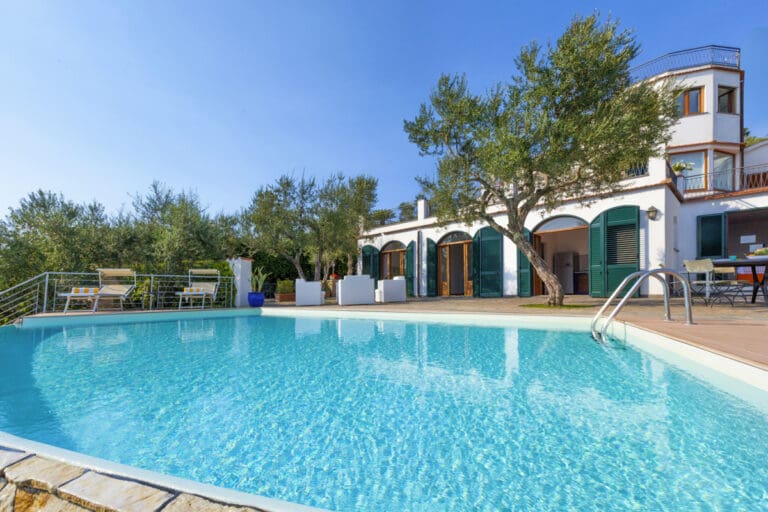
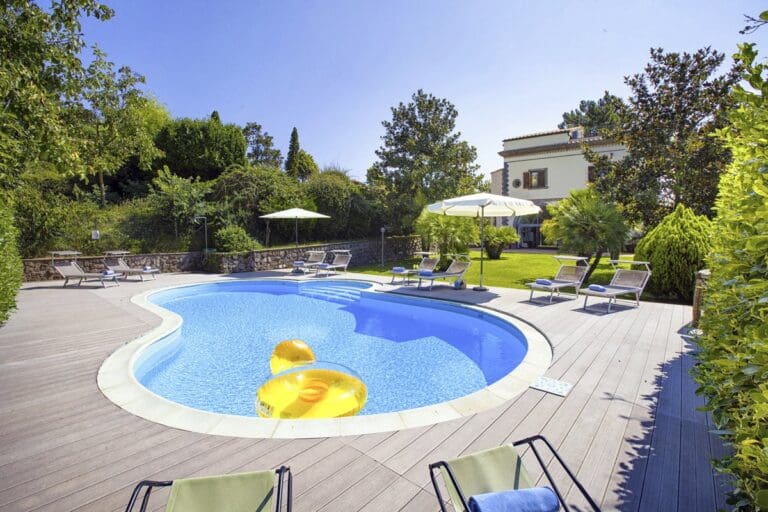
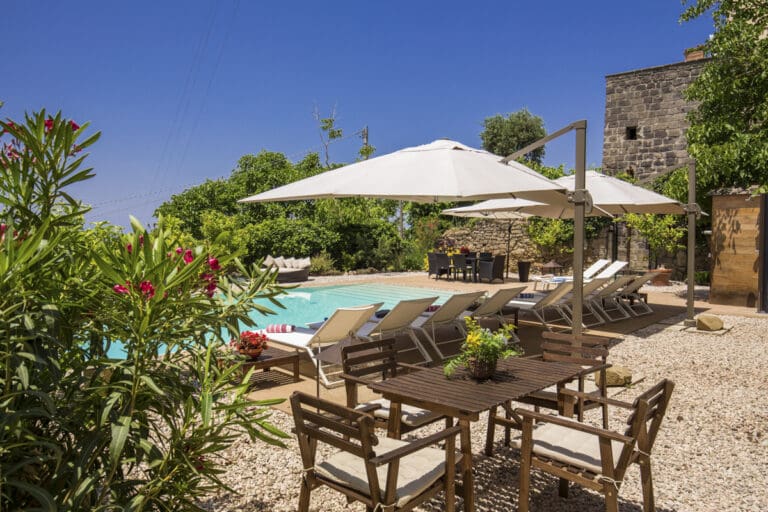
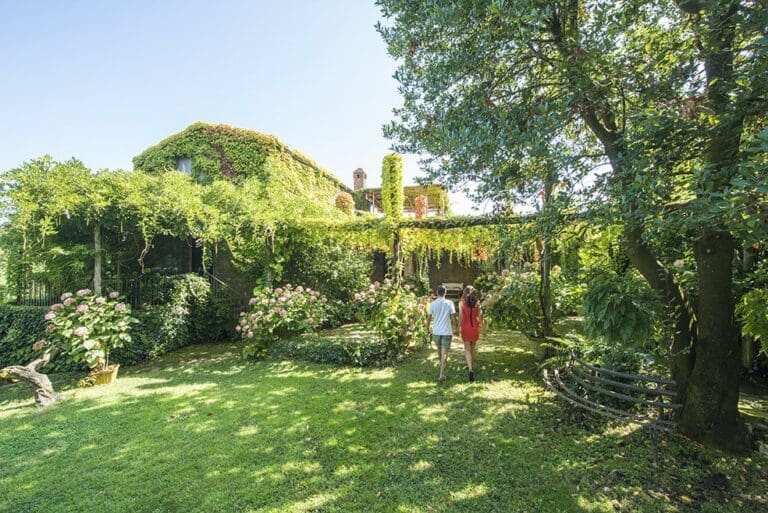
For readers planning where to base themselves for all this eating and drinking, there are villas in Massa Lubrense within easy reach of the markets, marinas and terraced groves described above.
Massa Lubrense Food and Wine FAQs
What is the local speciality cheese in Massa Lubrense?
Provolone del Monaco, a semi-hard cow’s milk cheese matured in the Monti Lattari hills behind the coast, is the area’s defining cheese, sharper and more savoury than standard provolone and widely used in local cooking.
Is Massa Lubrense good for a food and wine holiday?
Yes, particularly for travellers who prefer unpolished, produce-led eating over formal dining. The area is strong on seafood, lemons, olive oil and small family wine producers, though it has fewer fine-dining restaurants than Sorrento or the Amalfi Coast.
When is the best time to visit Massa Lubrense for food and wine?
Summer suits lemon harvests, fresh seafood and lively markets, while late autumn and early winter are best for fresh-pressed olive oil and quieter, better-value dining as visitor numbers drop.
Keep reading
More on Massa Lubrense
- Travel guideMassa Lubrense Travel Guide
- RestaurantsBest Restaurants in Massa Lubrense
- FamiliesMassa Lubrense with Kids
Guides nearby in Naples
Where to stay
Villas in Massa Lubrense
A selection from our 27 luxury villas in Massa Lubrense.