Mlini with Kids: Pebble Coves, Boat Trips & the Dubrovnik Walk
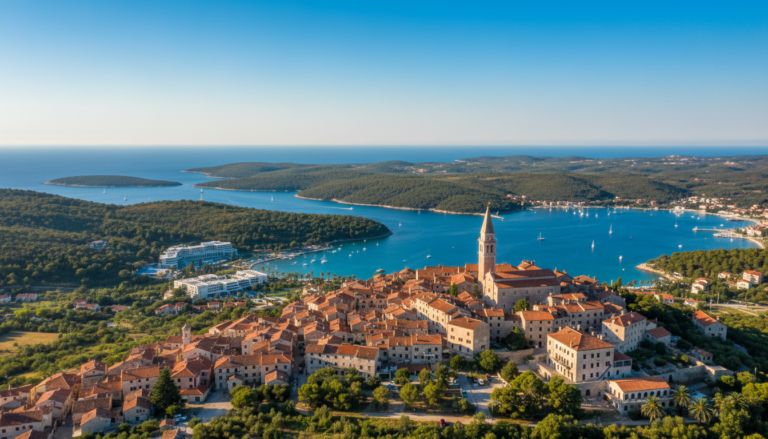
Mlini is a small, quiet village on Croatia’s Župa Dubrovačka coast, around 20 minutes by road from Dubrovnik, with a shallow pebble bay well suited to younger children. Family life here revolves around the beach, a flat coastal promenade linking several neighbouring villages, and easy day trips into Dubrovnik’s Old Town. There are no theme parks or kids’ clubs – this is a destination for families who want things simple rather than organised.
I’ll confess I arrived in Mlini braced for the kind of restlessness that sets in on day two of a family holiday, when the novelty of a new swimming pool wears off and someone starts asking, pointedly, what there is “to actually do.” It never arrived. My children, who can locate boredom in even the most lavishly equipped resort, spent most mornings throwing pebbles into a bay so still it barely bothered to ripple, and most afternoons refusing to leave it. Mlini has almost nothing in the way of attractions built specifically for children. This, it turns out, is rather the point.
Mlini with Kids: Is It a Good Family Destination?
Mlini works for families precisely because it does not try terribly hard. It is a compact village wrapped around a sheltered bay, with a shingle and pebble beach that shelves gently enough for paddling toddlers, and a promenade that runs – flat, shaded in parts, entirely free of traffic – along the coast toward Srebreno and Plat. There is nothing to manage, which is its own kind of luxury when you are travelling with small people who object to being managed.
What Mlini lacks is bustle. Evenings are quiet, the restaurant scene is modest, and anyone hoping for a lively strip of bars and amusement arcades will find the village a let-down. Families who want constant stimulation should look elsewhere along the Dalmatian coast. Families who want a calm base with the option of busier days in nearby Dubrovnik or Cavtat will find Mlini does exactly what it claims to, without fuss or inflated promises.
Mlini with Kids: Best Beaches and Activities for Families
The main beach at Mlini is pebble rather than sand – bring water shoes, because small feet and sharp stones are not natural allies – and the bay is narrow enough that even nervous swimmers can keep an eye on children from almost any point along the shore. The water is clear and calm, sheltered from the open sea, which makes it genuinely good for younger kids rather than merely described that way in a brochure.
The coastal promenade is the real family asset here. It links Mlini to Srebreno in one direction and Plat and Kupari in the other, past small coves worth detouring into if the main beach feels crowded. Several of these quieter inlets are better for snorkelling than swimming laps, with enough small fish and rock pools to keep junior naturalists occupied for a genuinely surprising length of time. Pedal boats and kayaks can usually be hired along the bay in season, a reliable way to tire out a ten-year-old before lunch.
For slightly older children, half-day boat trips run from the wider Dubrovnik riviera out to the Elaphiti Islands, with swimming stops in water so clear it looks faintly unconvincing in photographs. Ask locally about departure points, as these change village to village along the coast.
Mlini with Kids: Child-Friendly Restaurants
Dining in Mlini is relaxed rather than refined, which suits families better than most guidebooks admit. Several konobas along the seafront serve grilled fish, squid and simply cooked meat with chips – the universal currency of appeasing a hungry child abroad – and most are entirely unbothered by sandy sandals or a toddler who has decided the floor is more interesting than the chair. Portions tend to be generous, service unhurried, and nobody raises an eyebrow at a shared plate of fries disappearing before the main course arrives.
Gelato stands along the promenade do steady business in the evenings, and a slow after-dinner walk with an ice cream is, in our experience, the closest thing Mlini has to organised entertainment for children – and none the worse for it. For more variety, Cavtat and Dubrovnik both offer a wider spread of family-friendly dining, including pizzerias that have clearly seen a few fussy eaters in their time.
Mlini with Kids: Family Attractions Nearby
Mlini itself is light on sights, but Dubrovnik is close enough to make day trips painless. The walled Old Town keeps children reliably engaged – ramparts to walk, a cable car climbing the hillside above the city, and enough narrow stepped lanes to make a decent game of hide and seek, within reason. A short boat ride from the Old Town harbour reaches a small, car-free island known for its ruins, peacocks and swimming spots, a popular half-day out with children who have had quite enough of museums by that point.
Cavtat, a short drive south, offers its own pleasant waterfront promenade and a gentler pace than Dubrovnik on a cruise-ship day, which is worth knowing if you are travelling with a toddler who has strong opinions about crowds. Further inland, Konavle valley makes for a scenic if undemanding half-day drive, with donkey rides and rural tourism farms that go down well with younger children in particular. For a fuller picture of the wider area, the Mlini Travel Guide covers the region beyond the beach in more detail.
Mlini with Kids: Rainy Day Activities
Rain is not common on this stretch of coast in summer, but it happens, usually in short, dramatic bursts that clear as quickly as they arrive. When it does, Dubrovnik’s indoor options – a small aquarium near the Old Town harbour, a war history museum with enough genuinely gripping exhibits to hold a teenager’s attention, and various covered markets worth a browse – fill the gap reasonably well.
Locally, rainy days in Mlini tend to mean a slow lunch that runs longer than planned, a board game produced from somewhere at the back of a suitcase, or a drive to Dubrovnik for shopping and a covered café terrace. It is not a destination built for wet weather, and nobody should pretend otherwise. The upside is that bad weather rarely lasts long enough to matter.
Mlini with Kids: Practical Tips by Age Group
Toddlers: The shallow, calm bay suits toddlers well, though the pebble beach means water shoes are not optional, and shade is limited in the middle of the day. Buggies cope reasonably on the flat promenade but struggle on village side streets, which tend toward steps and slopes without much warning.
Juniors (roughly 5-12): This is arguably Mlini’s sweet spot. Children in this range are old enough to snorkel, kayak and swim properly, and young enough to still find pebble-skimming and rock pools genuinely absorbing rather than beneath them. Day trips to Dubrovnik’s walls and cable car work well for this age group too.
Teens: Mlini’s quiet evenings will test a teenager’s patience fairly quickly. Day trips to Dubrovnik, boat excursions to the islands, and watersports hire help fill the gap, but anyone travelling with older teenagers expecting nightlife should set expectations accordingly before arrival, not after.
Mlini with Kids: Getting Around with Children
Mlini is small enough to manage largely on foot, and the coastal promenade makes walking with a buggy or small children genuinely pleasant rather than an exercise in patience. For trips further afield, local buses run along the coast road to Dubrovnik and through neighbouring villages, though timetables are not always reliable and can be a trial with a tired child and a lot of beach bags.
Renting a car for the duration of the stay makes day trips to Cavtat, Konavle and Dubrovnik considerably simpler, particularly with younger children who do not share adults’ enthusiasm for waiting at bus stops in the midday heat. Taxis are available but not plentiful, so it is worth agreeing a return time with a driver rather than assuming one will simply appear when needed. Parking in Dubrovnik itself is limited and not cheap, a detail several families discover the hard way.
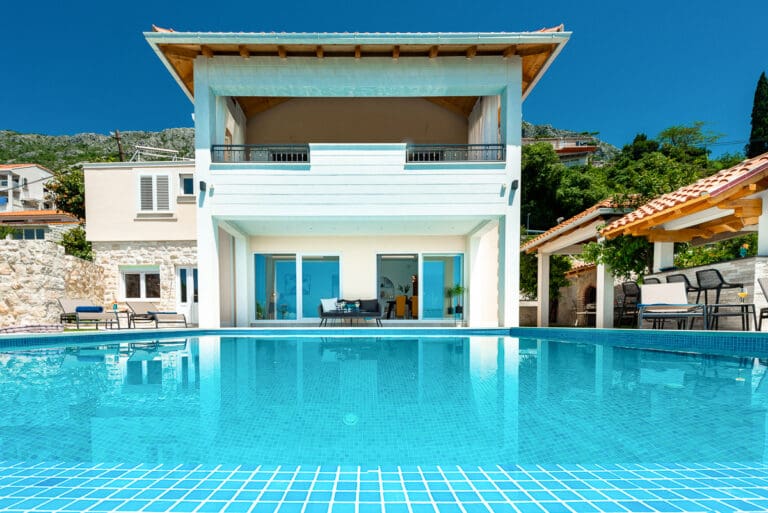
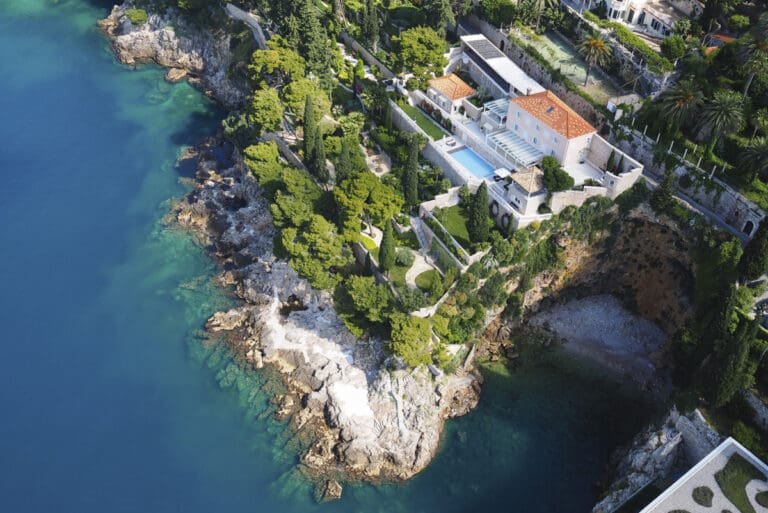
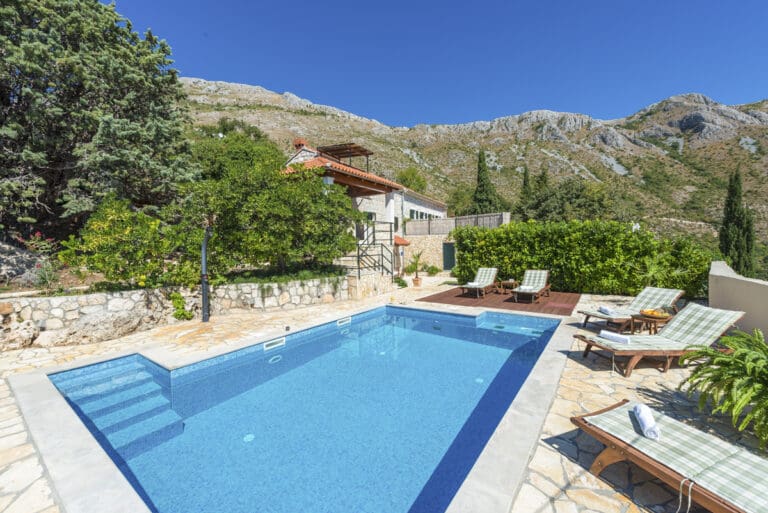
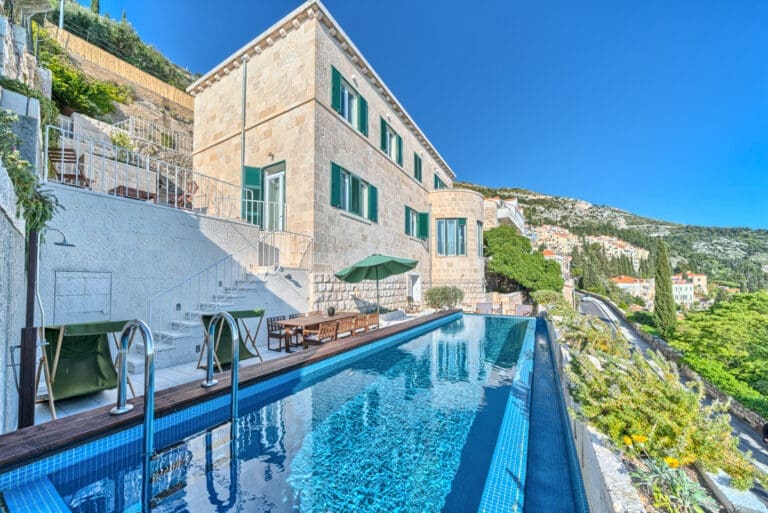
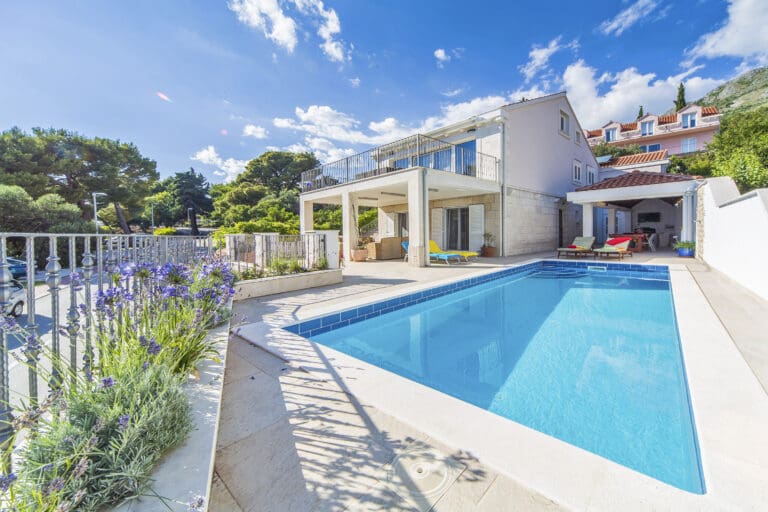
For families planning where to base themselves on this stretch of coast, there are villas in Mlini worth considering.
Mlini Family Holiday FAQs
Is Mlini beach good for young children?
Yes, with caveats. The bay is shallow and calm, which suits paddling and swimming, but the beach is pebble rather than sand, so water shoes make life considerably easier for small feet.
How far is Mlini from Dubrovnik Old Town?
Mlini sits roughly 20 minutes by road from Dubrovnik’s Old Town, and is also connected by local bus service, making day trips straightforward even with children in tow.
What is the best time to visit Mlini with kids?
Late spring and early autumn offer warm sea temperatures with fewer crowds and gentler heat, which tends to suit younger children better than the peak of July and August.
Keep reading
More on Mlini
Guides nearby in Dubrovnik-Neretva County
Where to stay
Villas in Mlini
A selection from our 30 luxury villas in Mlini.

See all 30 villas in MliniVillas across Dubrovnik-Neretva County