Mlini Food & Wine: Dalmatian Seafood, Malvasija & Olive Oil
Mlini’s food and wine centres on Dalmatian coastal cooking – grilled fish, shellfish buzara, octopus salad and black risotto – paired with indigenous wines such as Malvasija Dubrovačka and Plavac Mali. The village itself has a handful of family-run konobas, while the wider Dubrovnik Riviera and Konavle valley supply the region’s olive oil, wine estates and markets. Most food experiences happen a short drive away in Cavtat, Dubrovnik or the Konavle countryside.
What exactly is on the plate in a village so small you could walk its entire waterfront before your espresso went cold? That is the question worth answering before you book a table, because Mlini’s own culinary footprint is modest – a few konobas tucked behind the bay, nothing more – and the real feast lies in the olive groves, vineyards and markets that surround it. This is a guide to eating and drinking your way through the Dubrovnik Riviera with Mlini as your quiet, unhurried base.
Mlini Food and Wine at a Glance
Mlini sits in Župa dubrovačka, a stretch of coast ten minutes south of Dubrovnik and known locally for its olive groves and fishing tradition rather than its restaurant scene. Expect Dalmatian seafood cooking, indigenous white wine from the Dubrovnik area, and day trips to Konavle for olive oil and rakija. Peak dining season runs May to October, with October bringing the olive harvest and the best new-season oil.
Mlini Food: The Regional Cuisine
Dalmatian cooking along this coast is built on restraint rather than invention – good fish, good oil, not much interference. The sea does most of the work. Menus in and around Mlini lean heavily on what came off a boat that morning: sea bream, sea bass, scorpion fish for a proper brodet (fish stew), and the ubiquitous octopus, usually boiled slowly then dressed simply with olive oil, garlic and parsley. Inland a little, towards Konavle, the cooking turns heartier – cured meats, cabbage, and slow-cooked stews that owe more to the Balkans than the Adriatic.
What you will not find much of here is the butter-and-cream heaviness of northern European coastal food. Olive oil is the fat of choice, and a decent amount of it, which is one reason the region’s oil producers take such evident pride in their work. Bread is simple, cheese tends to come from sheep grazed on Pag or further along the coast, and vegetables are whatever is in season – this is not a place for forced strawberries in February.
Signature Dishes to Try Near Mlini
Crni rižot, black risotto made with cuttlefish ink, turns up on almost every local menu and looks considerably more alarming than it tastes – rich, briny, faintly sweet. Buzara, a shellfish dish of mussels or scampi cooked quickly in white wine, garlic, breadcrumbs and tomato, is the dish to order with bread for mopping and no particular dignity. Grilled fish is priced by weight and arrives whole, bones and all, which catches out diners expecting a fillet.
Look out too for pašticada, a Dalmatian beef dish marinated for days and slow-braised in wine and prunes, traditionally served for celebrations and best eaten slowly, ideally after someone else has done the cooking. Konavle’s cured pršut (prosciutto), air-dried on the hillsides inland, is worth seeking out as a starter, alongside soft cheese and a glass of something local before the main event even arrives.
Mlini Food Markets
Mlini has no market of its own to speak of – a village this size rarely does – so the market trip is a short drive north to Dubrovnik’s open-air market, where stalls sell produce from Konavle and the surrounding hills: figs, tomatoes, bunches of herbs, honey, and homemade rakija sold in unlabelled bottles by people who clearly know exactly what proof it is and are not telling. Mornings are the time to go, before the stallholders pack up and the day-trippers arrive from the cruise ships, at which point the market becomes rather more about selfies than shopping.
Smaller roadside stands dot the coast road through Župa dubrovačka itself, selling olive oil, honey and dried figs directly from the producer’s car boot – informal, cash-only, and often the best oil you will taste on the trip.
Wine in Mlini: Dalmatian Grapes Worth Knowing
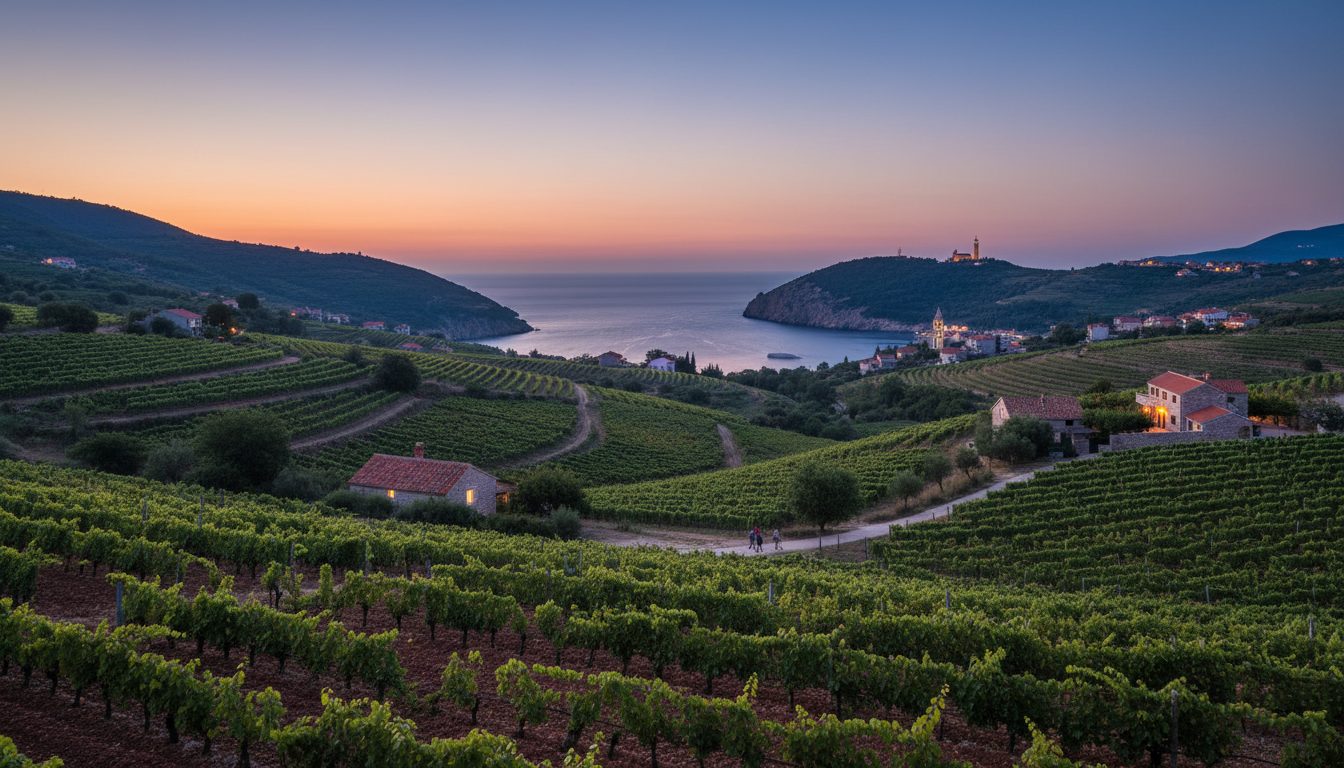
The wine to seek out in this particular corner of Croatia is Malvasija Dubrovačka, an indigenous white grape nearly lost to history before a handful of growers in the Dubrovnik area and Konavle revived it in recent decades. It is dry, mineral and genuinely distinctive – nothing like the Malvasia you might know from Istria or Italy, despite the shared name, which causes no end of confused ordering at dinner.
Reds here are built around Plavac Mali, the backbone red grape of the Dalmatian coast, producing everything from easy-drinking table wine to serious, structured bottles depending on where the vines are grown and how much the winemaker is charging you for the privilege. A glass of either, taken on a terrace above the bay as the light goes gold, requires no further justification.
Wine Estates Near Mlini: Where to Go for a Proper Tasting
For a dedicated wine estate visit, most people base themselves in Mlini and head out for the day – Konavle’s countryside has small family wineries producing Malvasija Dubrovačka and rakija, typically offering tastings by arrangement rather than casual walk-ins. Further afield, the Pelješac peninsula is the serious wine pilgrimage from this part of the coast, home to the steep, sea-facing vineyards that produce Dingač and Postup, both built from Plavac Mali and both requiring a ferry or a long coast road to reach – factor in the best part of a day, and do not plan the drive back yourself if the tasting goes well.
Korčula, reachable by ferry from the mainland further north, is the source of Pošip, the island’s crisp indigenous white, worth the detour if wine is the actual point of your trip rather than an accompaniment to lunch.
Cooking Classes Near Mlini
Cooking classes in this region tend to be small, home-style affairs run from private kitchens or agritourism farms in Konavle, focused on the basics done properly – fish preparation, bread, pasta rolled by hand, and the kind of slow-cooked stews that do not photograph well but taste considerably better than they look. Olive oil tastings, often paired with a short grove walk, are widely available in season and worth doing even if you think you already know what good oil tastes like. You probably do not, not quite.
Seasonal Specialities Near Mlini
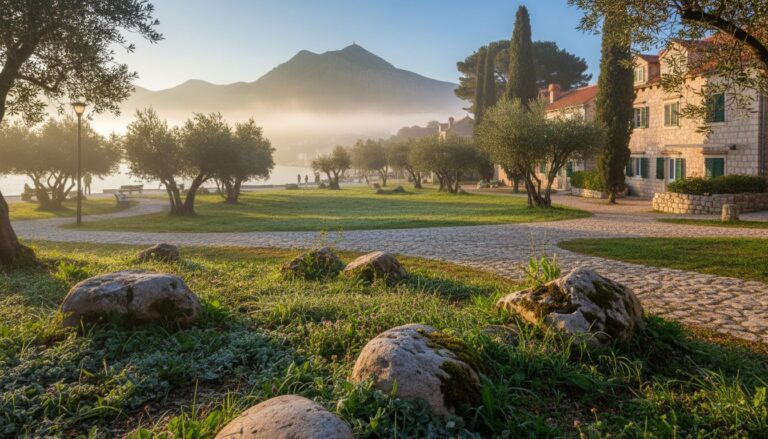
This is not truffle country – that particular indulgence belongs to Istria, several hundred kilometres north, and anyone offering you Dalmatian truffles is probably working from a different menu than the one in front of you. What this coast does have is a proper olive harvest each October and November, when groves across Župa dubrovačka and Konavle are picked and pressed within hours, producing the peppery, green, slightly cloudy new-season oil that locals hoard rather than export. Seafood has its own rhythm too – squid and cuttlefish are best in the cooler months, while the summer sea brings lighter white fish and the kind of grilled dinner best eaten with your feet still sandy from the bay.
Best Food Experiences in Mlini
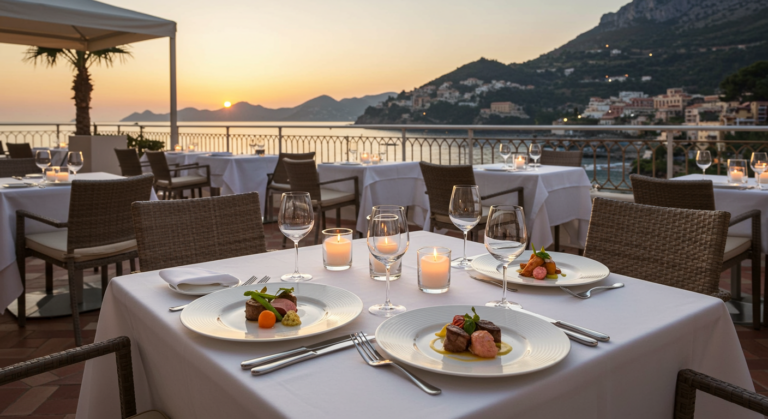
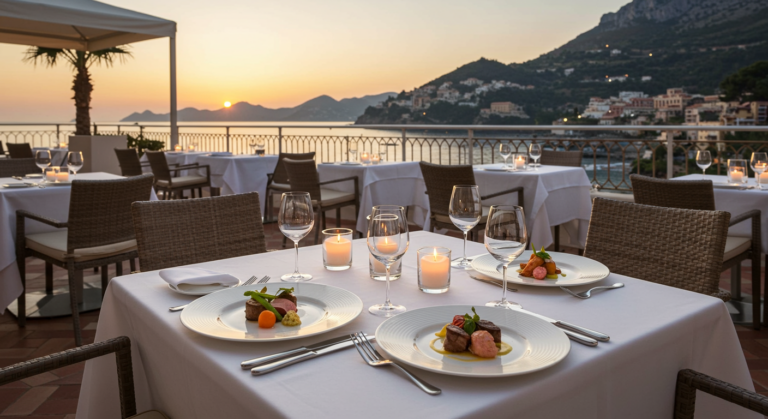
The single best food experience here is also the simplest: a long, slow seafood lunch on a terrace above Mlini’s bay, ordered without much planning, finished with a glass of Malvasija and absolutely no interest in checking the time. Beyond that, a day trip to Konavle for olive oil and cured meats, an evening in Dubrovnik’s old town for a wider choice of kitchens, and – if your schedule and patience allow – a full day out to Pelješac for Dingač round out a proper culinary tour of the region. None of it is rushed. None of it should be.
For more on getting around and what else fills the days here, see the Mlini Travel Guide.
Anyone planning where to stay while exploring this coast can find villas in Mlini.
Mlini Food and Wine FAQs
Is Mlini a good base for food and wine travel in Croatia?
Mlini works well as a quiet base with easy access to Dubrovnik’s markets and restaurants, Konavle’s wine and olive oil producers, and ferry connections for day trips to Pelješac and Korčula. The village itself has limited dining, so most food experiences involve short drives.
What local wine should I try near Mlini?
Malvasija Dubrovačka, an indigenous white grape revived by growers in the Dubrovnik and Konavle area, is the most distinctive local choice. For reds, look for Plavac Mali, the Dalmatian coast’s signature grape variety.
When is the best time to visit Mlini for food and wine?
Late September through November is ideal for olive oil, coinciding with the harvest and new-season pressing. May, June and September offer good restaurant weather without the full heat and crowds of peak summer.
Keep reading
More on Mlini
Guides nearby in Dubrovnik-Neretva County
Where to stay
Villas in Mlini
A selection from our 30 luxury villas in Mlini.
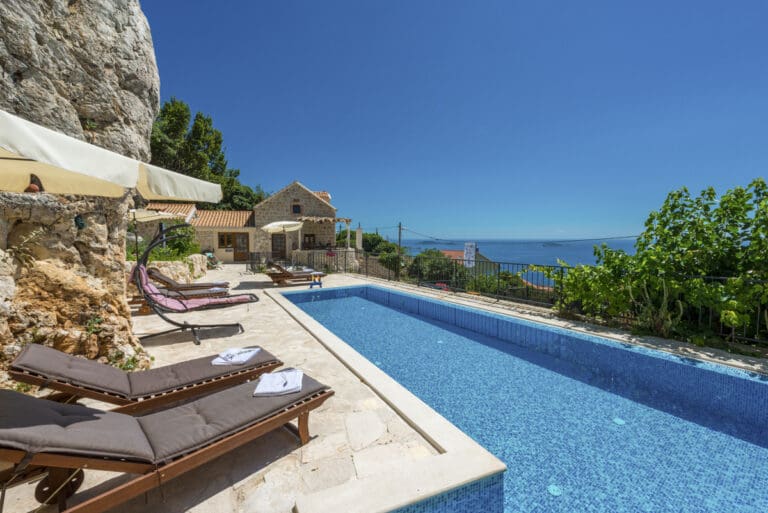 Villa Brovnik Croatia
 Villa Kallista Croatia
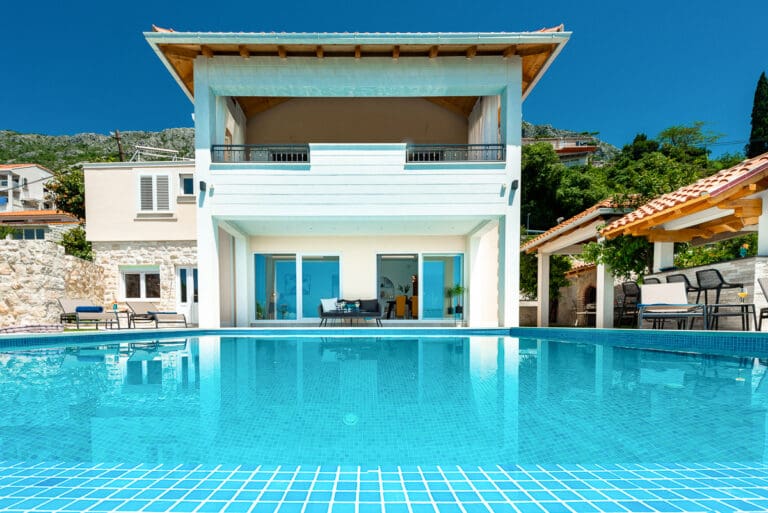 Villa Angeline
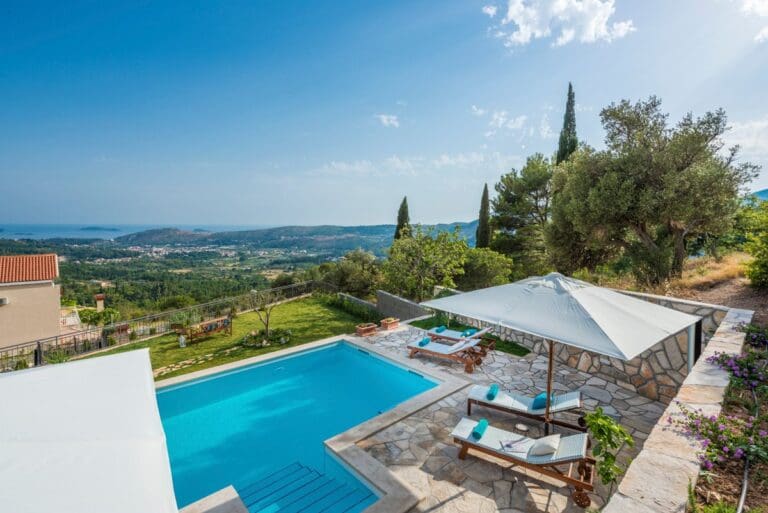 Villa Doride Croatia
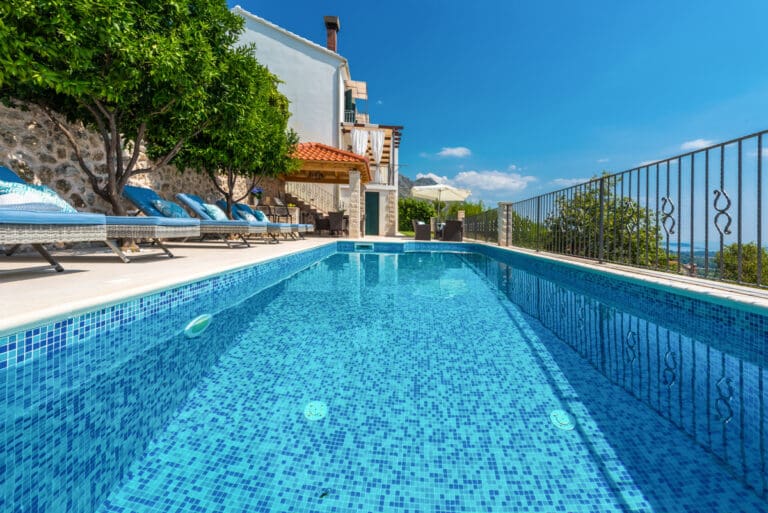 Villa Saulo Croatia
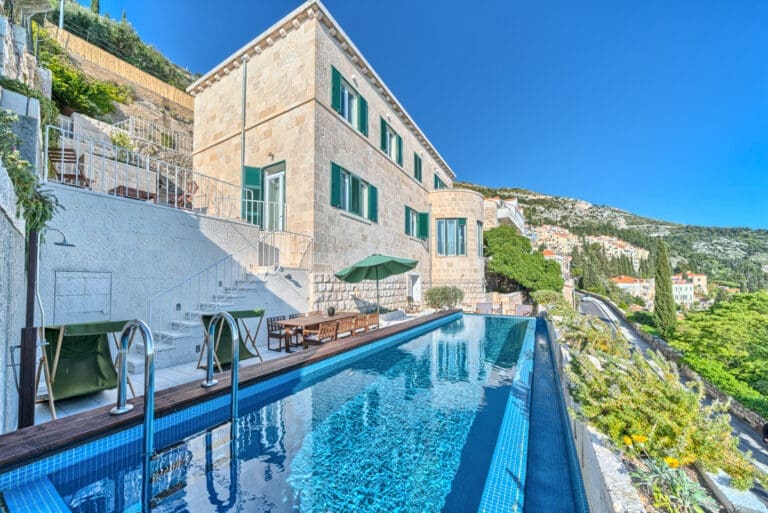 Villa Emaline
See all 30 villas in MliniVillas across Dubrovnik-Neretva County