Best Time to Visit Phang-nga: Karst Bays & Similan Islands
The best time to visit Phang-nga is between November and April, when the seas are calm, humidity drops and the limestone karsts of Phang Nga Bay are at their most photogenic. The hottest, stickiest months run March to May, while June to October brings the southwest monsoon, rougher boat crossings and the lowest prices of the year. Shoulder months – November and February especially – offer the best balance of good weather, manageable crowds and fair rates.
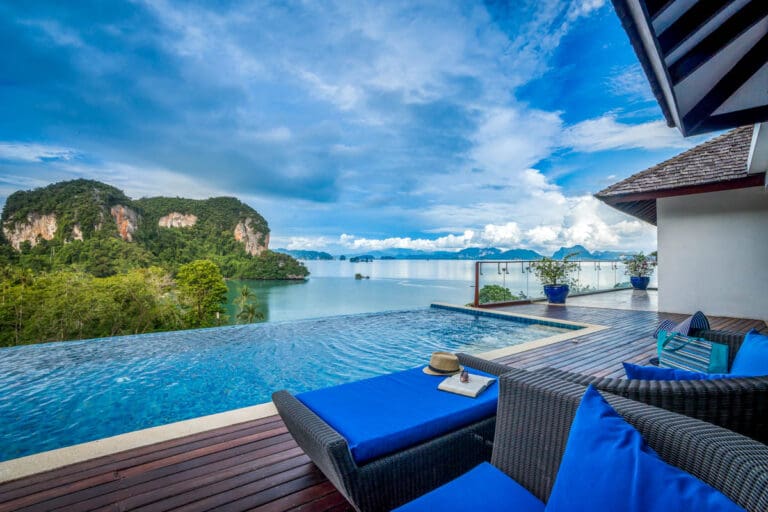
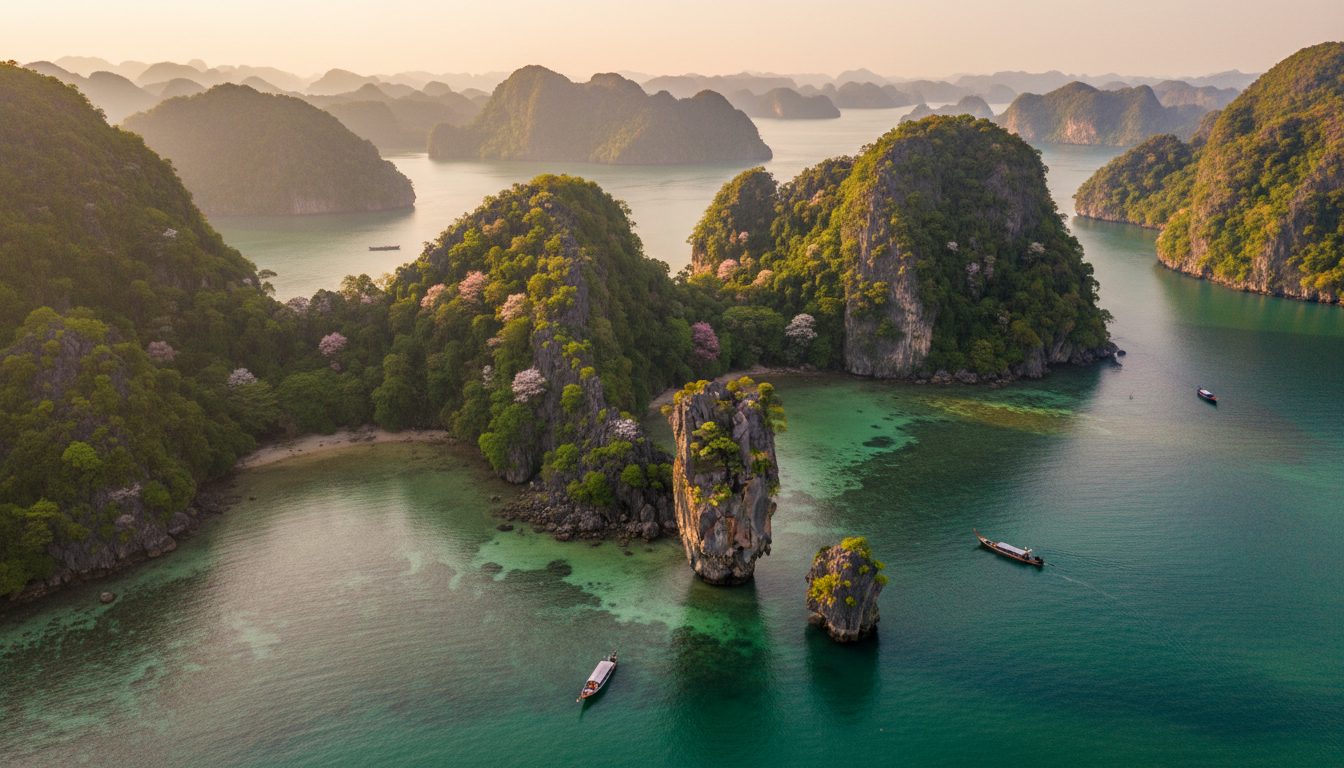
Picture this: it’s just past six in the morning, the air still has that faint cool edge it loses by nine, and the water in Phang Nga Bay is so flat it looks varnished rather than liquid. A longtail boat engine coughs into life somewhere nearby. The limestone karsts – those improbable vertical slabs of rock draped in jungle – rise straight out of the sea like something a film set designer got carried away with, which, famously, one of them was. By midday the light will have flattened and the heat will have arrived with its usual lack of subtlety. But right now, this morning, Phang-nga is doing exactly what it does best.
Getting that morning – rather than a grey, choppy, rain-slicked version of it – is largely a matter of timing. Phang-nga’s weather follows a fairly honest tropical pattern, and once you understand it, the rest of the planning tends to fall into place. For the full picture of what to do once you’ve picked your dates, the Phang-nga Travel Guide covers the ground in more detail.
Best Time to Visit Phang-nga at a Glance
- Peak dry season: December to February – cooler, driest, busiest and priciest
- Hot season: March to May – hazy skies, high heat, fewer tourists
- Green season: June to October – heaviest rain, rough seas off the Andaman coast, lowest prices
- Best shoulder months: November and February – good weather without the full squeeze of high season
- Average temperatures: 24-33°C (75-91°F) year-round, with humidity the real variable
Phang-nga Dry Season (November to February): Cool Mornings and Flat Seas
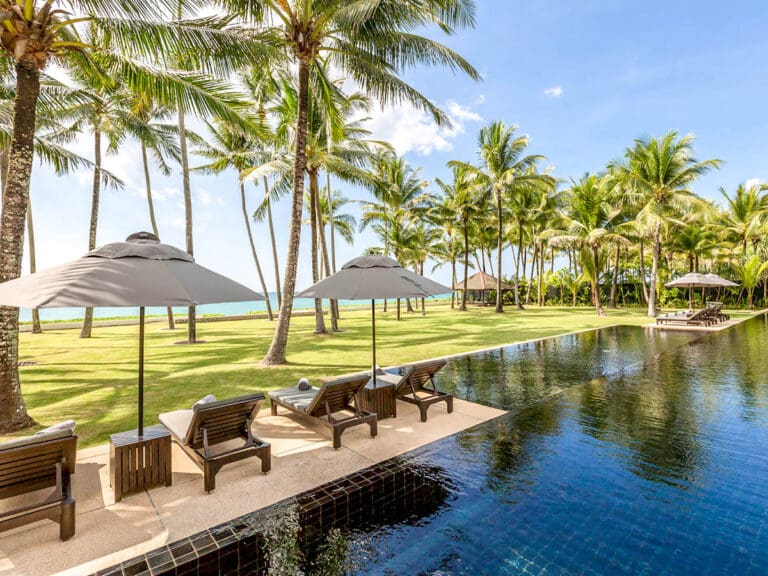
This is Phang-nga at its most cooperative. Daytime temperatures sit around 28-32°C (82-90°F), with evenings dropping to a genuinely pleasant 22-24°C (72-75°F) – the kind of weather that makes you forget you’re meant to be sweating in the tropics. The sea flattens out, visibility underwater improves noticeably, and the karst formations of Phang Nga Bay photograph the way they do in every brochure you’ve ever half-believed.
It is also, unsurprisingly, when everyone else turns up. December and the run-up to New Year sees the sharpest spike in both crowds and prices, particularly around Christmas week, when boat tours fill early and the better-known viewpoints lose some of their calm. January and the first half of February are nearly as good weather-wise with marginally thinner crowds. This stretch suits families, first-time visitors and anyone who wants the postcard version of Phang-nga without gambling on the weather. It does not suit anyone hoping to have a longtail boat to themselves.
Phang-nga Hot Season (March to May): Haze, Heat and the Build-Up
March brings a shift you can feel before you can measure it. Temperatures climb to 32-35°C (90-95°F), occasionally higher inland, and the air thickens with the kind of humidity that makes a cold towel feel like a personal achievement. Some years also bring agricultural haze drifting in from regional burning, which can dull the views across the bay – worth knowing if crystal-clear karst photography is the whole point of your trip.
Crowds thin considerably after the early-March tail-off from high season, and rates on everything from boat charters to accommodation ease downward. April brings Songkran, Thailand’s water festival, which turns coastal towns into joyful chaos for several days – genuinely good fun if you don’t mind being soaked repeatedly by strangers, less so if you’re trying to keep camera gear dry. This season suits heat-tolerant travellers, divers chasing the last of the calmer water before the monsoon arrives, and anyone who prioritises lower prices over perfect comfort.
Phang-nga Green Season (June to October): Rain, Rates and Rough Water
The southwest monsoon arrives in earnest by June, and the character of the place changes. Rain tends to fall in short, heavy bursts rather than settling in for the day, often in the late afternoon, leaving mornings surprisingly clear. Temperatures hold steady at 27-31°C (81-88°F), but humidity and cloud cover make it feel heavier underfoot. Seas on the Andaman side turn choppier, and boat trips out to the more exposed islands become less reliable – some operators scale back or pause these routes altogether when conditions turn, so it is worth checking locally before building a trip around a specific outer-island crossing.
What green season lacks in postcard seas it makes up for in value and solitude. Hotel and tour prices drop to their lowest point of the year, the landscape turns a deeper, more saturated green, and the famous karsts and floating villages are noticeably quieter. This is the season for travellers who don’t mind a wet afternoon in exchange for empty viewpoints and a smaller bill – divers and hardcore sun-seekers should look elsewhere, but photographers chasing dramatic skies tend to do rather well.
Phang-nga Shoulder Season: When to Get the Best of Both
November and the second half of February are, in practical terms, the sweet spot. By November the monsoon has largely cleared, the sea has settled, and the crowds that will arrive for December haven’t yet. Temperatures are comfortable – 27-31°C (81-88°F) – and prices sit well below the December-January peak. Late February offers a similar window before the real heat of March sets in, with the added bonus of noticeably lighter boat traffic around Phang Nga Bay.
These windows suit travellers who want good weather without competing for space on every longtail boat or viewpoint, and who would rather not pay peak-season rates for the privilege. It is, if you’re asking, the answer most seasoned visitors quietly give when pressed on the best time to visit Phang-nga – they just don’t always say it loudly, for obvious reasons.
Phang-nga Festivals and Events Worth Timing Your Trip Around
Songkran in mid-April is the big one – the Thai New Year water festival turns streets and public spaces into good-natured water fights for several days, with genuine local celebration alongside the tourist participation. It’s worth embracing rather than avoiding, though expect closures and disruption to normal schedules during the main days. Regional temple fairs and local festivals also take place through the year at smaller scale, often tied to the Buddhist calendar, and tend to be more about community celebration than spectacle – charming if you stumble across one, not worth restructuring a whole trip around.
For travellers weighing up where to base themselves once the dates are settled, there’s a straightforward overview of villas in Phang-nga.
Phang-nga Weather and Seasons FAQs
What is the rainiest month in Phang-nga?
September and October typically see the heaviest and most consistent rainfall, with August close behind. Rain usually arrives in concentrated afternoon or evening downpours rather than all-day drizzle, so mornings often remain usable for sightseeing.
Is it safe to visit Phang-nga during the monsoon season?
Yes, the region remains fully functional during the monsoon, though sea conditions can turn rough enough that some boat operators adjust or suspend trips to more exposed outer islands. It’s sensible to check conditions locally before booking any longer boat crossing during these months.
Which months have the clearest water for snorkelling or diving around Phang-nga?
Visibility is generally best during the dry season, from roughly December through April, when calmer seas allow sediment to settle and sunlight penetrates further underwater. Conditions deteriorate progressively through the monsoon months as rain and swell stir up the water.
Keep reading
More on Phang-nga
- Travel guidePhang-nga Travel Guide
- RestaurantsBest Restaurants in Phang-nga
- Food & winePhang-nga Food & Wine
- FamiliesPhang-nga with Kids
Guides to places in Phang-nga
Where to stay
Villas in Phang-nga
A selection from our 72 luxury villas in Phang-nga.