Best Time to Visit Porto: Port Lodges, Azulejos & Douro Light
The best time to visit Porto is during the shoulder seasons of April to June and September to October, when daytime temperatures sit between 18-24°C (64-75°F), rainfall is lower than in winter, and the crowds are thinner than at the height of summer. July and August are the hottest and busiest months, with temperatures regularly above 28°C (82°F), while December to February is the coolest, wettest and cheapest stretch of the year.
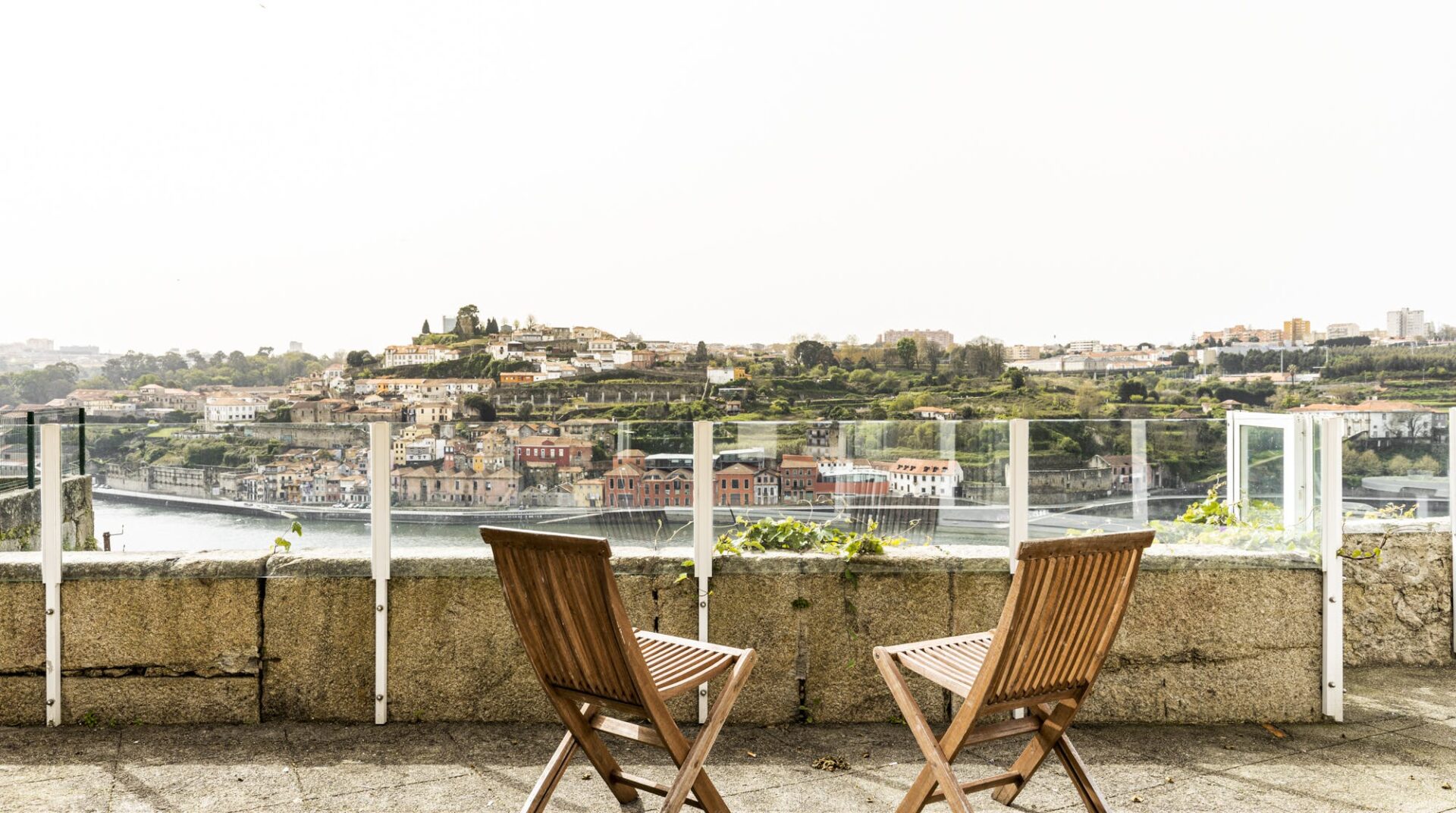
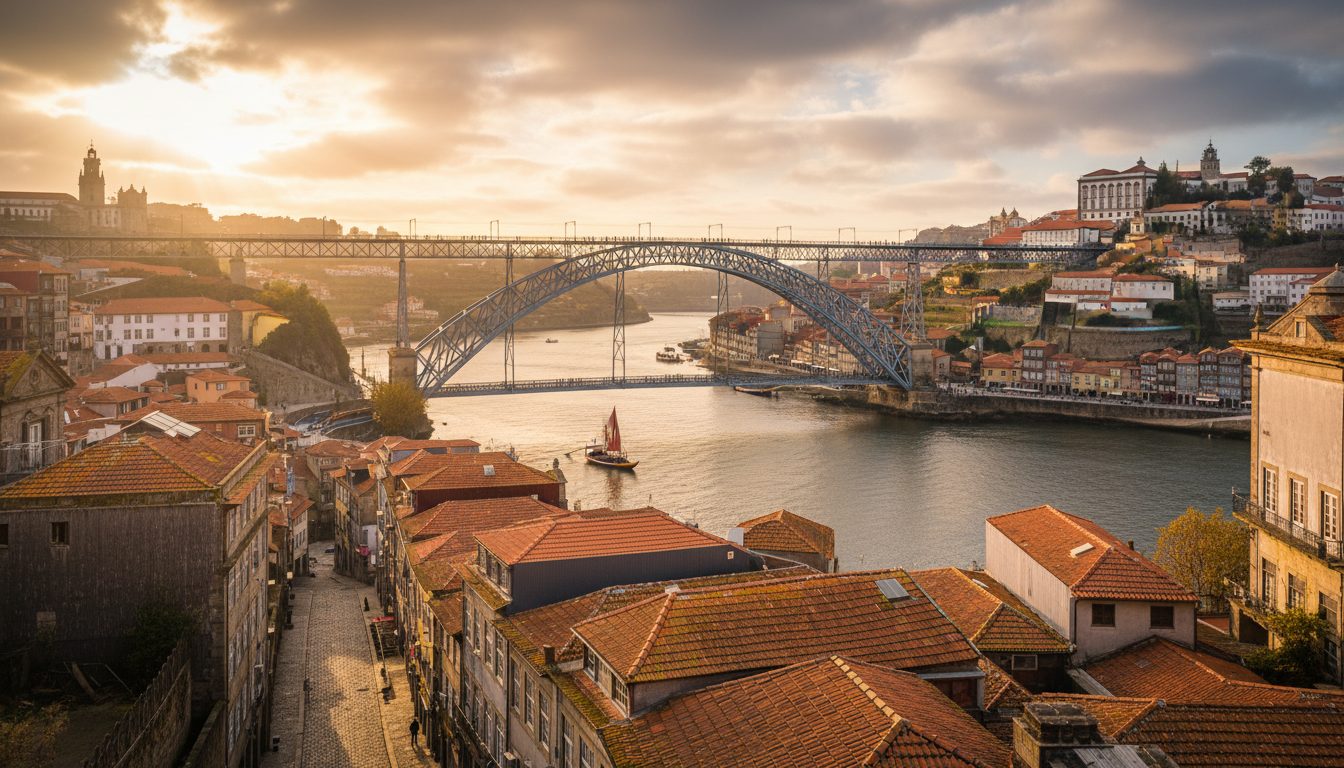
Here is the best day Porto has to offer, and it happens more often than the guidebooks let on. It’s a Tuesday in late May, somewhere around nine in the morning, and the light coming off the Douro has that particular pewter-gold quality that makes everyone with a phone camera stop walking entirely, to the quiet fury of everyone behind them. The azulejo tiles on the facades along the Ribeira are still cool to the touch. A rabelo boat, the old flat-bottomed kind that once hauled port wine barrels down from the Douro valley, drifts past more or less for show now, though nobody minds. By lunchtime it’s warm enough for a table outside but not so hot that the wine goes warm faster than you can drink it. This is the Porto that sells postcards, and for about eight weeks of the year, it’s also just Tuesday.
Best Time to Visit Porto at a Glance
Spring (April to June) and early autumn (September to October) offer the clearest skies with the fewest extremes, April and May averaging 15-20°C (59-68°F) and September holding onto summer warmth nearer 22°C (72°F). Summer, July to August, is reliably dry and hot, often 25-30°C (77-86°F), and it’s when Porto fills up, particularly around the Sao Joao festival in June. Winter, December to February, is mild by northern European standards but genuinely wet, averaging 9-14°C (48-57°F) with the city’s famous grey Atlantic drizzle. For context on the wider city before you commit to dates, the Porto Travel Guide covers neighbourhoods, food and getting around in more depth.
Porto Weather in Spring (March to May)
Spring arrives in Porto somewhat tentatively. March can still be chilly and unpredictable, averaging 10-15°C (50-59°F) with a reasonable chance of rain blowing in off the Atlantic sideways, as it tends to do here. By April the city warms to 13-18°C (55-64°F), and May is when Porto really starts to perform, reaching 16-21°C (61-70°F) with long dry spells and that low, flattering light photographers chase without quite admitting it.
Crowds are moderate and build steadily through the season. Easter week is an exception, when hotels fill and prices climb noticeably, so plan around it rather than through it if you can. Otherwise spring is comfortable: restaurants, port wine lodges and river cruises are all fully operating, outdoor terraces reopen properly, and the Douro valley day-trip crowd hasn’t yet reached its summer saturation point. This is the season that suits walkers, photographers and anyone who finds Porto’s steep hills considerably more forgiving at 17°C than at 32°C – which is most people, frankly.
Porto Weather in Summer (June to August)
Summer in Porto is warm rather than scorching, at least by the standards of Lisbon or the Algarve further south. June averages 18-24°C (64-75°F) and is dominated by the Sao Joao festival on the night of the 23rd, when the entire city turns out with plastic hammers, grilled sardines and fireworks over the Douro, and anyone hoping for a quiet night’s sleep near the Ribeira should book elsewhere or simply surrender to it. July and August push temperatures to 22-29°C (72-84°F), occasionally higher during heatwaves, with long dry days and minimal rainfall.
This is peak season by every measure: hotel rates rise, river cruises sell out earlier, and the Ribeira waterfront gets genuinely crowded with both tourists and tour groups. It’s the easiest time to swim at the city beaches near Foz do Douro and the only season when a late-evening drink by the river feels less like weather defiance and more like the obvious plan. It suits travellers who want reliable sunshine and don’t mind sharing the view with several thousand others taking the same photograph of the Dom Luis I bridge.
Porto Weather in Autumn (September to November)
September is arguably Porto’s best-kept secret, holding summer’s warmth (20-25°C, 68-77°F) while the crowds thin noticeably after the school holidays end. It also coincides with the grape harvest, or vindima, in the Douro valley upriver, making it a strong month for anyone combining the city with a wine region visit. October cools gently to 16-21°C (61-70°F) and brings some of the clearest, most photogenic light of the year, before November turns properly autumnal, dropping to 11-16°C (52-61°F) with increasing rain.
Prices ease from the summer peak through September and fall further by November, and restaurant tables that required planning in August become available on a whim. Port wine lodges across the river in Vila Nova de Gaia run tastings and tours throughout, unaffected by season, which makes autumn a sound choice for anyone whose itinerary revolves largely around port, custard tarts and not queuing. It suits travellers who want Porto at something closer to its working temperature – still lively, no longer performing for peak season.
Porto Weather in Winter (December to February)
Winter is Porto’s honestly reported weakness, weather-wise, and also its best value. December averages 9-14°C (48-57°F), January and February similarly mild but wetter, with the city receiving its heaviest rainfall of the year. It rarely snows and frost is unusual, but the Atlantic drizzle has a persistence that can outlast an umbrella’s patience. Short days mean sunset arrives by 5:30pm in December, which does at least make the riverside Christmas lights and New Year fireworks over the Douro feel appropriately dramatic.
Crowds thin dramatically, hotel rates drop to their lowest point of the year, and the city’s museums, port wine lodges and restaurants remain fully open, giving winter visitors the curious experience of having Porto largely to themselves. Fantasporto, the city’s long-running film festival, runs in February and adds a cultural anchor to an otherwise quiet month. Winter suits travellers prioritising value and solitude over guaranteed sunshine, and anyone who has already seen Porto in high summer and would rather see it without the crowds this time.
Shoulder Season in Porto: The Smart Traveller’s Window
If there’s a single answer to the best time to visit Porto, it sits in the shoulder seasons – late April through June, and September into October. Weather is warm but rarely oppressive, rainfall is low without summer’s total dryness, and the city operates at something close to full capacity without the bottlenecks of July and August. Hotel prices sit comfortably below peak summer rates, river cruise availability is easier to secure on short notice, and the Ribeira’s narrow lanes are walkable rather than congested.
These months also line up well with the Douro valley’s own calendar: May and June for green vineyard terraces, September for the harvest itself, both easy day trips or overnight extensions from the city. For travellers trying to balance weather, cost and crowd levels against each other, rather than optimising for just one, shoulder season is the pragmatic middle ground that experienced Porto visitors tend to return to.
Off-Season Porto: The Case for Winter
There’s a reasonable argument for visiting Porto precisely when the guidebooks suggest you shouldn’t. Winter strips away the queues at the port wine lodges, the scrum for river cruise tickets and the inflated accommodation rates, leaving a city that functions much as it does for the people who actually live there. The rain is real, and it would be dishonest to pretend otherwise, but it rarely lasts all day, and a wet Tuesday in Porto spent moving between tasca lunches and tiled churches is no great hardship.
Off-season travel also suits those building a trip around food and wine rather than beaches or long walks, since port wine production, tasting and the city’s restaurant scene continue unaffected by weather. It’s the season for travellers who’d rather negotiate an umbrella than a tour group, and who understand that a grey sky over the Dom Luis I bridge still makes for a decent photograph – arguably a more honest one.
Once you’ve settled on a season, the next decision is where to stay, and a look at villas in Porto is a sensible place to start.
Porto Weather and Seasons FAQs
Does it rain a lot in Porto?
Porto is wetter than southern Portugal, with its heaviest rainfall between November and March. Summer months, June to August, are reliably dry, while spring and autumn see occasional showers that rarely last a full day.
What is the hottest month in Porto?
July and August are the hottest months, with average highs between 25-29°C (77-84°F) and occasional heatwaves pushing temperatures higher, though Porto stays noticeably cooler than Lisbon or the Algarve in summer.
Is Porto worth visiting in winter?
Yes, winter in Porto brings mild temperatures, low prices and thin crowds, with port wine lodges, restaurants and museums open as usual. The main trade-off is frequent rain and short daylight hours rather than cold.
Keep reading
More on Porto
- Travel guidePorto Travel Guide
- RestaurantsBest Restaurants in Porto
- Food & winePorto Food & Wine
- FamiliesPorto with Kids
Guides nearby in Portugal
Where to stay
Villas in Porto
A selection from our 90 luxury villas in Porto.