Best Time to Visit Redcar and Cleveland: Saltburn Pier & Sea Mist
The best time to visit Redcar and Cleveland is late spring (May) or early autumn (September), when temperatures sit around 15-17°C (59-63°F), crowds are thin and sea mist is least likely. Summer (July-August) brings the warmest weather but also the North Sea’s famous “fret,” a cold mist that can roll in without warning. Winter is quiet and bracing, good for storm-watchers and those who prefer their beaches entirely to themselves.
Here is the thing nobody tells you about this stretch of the Yorkshire coast: the hottest day of the English summer, the one making headlines on the news with people frying eggs on pavements somewhere down south, can arrive in Redcar wrapped in a fog so thick you’d need a foghorn to find the pier. Locals call it a “fret” – a cold sea mist that rolls in off the North Sea with almost gleeful indifference to whatever the rest of the country is doing, weather-wise. It is the great leveller of Teesside summers, and it means that picking the best time to visit Redcar and Cleveland is less about chasing heat and rather more about understanding a coastline with its own climatic opinions.
Best Time to Visit Redcar and Cleveland: At a Glance
May, June and September offer the most reliable combination of mild weather, lower crowds and fully open attractions. July and August are warmest but busiest, especially around Saltburn-by-the-Sea and Redcar’s seafront, and most prone to fret. Winter (December to February) is cold, often windy, and distinctly off-season, which some travellers will find exactly the point. For more on the wider area, see the Redcar and Cleveland Travel Guide.
Spring in Redcar and Cleveland: March, April and May
Spring arrives slowly on this coast, with March still carrying a chill – highs of 9°C (48°F), lows around 3°C (37°F) – and winds that make the seafront promenade feel like a bracing lesson in meteorology. By April, temperatures climb to 12°C (54°F), daffodils appear along Kirkleatham’s grounds, and the Cleveland Way National Trail begins to fill with walkers rather than just the hardy dog-walking regulars who use it year-round.
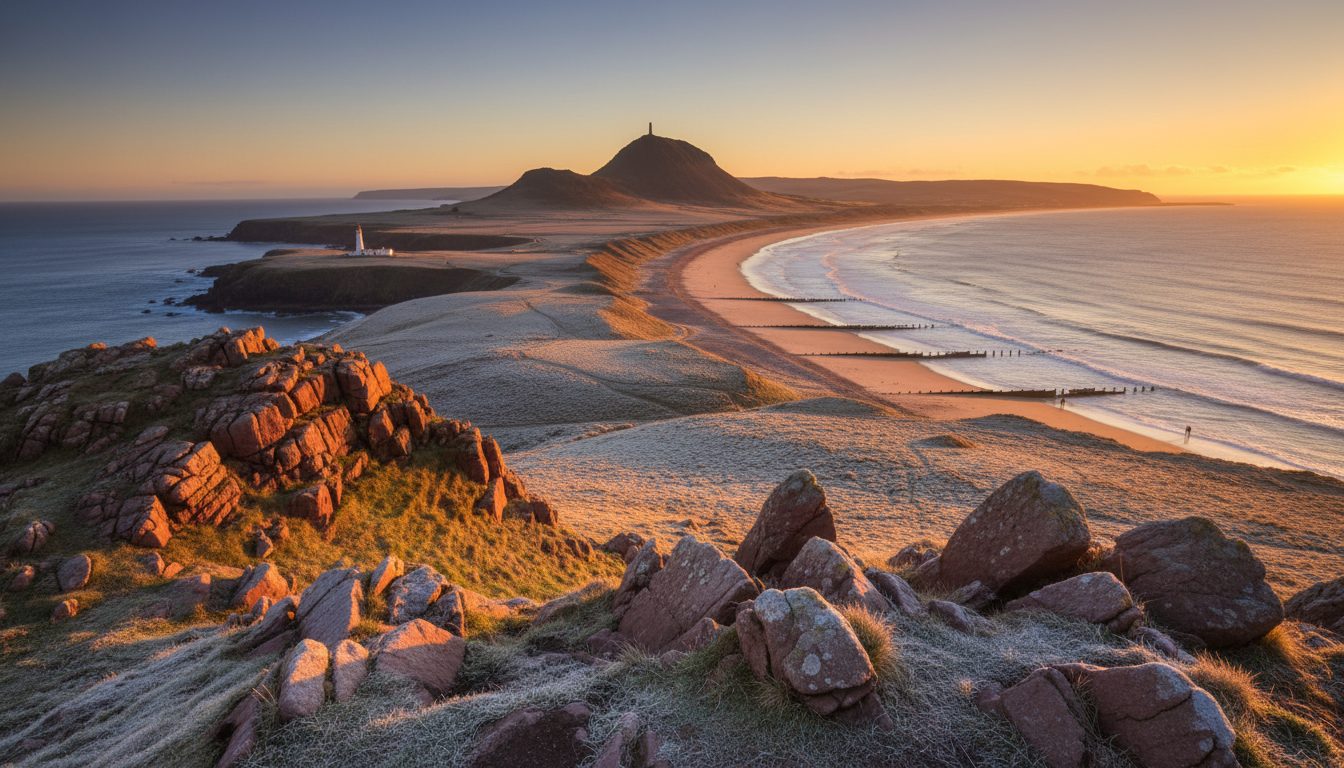
May is where spring earns its keep: highs of 15°C (59°F), lows of 8°C (46°F), and noticeably longer daylight. The beaches at Redcar and Saltburn are at their most photogenic without yet being crowded, and the Saltburn Cliff Lift – the water-balanced Victorian funicular connecting the clifftop to the pier – runs without queues. Accommodation prices sit comfortably below summer peaks, and most seasonal attractions, cafes and the Zetland Lifeboat Museum are open for the year. Spring suits walkers, photographers and anyone who wants Saltburn’s pier without three hundred other people wanting the same photograph.
Summer in Redcar and Cleveland: June, July and August
June brings the warmest reliable stretch before the fret season properly kicks in: highs of 17°C (63°F), lows of 11°C (52°F), and the longest days of the year. July and August push to 19°C (66°F) at best, with overnight lows around 13°C (55°F) – respectable by North Sea standards, if never quite tropical.
This is peak season. Redcar Racecourse runs its busiest summer meetings, Saltburn’s seafront and food-focused festival calendar draw day-trippers from across Teesside and North Yorkshire, and the beaches – genuinely long, flat and sandy, better suited to kite-flying and sand-yachting than sunbathing on a windy day – fill up on anything resembling a fine weekend. Prices for whatever accommodation exists locally rise accordingly, and parking near Redcar’s seafront becomes a minor sport in itself.
Summer suits families with children who want long beach days, event-chasers who want festivals and racing, and anyone happy to accept that a fret might descend mid-picnic with no warning whatsoever. It is not the season for solitude.
Autumn in Redcar and Cleveland: September, October and November
September is arguably the best-kept secret on this coast: highs of 17°C (63°F), the sea still holding its summer warmth, crowds thinning noticeably after the school holidays end, and the fret far less frequent than in high summer. It is shoulder season at its most rewarding – restaurants and attractions still fully operational, prices easing, and the light along Huntcliff turning genuinely flattering for photography.
October cools to 13°C (55°F) with increasingly dramatic skies, good for walkers tackling the Cleveland Way or the Guisborough Forest and Walkway toward Highcliff Nab. November drops further to 9°C (48°F), days shorten sharply, and several seasonal cafes and attractions begin reduced winter hours or close altogether until spring. Autumn suits travellers who want the North Sea coast in a reflective mood – fewer people, softer light, and a sea that has not yet turned properly hostile.
Winter in Redcar and Cleveland: December, January and February
Winter here is not subtle. Expect highs of 7°C (45°F) and lows close to freezing at 2°C (36°F), frequent rain, and wind off the North Sea that treats umbrellas as a personal challenge. Daylight is short, several seasonal attractions close or run reduced hours, and the seafront can feel – deliberately or not – like something out of a Victorian ghost story.
And yet winter has a case to make. Storm-watching along Redcar’s seafront and Saltburn’s cliffs is a genuine, if niche, pastime: the waves in a January gale are more dramatic than anything summer manages. December brings Christmas lights switch-ons and a seasonal warmth to the smaller towns that belies the actual temperature. Prices are at their lowest, crowds at their thinnest, and the beaches – all of them – entirely your own. Winter suits the traveller who finds a deserted, wind-lashed beach more interesting than a crowded one, and who packs accordingly (proper waterproofs, not the jacket that worked fine in Nice).
Best Time to Visit Redcar and Cleveland for Shoulder Season Travel
If there is one piece of advice worth taking from this guide, it is to travel in late May, June or September. These months deliver the best ratio of good weather to manageable crowds, keep prices below peak summer rates, and avoid both the fret’s worst excesses and winter’s genuine chill. Attractions remain open, the Cleveland Way is at its most walkable, and Saltburn’s pier photographs beautifully without a queue for the cliff lift behind you. Shoulder season is, frankly, where this coastline does its best work.
Best Time to Visit Redcar and Cleveland: The Case for Off-Season
Off-season Redcar and Cleveland – essentially November through February – rewards a particular kind of traveller: one who wants empty beaches, dramatic skies, low prices and no interest whatsoever in sunbathing. Storm-watching, long bracing walks along Huntcliff, and quiet museum visits without queues all suit the colder months. It will not suit anyone hoping for beach weather, open-air festivals or long café terraces, but for solitude and value, winter here delivers both without apology.
Wherever your dates fall, this is a good place to start: villas in Redcar and Cleveland.
Redcar and Cleveland Weather and Seasons FAQs
What is a sea fret and when does it happen in Redcar and Cleveland?
A sea fret is a cold, low-lying mist that rolls in off the North Sea, most common along this coast between May and August when warm land air meets cooler sea temperatures. It can appear suddenly, even on an otherwise warm day, and typically clears by afternoon, though not always.
Is Redcar and Cleveland a good destination outside summer?
Yes. Spring and autumn offer milder crowds and lower prices while keeping most attractions open, and winter suits travellers interested in storm-watching, quiet beaches and walking the Cleveland Way without company.
What should I pack for a trip to Redcar and Cleveland?
Layers and a proper waterproof are essential year-round, given the wind and the North Sea’s habit of producing fret even in summer. Sturdy footwear is worth bringing if you plan to walk sections of the Cleveland Way or the cliffs around Saltburn and Huntcliff.
Keep reading
More on Redcar and Cleveland
Guides nearby in United Kingdom
Where to stay
Villas in Redcar and Cleveland
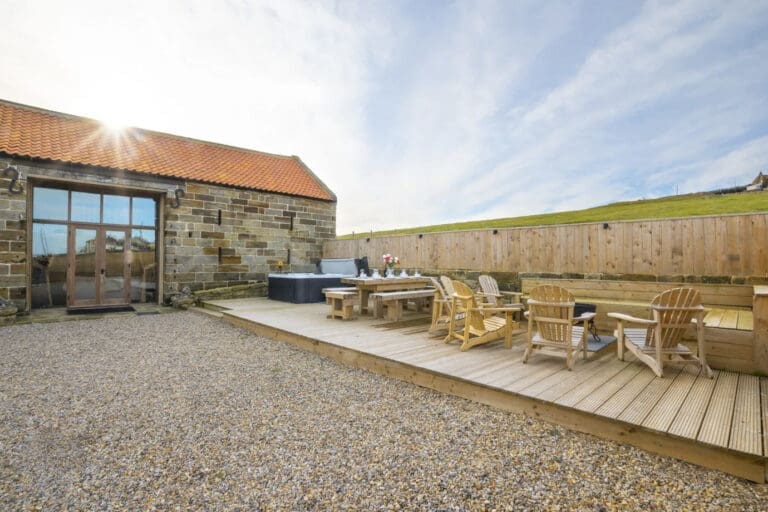
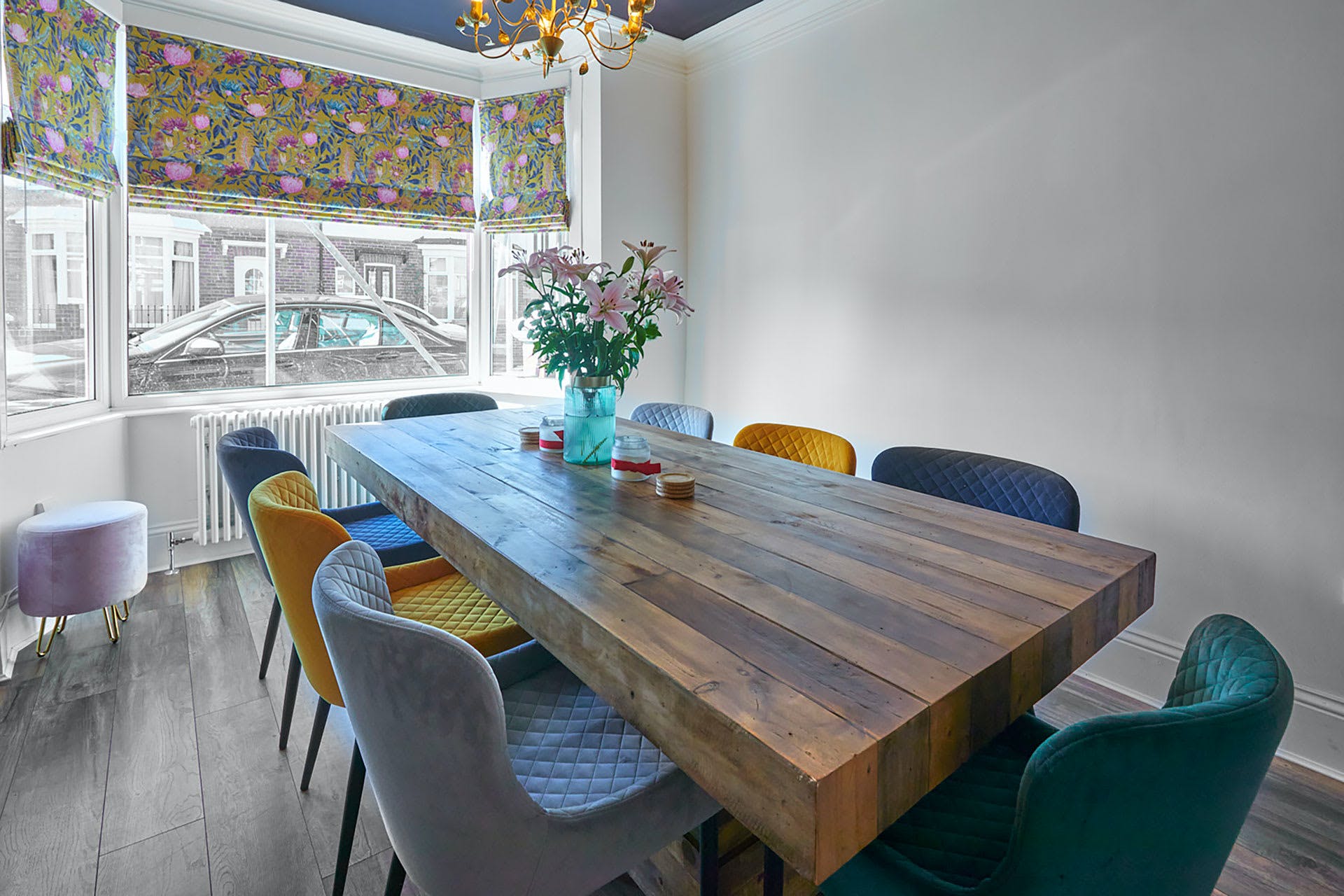
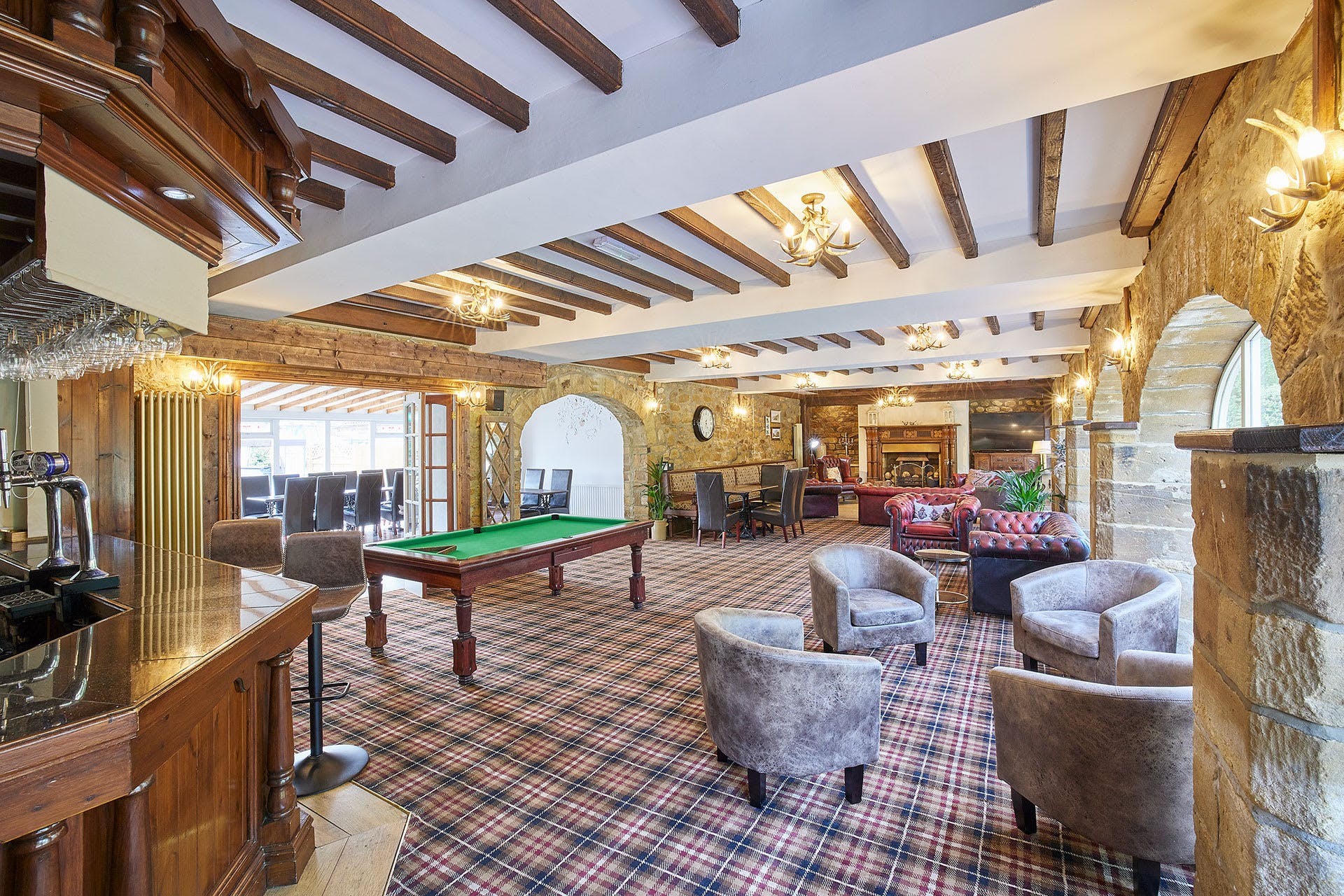
A selection from our 3 luxury villas in Redcar and Cleveland.