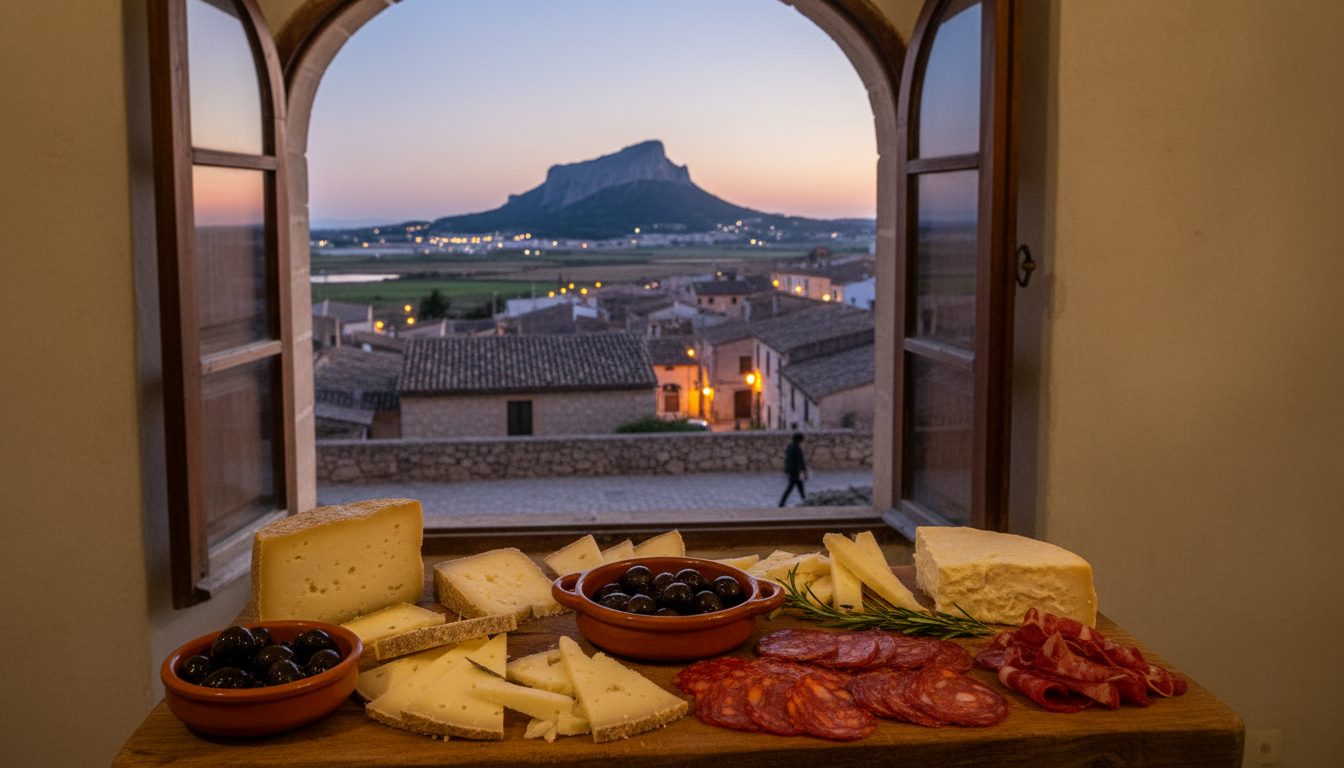
Sa Pobla Food & Wine: Potatoes, Sausages, Eels & Vermut
Sa Pobla is an inland agricultural town in northern Mallorca known for its potato farming, pork-based sausages such as botifarró and camaiot, and eel dishes drawn from the nearby Albufera wetlands. The town also keeps a strong vermouth tradition, with long-running bars still serving vermut as a proper midday ritual. Its Sunday market remains one of the more genuine food markets on the island, selling what people actually eat rather than what tourists are meant to buy.
Most Mallorcan towns sell themselves on the sea. Sa Pobla has never had to bother. It sits inland, flanked by potato fields and the marshy expanse of the Albufera, and has built its reputation on things that don’t photograph especially well but taste considerably better than they look – eel stew, cured pork, and a glass of something bitter at eleven in the morning. This is not a coastal food culture dressed up for visitors. It’s a working agricultural town that happens to feed itself extraordinarily well, and has done so for centuries without feeling any particular need to explain itself.
Sa Pobla Food and Wine at a Glance
- Signature produce: potatoes, pork sausages (botifarró, camaiot, sobrassada), eel from the Albufera wetlands
- Best known drink: vermut, served as a midday aperitif rather than an evening cocktail
- Market day: Sunday, in the town centre, since the 14th century
- Seasonal highlight: the winter matances (pig slaughter season) and the spring potato harvest
- Nearest wine country: Binissalem, a short drive south
Local Cuisine in Sa Pobla: Potatoes, Pork and the Inland Mallorcan Table
Sa Pobla’s cuisine makes more sense once you understand the geography. This is flat, fertile farmland bordering a wetland reserve, which means the local table has historically run on two things: whatever grows in the fields, and whatever comes out of the marsh. The result is a food culture built on potatoes, pork and freshwater fish rather than the grilled sardines and fresh seafood you’ll find along the coast twenty minutes away.
The potato deserves its billing. Sa Pobla has grown them commercially since the early twentieth century, with a particular variety exported to the United Kingdom each spring as “early new potatoes” – a fact that surprises most British visitors who assumed their Sunday roast potatoes had never been anywhere more exotic than Lincolnshire. Pork, meanwhile, underpins nearly everything else on the menu, from the sausages sold at market stalls to the slow-cooked stews that appear on winter menus across the town.
Signature Dishes in Sa Pobla
Start with botifarró, a dark, coarsely textured blood sausage usually grilled and served simply, and camaiot, a softer, paler sausage made from minced pork and pepper that’s typically poached rather than fried. Both are local specialities tied to the winter matances tradition, and both turn up on market stalls and in local bars without much ceremony – this is food that doesn’t need introducing to the people eating it.
Then there’s anguila, eel from the Albufera wetlands, usually served amb salsa (in a rich, dark sauce built on almonds, garlic and sometimes chocolate) or fried simply with garlic. It’s an acquired dish for some visitors, less so for anyone who grew up near a wetland and understands that eel, properly cooked, is nothing like its reputation. Round things out with frit mallorquí, a hearty fry-up of offal, potato and vegetables that exists in roughly a hundred household variations, each one apparently the only correct one.
Sa Pobla Wine and Local Producers
Sa Pobla itself is not a wine town, and it would be dishonest to pretend otherwise. The soil here is better suited to potatoes than vines, and the serious wine-growing happens elsewhere on the island. What Sa Pobla does have is a genuine drinking culture built around vermut – a herbal, slightly bitter fortified wine traditionally mixed with soda and served with olives and a small plate of something salty, ideally before noon rather than after. Several long-standing bars in town still treat this as a daily appointment rather than a novelty, which tells you something about how seriously the ritual is taken locally.
For actual wine, Mallorca’s two recognised regions – Binissalem and Pla i Llevant – sit to the south and east of Sa Pobla respectively, and most of the island’s dedicated wineries are found there rather than within the town itself. Locally produced wine does appear on Sa Pobla’s restaurant lists, usually from small family bodegas working with native grape varieties such as Manto Negro and Callet, but this is a town that drinks what’s nearby rather than what it makes.
Estates to Visit Near Sa Pobla
If a proper winery visit is part of the plan, it’s worth treating it as a short excursion rather than something within walking distance of Sa Pobla. The Binissalem wine region, a manageable drive south, is home to a cluster of family-run estates with tasting rooms, vineyard tours and the kind of unhurried cellar visits that reward turning up without a schedule. Expect small-scale operations rather than grand chateaux – most are modest, working farms that happen to also bottle excellent wine, and most welcome visitors by appointment rather than walk-in.
Closer to home, Sa Pobla’s own contribution to a wine-and-food day out is less about estates and more about pairing – a plate of local sausage, a glass of something from Binissalem, and no particular urgency to be anywhere else. It is, in its way, the more honest version of the wine tour.
Food Markets in Sa Pobla
The Sunday market in Sa Pobla has been running in some form since the fourteenth century, and it still functions primarily as a place where local people buy local food – a distinction worth noting, because plenty of “traditional markets” elsewhere on the island have long since reorganised themselves around sunhats and fridge magnets. Here, stalls sell potatoes straight from the surrounding fields, cured sausages, cheeses, fresh produce and the kind of unglamorous household goods that tourists rarely photograph but locals genuinely need.
It’s worth arriving reasonably early, both to beat the heat and to catch the market at its most functional – by late morning it thins out considerably, and the best produce tends to have already found its way into someone’s shopping bag.
Cooking Classes in Sa Pobla
Formal cooking schools are thin on the ground in Sa Pobla itself, but informal food experiences are not hard to find, particularly around seasonal traditions. Some local farms and family producers run hands-on sessions tied to the matances season, teaching visitors how sausages like botifarró and camaiot are traditionally made – a messier, more instructive afternoon than any restaurant menu could offer. Others focus on simpler Mallorcan staples such as frit or potato-based dishes, using produce sourced directly from the surrounding fields.
These tend to be small, family-run affairs rather than polished culinary academies, which is arguably the point – you’re learning a household recipe from someone who grew up cooking it, rather than a chef trained to perform it for an audience.
Seasonal Specialities in Sa Pobla: Potatoes, Pork and Eels
Sa Pobla’s food calendar follows the farming year rather than the tourist season, which means the best eating often happens outside the summer months. Spring brings the potato harvest, when the fields surrounding the town are at their busiest and the new crop appears on local menus almost immediately. Winter is matances season, when pig slaughter traditions produce the year’s supply of botifarró and camaiot, and when the town’s bars lean heavily into hearty stews and cured meats. Eel from the Albufera is available year-round but is at its best in the cooler months, when slow-cooked dishes suit the weather rather than fight against it.
None of this runs on a fixed tourist-friendly schedule, so timing a visit around a specific speciality takes a little local knowledge – or simply the willingness to ask whoever’s serving your vermut what’s good that week.
Best Food Experiences in Sa Pobla
If there’s one experience worth prioritising in Sa Pobla, it’s the vermut hour – not a tourist performance, but a genuine local habit, best enjoyed at a bar that’s clearly been doing this for decades rather than one that’s discovered the word “artisanal”. Pair it with a plate of local sausage and you’ve more or less understood the town’s food culture in under an hour.
Beyond that, a Sunday morning at the market, a slow lunch built around eel or frit mallorquí, and an evening meal that doesn’t rush toward dessert are about as close as you’ll get to eating the way Sa Pobla actually eats. For more on the town beyond the table, the Sa Pobla Travel Guide covers the wider picture.
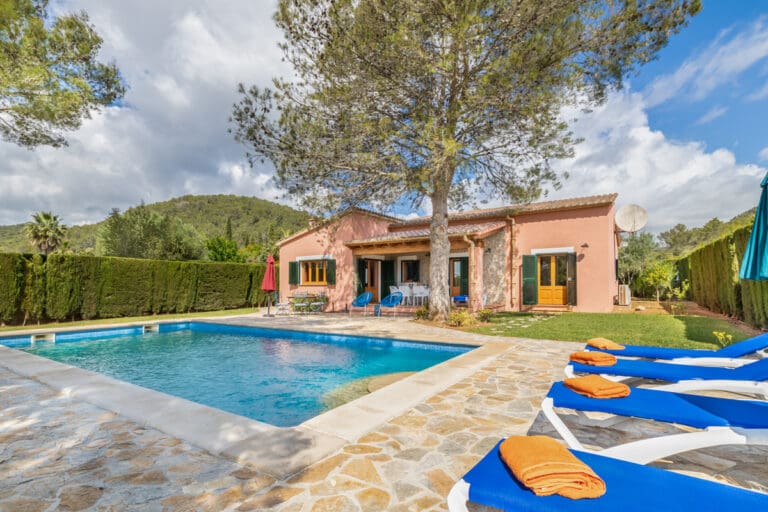
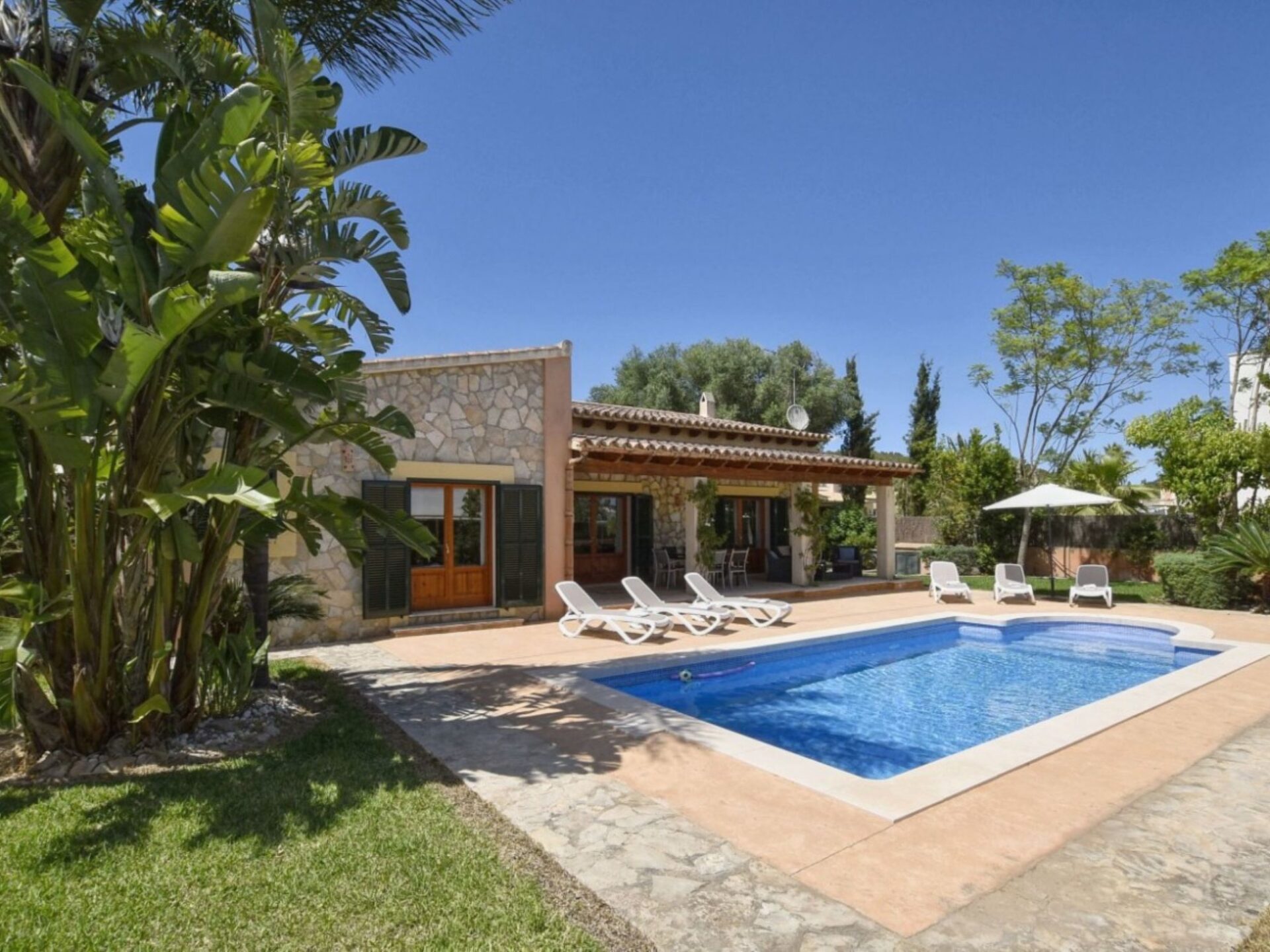
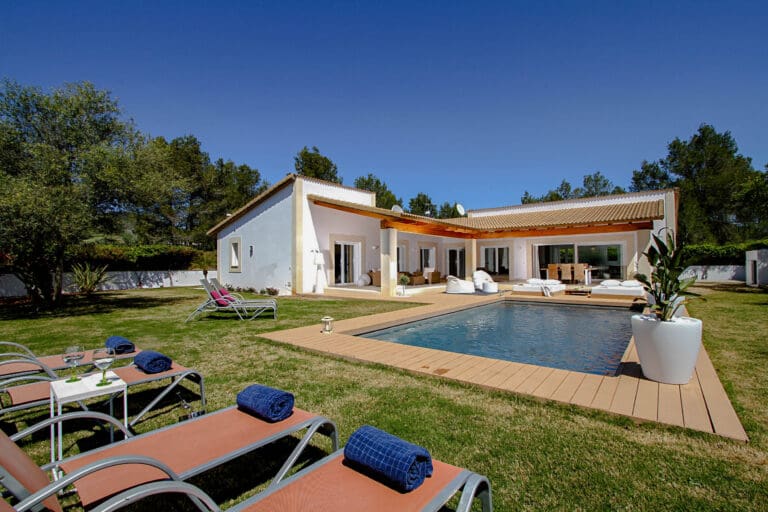
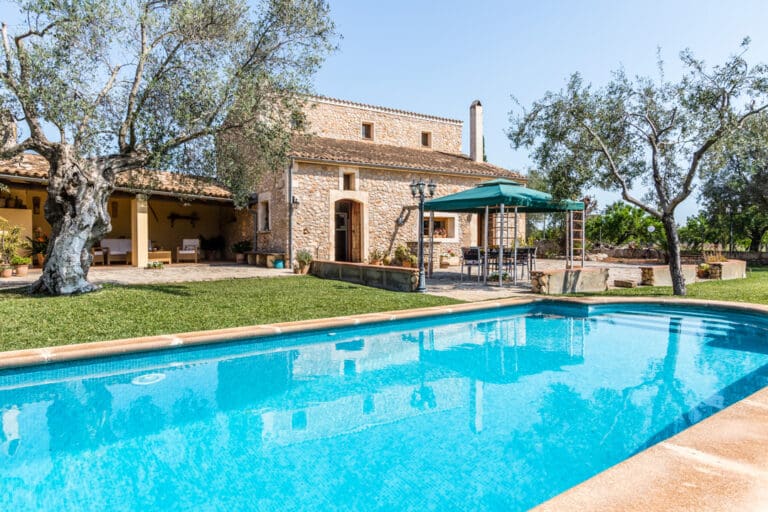
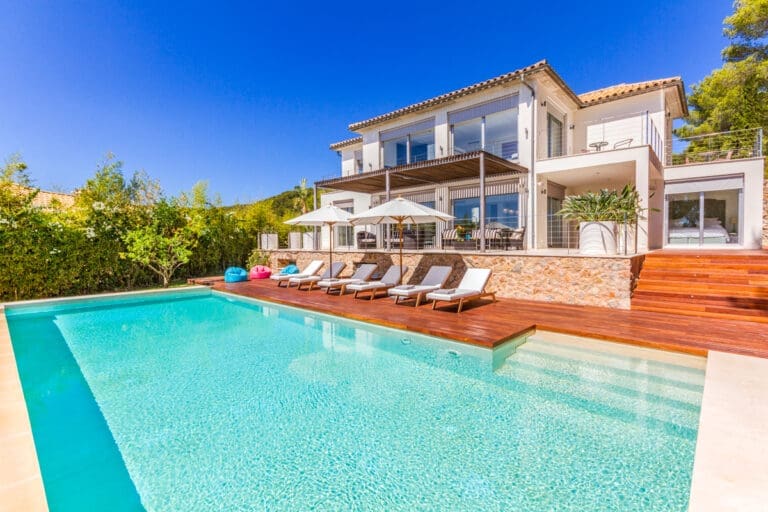
For those planning where to base themselves while exploring Sa Pobla’s food and wine, there are villas in Sa Pobla within easy reach of the market and surrounding countryside.
Sa Pobla Food and Wine FAQs
What is Sa Pobla best known for food-wise?
Sa Pobla is best known for its potato farming, pork sausages such as botifarró and camaiot, and eel dishes drawn from the nearby Albufera wetlands. It also has a long-standing vermouth drinking tradition.
Is Sa Pobla a wine region?
Not really. Sa Pobla’s soil suits potatoes rather than vines, and Mallorca’s recognised wine regions, Binissalem and Pla i Llevant, lie to the south and east. Local restaurants serve wine from these nearby areas rather than from Sa Pobla itself.
When is the best time to visit Sa Pobla for food?
Winter suits visitors interested in pork traditions, as the matances season produces the year’s supply of local sausages, while spring brings the potato harvest. The Sunday market runs year-round regardless of season.
Keep reading
More on Sa Pobla
Guides nearby in Balearic Islands
- Best Time to Visit Balearic Islands
- Mallorca Travel Guide
- Pollensa Travel Guide
- Ibiza Travel Guide
- Alcúdia Travel Guide
- Menorca Travel Guide
- Sant Josep de sa Talaia Travel Guide
- Santa Eulària des Riu Travel Guide
- Sant Lluís Travel Guide
- Sant Antoni de Portmany Travel Guide
- Alaior Travel Guide
- Inca Travel Guide
Where to stay
Villas in Sa Pobla
A selection from our 28 luxury villas in Sa Pobla.