Saint-Rémy-de-Provence Food & Wine: Olive Oil & Alpilles Wine
Saint-Rémy-de-Provence sits in the Alpilles, a region recognised for its AOC olive oil, small-production Baux-de-Provence wines, and a Wednesday market widely regarded as one of the best in Provence. Local cuisine relies on olive oil, lamb, seasonal vegetables, and herbs, with tastings available at family-run wine estates a short drive from town. Winter brings black truffle markets to the area, and several operators run Provençal cooking classes built around what’s in season.
Most places in Provence make you choose: the market or the vineyards, the olive mill or the lunch table. Saint-Rémy-de-Provence, refreshingly, does not force the issue. The town sits in a tight knot of olive groves, small wine estates and market gardens at the foot of the Alpilles, which means you can buy a wedge of local cheese at eight in the morning, taste the wine it goes with by eleven, and be eating both for lunch without ever getting back in the car. That geographic convenience – rare in a region where “nearby” often means forty-five minutes on a winding D-road – is reason enough to build a food trip around this particular town rather than its better-known neighbours.
Saint-Rémy-de-Provence Cuisine: What’s Actually on the Plate
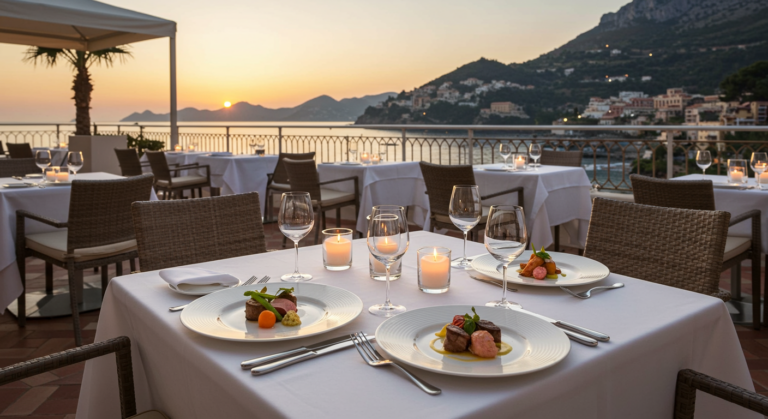
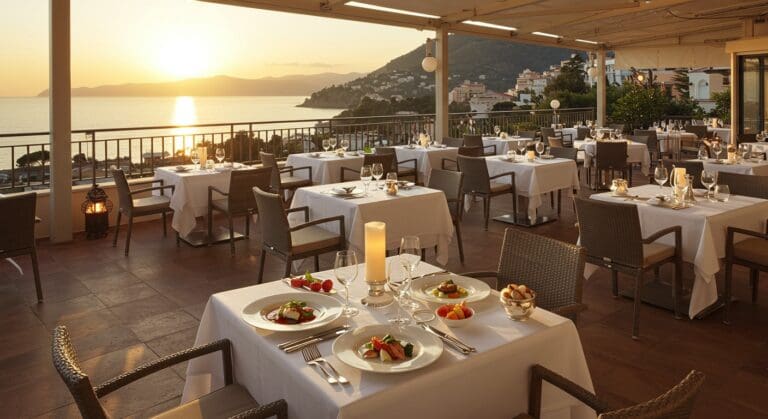
The cooking here is Provençal in the proper sense – built around olive oil rather than butter, and dictated by whatever the market stalls are groaning under that week. Expect tians (baked layered vegetable dishes, usually courgette, tomato and aubergine), petits farcis (small stuffed vegetables, a tidy way of using up the last of the summer glut), and daube provençale, a long-cooked beef stew in red wine that tastes considerably better than its fairly unglamorous description suggests. Lamb from the Alpilles pastures turns up roasted with herbes de Provence and garlic, and pistou soup – a vegetable soup finished with a basil, garlic and olive oil paste that is Provence’s quieter answer to Italian pesto – is a summer staple rather than a tourist invention.
Seafood, it should be said plainly, is not local. Saint-Rémy is inland, surrounded by olive groves rather than anything resembling a coastline, so anything involving fish or shellfish has travelled to get here, usually from Marseille or the Camargue coast. It can still be very good. It is just not, strictly, Saint-Rémy’s own.
Saint-Rémy-de-Provence Markets: The Wednesday Institution
Saint-Rémy’s Wednesday market has been running in some form for centuries and remains the genuine centre of gravity for the town’s food culture, spreading through the boulevards that ring the old centre with stalls of olives, cheeses, lavender, fabric, and whatever vegetables happen to be at their peak. It draws both locals doing their weekly shop and visitors doing their weekly photographing, and the two crowds mingle with reasonable good humour. Arrive early if you want to actually move – by mid-morning in high season the market has the density, if not quite the pace, of a city rush hour.
Smaller producer markets run on other days in nearby Alpilles villages, and the seasonal rhythm is worth noting: asparagus and strawberries in spring, tomatoes and melons through summer, mushrooms and squash by autumn. For wider context on when to time a visit around all this, the Saint-Rémy-de-Provence Travel Guide covers the broader seasonal picture.
Saint-Rémy-de-Provence Wine: Baux-de-Provence and the Alpilles
The vineyards around Saint-Rémy fall largely within the AOP Les Baux-de-Provence and the broader IGP Alpilles designation, areas shaped by the same rocky, sun-baked limestone that defines the whole massif. The reds lean on Grenache, Syrah and Mourvèdre and tend to carry more structure than the pale, poolside rosé most people associate with Provence – though the rosé here is perfectly capable of doing that job too, particularly in the heat of a July lunch. Organic and biodynamic farming is common in the Alpilles, partly a matter of local conviction and partly a practical response to a landscape that does not forgive careless irrigation.
These are not large-scale operations. Many estates remain family-run, producing modest quantities that rarely travel far beyond regional restaurant lists, which is precisely why tasting on site is worth the detour.
Wine Estates Near Saint-Rémy-de-Provence: Where to Taste
A ring of small domaines sits within a short drive of town, scattered through the Alpilles foothills between Saint-Rémy and the villages toward Les Baux. Most offer tastings by appointment rather than a walk-in tasting room with a gift shop attached, which suits the low-key character of the area – you are generally met by someone who actually farms the vines, not a brand ambassador reciting tasting notes. Expect modest cellar visits, a short explanation of the limestone soils and the mistral’s effect on the grapes, and a chance to buy a few bottles directly, often cheaper than you will find them on a restaurant list in town. Booking ahead is sensible, particularly from May to September when estates are juggling visitors with the actual business of growing grapes.
Olive Oil in Saint-Rémy-de-Provence: The Vallée des Baux AOC
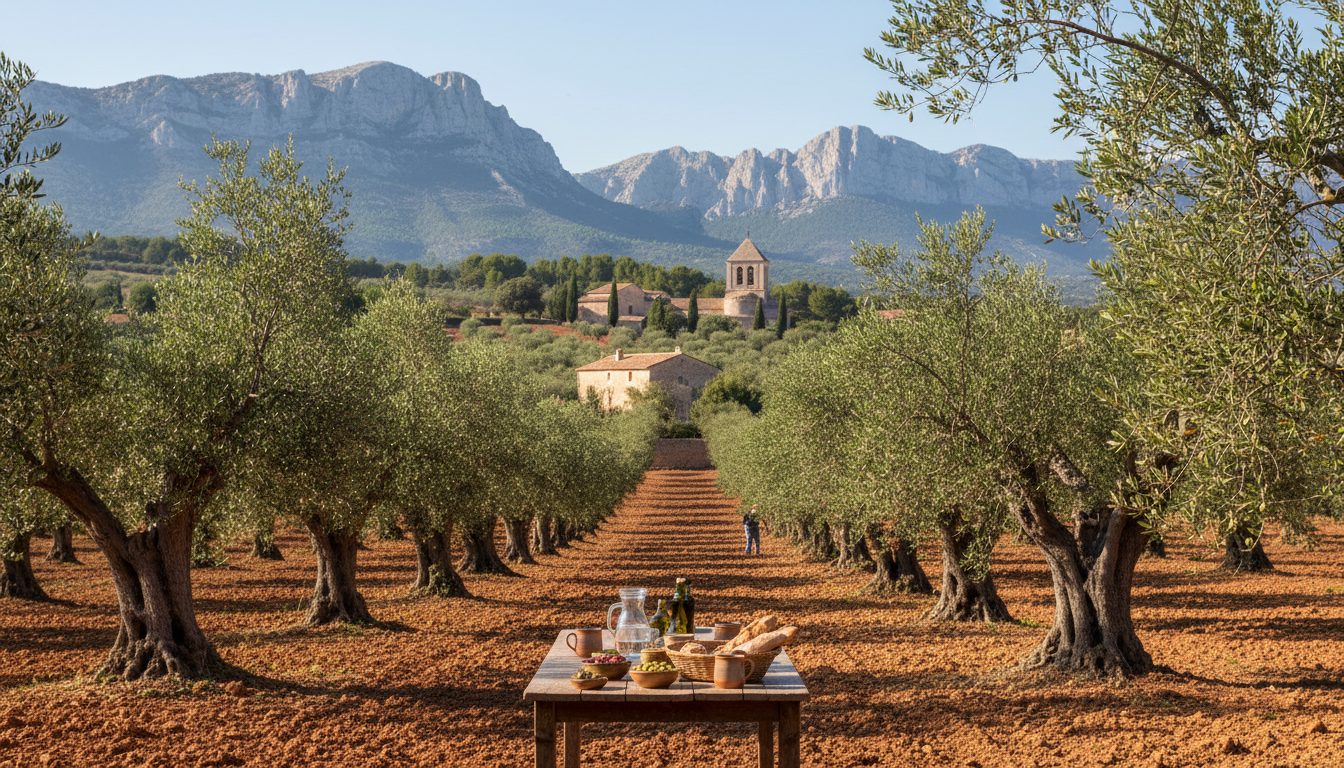
If one product belongs to this landscape more than any other, it is olive oil. The Alpilles fall within the AOC Huile d’olive de la Vallée des Baux-de-Provence, a protected designation covering the olive groves that stripe the hillsides around Saint-Rémy, Maussane-les-Alpilles and Mouriès. The oils tend to be green, peppery and distinctly grassy – a world away from the smoother supermarket versions most people grow up with – and the mills in this cluster of villages press some of the most respected oil in the south of France.
Many mills open to visitors for tastings, particularly around the autumn harvest when the new oil (huile nouvelle) is at its most vivid. It is worth tasting more than one producer side by side; the variation in pepperiness and bitterness between neighbouring groves is more pronounced than most first-timers expect, and mildly addictive once you start noticing it.
Cooking Classes in Saint-Rémy-de-Provence: Learning the Provençal Kitchen
Given the market sits practically on the doorstep, it is no surprise that Provençal cooking classes are a well-established part of the local food scene, usually beginning with a guided walk through the Wednesday or smaller village markets before moving to a kitchen to turn the haul into lunch. Typical sessions cover tapenade, a proper aioli, a seasonal tian and perhaps a rustic fruit tart, with plenty of explanation of why Provençal cooking relies so heavily on technique being forgiving – this is not precision pastry, it is food built to taste right with whatever the market happened to offer that morning. Classes run in small groups and in French and English, and they are a genuinely useful way to understand the region’s food rather than simply eat it.
Seasonal Food in Saint-Rémy-de-Provence: Truffles, Cherries and Market Rhythms
Winter brings black truffles to the Alpilles – smaller, more local affairs than the grand truffle markets of the northern Vaucluse, but genuine ones, usually running from December into February and worth seeking out if you are visiting off-season (and the villas are quieter, the light is sharper, and the truffle omelette is, frankly, superior to anything on offer in August). Spring brings asparagus and the first strawberries; early summer brings cherries from the orchards scattered through the Alpilles foothills, which locals eat with the same seriousness the British reserve for strawberries at Wimbledon. By late summer the market tables buckle under tomatoes, peaches and melons from the wider Provençal plain, before the cycle turns toward mushrooms, squash and, eventually, truffles again.
Best Food Experiences in Saint-Rémy-de-Provence
If time is short, prioritise the Wednesday market over almost everything else – it is the single clearest window into how this town actually eats. Pair it with at least one olive mill visit, ideally during the autumn harvest, and one small wine estate tasting rather than a restaurant wine list alone. A cooking class is worth the half-day if you want to leave with more than photographs, and a winter trip timed around the truffle markets offers a genuinely different side of the region from the sun-bleached summer version most visitors see. None of this requires much driving. That, more than any single dish, is what makes Saint-Rémy worth building a food trip around.
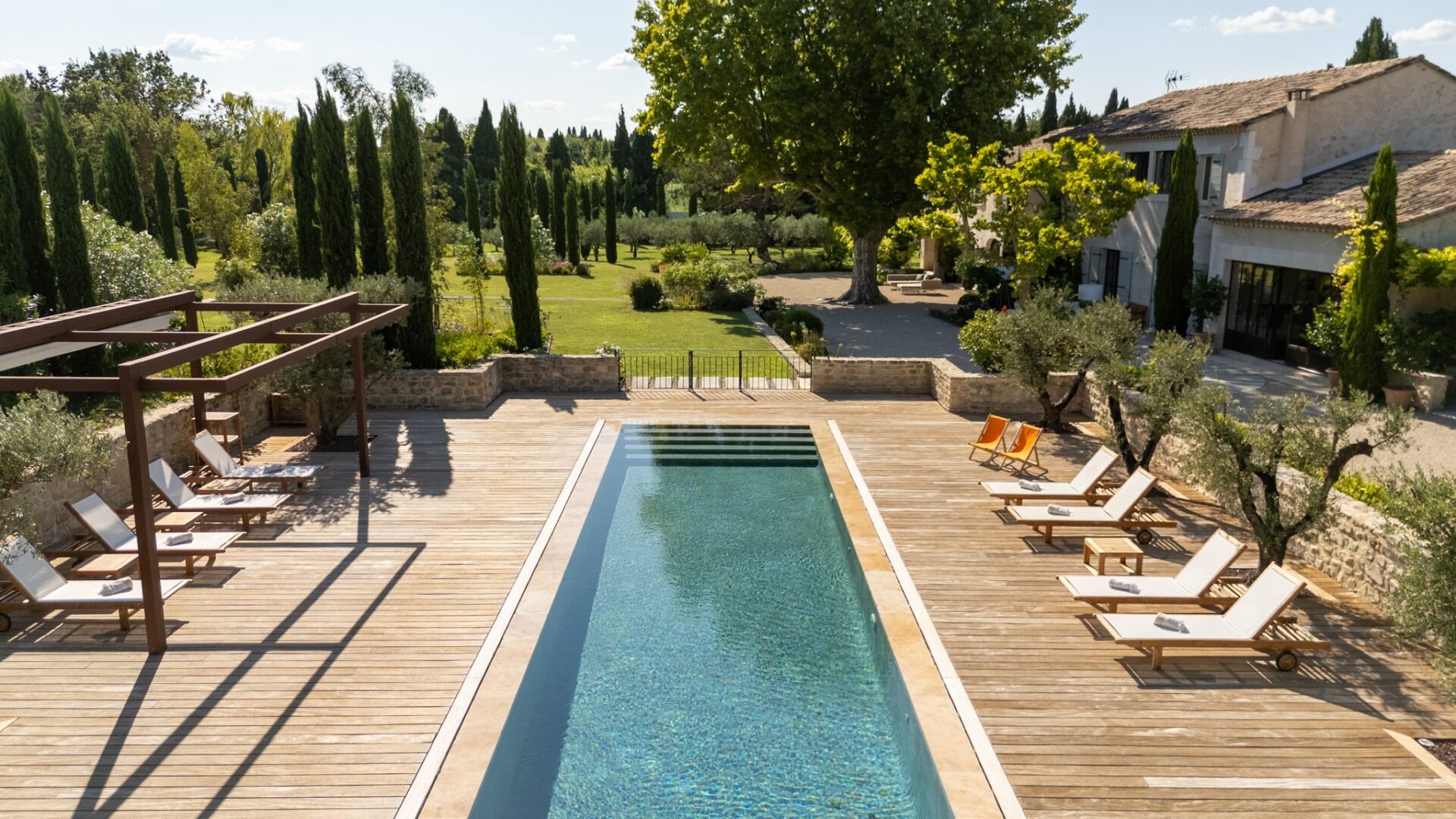
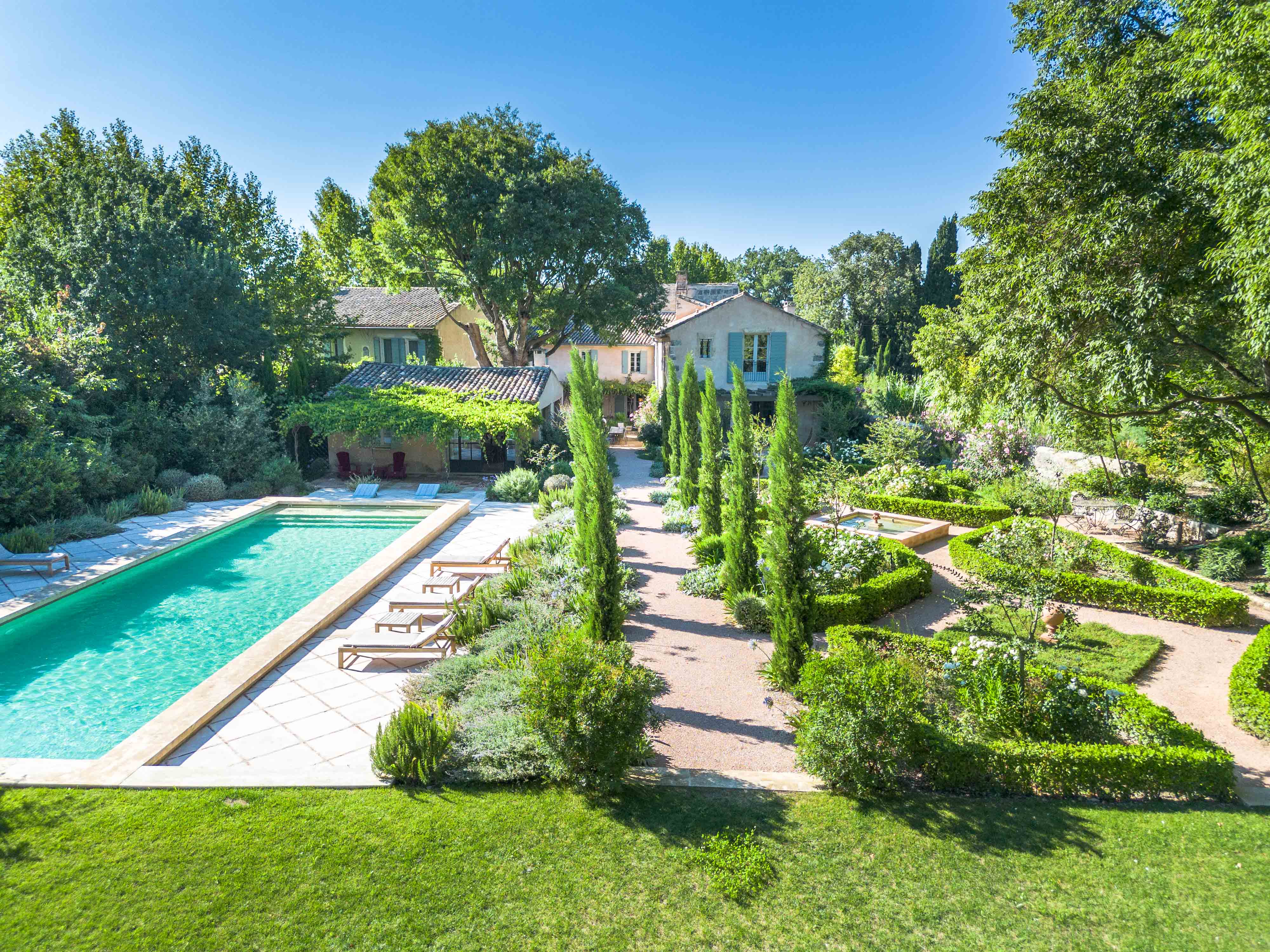
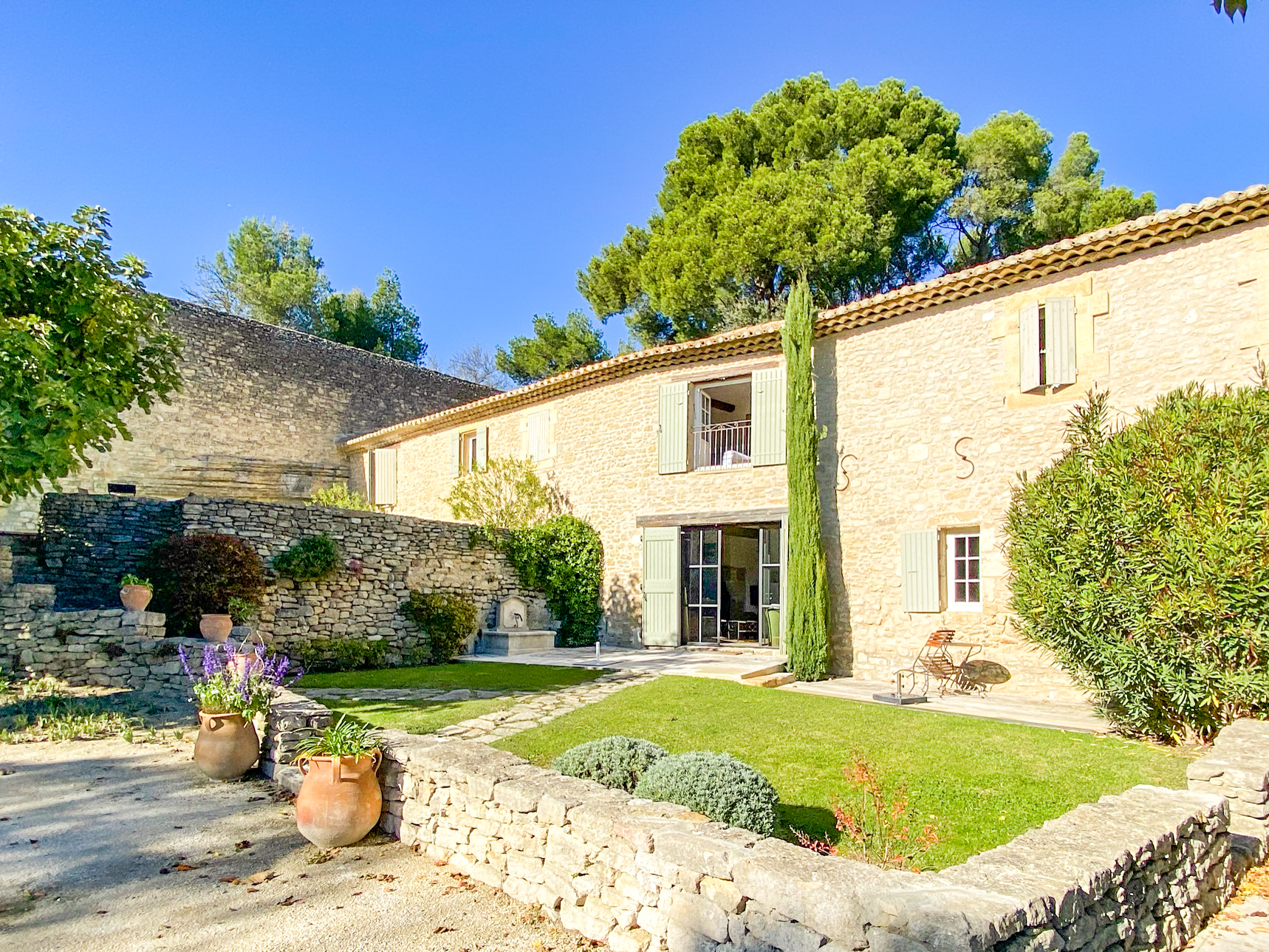
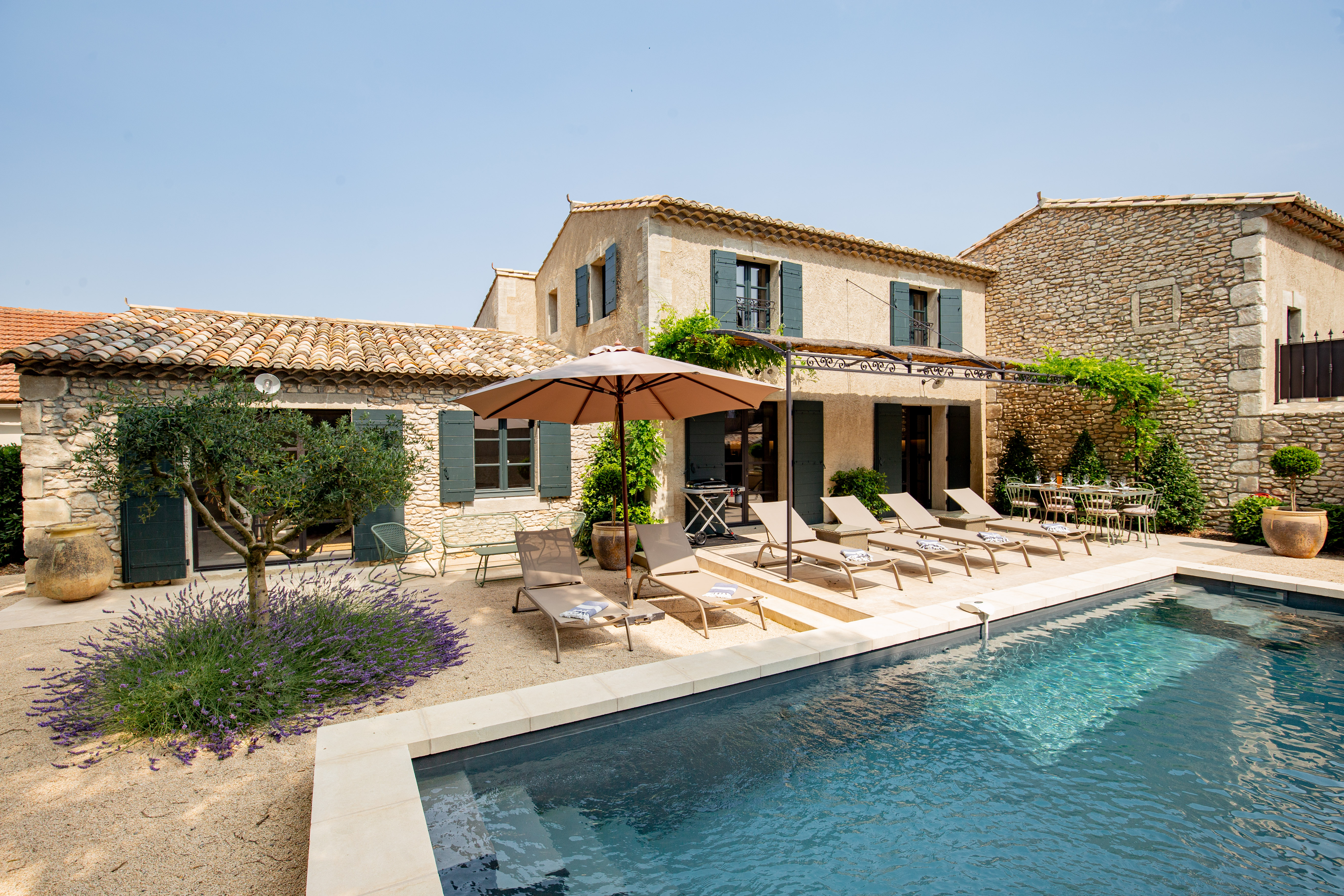
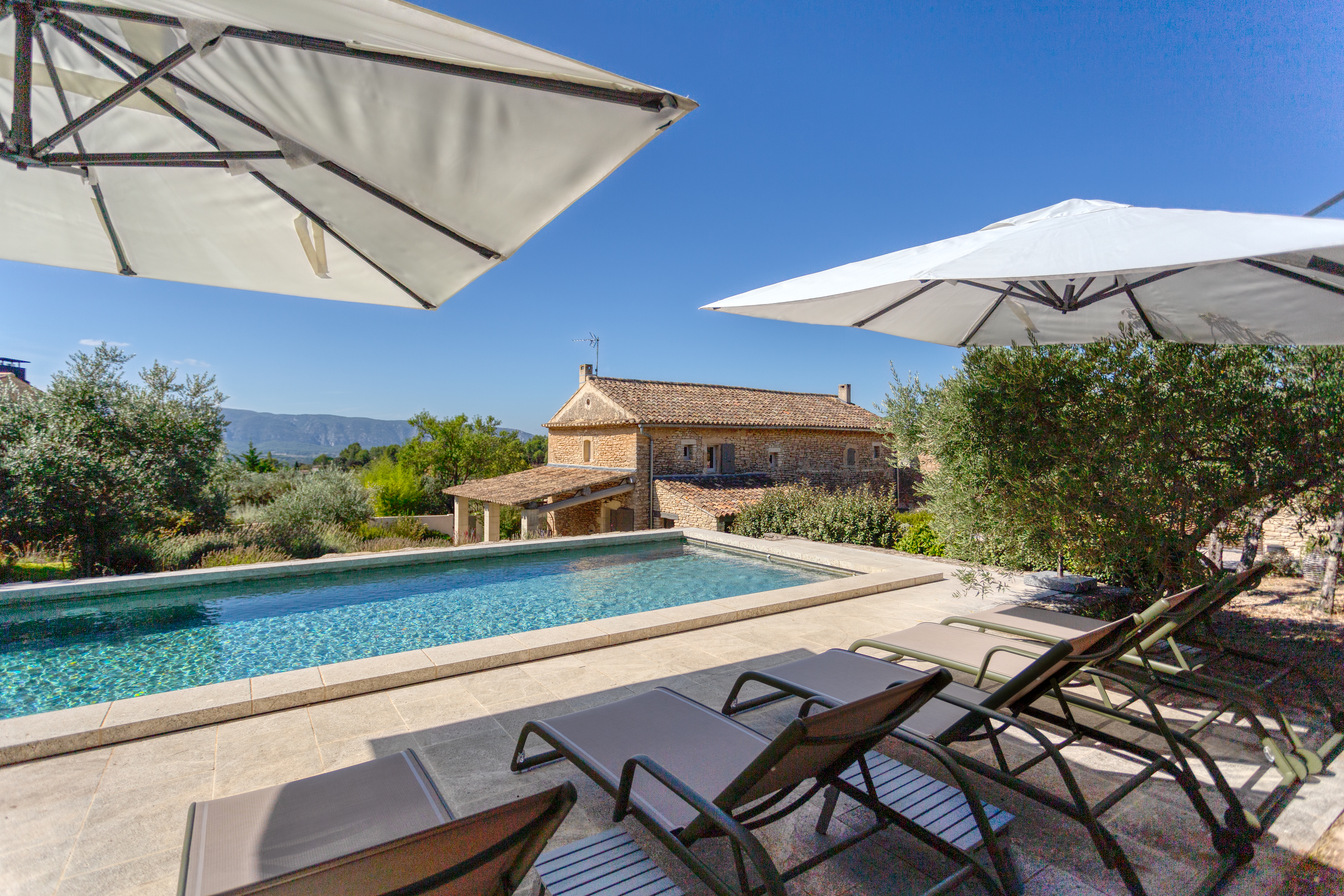
For those planning where to base themselves for all this market-hopping and tasting, see villas in Saint-Rémy-de-Provence.
Saint-Rémy-de-Provence Food and Wine FAQs
What is Saint-Rémy-de-Provence known for food-wise?
Saint-Rémy-de-Provence is known for its Wednesday market, AOC olive oil from the surrounding Vallée des Baux-de-Provence, and the small Baux-de-Provence wine estates scattered through the Alpilles. Lamb, seasonal vegetables and herb-based Provençal cooking define most local menus.
When is the best time to visit for food and wine in Saint-Rémy-de-Provence?
Autumn, roughly September to November, is ideal for olive harvest visits and new-season oil tastings, while winter (December to February) suits truffle markets. Summer offers the fullest market produce but larger crowds.
Is Saint-Rémy-de-Provence good for wine tasting?
Yes, several small family-run estates within the AOP Les Baux-de-Provence and IGP Alpilles areas sit a short drive from town and offer tastings, usually by appointment, particularly during spring and summer.
Where to stay
Villas in Saint Remy de Provence
A selection from our 157 luxury villas in Saint Remy de Provence.