Santanyí with Kids: Golden Coves & Market Day Mornings
Santanyí, in southeast Mallorca, suits families well because of its shallow, gently shelving coves, a walkable golden-stone old town and the pine-shaded trails of Mondragó Natural Park close by. The nearest airport is Palma de Mallorca, around 45 minutes by car, and the best months to visit with children are May to September when the sea is calm and warm. Families with toddlers through teenagers all find something to occupy them here, from paddling at Cala Santanyí to cycling the coastal paths.
There’s a particular smell that announces Santanyí before you’ve even parked the car – warm sandstone, crushed pine needles and, somewhere nearby, garlic hitting a hot pan. It arrives around eleven in the morning, roughly the time the market stalls are packing away their last melons and the first toddler of the day has lost a sandal near the church steps. Santanyí does not rush, and it has never seen the need to explain itself to anyone. This makes it an oddly good fit for families, who are themselves rarely in a position to rush anywhere.
For the broader picture – the coves, the honey-coloured stone, the unhurried afternoons – our Santanyí Travel Guide covers the full story. This one sticks to the practical business of bringing children along and still enjoying yourself.
Santanyí with Kids: Why It Works for Families
Santanyí has no high-rise hotels, no strip of neon bars and no particular interest in becoming a party resort, which is precisely why families like it. The old town is compact enough to walk end to end in fifteen minutes, its streets paved in the same golden sandstone used to build half the churches in Mallorca, and there is always a shaded bench within sight of an ice cream counter. Local Mallorcan families holiday here too, which means the infrastructure – pharmacies, supermarkets, a weekly doctor’s surgery – actually functions, rather than existing solely to photograph well.
The coves nearby are mostly shallow and sheltered, ideal for small swimmers who regard the open sea as something to be negotiated with rather than trusted outright. The honest downsides: several of the prettier calas involve steps cut into rock, which does nothing for a pushchair, and midsummer heat (we’re talking August afternoons that make the pavement shimmer) can be brutal for very young children. You will also need a car. Santanyí was built for donkeys and conversation, not frequent bus services.
Best Family Beaches in Santanyí
Cala Santanyí is the obvious starting point – a wide curve of pale sand, water shallow enough for toddlers to stand in for a surprisingly long time, and a scatter of beachside cafés for parents who require coffee before negotiating sunscreen application. At one end stands Es Pontàs, the natural rock arch that looks dramatic in photographs and slightly less dramatic once a seven-year-old has asked “can we go now” four times.
Cala Llombards, a short drive south, is smaller and more sheltered, with calm, clear water that suits younger children particularly well. It fills up by mid-morning in July and August, so arriving early is less a tip than a survival strategy.
Cala Mondragó, within Mondragó Natural Park, offers two sandy beaches, pine shade that actual shade-seeking humans can use, and enough protected parkland behind it to keep older children occupied with walking trails long after they’ve tired of sandcastles. There is no beachfront development here, by design, which some find refreshing and others find means a longer walk for an ice cream.
Caló des Moro, further along the coast, is worth a look rather than a swim with small children – the water is a remarkable turquoise, but the access involves a steep staircase and a crowd that gathers for photographs rather than paddling.
Things to Do in Santanyí with Kids
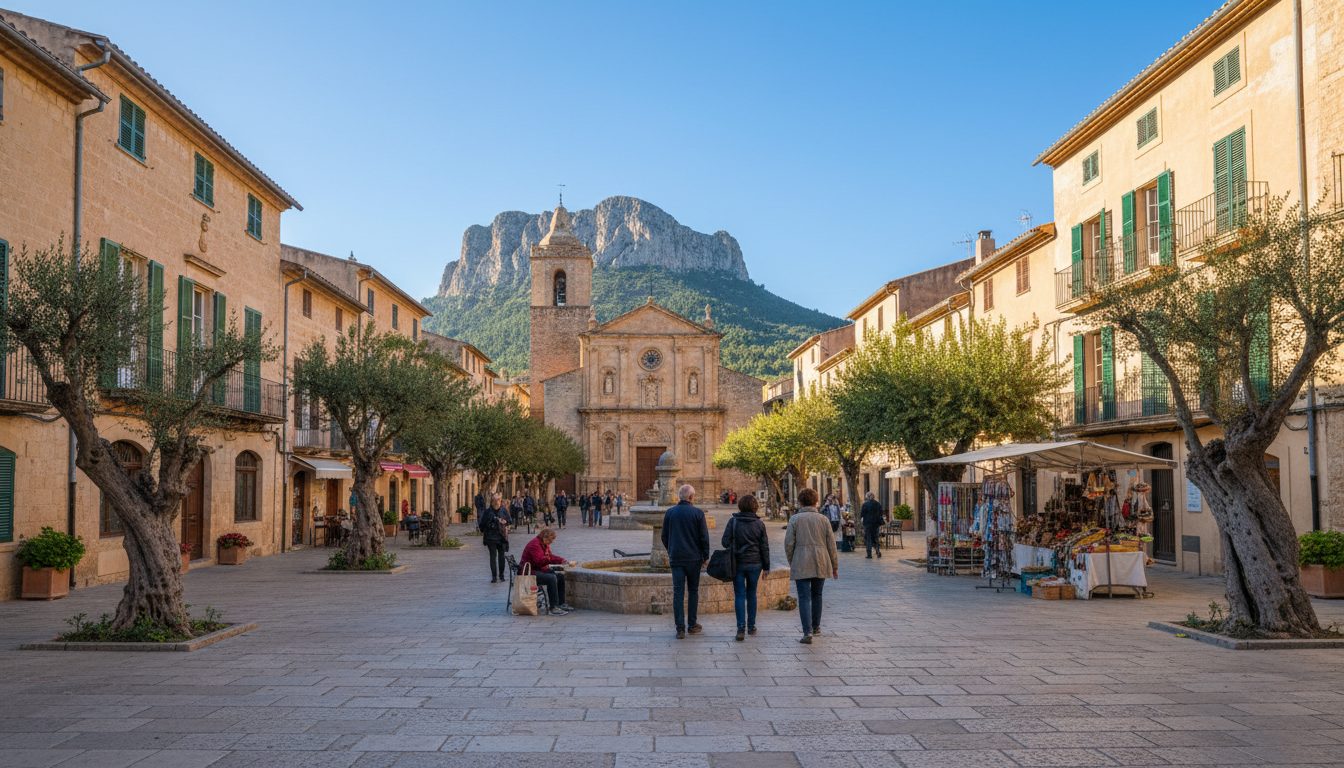
The Wednesday and Saturday morning market in Santanyí’s old town is as good a free activity as any, with stalls selling local pastries, leather goods, olives and the kind of straw hats children wear for exactly one photograph before refusing them forever. It’s unhurried enough that nobody minds a buggy weaving through, and the surrounding stone buildings give small children something to point at other than their phones (should they have one, which is its own separate conversation for the teenage section below).
Mondragó Natural Park offers walking trails of varying seriousness, a small lagoon good for birdwatching if your children are the sort who find birdwatching good, and enough open ground for the sort who are not. Local operators run short family boat trips along the coast in season, giving a different angle on Es Pontàs without the staircase. A short drive north, Cala d’Or’s marina makes a livelier half-day out, with a busier beach and more in the way of waterfront ice cream options for families wanting a change of pace.
Where to Eat in Santanyí with Kids
Santanyí’s old town has a good run of stone-walled restaurants with shaded terraces, generally relaxed about children at lunchtime even if the pace of service assumes everyone present has nowhere particular to be. Mallorcan dishes worth introducing to younger palates include pa amb oli (bread, tomato, olive oil, and endless debate about the proportions), sofrit, and the local almonds that turn up in everything from cakes to ice cream. Ensaimada, the coiled Mallorcan pastry, is a reliable bribery tool for getting out the door in the morning.
Beachside chiringuitos at Cala Santanyí and Cala Llombards tend to do family-style paella and simple grilled fish, which arrives slowly but is generally worth the wait, assuming you’ve packed crayons. Spanish dinner service runs later than most visiting families are used to, though coastal spots accustomed to tourists will usually seat you from 7pm without raising an eyebrow. Lunchtime, rather than dinner, is when Santanyí’s restaurants feel most naturally built for children – long, shaded, unbothered by the clock.
Rainy Day Activities in Santanyí
Rain is not Santanyí’s specialty, which is rather the point of coming, but the odd autumn or early spring storm does happen, and Mallorca copes with it better than you’d expect. The island’s larger towns have indoor play centres and family entertainment venues within a 30 to 40-minute drive, useful for burning off energy that the beach would otherwise have absorbed. The limestone coastline further north is pockmarked with show caves, a reliable half-day trip if you don’t mind driving for the privilege of being underground on your holiday.
Closer to home, Santanyí’s covered market hall and the arcaded streets of the old town give enough shelter for a slow wander even in drizzle, and most restaurants will happily seat a damp family for an extended lunch. A trip into Palma itself, with its museums and covered markets, is also a sound fallback for a genuinely wet day, roughly 45 minutes from Santanyí by car.
Santanyí with Kids by Age
Toddlers in Santanyí
Cala Mondragó and Cala Llombards are the easiest beaches for toddlers, with shallow water and minimal rock scrambling required. Pack a sun tent – shade is thinner on the ground than you’d like at midday – and expect afternoon naps to dictate the schedule more than any itinerary you drew up in advance. The old town’s uneven stone pavements are manageable with a sturdy buggy, though a baby carrier earns its keep on market days when the streets narrow and fill.
Juniors in Santanyí
Children roughly five to twelve tend to do best here, old enough to snorkel in the calmer coves and genuinely enjoy the walking trails at Mondragó, young enough to still find an ice cream and a rock pool a complete afternoon’s entertainment. Bike hire along the coastal paths is worth arranging for this age group, weather and enthusiasm permitting.
Teenagers in Santanyí
Teenagers may initially regard Santanyí’s quiet pace as a personal insult, having expected something livelier. Give it two days. The coastal boat trips, the livelier marina at Cala d’Or, and the genuinely good swimming at Cala Mondragó tend to win them over, as does the fact that nobody is checking their phone signal every five minutes because, for once, there’s something better to look at.
Getting Around Santanyí with Kids
A car is close to essential – most beaches and the natural park sit a short but definite drive from town, along roads that are narrow, winding and occasionally shared with a tractor in no apparent hurry. Car hire companies across Mallorca are used to providing child seats, but booking ahead is wise in peak season when stock runs low. Parking at the more popular calas fills by mid-morning in July and August, so an early start is less about ambition and more about actually finding somewhere to leave the car.
Within Santanyí itself, the old town is entirely walkable, its cobbles manageable for most pushchairs if a little bumpy for sleeping babies. Coastal bike paths connect several of the nearby beaches and are a pleasant, flattish way to get small cyclists between swims. Taxis exist but are limited in number, so pre-booking for airport transfers or evening trips out is sensible rather than optional.
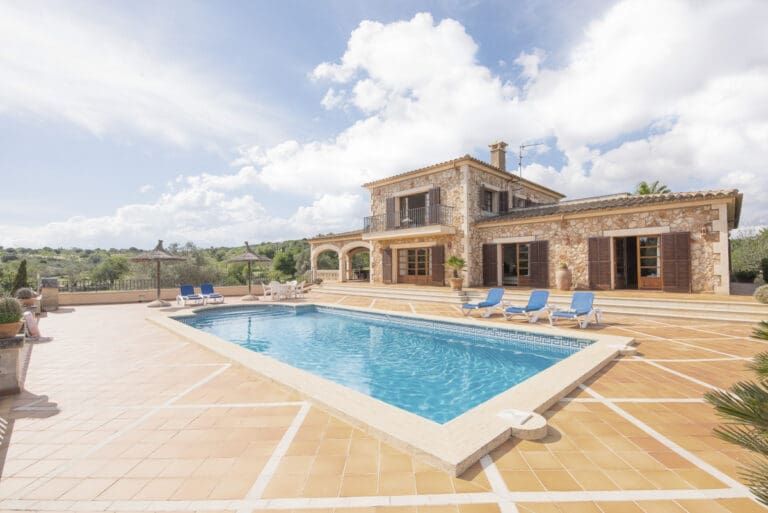
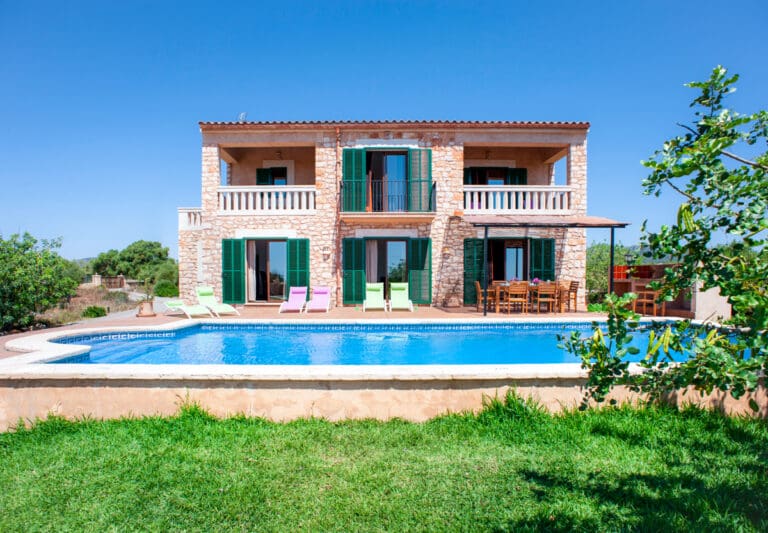
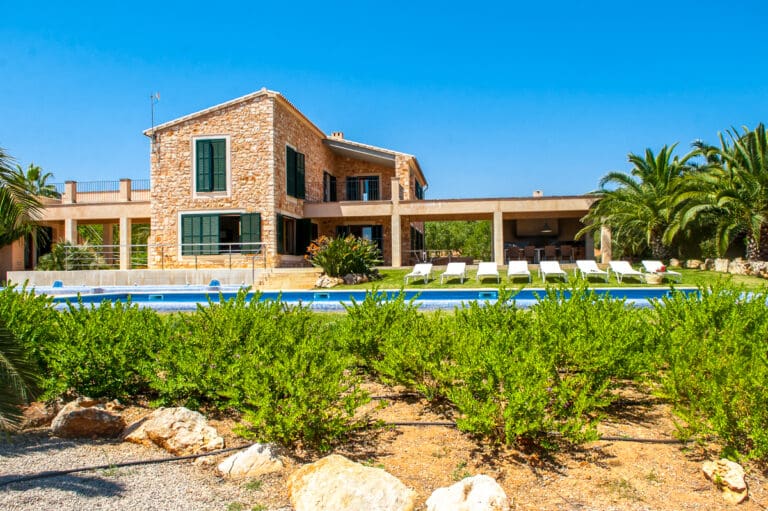
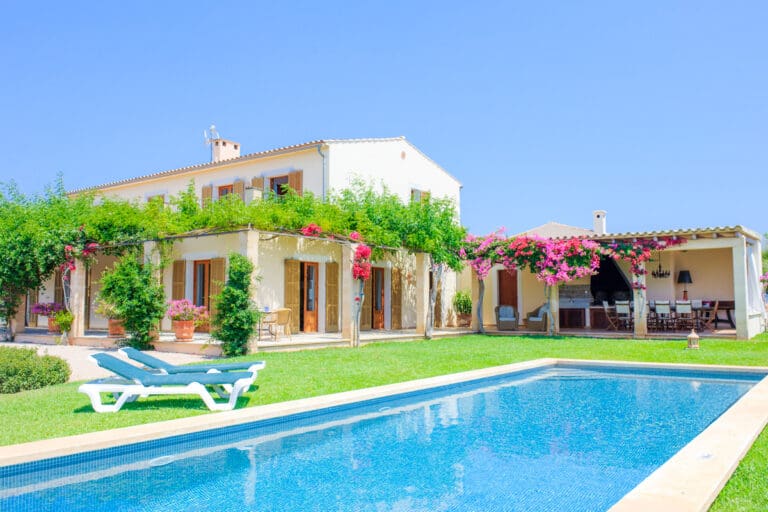
If you’re now working out where to actually stay while doing all this, here are villas in Santanyí.
Santanyí Family Holiday FAQs
Is Santanyí good for young children?
Yes, generally. The shallow coves, walkable old town and nearby natural park make it well suited to families with young children, though a car is needed to reach most beaches, and some calas involve steps that aren’t ideal for buggies.
What is the best beach in Santanyí for families with small children?
Cala Mondragó and Cala Llombards are the most reliable choices, both offering shallow, calm water and reasonably easy access, with Cala Mondragó also providing pine shade and natural park walking trails for older children.
How far is Santanyí from Palma airport?
Santanyí is roughly 45 minutes by car from Palma de Mallorca airport, making it an easy drive on arrival, though car seat bookings and rental pick-up are best arranged in advance during busy summer months.
Keep reading
More on Santanyí
- Travel guideSantanyí Travel Guide
- RestaurantsBest Restaurants in Santanyí
- Food & wineSantanyí Food & Wine
Guides nearby in Balearic Islands
- Best Time to Visit Balearic Islands
- Mallorca Travel Guide
- Pollensa Travel Guide
- Ibiza Travel Guide
- Alcúdia Travel Guide
- Menorca Travel Guide
- Sant Josep de sa Talaia Travel Guide
- Santa Eulària des Riu Travel Guide
- Sant Lluís Travel Guide
- Sant Antoni de Portmany Travel Guide
- Alaior Travel Guide
- Inca Travel Guide
Where to stay
Villas in Santanyí
A selection from our 34 luxury villas in Santanyí.