Scottish Highlands Food & Wine: Whisky, Venison & Wild Salmon
Scottish Highlands food and wine centres on game, wild salmon and seafood from the west coast, alongside Speyside single malt whisky and a growing number of Highland gins. There are no vineyards of note in the region, so the local drinks story is told through distilleries and smokehouses rather than cellars. Signature dishes include venison, Cullen skink and cranachan, best enjoyed between autumn and late winter when game is at its peak.
There is a particular smell to a Highland morning: peat smoke drifting low over a loch, bacon spitting in a farmhouse kitchen, and underneath it all the wet-wool smell of rain that has not yet decided whether it is actually falling or merely considering it. This is not a region that announces its food with much fanfare. It simply gets on with producing some of the best raw ingredients in Britain and leaves the boasting to people from elsewhere.
The old jokes about Scottish food – deep-fried everything, haggis as a punchline rather than a dish – have aged about as well as a supermarket whisky left open on a windowsill. The reality, for anyone who actually sits down to eat here, is a larder built on deer that have never seen a feed pellet, salmon pulled from rivers with names older than the English language, and shellfish so fresh the fishmonger practically apologises for it still moving. Add a whisky industry that has been quietly perfecting itself for two centuries, and you have a region worth travelling for on appetite alone.
Scottish Highlands Cuisine: What Makes It Different
Highland cooking is shaped by geography rather than fashion. The terrain is too wild for large-scale arable farming, so the food culture leans heavily on what the land and sea provide without much persuasion: red deer roaming open hillside, salmon running up fast rivers, langoustines and scallops hauled from cold, clean water off the west coast. This is honest, ingredient-led cooking, not a cuisine built on sauces and technique for their own sake.
There is also a working-kitchen pragmatism to it. Game was traditionally hung, smoked or preserved to survive a Highland winter, which is why smoked salmon, potted game and oatcakes remain staples rather than nostalgia pieces. Modern Highland chefs – and there are increasingly good ones, often working from small kitchens with big views – have simply taken that same raw material and treated it with more restraint. The best meals here rarely need more than three or four ingredients to make their point.
Signature Dishes in the Scottish Highlands
Venison appears everywhere, and rightly so: it is leaner than farmed beef, deeply flavoured, and genuinely wild rather than a marketing term. Expect it roasted, in a rich stew, or sliced thin as a starter with a berry reduction that leans on the region’s soft fruit. Wild salmon, both fresh and smoked, is the other constant, alongside langoustines and scallops from the western lochs that need little more than butter and a hot pan.
Cullen skink – a thick, smoked haddock and potato soup from the Moray coast – is the dish most likely to convert a sceptic, and worth seeking out on any menu that takes itself at all seriously. Haggis, neeps and tatties remains the dish tourists expect and locals genuinely still eat, not merely for visitors’ benefit. For dessert, cranachan combines whipped cream, toasted oats, honey and a generous slug of whisky with raspberries, and is proof that Scottish puddings do not need apology.
Scottish Highlands Whisky and Wine
Let’s deal with the obvious first: this is not wine country, and nobody serious is pretending otherwise. The climate is too cold and too wet for vines to do anything useful, so the region’s answer to a wine list is, rather magnificently, a whisky one. Speyside, within the Highland region, is the dense heartland of single malt production, with a concentration of working distilleries that makes it one of the great drinks landscapes of Europe, whisky’s answer to a cluster of grand cru vineyards.
Highland single malts tend toward the richer, sometimes smoky end of the spectrum, shaped by the water, the peat and decades of house style at each distillery. Most offer tours and tastings, and the better ones explain the process rather than simply pouring and hoping you are too polite to ask questions. Highland gin has also become a serious category, distilled with local botanicals such as heather, juniper and bog myrtle, and is worth exploring if you want a drinks experience with slightly less commitment than a cask-strength dram before lunch.
Food and Wine Estates in the Scottish Highlands
Highland estates mean something slightly different here than in warmer wine regions: think working farms, sporting estates and distillery sites rather than chateaux. Many combine deer stalking or fishing rights with a farm shop selling their own venison, smoked salmon and preserves, often from a stone outbuilding with a wood stove and a dog that has opinions about who comes in.
Distillery visits function as the region’s version of an estate tour, complete with a walk through the production process, a look at the warehouse where casks age in cool, dark rows, and a tasting at the end that is rarely rushed. Farm shops attached to larger estates are worth a detour even if you have no intention of cooking, since they stock game, cheese and baking that rarely makes it as far as a supermarket shelf. Buy more than you think you need – the drive back may be longer than expected, and everything closes early.
Food Markets in the Scottish Highlands
Highland food markets are smaller and more sporadic than their counterparts further south, which is part of their charm and occasionally their frustration if you turn up on the wrong Saturday. Farmers’ markets in the larger towns bring together producers selling venison, smoked fish, cheese, honey and baking directly, often the same people who reared, caught or baked it the week before.
These markets reward slow browsing rather than a shopping list. Expect to find soft fruit in late summer, game in autumn, and preserves and baking year-round, with the occasional stall selling oatcakes made to a recipe that has not changed in a generation and sees no reason to start now. Timing matters: check local listings before travelling any distance, since Highland markets run to a more seasonal, less predictable rhythm than city ones.
Cooking Classes in the Scottish Highlands
Hands-on food experiences here tend toward foraging walks, whisky tasting masterclasses and game-focused cookery rather than formal culinary schools. Guided foraging trips through woodland and along the shoreline teach visitors to identify wild mushrooms, coastal plants and berries that have been quietly feeding Highlanders for centuries, usually followed by a session turning the haul into something edible.
Smaller producers and farm shops sometimes run short courses in smoking fish, butchering game or baking traditional oatcakes and bannocks, which suit anyone who wants a practical souvenir rather than another jar of jam. Whisky tasting sessions, run by distilleries, go well beyond “sniff and sip,” covering cask types, maturation and the surprising amount of chemistry involved in something that looks, on the surface, like brown water in a nice bottle.
Seasonal Food in the Scottish Highlands
Game season, broadly August to February depending on species, is when Highland menus come fully alive, with grouse, pheasant and venison at their best and most widely available. Deer stalking estates supply much of this directly, which is about as close to farm-to-table as it gets without the hyphenated marketing.
West coast seafood runs strong through spring and summer, when langoustines, scallops and crab are landed daily and travel the shortest possible distance to a plate. Soft fruit, particularly raspberries, peaks in late summer and finds its way into everything from jam to cranachan. Winter, inevitably, belongs to whisky and warming food: stews, smoked fish and dishes built to counter a short, dark day rather than impress anyone with their delicacy.
Best Food Experiences in the Scottish Highlands
The single best food experience in the region costs nothing more than attention: watching a boat land langoustines at a harbour before they are sold within the hour to a kitchen a few hundred metres away. Pair that with a distillery tour that ends in a tasting room overlooking the water it was distilled beside, and you have the two pillars of Highland eating and drinking in one afternoon.
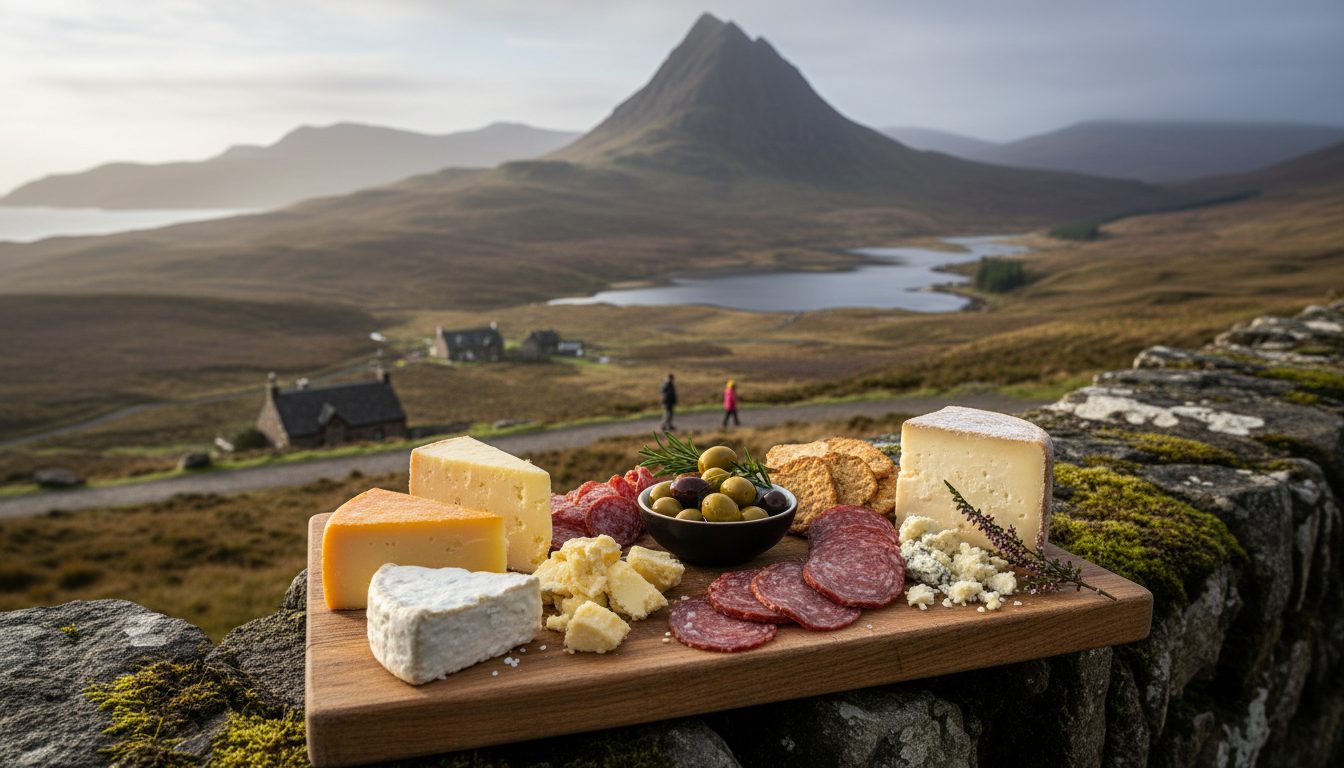
Beyond that, a farm shop lunch of venison, oatcakes and a decent cheese, eaten outdoors regardless of what the weather is doing, tells you more about this region’s food culture than any formal tasting menu. For a fuller sense of how food fits into the wider trip, the Scottish Highlands Travel Guide covers the rest of the practicalities, from weather to getting around.
For those weighing up where to base themselves while eating their way round the region, there are villas in Scottish Highlands within easy reach of farm shops, distilleries and the coast.
Scottish Highlands Food and Wine FAQs
Is Scotland known for wine production?
No. The climate is unsuitable for traditional vineyards, so the Highlands has no meaningful wine industry. Whisky and, increasingly, gin fill the role that wine plays in warmer regions, with Speyside the dense heartland of Highland single malt production.
What is the best time of year for Highland food?
Autumn through to late winter is best for game, with venison, grouse and pheasant at their peak between August and February. Spring and summer favour west coast seafood, while late summer brings soft fruit such as raspberries.
Can vegetarians eat well in the Scottish Highlands?
Vegetarians will find fewer menus built around them in rural areas, though larger towns and farm shops increasingly offer good cheese, soup and baking options. It helps to plan ahead in more remote areas where menus lean heavily on game and seafood.
Keep reading
More on Scottish Highlands
- Travel guideScottish Highlands Travel Guide
- When to goBest Time to Visit Scottish Highlands
- RestaurantsBest Restaurants in Scottish Highlands
- FamiliesScottish Highlands with Kids
Guides nearby in Scotland
Where to stay
Villas in Scottish Highlands
A selection from our 87 luxury villas in Scottish Highlands.
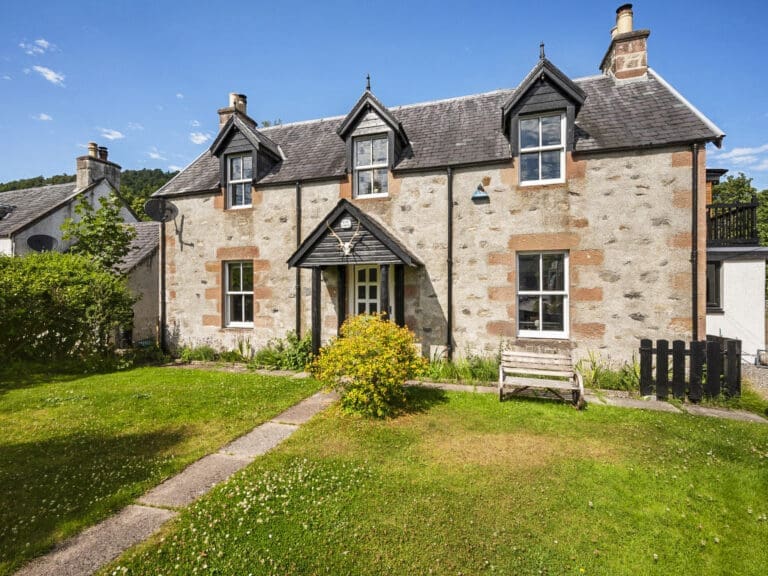 Enrick House United Kingdom
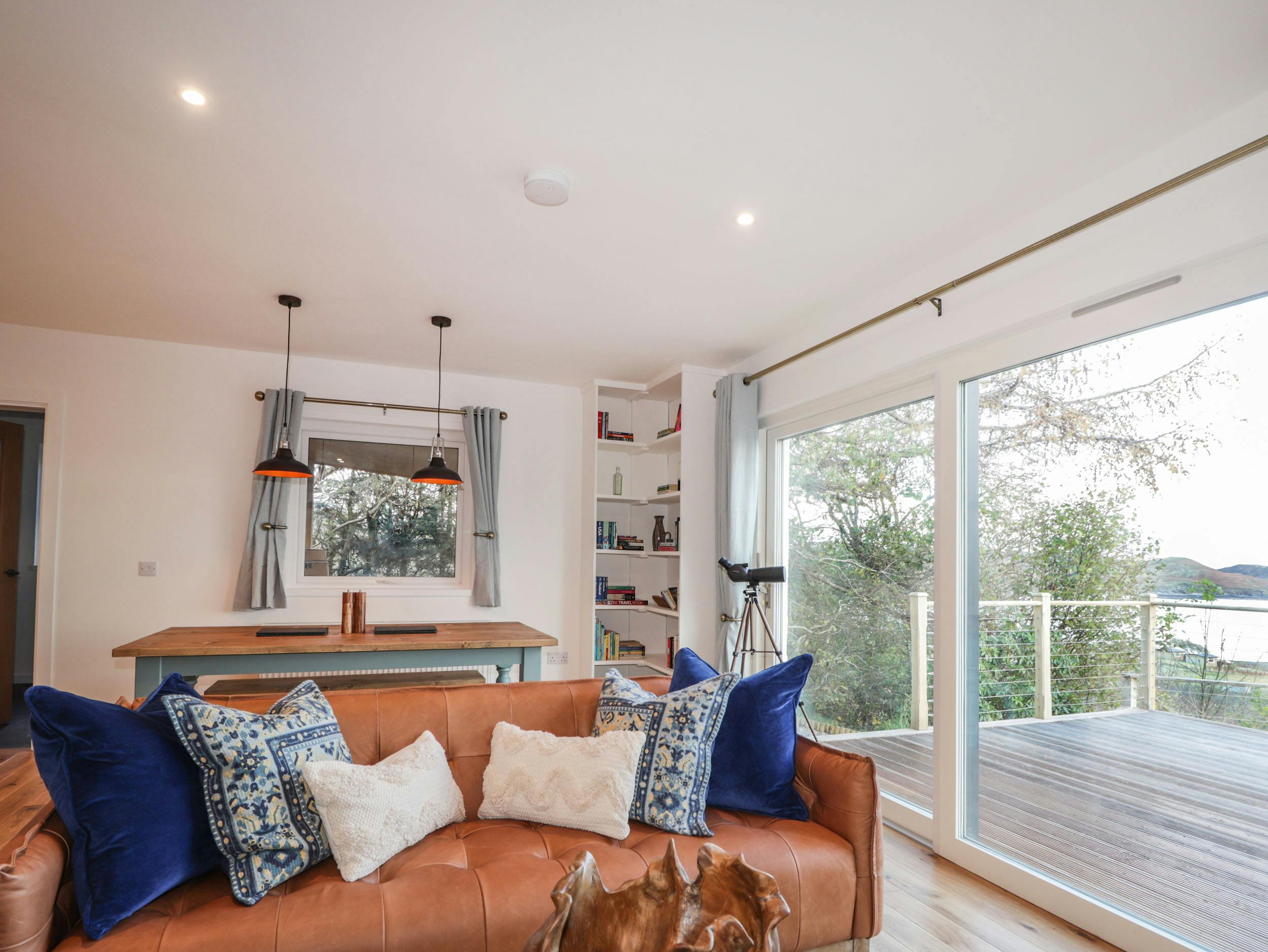 Cottage Helm Fraoch Knock
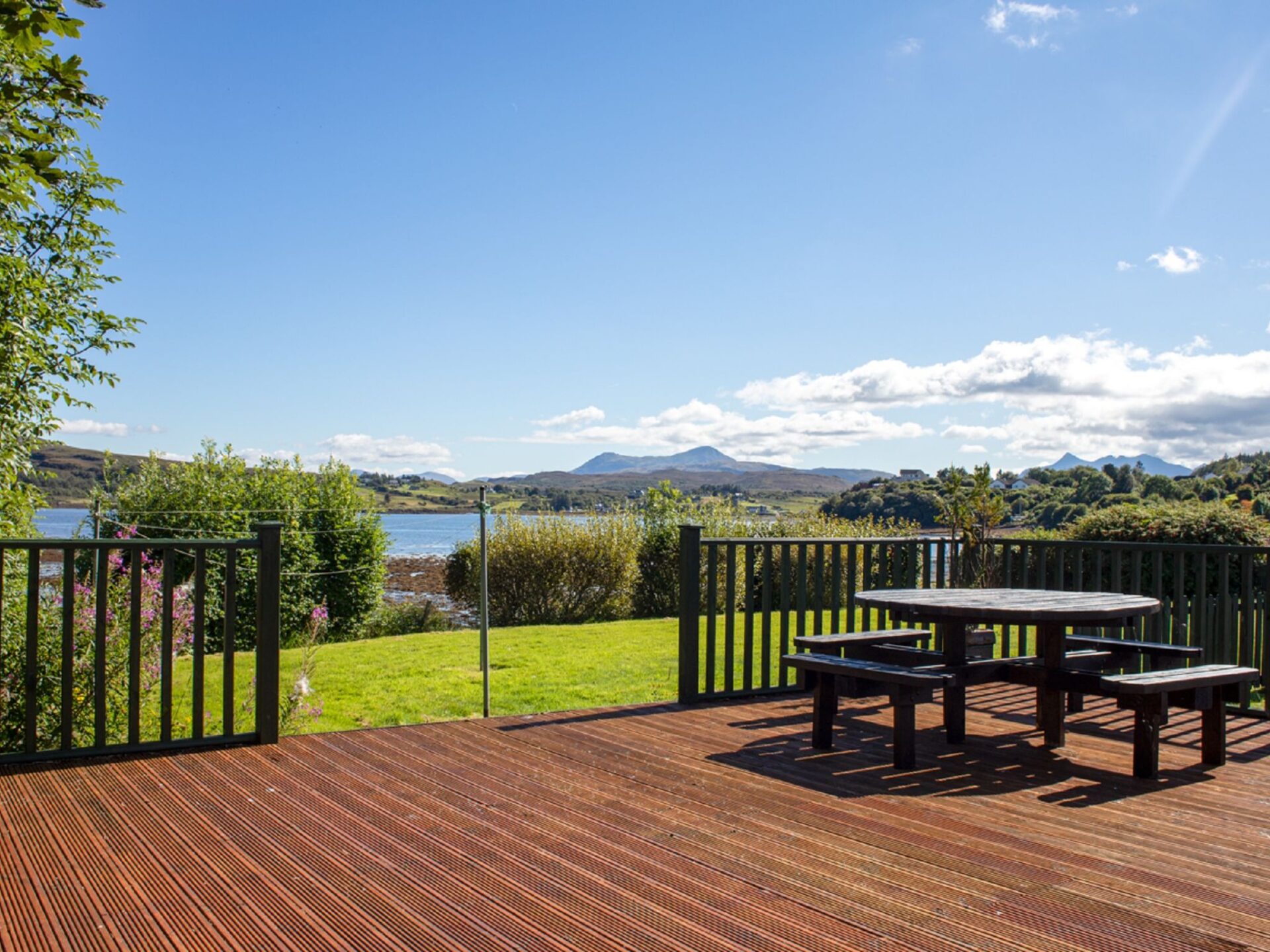 House Cuillin Skye
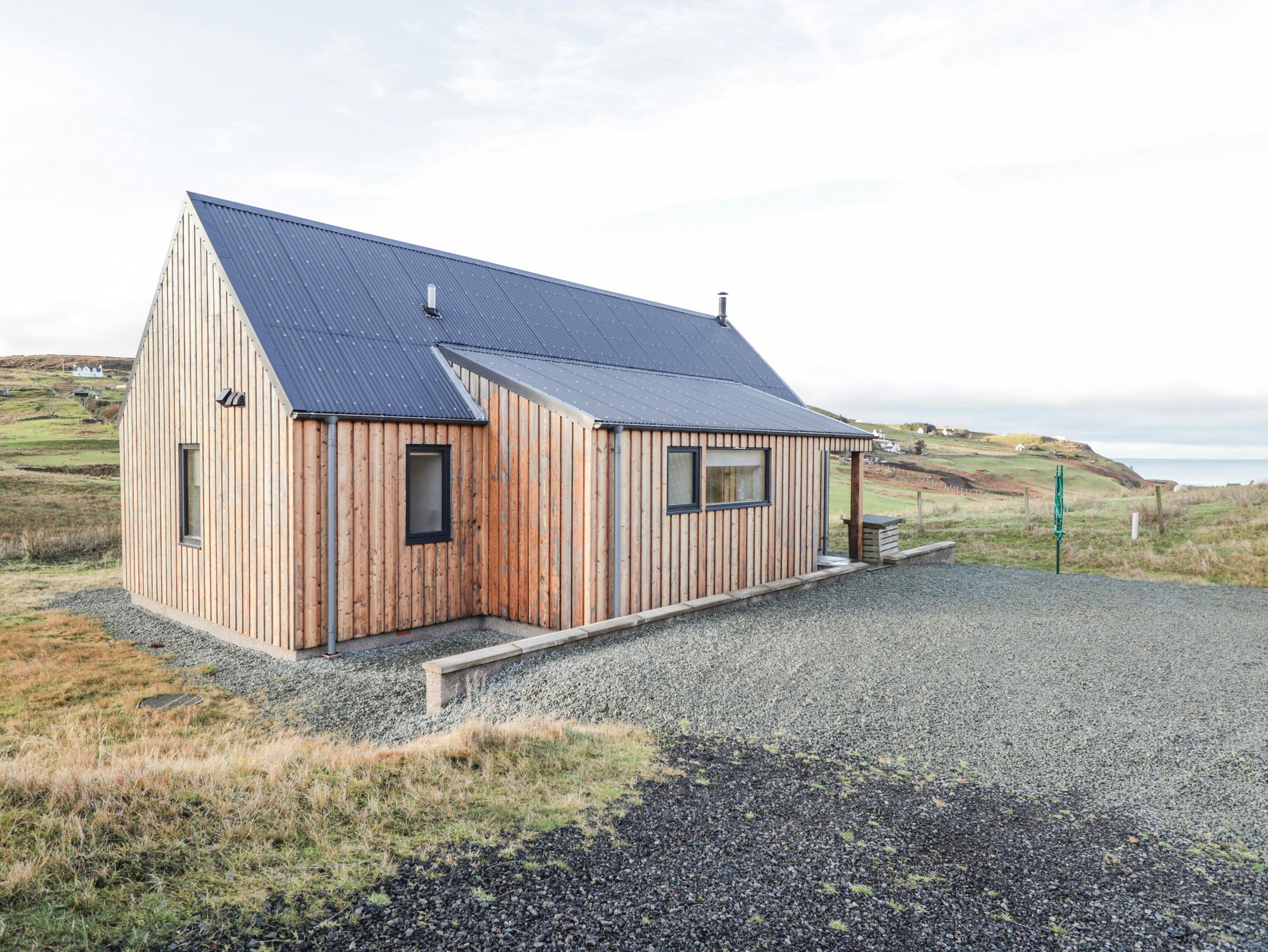 Cottage Helm Fraoch Glendale
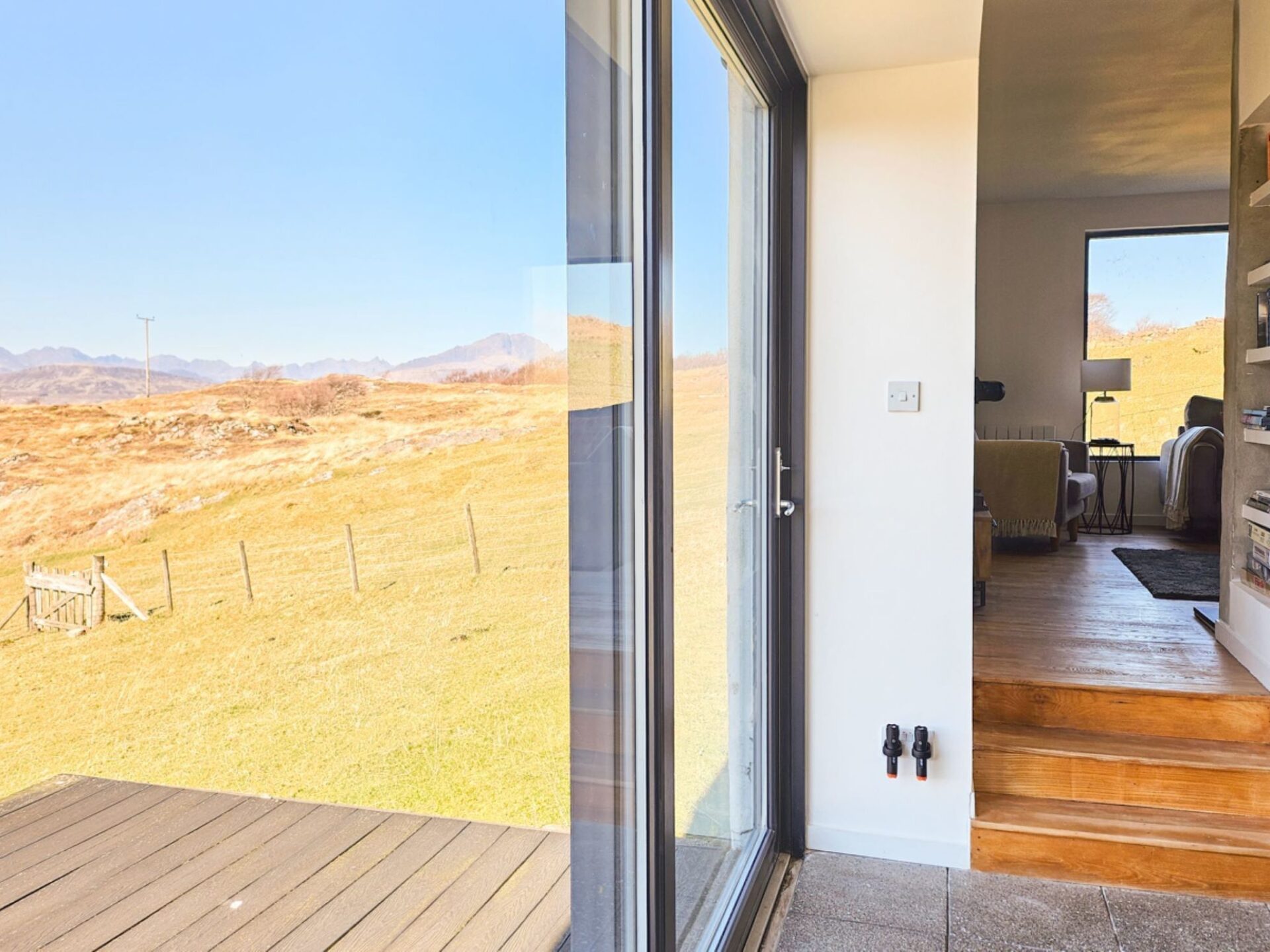 House Torrin Skye
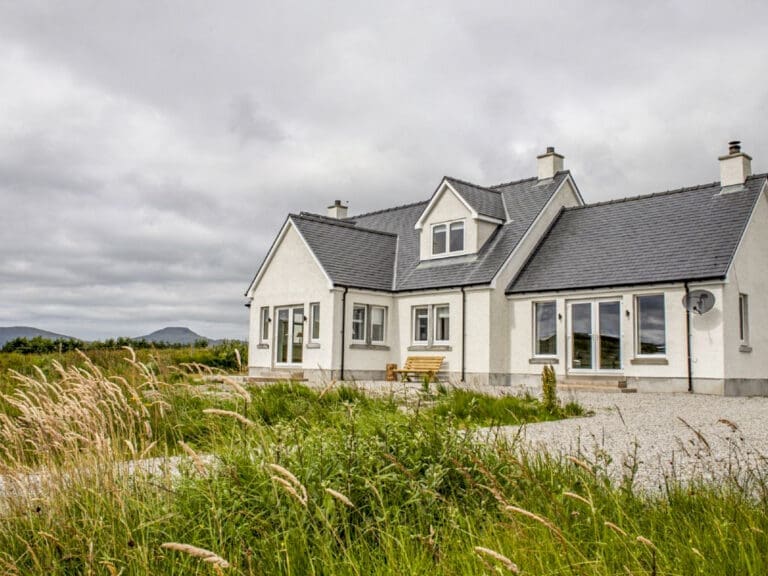 Balmeanach Hideaway United Kingdom
See all 87 villas in Scottish HighlandsVillas across Scotland