Tangier-Tétouan-Al Hoceima Travel Guide: Blue Streets & Rif Peaks
Tangier-Tétouan-Al Hoceima is Morocco’s northernmost region, stretching from the Strait of Gibraltar along both the Atlantic and Mediterranean coasts into the Rif Mountains. It is known for Tangier’s historic medina, the blue-painted streets of Chefchaouen, Rif hiking trails and waterfalls, and a coastline of beach towns including Al Hoceima. The region suits culture seekers, walkers and food lovers best, and less so travellers wanting a single resort to collapse into for a week.
Tangier-Tétouan-Al Hoceima at a Glance
- Where: Northern Morocco, facing Spain across the Strait of Gibraltar, with coastlines on both the Atlantic and Mediterranean
- Nearest airport: Tangier Ibn Battouta Airport (TNG), about 20-25 minutes from Tangier city
- Best time to visit: March to May and September to November, for mild temperatures and green mountains
- Getting around: A hired car or private driver is the easiest option; CTM buses and grand taxis connect the main towns
- Known for: Tangier’s medina, Chefchaouen’s blue old town, Rif Mountain hiking, Mediterranean and Atlantic beaches
- Ideal for: Couples, culture seekers, walkers and food lovers; less suited to those wanting one-stop resort ease
Here is the thing most guidebooks get backwards: they treat this region as a corridor, somewhere you pass through on the ferry from Spain, photograph Chefchaouen’s walls for forty minutes, then bolt south towards Fes or Marrakech before the light changes. Which is a shame, because Tangier-Tétouan-Al Hoceima is the only part of Morocco with two coastlines, a mountain range of genuine substance, and a cultural layering – Andalusian, Spanish, French, Berber, international – that took centuries to accumulate and roughly ninety minutes to misunderstand from a cruise-ship deck.
It suits travellers who like their history with actual texture: the kind who will happily get lost in a medina for an afternoon, eat where the smell is better than the signage, and drive an hour into hills for a waterfall nobody mentioned at the hotel. Families with older children who enjoy a bit of adventure do well here too. It is less forgiving for anyone wanting flat, walkable, air-conditioned ease with a swim-up bar – the terrain is steep in places, distances between towns are real, and spontaneity sometimes meets a closed shutter at 2pm. None of which is a flaw, exactly. More a character trait.
Getting to Tangier-Tétouan-Al Hoceima: Closer Than You’d Think
Tangier Ibn Battouta Airport (TNG) is the region’s main international gateway, roughly 20-25 minutes from Tangier city by taxi. From there, Tetouan is about an hour and sixteen minutes away by road, while Tetouan itself has its own small airport, Sania Ramel (TTU), a mere nine minutes from the town centre – useful if you can find a flight that lands there. Further east, Al Hoceima’s Cherif Al Idrissi Airport connects domestically to Tangier, Casablanca and Tetouan, and also receives seasonal European charters from Rotterdam and Brussels, though it sits a good four-hour drive from Tetouan, so plan your route accordingly rather than assuming you can hop between the two coasts in an afternoon.
Royal Air Maroc runs the direct links from Tangier to Al Hoceima and Casablanca, Ryanair covers Tangier to Marrakech and Beni Mellal, and seasonal flights connect Tangier to Madrid (Air Europa) and Brussels (Brussels Airlines). If you are coming overland from Rabat, the Al Boraq high-speed train reaches Tangier in about an hour and twenty minutes, part of a wider 323-kilometre line that continues down to Casablanca in two hours ten.
Coming from Spain, the fast ferry from Tarifa lands you directly at Tangier Ville, right at the medina’s edge, in about an hour – genuinely one of the more civilised border crossings in Europe. The Algeciras route is marginally longer at sea (ninety minutes) but lands at Tanger Med, roughly 40km from the city, meaning a further 40-60 minute transfer by bus or taxi. Anyone driving over from Cádiz or the Costa De La Luz with a car must use Algeciras-Tangier Med. There is no train into the Rif interior – Chefchaouen has no station at all – so getting there means a private driver (roughly two to two and a half hours from Tangier), a CTM coach, or a shared grand taxi. Once inland, hiring a car or driver is genuinely the sanest way to move between towns.
Where to Eat in Tangier-Tétouan-Al Hoceima: Two Coasts, One Appetite
Fine Dining in Tangier-Tétouan-Al Hoceima
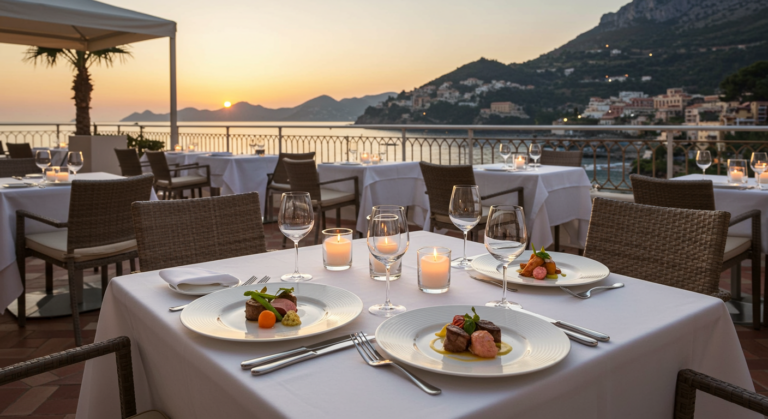
Tangier’s more polished dining rooms tend to pair fresh Atlantic and Mediterranean seafood with French and Spanish technique – a legacy of the city’s long international past – served in converted townhouses with sea views and unhurried service. Expect grilled fish bought that morning, slow-cooked tagines, and wine lists that lean more Moroccan and French than you might expect this close to the Sahara’s edge. Book ahead in high season; tables with a view sell out early.
Where the Locals Eat
The real eating happens in the medinas and at portside grills, where plates of sardines, calamari and whatever came in on the boats that morning arrive without ceremony and cost a fraction of the hotel rate. Tetouan’s market stalls do a brisk trade in olives, preserved lemons and bread still warm from clay ovens, while mint tea is poured with the kind of theatrical height that would alarm a health and safety officer anywhere else.
Hidden Gems in Tangier-Tétouan-Al Hoceima
Up in the Rif, small family-run spots serve goat’s cheese, honey and mountain trout to travellers who happened to ask a local rather than a guidebook. Along the Al Hoceima coast, beachfront shacks grilling the day’s catch over charcoal remain stubbornly undiscovered by anyone not already staying nearby – which is rather the point.
Exploring Tangier-Tétouan-Al Hoceima: A Region of Two Seas
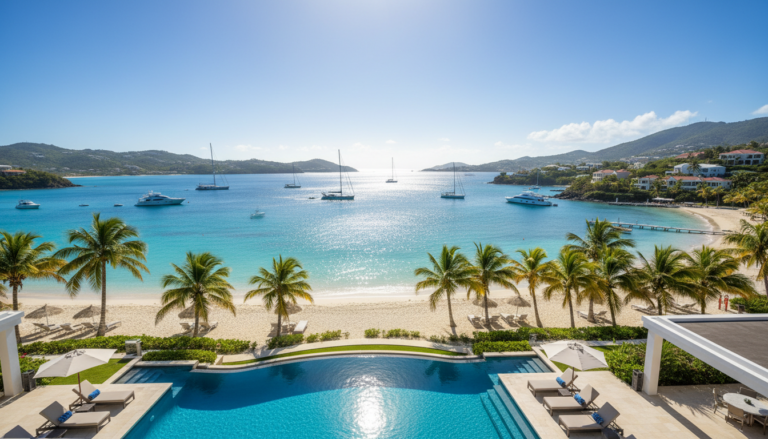
Geographically, this region does something unusual for Morocco: it touches both the Atlantic and the Mediterranean, with the Strait of Gibraltar pinching the two together at Tangier. West of the city, Atlantic beaches roll out towards wilder, windier coastline; east and north, the Mediterranean shore softens into coves around Tetouan and Al Hoceima. Between the two, the Rif Mountains rise sharply – green and genuinely mountainous, not the gentle hills some photographs suggest – cut through with rivers, terraced farms and the odd waterfall that makes the drive worthwhile.
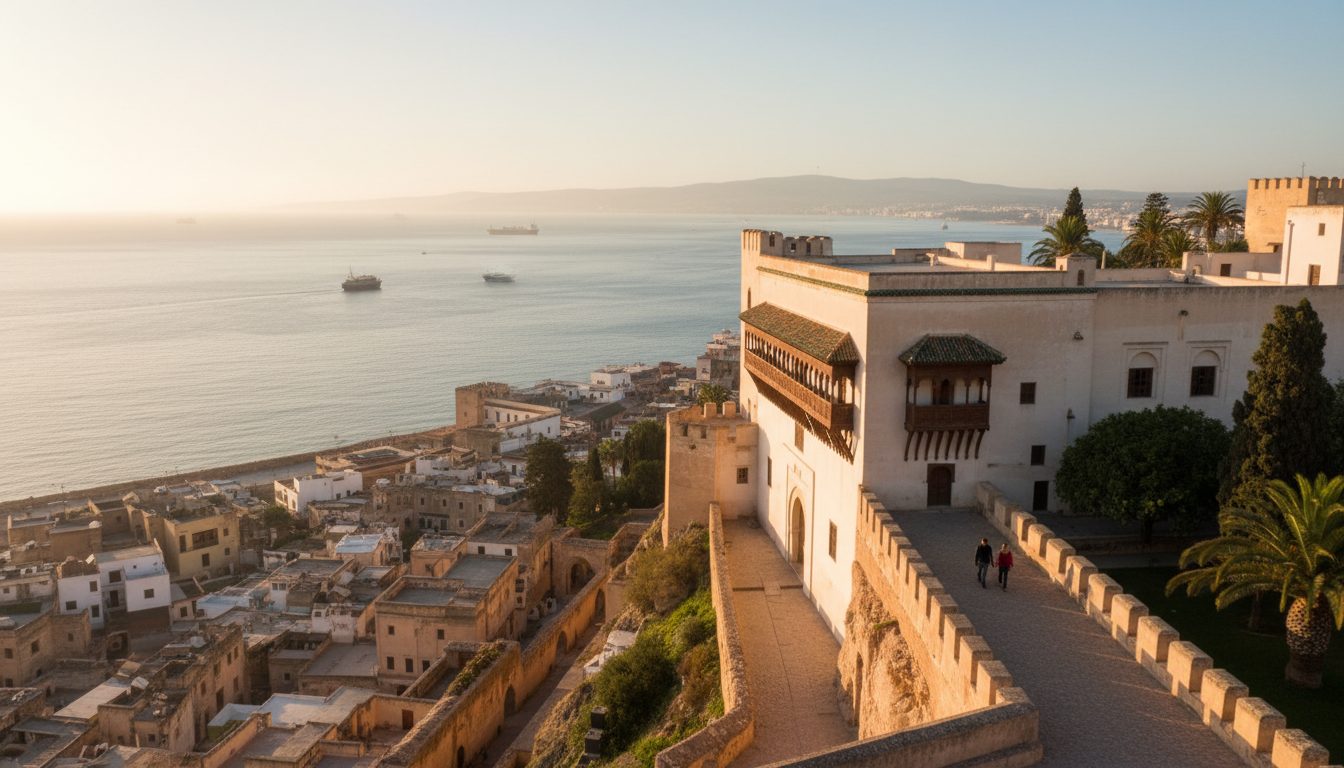
Tangier itself is a working port city with a medina spilling down towards the water, overlaid with decades of diplomatic and literary history. Tetouan, a UNESCO-listed old town, feels notably calmer and more Andalusian in its architecture. Chefchaouen, tucked into the foothills, is the blue-washed mountain town everyone has seen on a screen before they have seen it in person. Al Hoceima, further east, is quieter still – a Mediterranean beach town with cliffs, turquoise water and noticeably fewer tour buses.
Things to Do in Tangier-Tétouan-Al Hoceima: More Than a Blue Wall
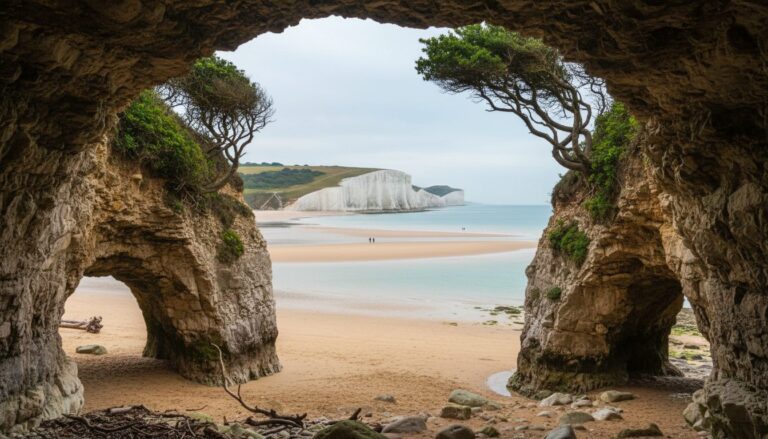
Tangier’s medina and kasbah reward aimless wandering more than any checklist, and the Caves of Hercules on the Atlantic coast remain a genuinely odd, worthwhile detour. Chefchaouen’s photogenic streets are best enjoyed early, before the day-trip coaches arrive from Tangier and the light turns flat and crowded. Tetouan’s old town and its artisan workshops offer a quieter, more lived-in version of the same medina experience.
Day trips into the Rif for the Akchour waterfalls are close to compulsory for anyone with a free day and decent shoes, and the drive alone – switchbacks through terraced hillsides – earns its place. Along the coast, Al Hoceima’s beaches and the drive up to its clifftop viewpoints make for an easy, scenic day, while history lovers can spend a happy afternoon tracing Tangier’s old International Zone sites, when the city was governed by committee and populated by spies, exiles and novelists in roughly equal measure.
Outdoor and Adventure Activities in Tangier-Tétouan-Al Hoceima: Mountains Meet Two Seas
The Rif Mountains offer some of Morocco’s best accessible hiking, with trails around Chefchaouen and the Akchour waterfalls running through pine forest and limestone gorges that stay green well into autumn. Spring hikers get the fullest waterfalls; by late summer the flow thins considerably, though the walking stays pleasant.
On the coast, Tangier’s Atlantic side picks up a reliable wind that makes it a reasonable, if under-promoted, spot for kitesurfing and windsurfing, while the calmer Mediterranean waters around Al Hoceima suit swimming, snorkelling and small-boat diving along rockier coves. None of this is the polished adventure-sports infrastructure of the Alps or the Algarve – bring your own gear or book locally, and don’t expect much English on the equipment rental forms.
Tangier-Tétouan-Al Hoceima for Families
Families with younger children may find the steep medina streets, heat-prone afternoons and long inter-town drives more tiring than relaxing. Those with teenagers or older children, however, tend to do rather well here – Chefchaouen’s maze of blue alleys is essentially a giant game of hide and seek, Al Hoceima’s beaches are calm enough for confident swimmers, and the Rif waterfalls make for a proper adventure day that doesn’t involve a single screen. Pack layers regardless of season, since mountain evenings cool quickly even when the coast is warm, and build in rest days between sightseeing – this is not a region that rewards an over-ambitious itinerary.
History and Culture of Tangier-Tétouan-Al Hoceima
Few corners of Morocco carry quite this much layered history. Tangier spent much of the twentieth century as an International Zone, jointly administered by foreign powers and loosely policed enough to attract diplomats, smugglers and writers in roughly equal numbers – a legacy still visible in its faded consulate buildings and literary cafés. Tetouan’s old town owes its distinctive whitewashed, tile-heavy architecture to Andalusian refugees who arrived after the fall of Granada, bringing craft traditions that persist in its workshops today. Chefchaouen’s blue walls, meanwhile, have a murkier and more disputed history – theories range from Jewish refugee tradition to mosquito deterrence to simple aesthetic preference – but the effect, whatever the cause, remains disarming. Further into the Rif, Berber culture and language persist strongly, with markets, music and festivals that owe little to the Arabic-speaking cities further south.
Shopping in Tangier-Tétouan-Al Hoceima
Tangier’s medina souks deal in leather goods, spices, brassware and carpets, with bargaining expected and theatrical on both sides. Tetouan’s artisan quarters are known for finer leatherwork and embroidery, a direct inheritance from its Andalusian craft traditions. Chefchaouen’s shops lean into their blue-and-white setting with woven textiles, woollen goods from Rif flocks, and local honey and goat’s cheese worth packing carefully rather than squeezing into carry-on at the last minute. Prices drop noticeably the further you get from the main tourist strips, which is less a conspiracy than simple supply and demand.
Where to Stay in Tangier-Tétouan-Al Hoceima
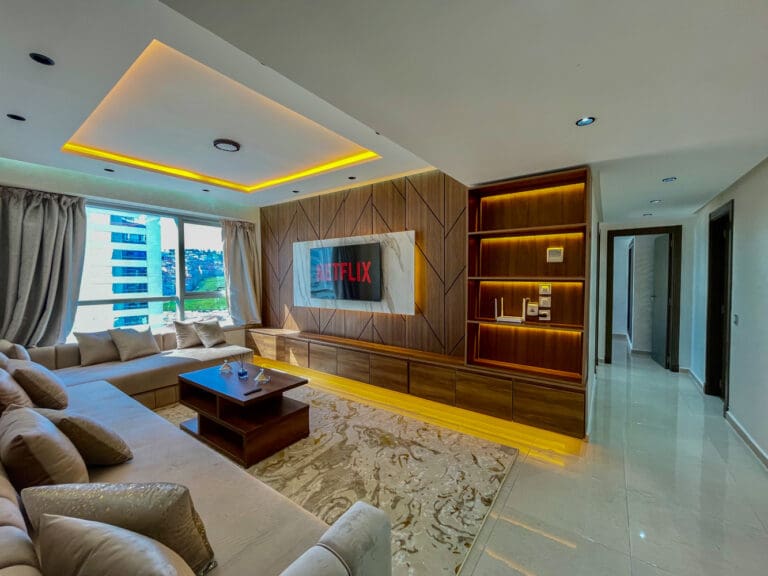
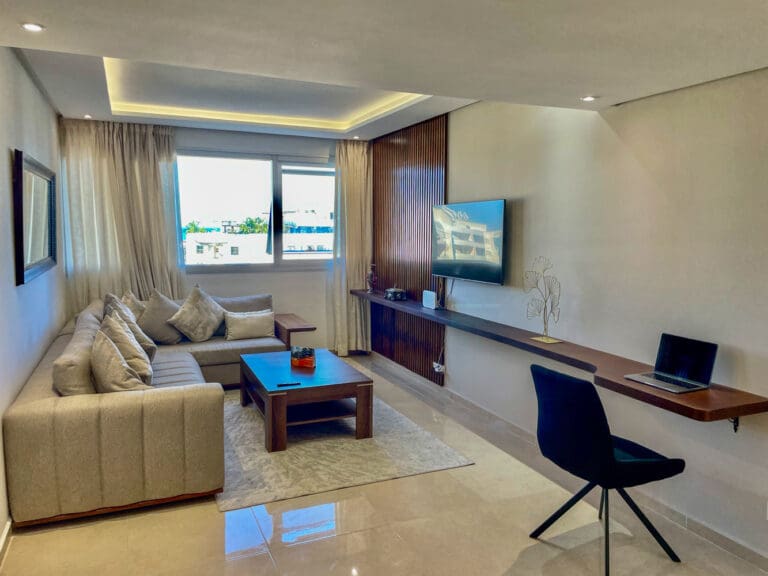
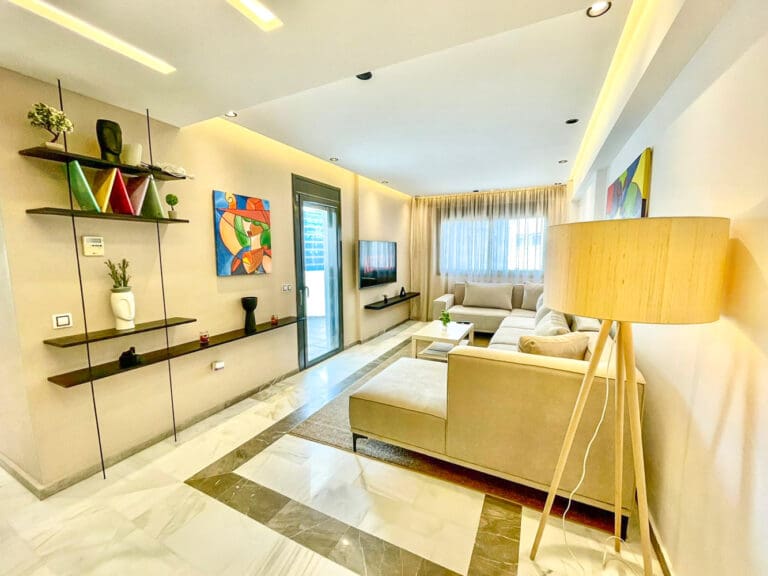
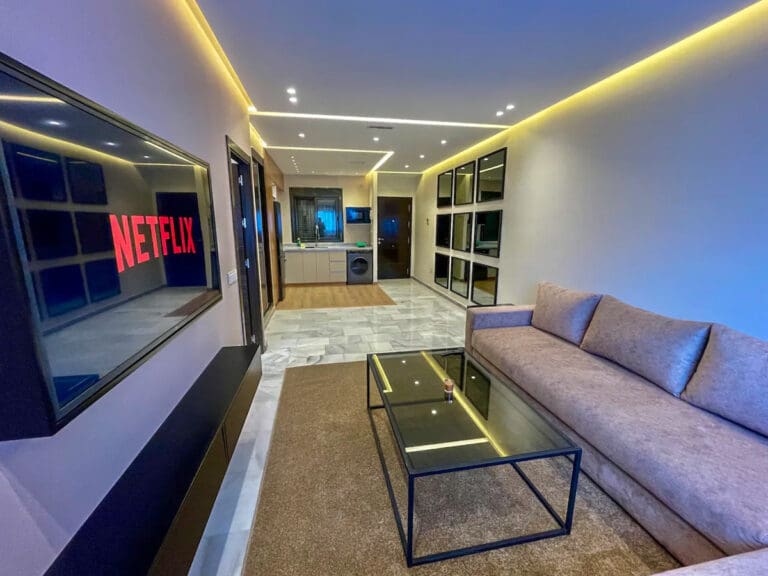
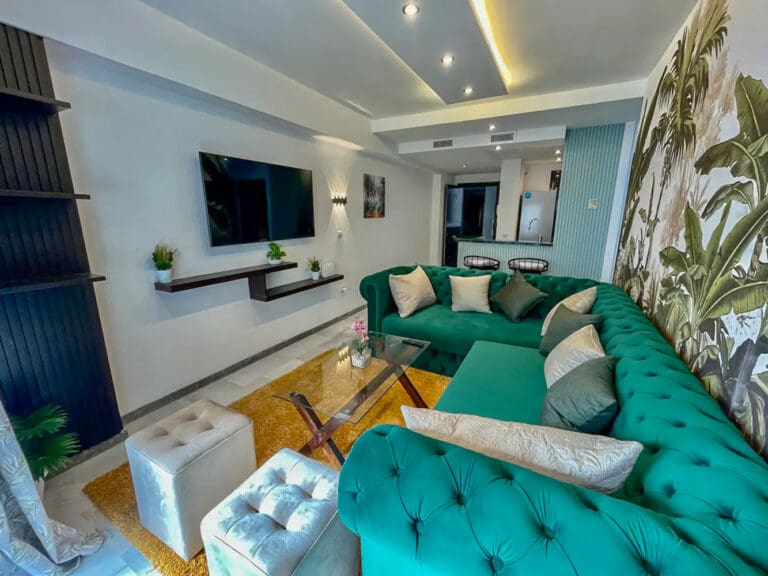
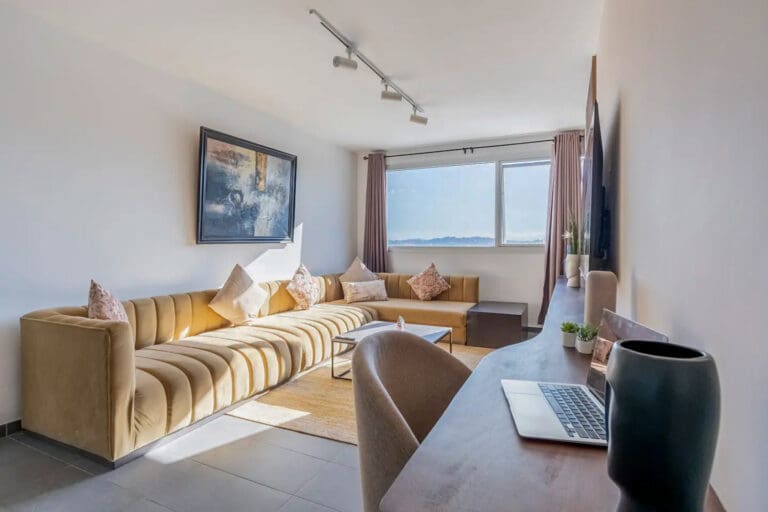
Tangier makes the most practical first base – well connected by air, ferry and rail, lively in the evenings, and walkable once you accept the medina will occasionally defeat your sense of direction. Chefchaouen suits those wanting a slower, village-paced few days, with everything reachable on foot and little need for a car once you’ve arrived. Tetouan offers a quieter, more authentic alternative to Chefchaouen’s crowds, with genuine old-town atmosphere and shorter queues for everything. Al Hoceima, further east, suits travellers prioritising beach time and Mediterranean scenery over medina-hopping, though it demands a car or driver given the distances involved. Those wanting more space and privacy than a riad typically offers might also look at villas in Tangier-Tétouan-Al Hoceima, particularly along the coast or in the hills above the main towns.
Practical Tips for Visiting Tangier-Tétouan-Al Hoceima
The currency is the Moroccan dirham, and cash is still king in medinas and smaller towns, even if card machines have crept into city hotels. Arabic and French are the main languages, with Spanish widely understood in the north given the proximity to Spain – a useful fallback if your French has gone rusty. Tipping of around 10% is customary in restaurants, and small notes are handy for guides, porters and the inevitable parking attendant who appears from nowhere. Modest dress is appreciated away from beaches, particularly in medinas and during Ramadan, when daytime restaurant hours shift noticeably. Safety is generally good throughout the region, though usual city-centre vigilance applies, especially around transport hubs. Book accommodation in Chefchaouen well ahead for spring and early autumn weekends, when its narrow lanes fill quickly, and arrange mountain guides in advance if hiking beyond the well-marked Akchour trail.
Tangier-Tétouan-Al Hoceima FAQs
What is the best time to visit Tangier-Tétouan-Al Hoceima?
March to May and September to November offer the most reliable weather, with daytime temperatures around 18-25°C, green mountain scenery and stronger waterfalls in spring. Winter brings rain and genuinely cold Rif evenings but the emptiest sights and lowest prices; July and August are hot and crowded inland.
How do I get to Tangier-Tétouan-Al Hoceima?
Most travellers fly into Tangier Ibn Battouta Airport (TNG), about 20-25 minutes from the city centre. Alternatives include Tetouan’s small Sania Ramel Airport, Al Hoceima’s Cherif Al Idrissi Airport for the eastern coast, the Al Boraq high-speed train from Rabat or Casablanca, or the fast ferry from Tarifa in Spain direct to Tangier’s port.
What is Tangier-Tétouan-Al Hoceima known for?
The region is known for Tangier’s historic medina and International Zone past, Chefchaouen’s blue-washed old town, Rif Mountain hiking and waterfalls, and a dual coastline spanning both the Atlantic and Mediterranean.
How many days do you need in Tangier-Tétouan-Al Hoceima?
A realistic trip runs five to seven days: two in Tangier, two in Chefchaouen with a waterfall day trip, and the remainder split between Tetouan and the Al Hoceima coast, depending on how much driving you’re willing to do.
Is Tangier-Tétouan-Al Hoceima good for families?
It works well for families with older children or teenagers who enjoy walking, markets and a bit of adventure, but steep medina streets, heat and long drives between towns make it harder going with very young children.
Where is the best place to stay in Tangier-Tétouan-Al Hoceima?
Tangier suits first-time visitors wanting transport links and evening life; Chefchaouen suits slower, village-paced stays; Tetouan offers a quieter alternative with genuine old-town character; Al Hoceima suits those prioritising Mediterranean beaches, provided you have a car.
Do you need a car in Tangier-Tétouan-Al Hoceima?
Within towns like Chefchaouen and the Tangier medina, no – they’re entirely walkable. Between towns, particularly to reach Al Hoceima, the Rif waterfalls or more remote coastline, a hired car or private driver makes the region far easier to cover, since bus and rail links don’t reach everywhere.
Where to stay
Villas in Tangier-Tétouan-Al Hoceima
A selection from our 6 luxury villas in Tangier-Tétouan-Al Hoceima.