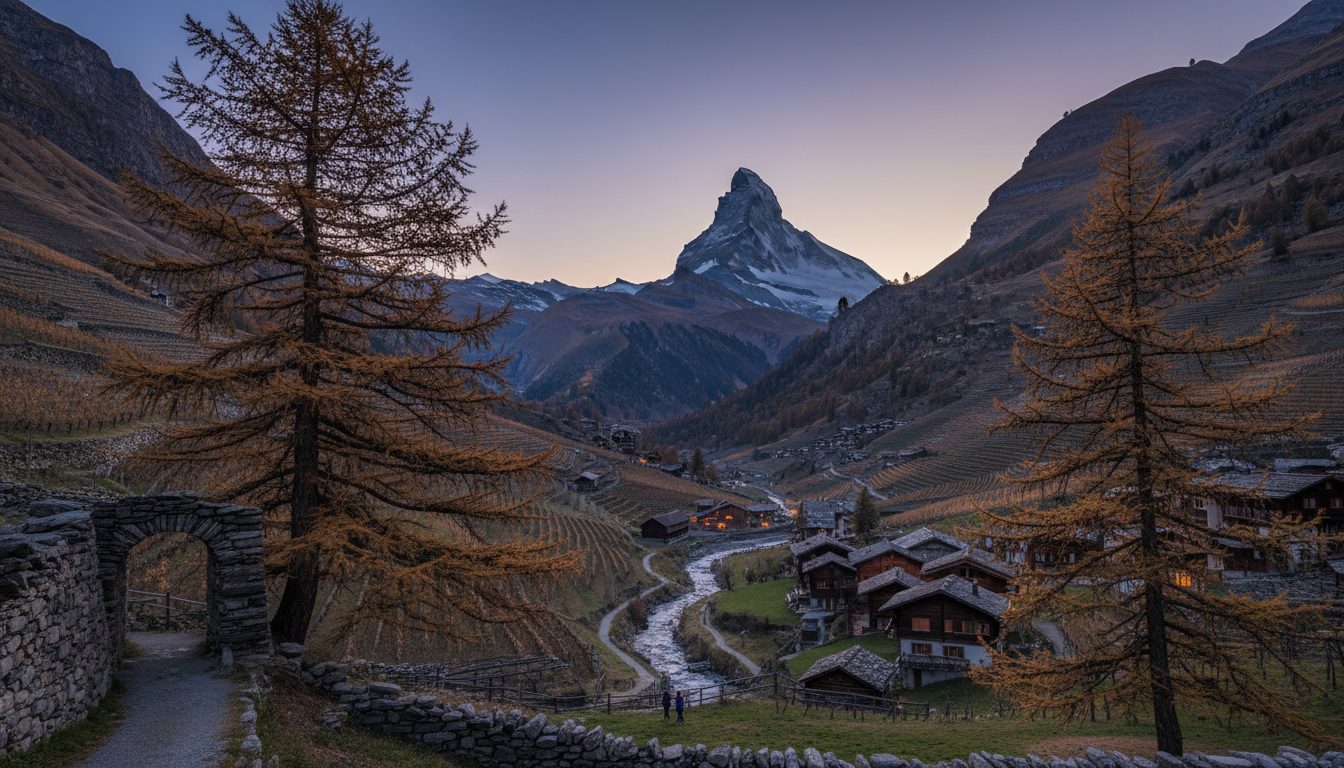
Best Time to Visit Valais: Matterhorn, Vineyards and Raclette
The best time to visit Valais is June to September for hiking and warm weather, or December to March for skiing in resorts such as Zermatt and Verbier. May and late September offer a shoulder-season balance of mild temperatures, lower prices and fewer crowds. Valais is Switzerland’s driest canton, so even winter and spring often bring more sunshine than visitors expect.
Here’s the confession: I arrived in Valais with an umbrella, because I had read somewhere that it was in Switzerland and assumed the usual Alpine drizzle. I never once opened it. Valais, it turns out, sits in a rain shadow created by its own ring of mountains, and is officially the driest canton in the country – drier than the vineyards of Spain in places, which is an odd thing to say about a region best known for glaciers. That single meteorological quirk rearranges almost everything you think you know about when to go. This isn’t a destination with one obvious season and a grey off-season either side of it. It has at least four distinct, genuinely good reasons to visit, and the trick is simply matching the month to what you actually want to do. For the bigger picture on getting here and getting around, the Valais Travel Guide covers the practicalities. This page is just about timing.
Valais at a Glance
- Best overall months: June, July, September
- Best for skiing: January to March
- Best for hiking: late June to September
- Best value / fewest crowds: May, early June, late September, November
- Busiest and priciest: late December to early January, July and August, February school holidays
- Driest months: most of them – Valais averages far more sunshine than the Swiss average year-round
Visiting Valais in Winter: December, January and February
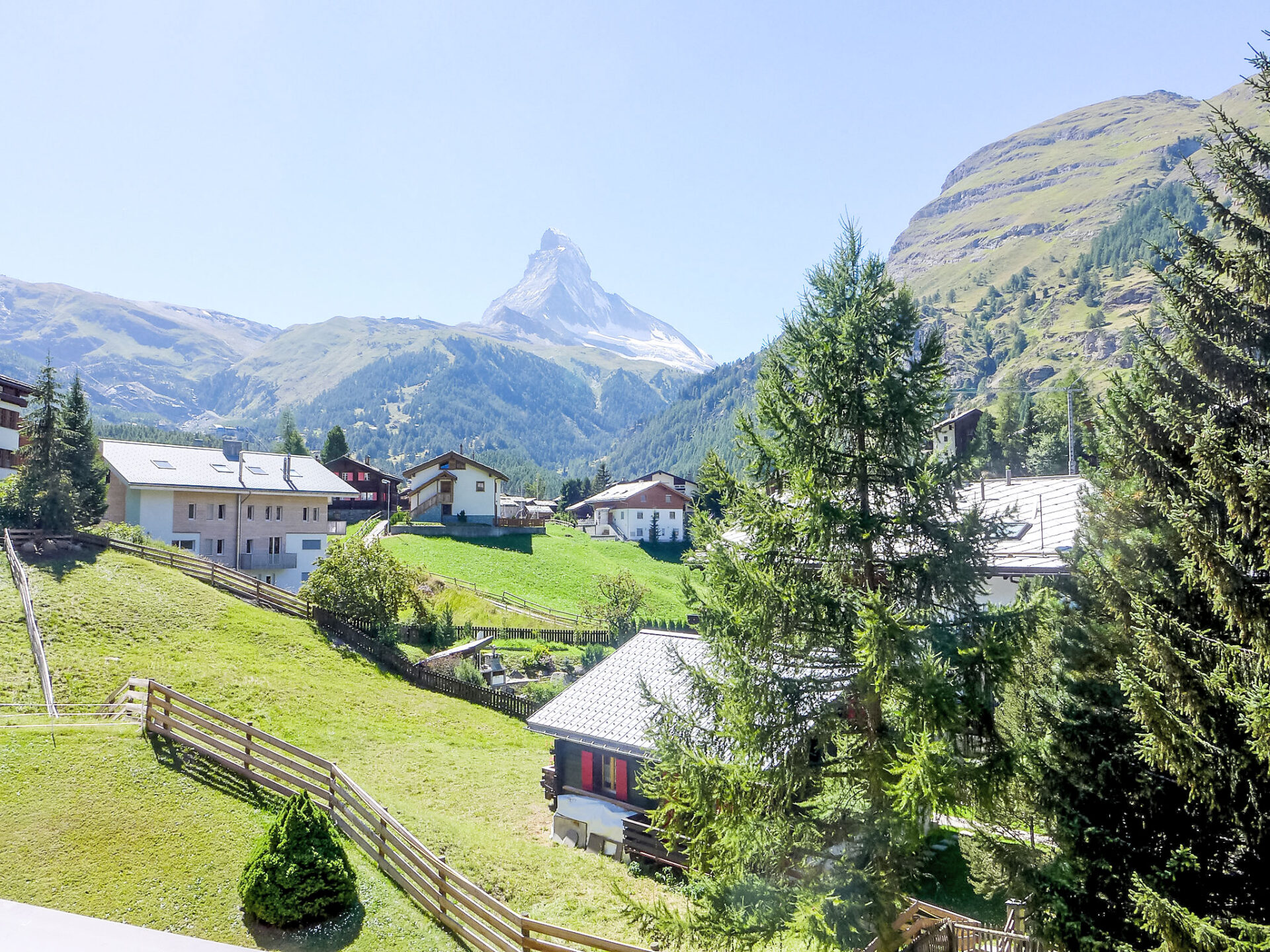
Winter is when Valais performs its most famous trick, hauling the Matterhorn and its neighbours into the kind of crisp, high-altitude sunshine that makes skiers in duller parts of the Alps quietly resentful. Valley towns like Sion sit around 1 to 5°C (34 to 41°F) by day, often clear, while resort villages such as Zermatt, Verbier and Saas-Fee hover between -5 and 2°C (23 to 36°F), colder higher up the lifts. Snow reliability is generally strong from December through March, helped by altitude rather than luck. December brings Christmas markets to the main towns and the first rush of the festive ski crowd – expect high prices and full restaurants between Christmas and New Year, then a surprising lull in early January before February’s school holidays refill every chairlift queue. Late February also brings the Tschäggättä, the Lötschental’s unsettling and genuinely striking carnival tradition of masked figures roaming the snow, worth seeing if your dates align. This season suits skiers, snowshoers and anyone who finds raclette – the valley’s own melted-cheese dish, not a tourist invention but a proper regional staple – an acceptable dinner four nights running.
Visiting Valais in Spring: March, April and May
Spring in Valais is a game of two altitudes. Down in the Rhône valley, apricot and apple trees blossom early and temperatures climb fast – March averages 8 to 12°C (46 to 54°F), April 13 to 17°C (55 to 63°F), May 17 to 21°C (63 to 70°F) – while the high resorts can still be skiing on decent spring snow well into April. This overlap is the season’s great, under-used advantage: you can ski in the morning and sit outside in a vineyard village by afternoon, which feels like cheating. Many mountain hotels and lifts close for a few weeks between the ski and hiking seasons, usually mid-April to early June, so check specific resort closures before building an itinerary around high-altitude trails. Lower valley paths, however, are glorious in May, with wildflowers arriving and almost nobody else on them. Prices drop noticeably once the ski crowd leaves, and this is arguably the best-value month of the Valais calendar for anyone not fussed about reaching the very top of a mountain.
Visiting Valais in Summer: June, July and August
Summer is when Valais becomes properly warm, sometimes startlingly so – Sion and the lower valley regularly reach 25 to 30°C (77 to 86°F), occasionally higher during heatwaves, while resort villages at altitude stay a kinder 18 to 23°C (64 to 73°F), one reason Zermatt and Verbier fill with valley-dwellers escaping the heat. This is peak hiking season, with the famous bisses – centuries-old irrigation channels now used as walking trails – fully open and running with meltwater, and high passes accessible from late June onward. July brings the Verbier Festival’s classical music crowd and Combat des Reines events, where Valais’s Hérens cattle headbutt each other for dominance in a tradition that is somehow both ancient and faintly absurd to watch. August is the busiest month of all – European holidaymakers, school breaks, and the entire valley booked solid – so expect higher prices, fuller trails and restaurants needing reservations. If you want summer scenery without summer crowds, aim for June before school holidays start, or the first half of September below.
Visiting Valais in Autumn: September, October and November
Autumn is the season locals quietly prefer and visitors routinely overlook, which tells you most of what you need to know. September holds onto summer warmth – typically 18 to 23°C (64 to 73°F) in the valley – while crowds thin dramatically after the first week, larch forests begin turning gold through October, and grape harvest activity fills the vineyard villages around Sion and Sierre with a particular, slightly boozy energy. October temperatures settle around 11 to 15°C (52 to 59°F), still pleasant for lower-altitude walking, with the first snow dusting the high peaks for dramatic photographs rather than actual skiing. November is Valais’s true off-season: many hotels, cable cars and mountain restaurants close for the gap between hiking and ski seasons, average highs drop to 6 to 9°C (43 to 48°F), and the valley goes quiet in a way that suits travellers who find empty squares more appealing than full ones. Book ahead if visiting in November, since limited opening hours rather than limited beauty is the main constraint.
Best Time to Visit Valais for Skiing
January through March is the dependable core of the Valais ski season, with snow conditions generally most consistent from mid-January onward once early-season base has built up properly. December can be excellent or patchy depending on the year, so skiers chasing guaranteed powder should lean later rather than earlier. High-altitude resorts with glacier access extend skiing into spring and, in a few cases, summer, which is unusual even by Alpine standards. February’s school holiday fortnight is the single busiest and most expensive ski window of the year across the canton – lift queues lengthen, restaurant bookings tighten, and anyone who can shift their trip to January or March will be rewarded with the same snow and considerably more elbow room.
Best Time to Visit Valais for Hiking
Late June through September is the reliable hiking window, once snow has cleared from higher passes and mountain refuges have reopened for the season. Peak wildflower season arrives in July, while the clearest long-distance mountain views – including the Matterhorn and the Aletsch Glacier region – tend to come in late summer and early autumn, before haze builds. September is arguably the sweet spot: trails are still fully open, days remain warm, and the crowds of August have mostly gone home. Those wanting solitude over certainty of open facilities might push into early October instead, accepting shorter days and a greater chance of an early alpine snowfall in exchange for near-empty paths.
Shoulder Season in Valais: Why It Works
Valais rewards shoulder-season timing more generously than many Alpine regions, largely because its dry climate means late spring and early autumn rarely descend into the grey, sodden weeks that can plague shoulder months elsewhere. May and June offer blossom, open lower trails, melting ski fields overhead and noticeably lower accommodation prices before the summer rush. Mid-September through early October gives much the same deal in reverse – harvest activity, golden larches, warm valley afternoons and quieter trails, with the added bonus of restaurants happy to have the table to themselves for once. The trade-off in both windows is that some higher cable cars and mountain huts may not yet be, or may no longer be, open, so flexibility and a quick check of specific lift schedules pays off.
Off-Season Valais: The Case for Going When No One Else Does
November and the first half of December are Valais at its most unfashionable, and that is rather the point. Hotels drop rates, village squares empty out, and the valley settles into a genuine working-life rhythm rather than a tourist one – locals doing their shopping, vineyards pruned back for winter, mist sitting low over the Rhône in the mornings. Expect limited opening hours, closed cable cars and a narrower choice of restaurants, so this suits independent travellers more than those wanting a packed itinerary. What you get in return is a version of Valais few visitors bother to see: quiet, slightly austere, and all the more memorable for not performing for an audience.
For anyone deciding when to go, the next practical step is deciding where to stay – villas in Valais are worth browsing once you’ve settled on a month.
Valais Weather and Seasons FAQs
Is Valais sunnier than the rest of Switzerland?
Yes. Valais is widely regarded as Switzerland’s driest and sunniest canton, thanks to a rain shadow created by the surrounding mountain ranges, meaning it often sees clearer skies than other Swiss regions in the same week.
What is the rainiest time of year in Valais?
Late spring and early summer, roughly May into June, bring the highest chance of rain and occasional thunderstorms, though even then Valais typically records fewer wet days than most of the surrounding Alps.
Do mountain restaurants and cable cars stay open all year in Valais?
No. Many higher-altitude restaurants, hotels and lifts close for short periods between seasons, typically mid-spring and again in November, so it is worth checking specific opening dates before planning a trip around high-altitude access.
Keep reading
More on Valais
Guides to places in Valais
Where to stay
Villas in Valais
A selection from our 272 luxury villas in Valais.