Discover Cordoba’s Historic Streets – Gardens & Festivals
Thinking about a trip to Cordoba? It’s a city that really captures your imagination, especially if you love history and beautiful flowers. From its amazing buildings to the quiet courtyards bursting with colour, there’s a lot to see. This Cordoba travel guide will help you get a feel for what makes this Andalusian gem so special, covering everything from ancient sites to lively spring celebrations. It’s a place that stays with you long after you’ve left.
Key Takeaways
- Explore the historic heart where Islamic, Jewish, and Christian influences meet, centred around the stunning Mosque-Cathedral.
- Discover the famed Cordoban patios, especially in the San Basilio neighbourhood, which are a riot of colour and plant life.
- Experience the city’s vibrant spring festivals, including the Cruces de Mayo and the Feria de Cordoba, which fill the streets with life.
- Venture to Medina Azahara, the ruins of a former Caliphate capital, for a glimpse into Cordoba’s grand past.
- Wander through the winding streets of the Jewish Quarter and explore the Alcázar’s beautiful gardens for a taste of history and tranquility.
A Tapestry of Cultures: Cordoba’s Historic Heart
Cordoba’s historic centre is a true cultural mosaic where Roman, Christian, Islamic, and Jewish heritages converge. Its most emblematic monuments are a living testimony to this rich history. The imposing Mosque-Cathedral, with its unmistakable forest of columns and horseshoe arches, is one of the greatest architectural treasures in the world. But not far behind are the Alcázar de los Reyes Cristianos, with its beautiful gardens; the Synagogue, a vestige of the Jewish community; or the Roman Bridge, which links the present with the past across the Guadalquivir River.
The Mesmerising Mosque-Cathedral
This awe-inspiring structure, originally a grand mosque, later saw the addition of a cathedral within its walls. It stands as a remarkable example of architectural evolution, showcasing intricate Islamic artistry alongside later Christian modifications. Wandering through its forest of columns and arches is like stepping back through centuries of faith and artistry. It’s a place that truly captures the layered history of Cordoba’s old town.
Echoes of Al-Andalus: The Jewish Quarter
Lose yourself in the labyrinthine alleys of the Judería, Cordoba’s historic Jewish Quarter. Here, whitewashed walls adorned with vibrant flowers create a picturesque setting. Discover hidden plazas, the ancient Synagogue, and soak in the atmosphere that whispers tales of a vibrant past. It’s a place to wander and discover at your own pace.
Roman Legacies: The Enduring Bridge
Spanning the Guadalquivir River, the Roman Bridge is more than just a crossing; it’s a tangible link to Cordoba’s ancient origins. Originally built in the 1st century BCE, it has witnessed the ebb and flow of empires and cultures. Standing on its ancient stones, you can almost feel the presence of Roman legions and imagine the bustling city it once served. It’s a powerful reminder of the city’s deep historical roots.
The Enchantment of Cordoba’s Courtyards
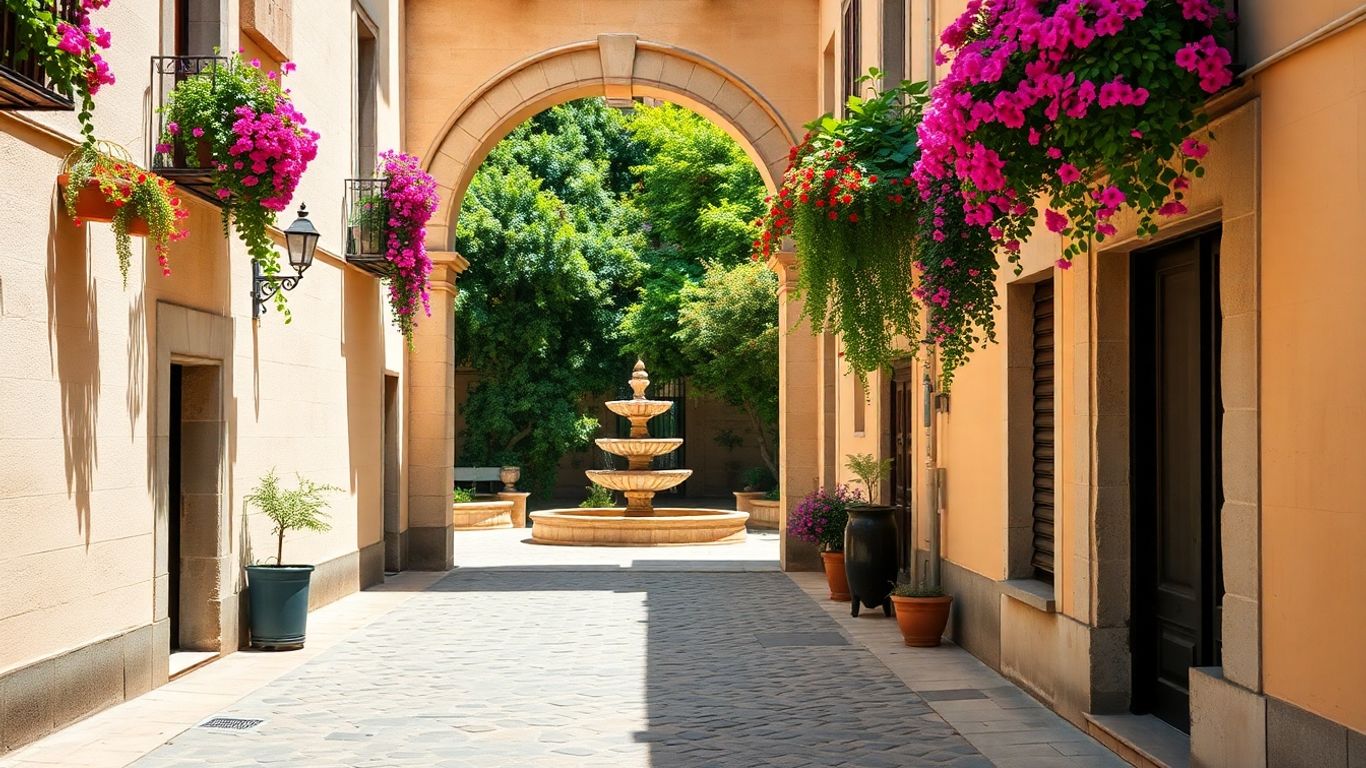
Cordoba is truly a city that blooms, and nowhere is this more evident than in its stunning private courtyards, or ‘patios’. These aren’t just decorative spaces; they are living, breathing works of art, a testament to the city’s deep connection with nature and its history of cultural fusion. Imagine stepping into a hidden oasis, where the air is thick with the scent of jasmine and geraniums spill from every terracotta pot. It’s a sensory delight that defines the very soul of Cordoba.
The Celebrated Patios Festival
This is perhaps the most famous expression of Cordoba’s courtyard culture. Held annually in May, the Patios Festival sees residents open their usually private courtyards to the public. It’s a chance to witness an incredible display of horticultural talent and traditional Cordoban life.
- A riot of colour: Expect to see a dazzling array of flowers, from vibrant bougainvillea to delicate carnations, all meticulously arranged.
- Architectural charm: Many courtyards feature traditional Cordoban architecture, with whitewashed walls, wrought-iron details, and cooling fountains.
- A competitive spirit: The festival is also a competition, with owners vying for the title of the most beautiful patio.
During the festival, the city buzzes with an extra layer of excitement. It’s a wonderful time to explore, though it can get quite busy. For a more intimate experience, consider visiting outside of the main festival dates; many patios are open year-round, offering a quieter glimpse into this unique tradition. You can find more details about visiting the patios of Cordoba throughout the year.
Discovering San Basilio’s Hidden Gems
The San Basilio neighbourhood is particularly renowned for its concentration of prize-winning patios. Wandering through its narrow streets feels like stepping back in time.
This area offers a particularly authentic experience, allowing you to appreciate the dedication and passion that goes into maintaining these floral sanctuaries. It’s a chance to see Cordoba’s beauty at a more personal scale.
Many of these courtyards are accessible year-round, allowing you to soak in their beauty without the festival crowds. It’s a perfect opportunity for photographers or anyone seeking a tranquil moment amidst the city’s vibrant energy.
Palacio de Viana’s Floral Masterpieces
For a truly regal experience, the Palacio de Viana is an absolute must-visit. This historic palace boasts twelve distinct courtyards, each with its own unique character and floral theme. It’s a journey through different styles and eras, all united by an exquisite display of plant life. From formal gardens to more intimate, rustic settings, the palace showcases the versatility and enduring appeal of the Cordoban courtyard. It’s a place where history and horticulture intertwine beautifully.
Springtime Splendour: Festivals and Floral Displays
When spring arrives in Cordoba, the city truly comes alive, bursting with colour and a palpable sense of celebration. May, in particular, is a magical month, a time when the air is thick with the scent of orange blossom and jasmine, and the streets hum with traditional festivities. It’s a period that showcases the very soul of Andalucia.
The Vibrant Cruces de Mayo
Kicking off the spring celebrations is the Festival of the Crosses, or Cruces de Mayo. This event sees the city’s squares and patios adorned with large, ornate crosses, meticulously decorated with a profusion of fresh flowers and often accompanied by traditional music. It’s a beautiful display, a real testament to the local devotion and artistry. Many of these crosses are found in the historic San Basilio neighbourhood, offering a wonderful opportunity to wander through its charming streets.
The Elegant Battle of Flowers
Following the Cruces de Mayo, the city hosts the ‘Batalla de las Flores’, or Battle of Flowers. This is a truly spectacular parade, where beautifully decorated floats, often overflowing with thousands of blooms, make their way through the city. People on the floats toss flowers into the crowds, creating a joyous, confetti-like shower of petals. It’s a delightful spectacle, a vibrant explosion of colour and fragrance that captures the spirit of Cordoba in spring. You can find out more about these events on the official tourism site.
The Lively Feria de Cordoba
Concluding the spring festival season is the grand Feria de Cordoba. This week-long event is a quintessential Andalusian fair, transforming a dedicated fairground into a temporary village. Expect a lively atmosphere filled with music, dancing, traditional dress, and countless ‘casetas’ (marquees) where you can sample local food and drink. It’s a fantastic chance to experience authentic Spanish culture, with performances and activities happening throughout the day and into the night. The fair is a true immersion into the heart of Cordoban life.
Beyond the Monuments: Immersive Cordoba Experiences
While Cordoba’s grand monuments are undeniably captivating, the true spirit of this Andalusian gem is often found in its more intimate, sensory experiences. To truly connect with the city, venture beyond the well-trodden paths and allow yourself to be swept up in its living culture.
A Culinary Journey Through Local Flavours
Prepare your palate for a delightful exploration of Cordoba’s distinctive cuisine. The city’s dishes are a reflection of its rich history, blending Moorish, Jewish, and Christian influences.
- Salmorejo: A chilled tomato soup, thicker than gazpacho, often garnished with ham and hard-boiled egg. It’s a refreshing staple.
- Flamenquín: A rolled pork loin, stuffed with ham, breaded, and fried to a golden crisp. Surprisingly light despite its appearance.
- Aubergines with Honey: A sweet and savoury combination that showcases the local produce, often served as a tapa.
Don’t miss the chance to sample these delights in the traditional taverns scattered throughout the old town, particularly in the charming neighbourhoods of San Lorenzo and Santa Marina. Each bite tells a story of the region.
The Grace of Andalusian Horses
Witness the breathtaking elegance of the Andalusian horse, a breed synonymous with this part of Spain. The Royal Stables (Caballerizas Reales), located just behind the Alcázar, offer a unique opportunity to experience their majesty.
The rhythmic sound of hooves on stone, the proud posture, and the sheer power contained within these magnificent creatures is something to behold. It’s a performance that speaks of centuries of tradition and careful breeding.
Consider attending an evening show, such as ‘Passion and Spirit of the Andalusian Horse’, for a truly memorable display of their training and artistry. Even catching an afternoon practice session can be a rewarding glimpse into their world.
Exploring the Fernandine Churches
Discover the architectural legacy of Ferdinand III by seeking out the Fernandine Churches, built between the 13th and 14th centuries. These structures represent a significant period of Christian reconquest and architectural development in Cordoba.
Several walking routes are available to help you explore these historical sites:
- Axerchia Route: Includes San Andrés, San Lorenzo (often cited as a masterpiece of medieval Cordoban architecture), Santa Marina, and San Pablo.
- Axerchia II Route: Features the Baroque San Francisco, San Pedro, and the Church of the Magdalene.
- Villa Route: Covers churches in the former Villa de Córdoba, such as San Nicolas, San Miguel, and Santo Domingo de Silos.
Each church offers a distinct glimpse into the city’s past, with San Lorenzo being a particularly noteworthy example of the era’s architectural style.
Journeys Through Time: The Caliphate’s Grandeur
Cordoba’s past is truly something else, especially when you think about the Caliphate era. It was a time when this city was a major centre of learning and culture, and you can still feel that history when you wander around.
Medina Azahara: A Glimpse of Royal Splendour
Just a short trip from the city centre lies Medina Azahara. This isn’t just any old ruin; it was once a magnificent palace-city, built by the Caliph Abd al-Rahman III. Imagine a sprawling complex with grand halls, administrative buildings, and even residential areas. It was the seat of power for the Caliphate of Cordoba, a testament to their wealth and influence.
- Explore the remnants of the Salón de los Reyes (Hall of the Kings).
- See the intricate details of the Casa de la Moneda (Mint).
- Wander through the archaeological remains that hint at its former glory.
It’s a place that really transports you back to the height of Al-Andalus.
The scale of Medina Azahara is quite something. Even in ruins, you get a sense of the immense planning and artistry that went into its creation. It’s a powerful reminder of Cordoba’s historical significance.
The Alcázar: Gardens of Royal History
The Alcázar de los Reyes Cristianos, while later modified, has roots stretching back to the Caliphate period. It served as a royal residence and fortress. The real magic, though, lies in its stunning gardens. These aren’t just pretty spaces; they’re a carefully designed landscape that reflects centuries of history and royal life. You can almost picture the caliphs and kings strolling through these very grounds. It’s a peaceful escape that offers a different perspective on Cordoba’s royal past. For those seeking exceptional stays, you might find similar grandeur in luxury villa rentals.
- Admire the tiered gardens with their fountains and pools.
- Visit the historic rooms within the Alcázar itself.
- Enjoy the panoramic views over the city and the Guadalquivir River.
Discovering Cordoba: A Comprehensive Travel Guide
Navigating Cordoba’s Charming Streets
Cordoba’s historic centre is a place to wander, to get a little lost. The narrow, winding lanes, often draped with vibrant flowers, invite exploration. It’s best to simply let your feet lead you; you never know what delightful square or hidden courtyard you might stumble upon.
- Wear comfortable shoes – you’ll be doing a lot of walking.
- Allow yourself to deviate from any planned route; serendipity is key here.
- Look up! The balconies and upper levels often hold their own beauty.
The true essence of Cordoba is found not just in its grand monuments, but in the quiet moments spent discovering its intimate corners. Each turn reveals a new perspective, a fresh scent of jasmine, or the gentle murmur of a hidden fountain.
Essential Stops for the Discerning Traveller
While aimless wandering is encouraged, certain landmarks are simply unmissable for a true appreciation of Cordoba’s layered history. These are the places that tell the story of the city’s past.
- The Mosque-Cathedral: A breathtaking fusion of Islamic and Christian architecture, its forest of columns is unforgettable.
- The Jewish Quarter (Judería): Explore its whitewashed alleys, visit the historic Synagogue, and soak in the atmosphere.
- Alcázar de los Reyes Cristianos: Discover its beautiful gardens and learn about its royal past.
- Medina Azahara: Venture slightly outside the city to witness the remains of a vast Caliphal palace city.
Experiencing Cordoba’s Lively Squares
Cordoba’s squares are the city’s living rooms, places where locals and visitors alike gather. They offer a chance to pause, observe, and absorb the local rhythm.
- Plaza de las Tendillas: The modern heart of the city, often a meeting point.
- Plaza de la Corredera: A grand, arcaded square with a unique history, perfect for a coffee or a drink.
- Plaza del Potro: Home to the Posada del Potro, a historic inn, and the Fine Arts Museum, it’s a charming spot with a literary connection.
These squares are more than just open spaces; they are stages for daily life, offering a glimpse into the soul of Cordoba.
Cordoba is a city brimming with history and charm. Wander through its ancient streets, marvel at the stunning Mezquita, and soak up the vibrant atmosphere. For an unforgettable trip, explore our fantastic holiday rentals in this beautiful Spanish gem. Visit our website today to find your perfect stay!