Slovenia Food & Wine: Teran, Potica & the Soča Valley
Slovenia’s cuisine blends Alpine, Mediterranean and Central European traditions, with signature dishes including potica (nut roll), štruklji (rolled dumplings) and Kranjska klobasa sausage. Its wine regions – Goriška Brda, Vipava Valley, the Karst plateau and Štajerska – produce distinctive wines such as Rebula, Malvazija and teran. The Adriatic coast adds seafood, olive oil and sea salt, while truffle hunting and pumpkin seed oil round out the country’s food identity.
Here is the admission that surprises people most: Slovenia has no national dish you’ve heard of, no Michelin-hyped regional obsession that dominates every menu, and absolutely no interest in pretending otherwise. Ask a Slovenian what the country’s signature food is and you’ll likely get a shrug, followed by an hour-long explanation of how it depends entirely on which valley you’re standing in. This is, in fact, the point. Slovenia sits at the exact spot where the Alps, the Pannonian plain, the Mediterranean and the old Habsburg kitchen all collided, and nobody ever got around to declaring a winner. The result is a food culture that’s genuinely regional rather than performatively so – and a wine industry so quietly accomplished that producers across the border in Italy have been known to buy up Slovenian hillside plots, which tells you rather more than any tasting note could.
Slovenia Food and Wine: Regional Cuisine and Signature Dishes
Slovenian food changes character almost as fast as the landscape does, which is saying something in a country you can drive across in an afternoon. In the Alpine north, expect hearty, dairy-rich dishes – think Bovški sir and Tolminc cheese from mountain pastures, trout pulled from the Soča river (a shade of turquoise that seems almost designed to show off the fish), and žlikrofi, small potato-filled dumplings from the town of Idrija that locals will defend with near-religious conviction.
Move east into Prekmurje, hard against the Hungarian border, and the food turns richer and more layered – literally, in the case of gibanica, a many-tiered pastry stuffed with poppy seed, walnut, apple and cottage cheese that takes most of a day to assemble and considerably less time to eat. Bograč, a slow-cooked meat stew with distinct Hungarian goulash DNA, belongs here too. Central Slovenia gives you potica, the national nut roll that appears at every celebration and in roughly forty regional variations, and Kranjska klobasa, a protected sausage from the old Carniola region that Slovenians will happily tell you – at length – predates most of its imitators. Štruklji, rolled dumplings either savoury or sweet, turn up everywhere and in every form, which makes them the closest thing the country has to a unifying dish.
Slovenia Wine Regions: From Goriška Brda to the Karst
Slovenia’s wine story is one of the better-kept secrets in Europe, largely because the country exports so little of what it makes – a fact that should concern you less as a fact and more as an incentive to drink it on the spot. There are three main wine-growing areas, each with its own personality.
Goriška Brda and the Vipava Valley: Slovenia’s White Wine Heartland
Goriška Brda, rolling green hills along the Italian border, is essentially an extension of Friuli’s wine country wearing a different passport. Here and in the neighbouring Vipava Valley, Rebula (Ribolla Gialla to Italian neighbours) and Malvazija dominate, often made in a skin-contact, amber-toned style that confuses people expecting a crisp, chilled white and delights everyone who gives it a chance. Cherry orchards share the hillsides with vines, and spring brings a genuinely pleasant collision of blossom and new growth.
The Karst Plateau: Teran Wine and Pršut
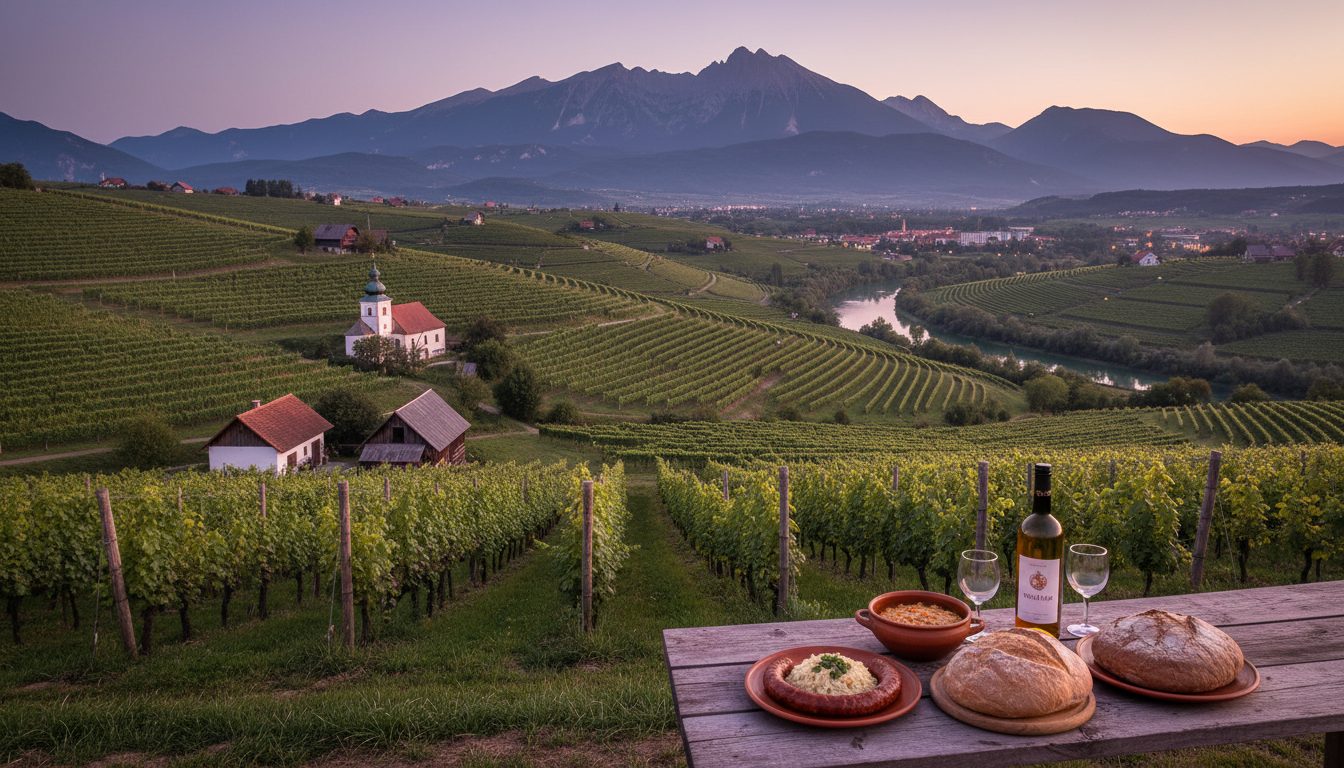
South toward the coast, the limestone Karst plateau (yes, the geological term comes from here) produces teran, a sharply acidic, almost iron-tasting red made from the Refošk grape and grown in distinctive red terra rossa soil. It is an acquired taste, and Slovenians seem entirely untroubled by that fact. Teran pairs – almost as a matter of regional law – with Kraški pršut, an air-dried ham cured in the same bura winds that sweep the plateau, giving it a character noticeably different from its Italian cousins.
Štajerska: Slovenia’s Pumpkin Seed Oil Country
Štajerska (Styria), in the rolling hills of the northeast, grows both wine and something arguably more distinctive: bučno olje, a dark, nutty pumpkin seed oil drizzled over salads, soups and – unofficially – almost anything that holds still long enough. The region’s wines, often crisp whites from Laški Rizling and Furmint grapes, make a fair showing too, though the oil tends to steal the conversation.
Slovenia Food Markets: Ljubljana’s Central Market and Regional Stalls
Ljubljana’s open-air central market, designed by the architect Jože Plečnik along the riverbank, is the obvious starting point – part food shop, part architectural tour, part excuse to eat a burek standing up at ten in the morning without judgement. Stalls shift with the seasons: spring brings wild asparagus and the first cherries from Goriška Brda, autumn turns everything orange with pumpkins and the season’s pumpkin seed oil, and winter sees root vegetables, cured meats and jars of honey from the surrounding Alpine villages. Smaller towns run their own markets on a far gentler scale – Piran’s coastal stalls lean heavily on fish, salt and olive oil, while inland towns favour cheese, honey and whatever the forest has recently produced. None of it is designed for tourists, which is precisely its appeal.
Slovenia Cooking Classes and Food Experiences
Hands-on cooking classes are easy to find across the country, typically built around a single regional specialty – a morning spent folding potica, learning the particular geometry of štruklji, or being gently corrected on your dumpling technique by someone’s grandmother. Farm stays, particularly in the Vipava Valley and Goriška Brda, often combine a cooking lesson with a cellar tour and lunch eaten at a long table outdoors, which is really the only acceptable way to eat a four-course meal in a vineyard. Beekeeping is a serious national pastime too – Slovenia has an unusually high density of beekeepers for its size – and several apiaries offer tastings and short courses in traditional hive-painting, which sounds like a novelty until you realise the honey is extraordinary.
Slovenia Seasonal Specialities: Truffles, Olive Oil and Adriatic Seafood
The short Slovenian coastline, barely 46 kilometres, punches well above its length when it comes to food. Olive groves around Koper and Izola produce a fresh, peppery oil that rivals anything produced further down the Adriatic, and the Sečovlje salt pans near Portorož still harvest sea salt by hand using methods unchanged for centuries – a fact that becomes genuinely interesting once you’ve watched it happen rather than just read about it. Truffles turn up in Slovenian Istria too, white truffles in autumn and black in summer, though in smaller quantities and with far less fanfare than their Croatian neighbours across the peninsula enjoy. Seafood along the coast runs simple and fresh – grilled fish, scampi, mussels from the bay near Piran – cooked with the kind of restraint that suggests nobody felt the need to improve on what was already good.
Best Food Experiences in Slovenia
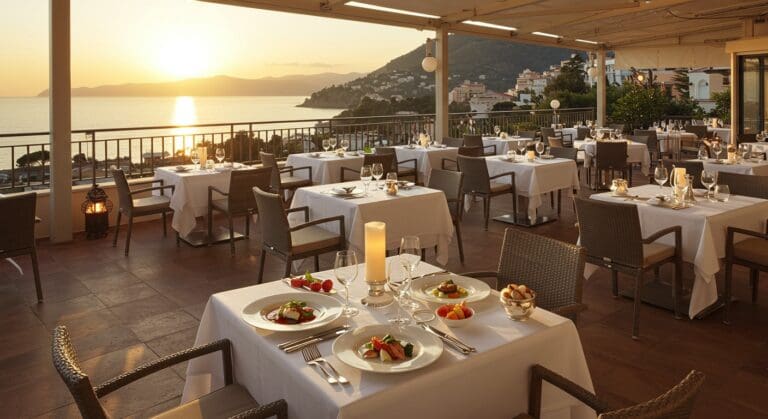
If pressed to choose, the best Slovenian food experiences are rarely the grand ones. A long lunch at a farmhouse in the Vipava Valley, teran and pršut on a terrace overlooking the Karst, a slice of still-warm potica bought from a market stall rather than a bakery display – these tend to outlast memories of anywhere fancier. The country rewards slowness, which fits a place where even the wine seems in no particular hurry to leave. For a wider sense of how the food fits into a Slovenian trip more broadly, the Slovenia Travel Guide covers the regions, seasons and logistics in more detail.
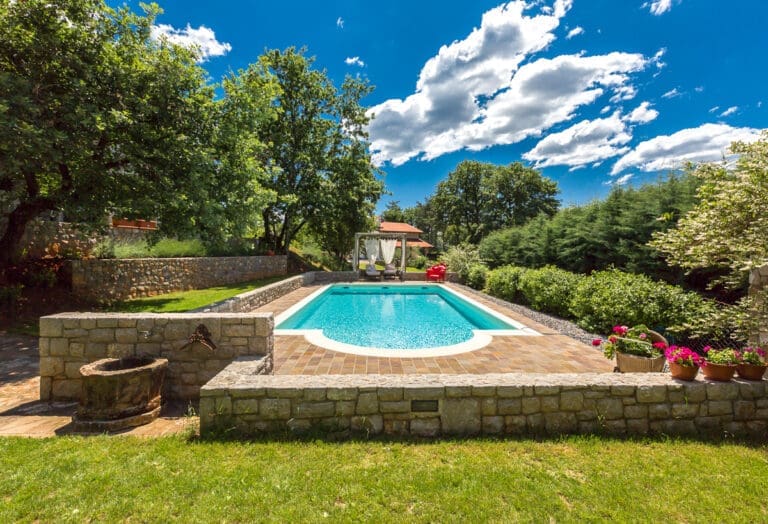
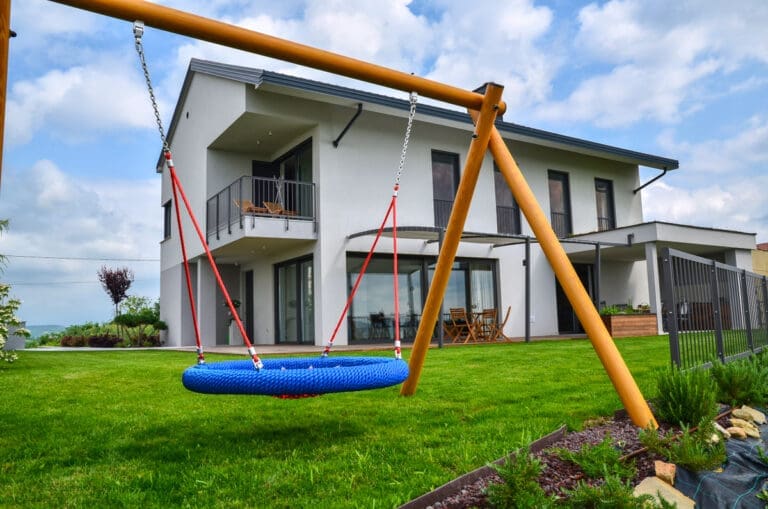
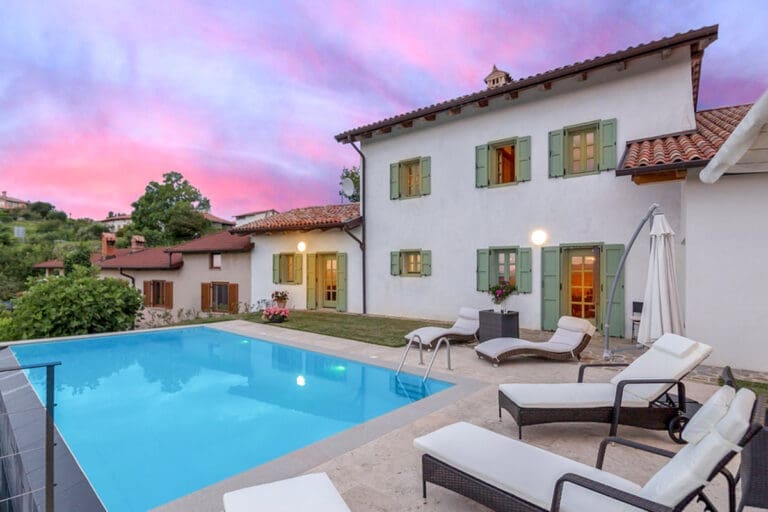
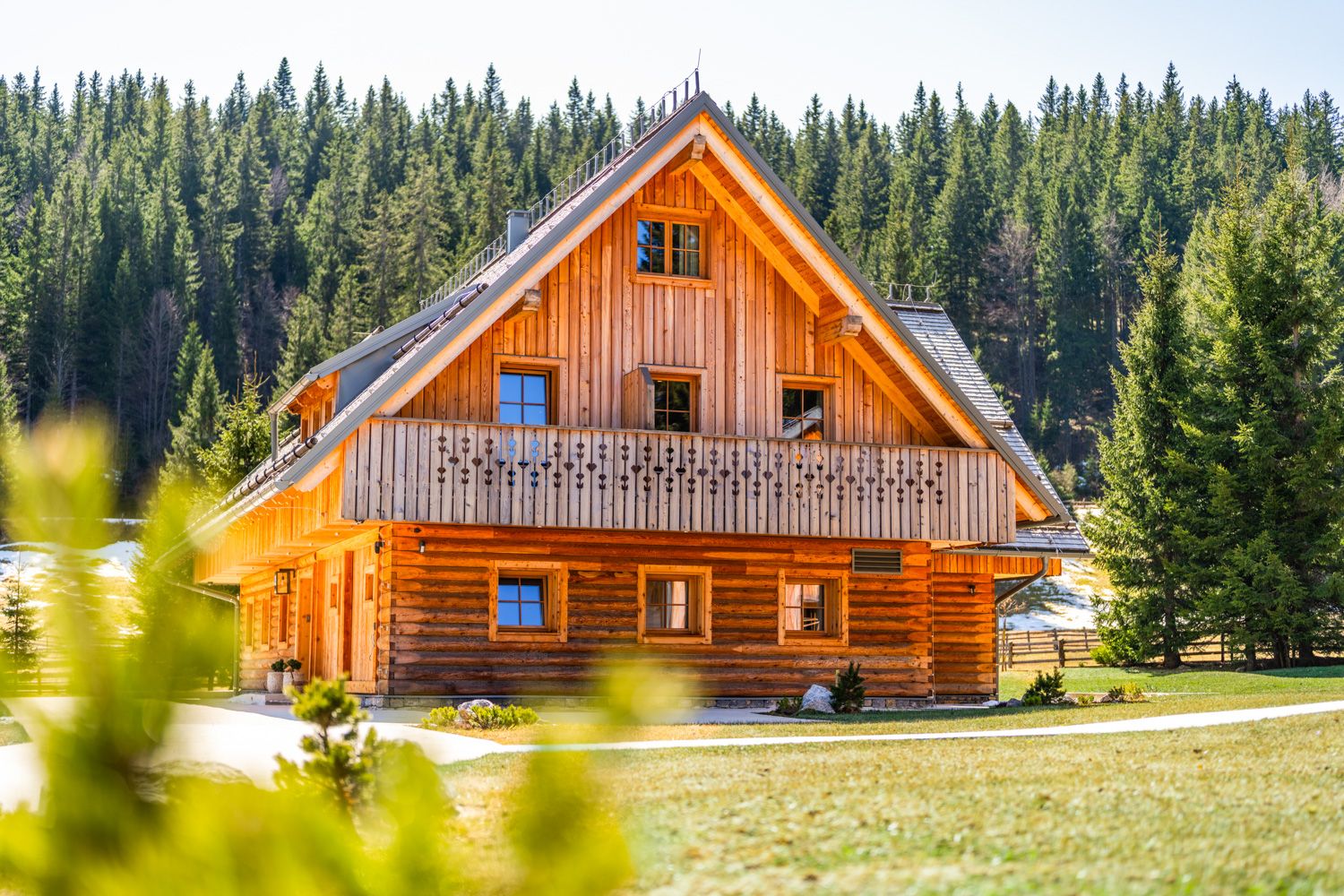
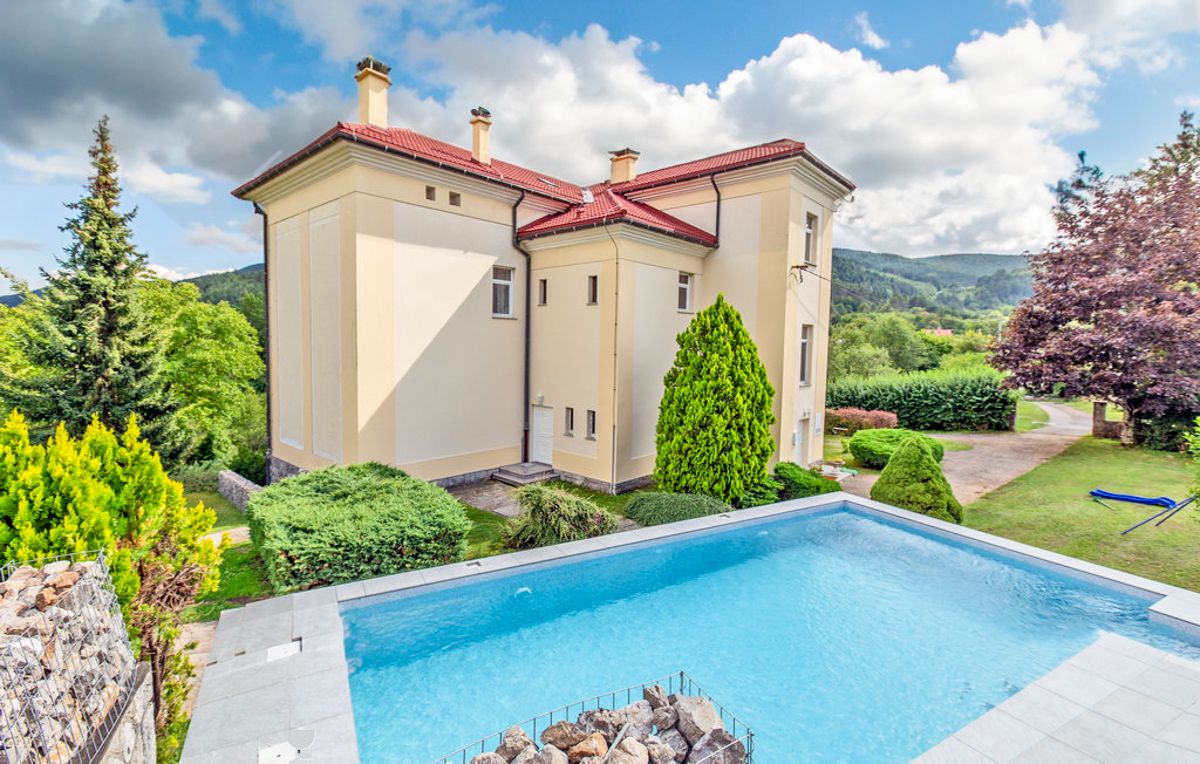
If you’re planning where to base yourself for all this eating and drinking, you can browse villas in Slovenia.
Slovenia Food and Wine FAQs
What is the national dish of Slovenia?
Slovenia doesn’t have one definitive national dish, but potica, a rolled nut pastry served at celebrations and made in dozens of regional variations, comes closest to a unifying symbol of Slovenian cooking.
Is Slovenian wine good, and where can you try it?
Slovenian wine is widely respected among those who know it, though little is exported. The Goriška Brda and Vipava Valley regions produce notable whites like Rebula and Malvazija, while the Karst plateau is known for teran, a distinctive acidic red.
What is the best time of year for food and wine in Slovenia?
Autumn, particularly September and October, is ideal, coinciding with grape harvest, truffle season in Slovenian Istria and the start of pumpkin seed oil pressing in Štajerska. Spring is also good for wild asparagus and the first cherries in Goriška Brda.
Where to stay
Villas in Slovenia
A selection from our 49 luxury villas in Slovenia.