Budva Food & Wine: Adriatic Seafood, Vranac Reds & Olive Oil
Budva’s food culture centres on fresh Adriatic seafood, grilled meats, olive oil and the dark, full-bodied Vranac wine made from grapes grown further inland around Lake Skadar. Markets along the old town walls sell local cheese, honey and cured meats brought down from the mountains, while coastal konobas (taverns) specialise in simply grilled fish and octopus salad. The best months for fresh seafood and outdoor dining are May to October, with wine harvest season running September into October.
There’s a particular hour in Budva, somewhere around seven in the evening, when the smell of charcoal smoke drifts off the grills along the harbour and mixes with salt, lemon and the faint diesel tang of the fishing boats coming in. Someone is always shouting good-naturedly about the catch. A cat is always waiting, with the patience of a creature that has done this every evening of its life. It’s not a smell you’d bottle, but it’s the smell of the place doing what it does best: feeding people well, without much fuss.
Budva Cuisine: Adriatic Coast Meets Mountain Tradition
Montenegrin food along this stretch of coast is really two cuisines wearing one coastline. From the sea comes the Mediterranean habit of grilling whatever was swimming that morning and dressing it with little more than olive oil, garlic and lemon. From the mountains just behind Budva comes a heartier, Balkan hand – smoked meats, thick soups, and cheese that could double as currency in a pinch. The two traditions meet on most menus without any apparent awkwardness, which is more than can be said for some fusion cuisines that try far harder and succeed far less.
Italian influence lingers too, a legacy of centuries under Venetian rule, visible in the pasta, risotto and generous use of olive oil found across menus. Expect bread, olives and a small dish of oil to arrive before you’ve even opened the menu – a courtesy, not an upsell. Portions tend to be generous rather than architectural; this is not a region that believes a single scallop balanced on a smear constitutes dinner.
Signature Dishes in Budva
Seafood is the backbone of Budva dining, and it’s treated with a restraint that borders on reverence. Grilled whole fish – sea bream, sea bass, sometimes John Dory when it’s running – arrives simply with olive oil and lemon, because nobody here feels the need to improve on something that tasted of the sea four hours ago. Octopus salad, dressed cold with olive oil, onion and parsley, is close to a regional obligation. Black risotto, coloured and flavoured with cuttlefish ink, turns up on almost every coastal menu and is one of those dishes that looks considerably more alarming than it tastes.
From the land side comes Njeguški pršut, a smoked, air-dried ham from the mountain villages behind the coast, usually served thinly sliced alongside a hard, salty sheep’s cheese from the same region. Ćevapi (grilled minced meat rolls) and pljeskavica (a flattened meat patty, not unlike a very serious burger) are the reliable, unglamorous staples of inland-style grills, best eaten with ajvar, a roasted red pepper relish that locals treat the way others treat ketchup, only with considerably more dignity.
Budva Wine: Local Grapes and Producers
Montenegro’s wine identity rests heavily on one grape: Vranac, a dark, tannic red that produces wines ranging from everyday table reds to considerably more serious bottles capable of a decade or more in the cellar. The name translates roughly to “stallion,” and after a glass or two of the more robust examples, the branding makes sense. Vranac vines are grown predominantly in the Crmnica region near Lake Skadar, inland and slightly south of Budva, where limestone soils and long summer heat do most of the heavy lifting.
White wine drinkers aren’t left out. Krstač, a crisp, light indigenous white, and Žižak, a lesser-known local variety, both turn up on better wine lists along the coast, offering a change of pace from the reds without resorting to imported Sauvignon Blanc out of habit. Montenegro’s wine industry is small by European standards and largely unbothered by international fame, which keeps prices sensible and bottles largely free of the marketing gloss that afflicts better-known wine regions.
Wine Estates Near Budva
The Crmnica wine region around Lake Skadar is the obvious day trip for anyone wanting to see where Vranac actually grows, roughly forty-five minutes to an hour’s drive from Budva depending on traffic and how many times you stop for the view. Family-run wineries here tend to combine a working vineyard with a simple tasting room and, often, a terrace lunch of cured meats, cheese and bread designed to slow you down considerably. Formality is not really the point; most visits feel more like being hosted by a particularly hospitable relative than attending a structured tasting.
Several estates welcome visitors by prior arrangement rather than casual walk-in, so a quick call ahead (or booking through a local tour operator) saves the disappointment of arriving to a locked gate and a disinterested goat. The scenery alone – vineyards rolling down towards the lake, with Albania’s mountains visible on a clear day – earns the drive even before the wine does.
Budva Food Markets
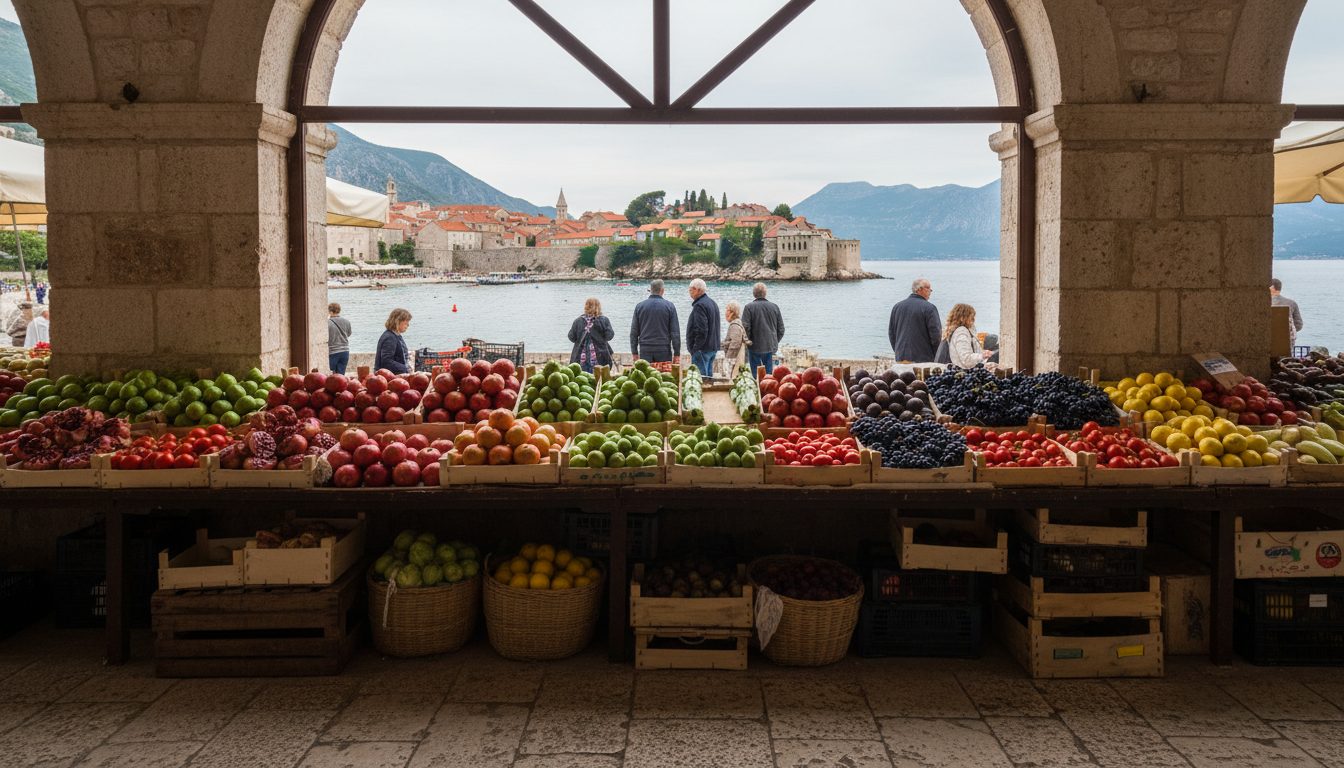
Budva’s daily market, tucked just outside the old town walls, is a small but properly functioning affair rather than a tourist spectacle. Stalls sell Njeguški pršut and cheese brought down from the mountains, jars of honey, dried figs, local olive oil in anonymous plastic bottles that outperform half the branded ones, and whatever vegetables happen to be in season. It’s at its best early, before the midday heat and before the cruise-ship contingent arrives to photograph the cheese rather than buy it.
Seafood is better bought straight from the harbour in the early morning, when boats unload directly and prices haven’t yet absorbed the markup of a middleman with rent to pay. It’s not glamorous – there’s ice, there’s noise, there’s the occasional argument about who was first in the queue – but it is, in its way, one of the more honest food experiences Budva offers.
Cooking Classes in Budva
Hands-on cooking experiences around Budva typically focus on the coastal basics: how to properly clean and grill fish, how to make black risotto without turning the kitchen into a crime scene, and how to put together a respectable seafood platter without panic. Classes are often run from private homes or small family kitchens rather than formal culinary schools, which suits the generally unpretentious tone of Montenegrin cooking. Expect to end the session eating what you made, with wine, because that is simply how it’s done here.
These sessions work particularly well for travellers who want to take something more useful home than a fridge magnet – a genuine sense of how the region eats, rather than a polished restaurant version of it. Booking through a local guide or your accommodation host is generally the most reliable route, since availability and format vary considerably by season.
Seasonal Specialities in Budva: Olive Oil, Seafood and (Not) Truffles
Olive oil production is genuinely of the region, with groves scattered along the coast and inland hillsides producing oil that’s often sold directly by small producers rather than through supermarket channels. Harvest runs through autumn, and freshly pressed oil from that season has a peppery bite that bears little resemblance to the mild, shelf-stable stuff shipped abroad.
Seafood follows the calendar rather than the menu’s wishful thinking: spring and early summer bring the best small fish and squid, while autumn is prime time for octopus and larger catches as the water cools. Truffles, for the record, are not really a Montenegrin specialty – that fame belongs to regions further north and west along the Adriatic – so treat any Budva menu making grand truffle claims with the same polite scepticism you’d apply to a beach bar insisting its cocktails are “world famous.”
Best Food Experiences in Budva
The single best food experience in Budva remains disarmingly simple: a long, unhurried seafood lunch at a harbourside konoba, grilled fish arriving whole, a carafe of local white wine sweating gently in the heat, and absolutely nowhere else to be. Add an afternoon drive inland to the Crmnica wine region for a tasting and a plate of pršut and cheese, and you’ve covered the coast-to-mountain story of Montenegrin food in a single day.
For a fuller sense of the town beyond its kitchens, the Budva Travel Guide covers the wider practicalities of visiting, from getting around to the old town’s history.
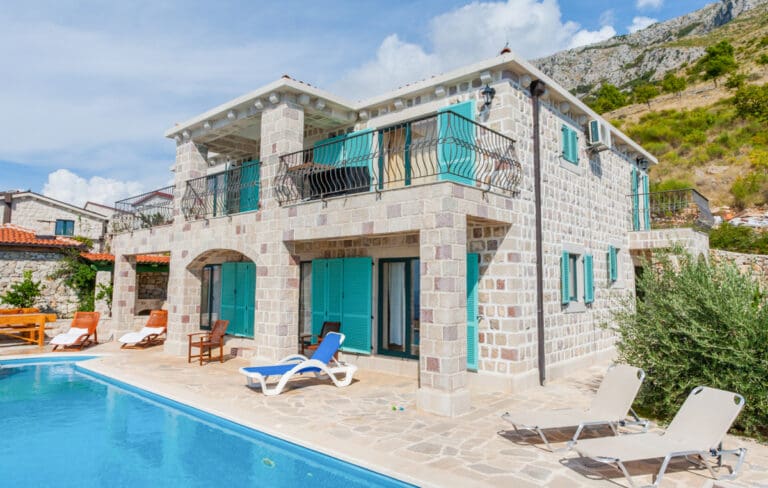
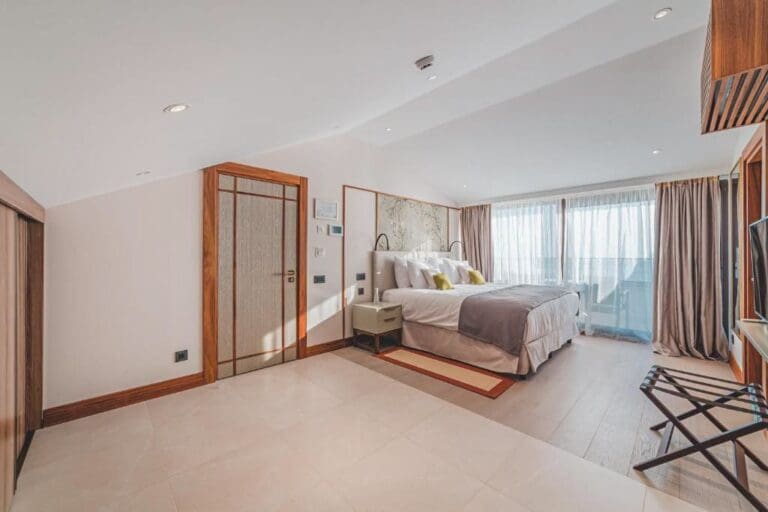
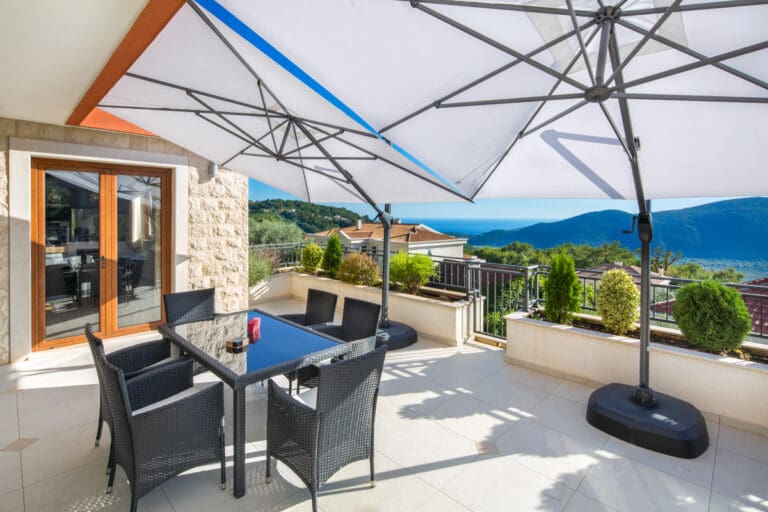
For travellers planning where to base themselves for all this eating and drinking, there are villas in Budva within easy reach of the harbour, the markets and the vineyards inland.
Budva Food and Wine FAQs
What is the local wine of Budva called?
The signature red is Vranac, grown mainly in the Crmnica region near Lake Skadar inland from Budva. It’s a dark, full-bodied wine that ranges from easy-drinking table versions to more structured, age-worthy bottles.
Is seafood in Budva expensive?
Seafood prices vary considerably between tourist-facing harbourside restaurants and quieter family-run konobas slightly off the main promenade, with the latter generally offering better value and fresher catch, particularly early in the day.
When is the best time to visit Budva for food and wine?
Late spring through early autumn offers the best combination of fresh seafood, warm-weather dining and open-air markets, while September and October add the bonus of the wine harvest in the nearby Crmnica region.
Keep reading
More on Budva
- Travel guideBudva Travel Guide
- When to goBest Time to Visit Budva
- RestaurantsBest Restaurants in Budva
- FamiliesBudva with Kids
Guides nearby in Montenegro
Where to stay
Villas in Budva
A selection from our 39 luxury villas in Budva.