Best Time to Visit Malinska: Pine Woods, Pebble Coves & Wine
The best time to visit Malinska is from late May to mid-September for swimming and warm weather, with June and September offering the best balance of sunshine and manageable crowds. July and August are the busiest and priciest months, while spring and autumn suit travellers who prefer quieter beaches and cooler walking weather. Winters are mild but sleepy, with much of the town’s tourist infrastructure closed.
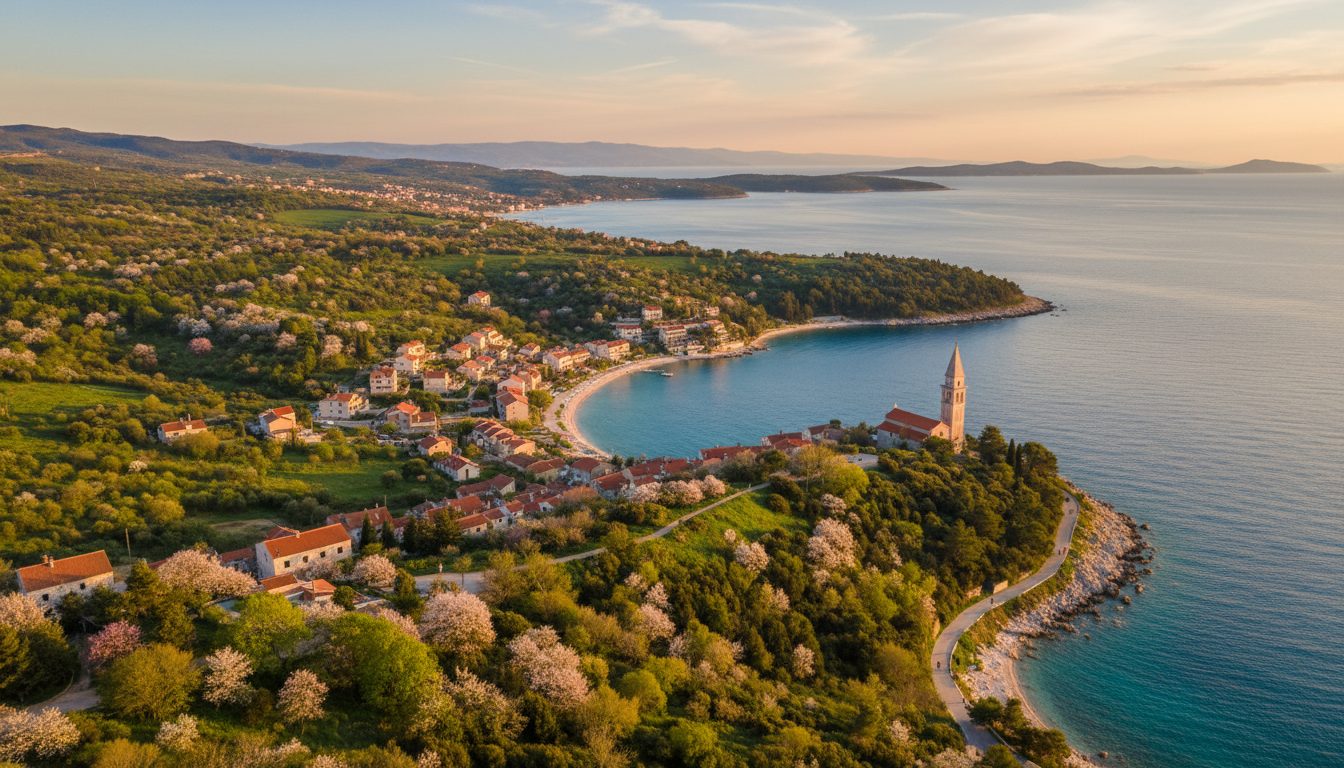
There’s a particular hour on Malinska’s seafront promenade – somewhere around seven on a June evening – when the day’s heat finally loosens its grip, the resin smell of the Aleppo pines thickens in the cooling air, and the whole town seems to drift outside for a walk that has no actual destination. This is the Kvarner version of the Italian passeggiata: retirees arguing gently about football, children on bicycles several sizes too big for them, a small boat easing into its mooring with the unhurried confidence of someone who has done this ten thousand times before. Nobody is in a rush. Nobody, it seems, has ever been in a rush here, which is either deeply relaxing or faintly maddening depending on your temperament and how badly you wanted that table by the water.
Malinska sits on the western coast of the island of Krk, in Croatia’s Kvarner Gulf, and its climate follows the same Mediterranean rhythm as the rest of the Adriatic – long dry summers, mild wet-ish winters, and two short, underrated windows either side when the island remembers how to be quiet. Choosing when to come matters more here than in most places, because Malinska’s whole personality – its pace, its prices, even which restaurants bother opening the shutters – changes with the calendar. For the fuller picture of the town itself, the Malinska Travel Guide is worth a read alongside this one.
Malinska Weather at a Glance
- Spring (March-May): 11-22°C (52-72°F), building steadily, good for walking and cycling
- Summer (June-August): 24-30°C (75-86°F), sea around 24-26°C (75-79°F), peak crowds in July-August
- Autumn (September-November): 12-26°C (54-79°F), warm sea into October, quieter by November
- Winter (December-February): 8-10°C (46-50°F), mild but damp, many businesses closed
Best Time to Visit Malinska: Spring (March to May)
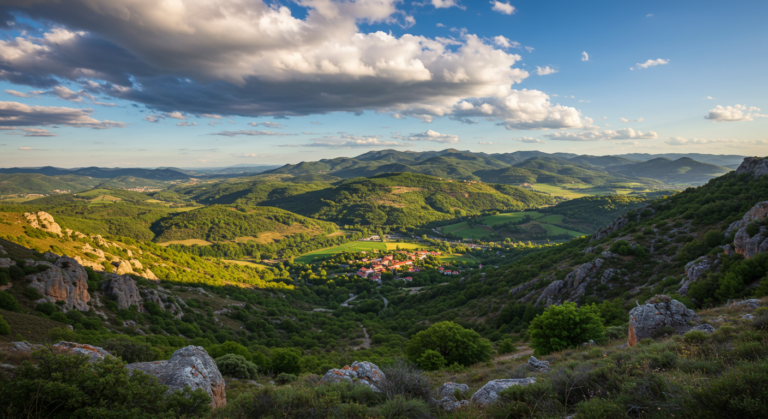
March arrives in Malinska looking faintly embarrassed about the whole of winter, with daytime temperatures hovering around 11-13°C (52-55°F) and the odd blast of the bora wind reminding everyone the Adriatic can still be bracing. By April things warm to a pleasant 15-17°C (59-63°F), the island’s wild herbs and olive groves green up, and the pine-fringed coastal paths around Malinska fill with locals walking dogs rather than tourists working on tans. May is the real turning point – 20-22°C (68-72°F), long daylight, and a sea that’s still a touch cool for all but the hardiest swimmers, though plenty will try anyway.
Crowds are minimal through March and April, picking up gently in May as the first package tours and cycling groups arrive – Krk’s network of coastal and inland trails is a genuine draw for the two-wheeled crowd. Accommodation prices sit at their lowest of the year, restaurants open at their own pace (some stay shuttered until Easter, others until May), and the famous Malinska waterfront has an almost private feel. This is the season for travellers who want the scenery without the crowd management – good walkers, cyclists, photographers and anyone who finds queuing for gelato spiritually exhausting.
Best Time to Visit Malinska: Summer (June to August)
June is, for many, the sweet spot before the sweet spot gets crowded: 24-26°C (75-79°F), a sea that’s finally warmed to proper swimming temperature, and a town that’s awake but not yet overrun. July and August push temperatures to 28-30°C (82-86°F), occasionally higher during heatwaves, with the sea a bath-warm 24-26°C (75-79°F) – lovely for swimming, less lovely if you’re trying to nap through the afternoon heat without air conditioning.
These two months are Malinska’s busiest by a wide margin. The pebble coves fill early, the promenade restaurants need reservations, and parking near the centre becomes a competitive sport. Prices for everything – rooms, boat hire, even the ferry crossing fruit stall – climb accordingly. Evenings bring a livelier atmosphere: open-air concerts, a fishermen’s night with grilled sardines and local wine, and a general sense that the whole town has decided to stay up late. This season suits families on school holidays, sea-swimmers who want guaranteed warmth, and anyone happy to trade quiet for atmosphere. It suits rather less well anyone hoping for an empty beach or a spontaneous dinner table.
Best Time to Visit Malinska: Autumn (September to November)
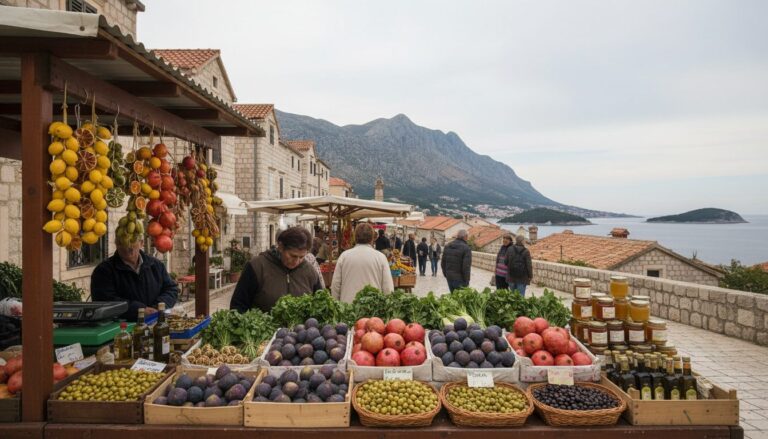
September is arguably Malinska at its most sensible: 24-26°C (75-79°F), a sea still warm enough for proper swimming, and crowds that thin out noticeably after the first week once European school terms resume. October cools to a gentle 18-20°C (64-68°F), with the sea lingering warm into the month – a genuine shoulder-season advantage, since you get late-summer water temperatures with early-autumn calm. The island’s olive harvest and the Vrbnik area’s Žlahtina grape harvest both happen around this time, giving the Kvarner region its own quiet autumn rhythm even if Malinska itself doesn’t throw a parade about it.
By November, temperatures drop to 12-14°C (54-57°F), rain becomes more frequent, and a fair number of seasonal restaurants and cafes close for the winter. Crowds are negligible and prices fall sharply. This stretch suits travellers who prioritise peace over poolside lounging – walkers, wine enthusiasts heading inland or to neighbouring towns, and anyone who finds an off-season Adriatic sunset more romantic without fifty other people photographing it at the same time.
Best Time to Visit Malinska: Winter (December to February)
Winter in Malinska is mild by northern European standards – daytime temperatures typically sit between 8-10°C (46-50°F) – but it is also genuinely quiet, in the way that can be either restful or slightly eerie depending on your outlook. Rain is more frequent, the bora wind makes the odd dramatic appearance, and the sea, while rarely freezing, is firmly in “look but don’t touch” territory.
Many hotels, restaurants and rental agencies close entirely between November and March, so this is not the season for spontaneity – research what’s actually open before you commit. What remains is a version of Malinska that locals themselves inhabit: fishermen mending nets on the quay, empty pine-shaded benches, and a slower, more domestic pace of life. It suits travellers who want an authentic, unpolished glimpse of island life rather than a beach holiday, and those happy to pair their trip with day drives around Krk’s inland villages rather than lounging by the water.
Shoulder Season in Malinska: Why Spring and Autumn Win
If there’s a single piece of advice worth taking from this guide, it’s that Malinska rewards travellers who arrive slightly out of step with everyone else. Late May through early June, and again September into early October, deliver summer-grade temperatures and sea conditions without summer-grade crowding or pricing. Restaurants have tables available without a phone call three days in advance, the coastal walking and cycling routes are pleasant rather than congested, and the island’s slower pace – the thing everyone actually comes for – is easier to find when it isn’t competing with several thousand other sun-seekers. It’s also simply a more comfortable way to experience the heat, since neither month tends to deliver the full, slightly punishing midsummer swelter.
Visiting Malinska in the Off-Season: The Case for Winter
Winter won’t suit everyone, and it would be dishonest to pretend otherwise – the sea is uninviting, plenty of businesses are shut, and grey skies are not uncommon. But there is a case for it. Prices drop to their annual floor, the pine-lined promenade belongs almost entirely to residents, and the pace of life – already unhurried in high season – slows further still. It’s a season for travellers who’ve already done the beach-holiday version of Croatia and want to see what’s underneath it: fewer performances, more ordinary days. Just pack a decent coat, book accommodation with confirmed winter opening, and lower your expectations for beach time to roughly zero.
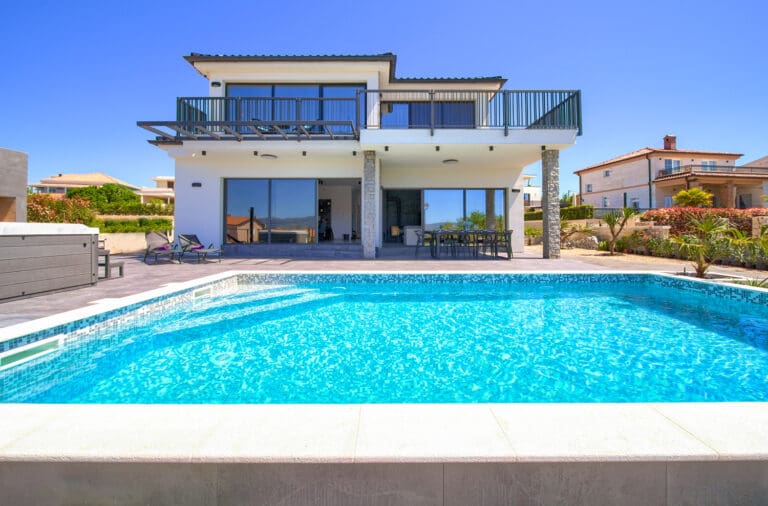
Whatever month suits your plans, it’s worth deciding on your season before you start looking at villas in Malinska.
Malinska Weather and Seasons FAQs
When is the sea warm enough to swim in Malinska?
The sea is comfortably warm for swimming from June through to early October, typically reaching 24-26°C (75-79°F) in peak summer and staying pleasant well into September. May and late October are possible for confident or brief swimmers, but the water is noticeably cooler.
What is the rainiest time of year in Malinska?
Late autumn and winter, roughly November through January, bring the most rainfall, along with occasional bursts of the bora wind. Summer months are reliably dry, with most rain falling in short, sharp evening storms rather than extended wet spells.
Is Malinska busy in July and August?
Yes, July and August are by far the busiest and most expensive months, with full beaches, booked-out restaurants and heavier road traffic around the island. Travellers wanting a quieter visit are better served by June or September.
Keep reading
More on Malinska
Guides nearby in Croatia
Where to stay
Villas in Malinska
A selection from our 22 luxury villas in Malinska.